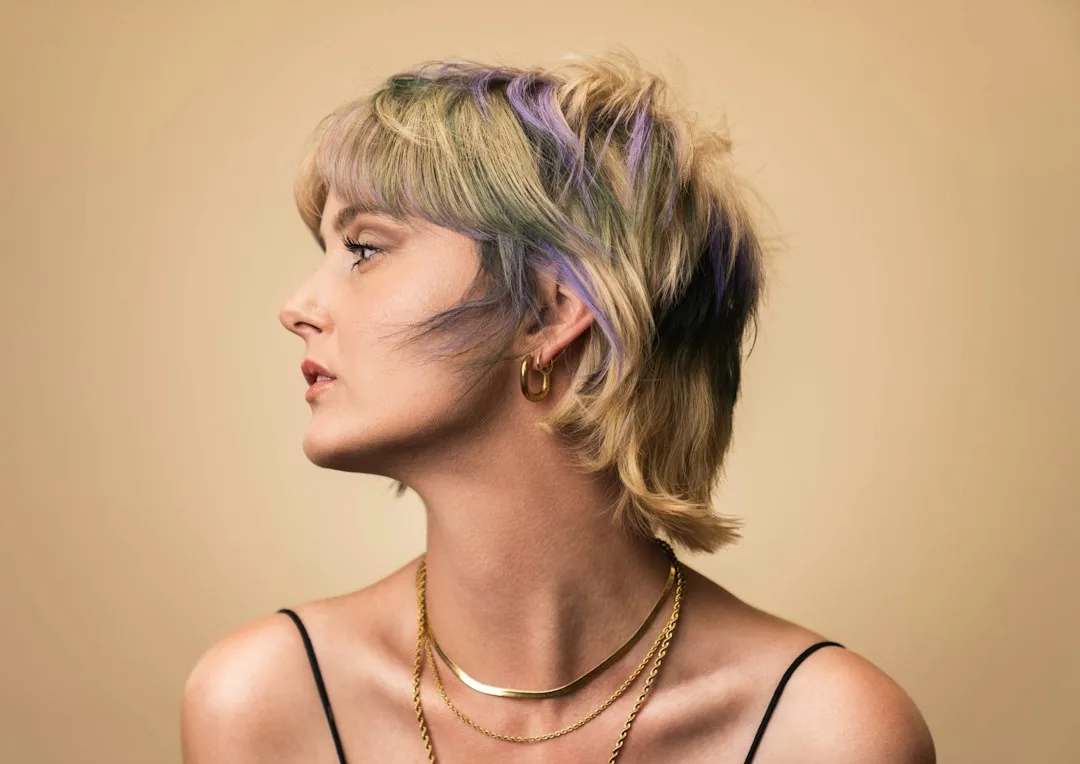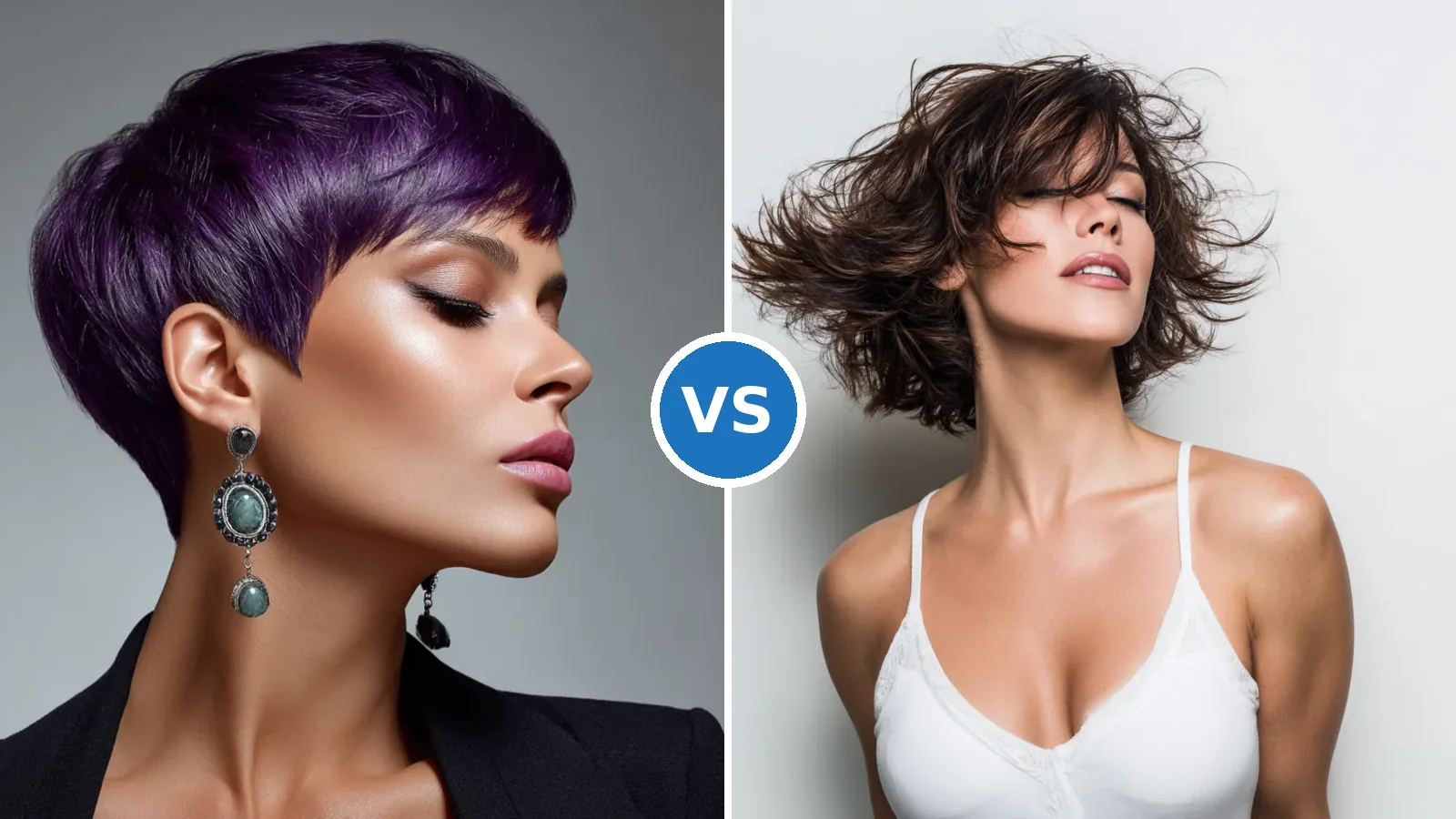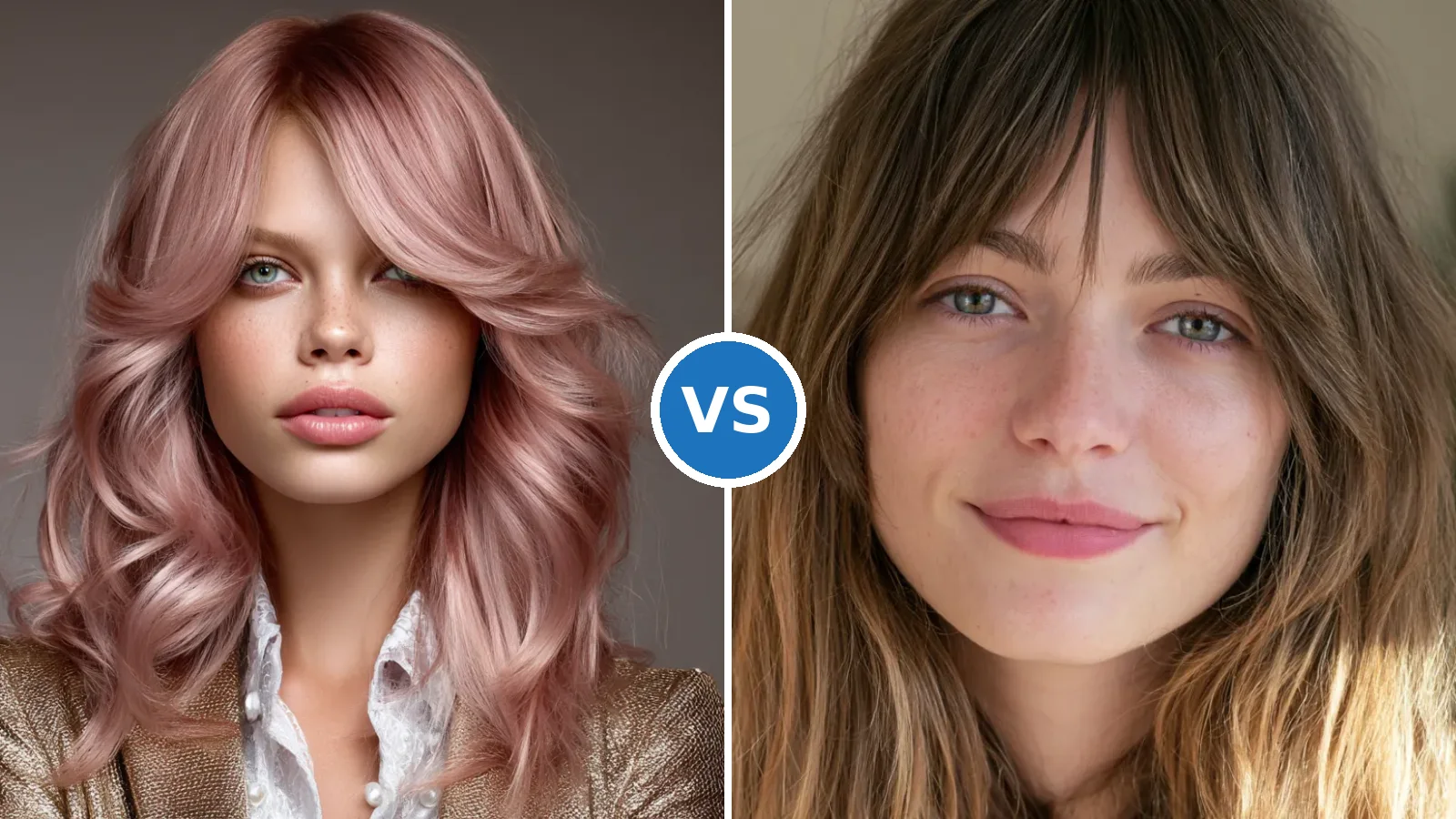
Butterfly layers hairstyle has become the defining cut of fall 2026, replacing the blunt, statement-driven styles that dominated last season. Walk into any salon from Manhattan to Los Angeles, and you’ll find stylists with three-month waiting lists specifically for this technique. The trend works because it solves a real problem: how to create movement and dimension without making fine or medium hair look thin.
The name comes from the way layers fan outward from the face, mimicking butterfly wings in flight. Unlike traditional layering, which can look choppy or dated, butterfly layers use precision point-cutting to create seamless transitions between sections. Each layer is strategically placed to catch light and move independently, which is why it photographs so well on social media—and why clients keep their appointments.
Why Stylists Are Booking Out Four Months in Advance
Olaplex, the bond-building brand trusted by high-volume salons, released data in August 2026 showing that stylists using their treatment systems before and after layering saw 40% fewer breakage complaints with butterfly layers compared to traditional choppy cuts. This matters because the technique requires precise sectioning and point-cutting at angles that used to compromise hair integrity.
The real shift is confidence. Stylists now have a repeatable method that works across hair types—straight, wavy, curly, coily—without needing extensive customization. A stylist at Ramirez|Tran Salon in Chicago reports doing 8–10 butterfly layer appointments weekly, up from 2–3 six months ago.
Clients return because the cut genuinely holds shape for 10–12 weeks before needing a refresh, unlike shorter, choppy styles that flatten after four weeks. This is the #1 reason it’s replaced pixie-bob hybrids for women seeking low-maintenance elegance.
Quick Tips
- Ask your stylist for layers starting at collarbone length, not jaw—this prevents the “grown-out awkward phase”
- Request point-cutting over razor-cutting to maintain softness and prevent blunt edges
- Use a curl-defining cream (not gel) on damp roots to enhance the butterfly effect
- Schedule trims every 10–12 weeks to keep the shape crisp
- Blow-dry with a round brush rotating downward to train layers to flip outward, not under
The Technique Behind Butterfly Layers That Stylists Master Over Months
Butterfly layers require dividing the head into five sections: a crown panel, two side panels, and two lower sections that frame the face. A stylist in Portland who trained for three months with a master cutter explained: each layer is cut at a 45-degree angle using point-cutting shears, creating a feathered edge that disappears into the surrounding hair rather than sitting on top.
| Layer Technique | Effect on Hair | Best Hair Type |
|---|---|---|
| Point-cutting feathered layers | Soft, seamless movement | Fine to medium texture |
| Razor-cut choppy layers | Dramatic texture, visible separation | Thick, wavy, coily |
| Blunt layering (one-length) | Sharp definition, no movement | Straight, dense hair |
| Stacked layers (shorter on top) | Volume at crown, flatness at ends | Fine, limp hair |
The face-framing sections are cut shortest, typically 2–3 inches shorter than the base length. This creates the “butterfly wing” effect because shorter, textured pieces frame the cheekbones and jaw while longer sections underneath provide density and weight. The crown is left slightly fuller to balance the face.
Common Mistake: Asking for Butterfly Layers Without Committing to Styling
The #1 failure point happens when clients request butterfly layers but expect them to look the same without styling. This cut does not work brushed straight into a ponytail—it will look thin and shapeless. A woman in Seattle spent $280 on butterfly layers, then complained they looked “wispy and weird,” when the real issue was she was brushing them out every morning without blow-drying.
Butterfly layers require intentional styling: blow-dry with a round brush, use texture spray or curl cream to enhance separation, or sleep in loose braids to create soft waves. Without this commitment, the cut collapses and looks like you need a haircut after two weeks. Stylists should discuss this upfront to avoid client disappointment and one-star reviews.
How Color Transforms Butterfly Layers Into a Statement
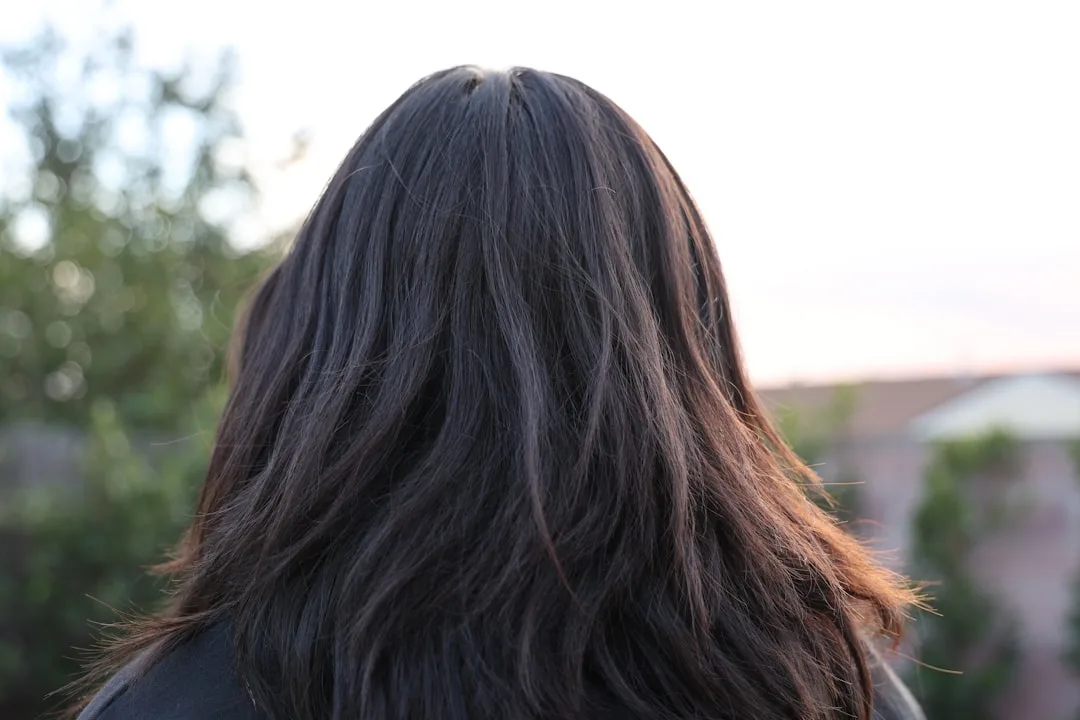
Paired with strategic color, butterfly layers elevate from cute to high-fashion. Darker roots with honey blonde or bronde balayage placed through the layered sections create depth that makes movement more visible. A stylist at Videri Salon in New York combines butterfly layers with dimensional color—leaving roots dark and hand-painting golden blonde through mid-length sections—to make the layering “pop” without looking busy.
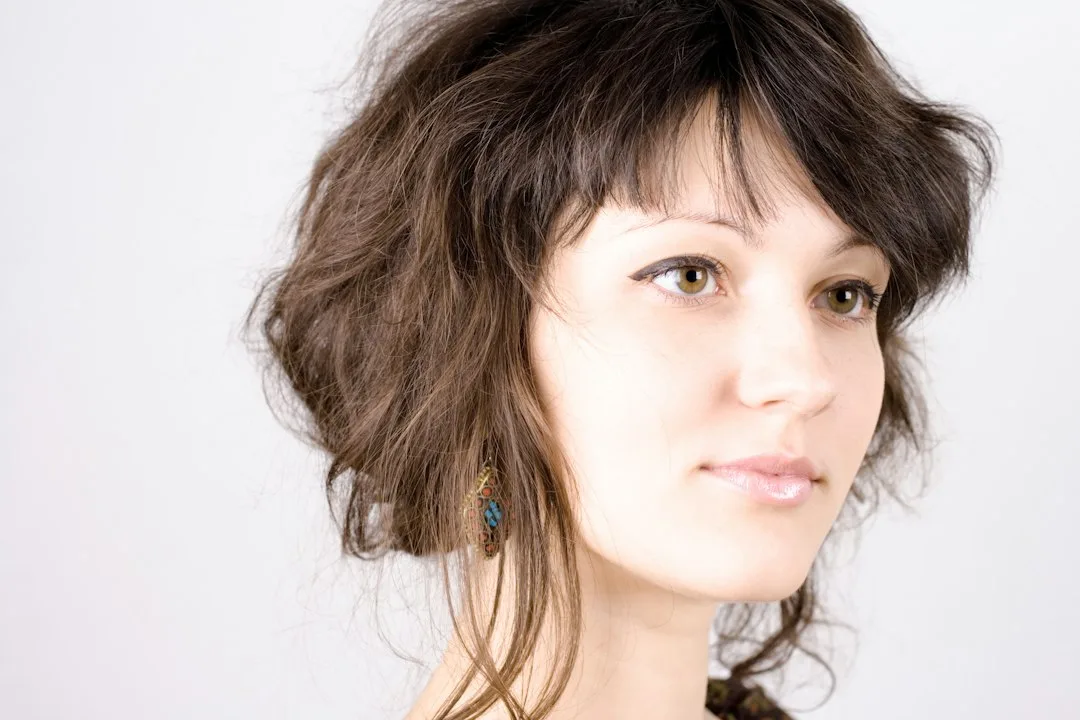
Copper tones and warm brunettes work equally well, especially on darker hair bases. The key is placing lighter pieces through the face-framing layers so dimension follows the cut’s natural movement pattern. This is why short black hairstyles paired with subtle caramel or blonde money pieces became inseparable in fall 2026.
Clients asking for “effortless” hair are actually paying premium prices for a cut that requires effort. Be honest about this.
Why Butterfly Layers Work for Age 25 Through 65
Unlike trendy cuts that look dated in two years, butterfly layers are flattering across age groups because they’re fundamentally about frame-softening and movement. Women in their 60s request them for the same reason 28-year-olds do: the face-framing layers minimize fine lines, jowls, and aging jawlines while the longer sections maintain length and femininity.
A Dallas stylist notes that older clients love butterfly layers because they’re not aggressively youthful—they’re simply flattering and modern. The cut doesn’t scream “trendy,” so it won’t feel dated in three years. This longevity is exactly why stylists are confident recommending it.
Maintenance between salon visits remains simple: a light trim every 12 weeks keeps the butterfly effect sharp. For detailed guidance on maintaining any layered style, short black hairstyles that hold shape share the same upkeep principles, making this cut accessible for all textures and colors.
The Real Reason Butterfly Layers Replaced Every Other Trending Cut
Butterfly layers solve what celebrity blow-out cuts, wolf cuts, and shag variations could not: they work on real hair in real life. No platinum blonde balayage required. No daily styling heat tools mandatory. No specific hair texture prerequisites. A woman with fine, straight hair and a woman with thick, coily hair can both get the same haircut and have it look stunning on their hair type because the technique is that adaptable.
This is why your stylist is booked. This is why waiting three months to get in is normal. Butterfly layers aren’t just a trend—they’re a technique that actually delivers on the promise of effortless movement.