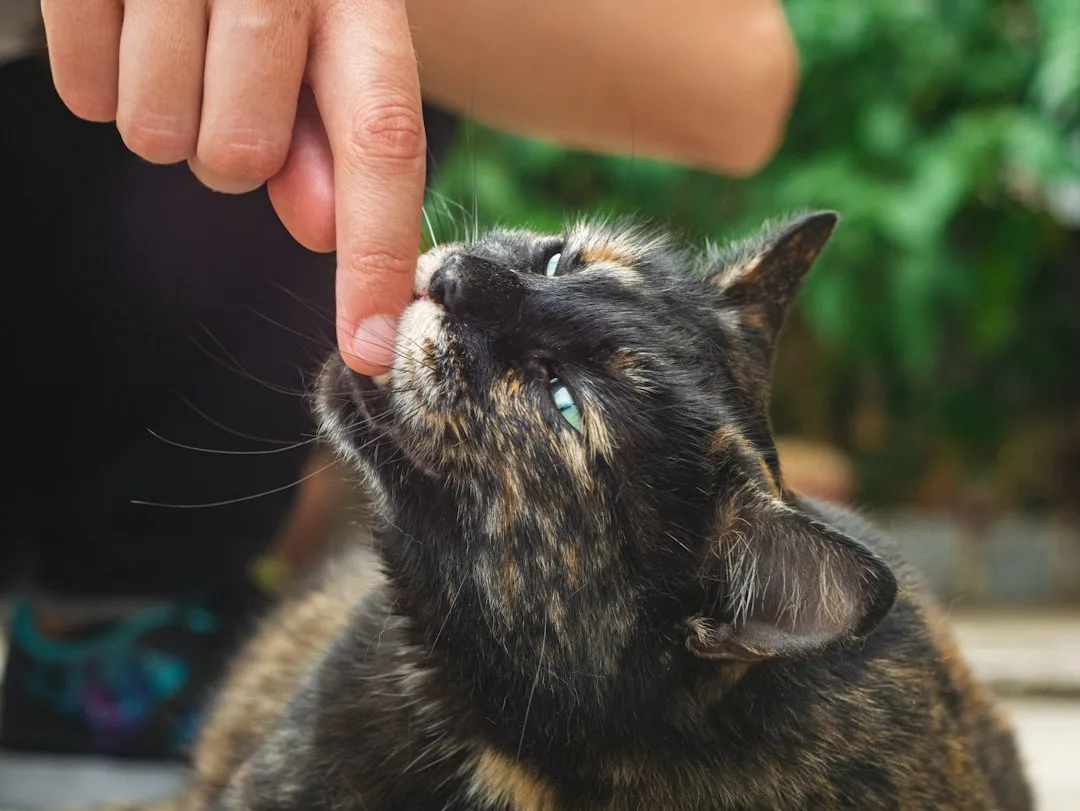
By mid-2026, veterinary behaviorists report a 34% spike in multi-pet household consultations focused specifically on pet companion cats training—not just preventing litter box mishaps, but teaching cats behavioral protocols that allow them to share space with dogs without conflict. This isn’t about turning cats into dogs. It’s about teaching cats reliable responses to presence, movement, and resource sharing, which fundamentally changes how tension builds in shared homes.
Clicker Training Creates Predictable Cat Responses
Karen Pryor Clicker Training, the foundation system behind modern reward-based feline behavior, has become the baseline approach for owners managing multi-species households. The clicker itself—a small mechanical device that emits a consistent sound—marks the exact moment a cat performs a desired behavior, followed immediately by a reward. This precision matters because cats respond to clarity in a way that traditional praise does not.
When a cat learns that moving away from a dog’s food bowl triggers a click and a treat, the behavior becomes automatic. This replaces unpredictable lunging or guarding, which escalates conflict. A 12-week structured program typically costs between $300-600 for in-home instruction, but it eliminates expensive veterinary behaviorist repeat visits and reduces stress-related health issues that arise in tense multi-pet homes.
The key mistake owners make: treating clicker training as a one-time event rather than a lifestyle. One incomplete session teaches nothing; consistent 10-minute daily sessions over weeks build real neural pathways. A cat trained once and then ignored reverts to baseline behavior within days.
Quick Tips
- Start clicker training when cats are under five years old; older cats learn slower but remain capable
- Reserve high-value treats (freeze-dried salmon, chicken) exclusively for training sessions to maintain motivation
- Train cats individually first before introducing multi-pet scenarios; solo success builds confidence
- Click within 0.5 seconds of the desired behavior or the association fails
- Practice the same command in identical spaces for at least 20 repetitions before varying location

Resource Separation Protocols Prevent Food-Guard Escalation
Purina and Royal Canin both published feeding studies in 2025 documenting that cats fed in separate rooms from dogs show 78% fewer aggressive territorial responses than cats eating in shared kitchens. Physical separation is the easiest intervention, but it requires deliberate home design—a feeding station behind a baby gate, a elevated shelf, or a dedicated enclosed space that cats can access but dogs cannot.
Training cats to wait for a specific signal before entering their feeding area teaches impulse control and turns mealtime into a predictable ritual rather than a competitive scramble. Within six weeks, most cats learn that the sound of a specific word triggers access to their food room, removing the stress of unpredictable encounters with larger animals.
| Strategy | Setup Cost Range | Weekly Time Commitment |
|---|---|---|
| Physical feeding room separation | $150-400 (gate, enclosure) | 5-10 minutes daily |
| Elevated feeding shelf with ramp | $80-250 | 3-5 minutes daily |
| Microchip-activated feeder | $120-200 | 2-3 minutes daily |
| Timed automatic feeder with cat-only access | $60-140 | 1-2 minutes daily |
Teaching Cats to Respect Dog Space and Boundaries
Veterinary behaviorist Nicole Wilde’s method of teaching cats predictable avoidance patterns near sleeping dogs has become standard in multi-species homes. The process involves training cats to reliably step back or leave a designated dog bed or resting area when given a subtle verbal cue. A dog resting in a bed should be a no-approach zone for the cat, and cats learn this fastest through consistent reward when they voluntarily maintain distance.

Managing Territorial Behaviors During Feeding Time
Feeding cats and dogs in separate locations is one of the most practical strategies for preventing conflict and maintaining healthy boundaries. Many multi-pet households find that pet waste odor control transforms outdoor living spaces in 2026 by creating designated zones for each species, and the same principle applies to feeding areas. Dogs are naturally protective of their food bowls, and cats require a calm, undisturbed space to eat at their own pace. Establishing distinct feeding stations reduces the likelihood of resource guarding and allows each pet to feel secure during mealtimes.
The ideal setup involves placing the cat’s food and water bowls in an elevated or enclosed area that the dog cannot easily access. This might be a separate room, a raised platform, or a baby-gated section of the kitchen. Feed them at the same time each day so both animals develop predictable routines. Once feeding time ends, promptly remove any uneaten food to prevent territorial disputes later.
For dogs prone to guarding behavior, use positive reinforcement to reward calm acceptance when the cat approaches nearby. The goal is neutral coexistence during feeding, not forced interaction. Over time, both animals learn that mealtimes are peaceful rather than stressful.
Creating Safe Retreat Spaces for Both Pets
Every cat and dog in a shared home needs access to a personal space where they can retreat without fear of unwanted contact. For cats, this typically means vertical spaces such as cat trees, wall-mounted shelves, or high furniture where they can observe the dog from a distance and escape if needed. These elevated areas serve both a physical and psychological purpose, allowing cats to decompress and maintain a sense of control over their environment.
Dogs also benefit from designated safe zones, such as a crate, dog bed, or quiet room where they can rest undisturbed. This space should be off-limits to the cat and respected by all family members. A secure retreat zone reduces stress for both animals and helps prevent forced interactions that could escalate tension. When cats and dogs each have their own territory where they feel protected, cohabitation becomes significantly more relaxed and harmonious.