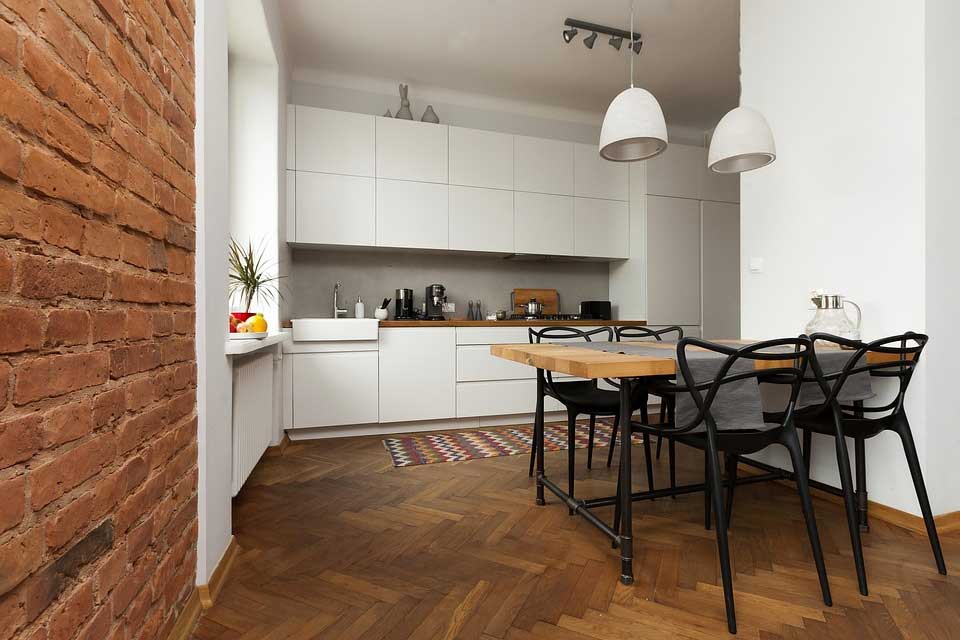
Add distinctive style and appeal to your living space by choosing sustainable home improvement options.
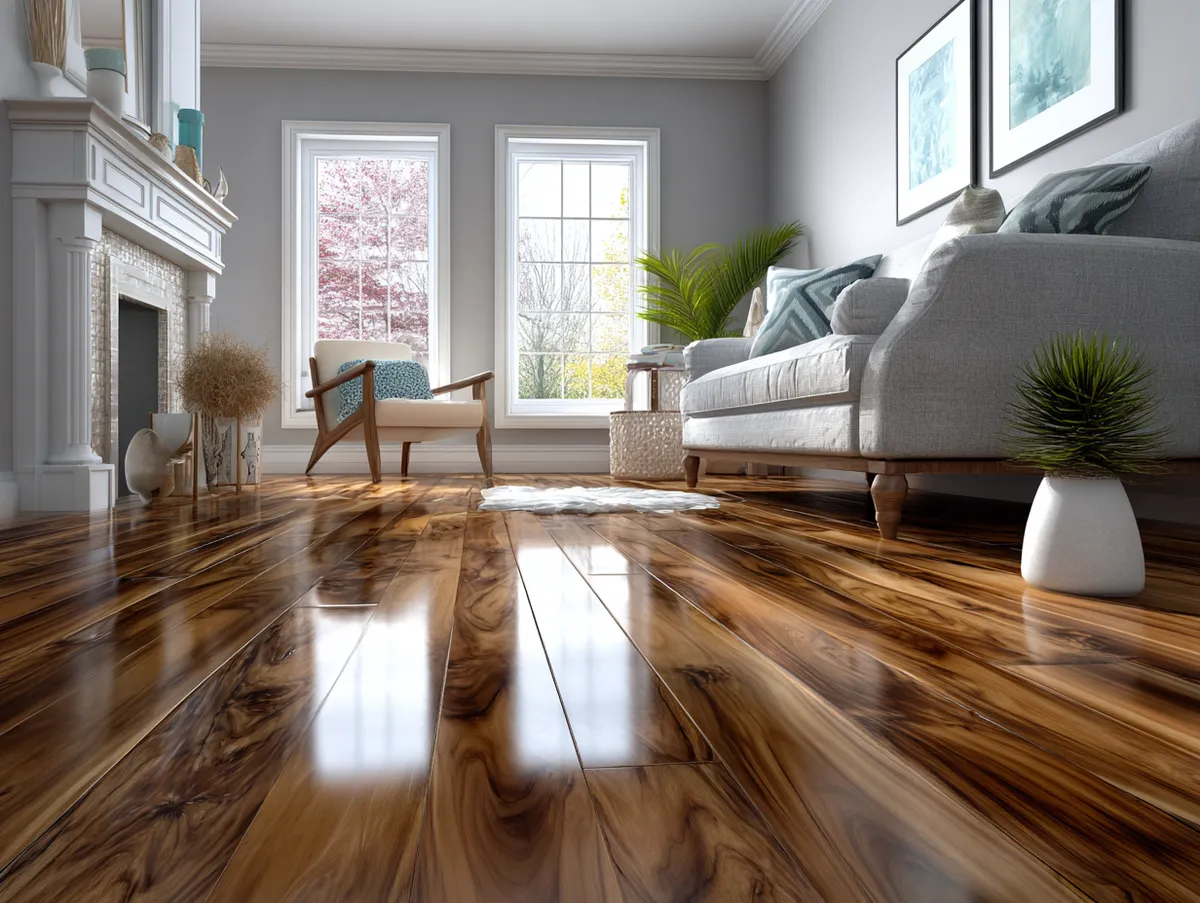
Reclaimed parquet flooring could represent your ideal flooring solution. This classic flooring style has returned to popularity in modern times as homeowners recognize both its distinctive charm and eco-friendly advantages.
Get Ready to Master Parquet
- The Essential Guide to Reclaimed Parquet
- Understanding Installation Methods
- Pro Tips for Perfect Results
- Maintenance Secrets Revealed
Why Choose Reclaimed Parquet?
The UK flooring market is experiencing a remarkable shift towards sustainable materials, with the market expected to reach USD 2.59 billion by 2025 according to recent market analysis. Reclaimed parquet flooring represents the core element of the sustainable revolution demonstrating dedication to environmental preservation and traditional aesthetics.
Selecting elegant reclaimed parquet flooring means you’re purchasing more than just a floor covering because you’re acquiring a historical artifact. The distinctive patina and wear patterns on each block create an inviting atmosphere through their unique stories which new flooring options cannot replicate.
The global reclaimed wood flooring market is set to grow at an impressive CAGR of 5.00% from 2024 to 2031, as noted in industry reports. The market expansion indicates that customers seek sustainable flooring solutions which provide both design appeal and high quality.
Understanding Your Parquet Options
Before diving into installation, it’s crucial to understand the different types of reclaimed parquet available:
- Solid Wood Blocks: The conventional option for parquet flooring which delivers superior strength.
- Engineered Parquet: Engineered Parquet has been designed to work flawlessly with underfloor heating systems.
- Mixed Wood Species: Creating unique pattern variations
- Geometric Designs: Select geometric parquet designs including herringbone and basket weave patterns.
Different parquet varieties have unique characteristics as well as distinct installation needs. Your choice should depend on factors like:
- Subfloor condition
- Room usage
- Desired maintenance level
- Installation method preference
Essential Tools and Materials
The proper installation of parquet depends on selecting the appropriate tools. Here’s what you’ll need:
Basic Tools:
- Tape measure and pencil
- Hammer and chisel
- Utility knife
- Trowel
- Level
- Moisture meter
Power Tools:
- Circular saw
- Jigsaw for intricate cuts
- Sanders (belt and edge)
- Vacuum cleaner
Materials:
- Reclaimed parquet blocks
- Adhesive suitable for wooden flooring
- Primer for subfloor preparation
- Wood filler
- Finishing oil or varnish
Preparation Is Key
Thorough preparation remains essential for successful parquet installation. The preparation stage proves essential yet frequently disregarded by DIY beginners who rush into the project.
First, ensure your subfloor is:
- Completely level
- Clean and debris-free
- Dry (moisture content below 12%)
- Structurally sound
The UK construction industry places significant emphasis on proper flooring installation, with the housing sector making up nearly one-third of the entire construction market according to industry statistics. The necessity of accurate foundational work stands clearly demonstrated by this example.
The Installation Process
Let’s break down the installation into manageable steps:
1. Acclimation Period
- The installation room should hold parquet blocks for a minimum of 48 hours before beginning the flooring installation process.
- Maintain consistent room temperature
- Monitor humidity levels
2. Layout Planning
- Start from the room’s center
- Create a reference line
- Dry-lay several rows to check pattern
- Mark cutting lines for edge pieces
3. Application
- Apply adhesive in small sections
- Place blocks following your pattern
- Use spacers for expansion gaps
- Clean excess adhesive immediately
4. Edge Work
- Measure and cut border pieces carefully
- Install reducers where needed
- Allow adequate drying time
Common Challenges and Solutions
Each installation project presents its specific set of difficulties. Here are some common issues and how to address them:
Uneven Subfloor:
- Use self-leveling compound
- Sand down high spots
- Fill low areas with appropriate filler
Moisture Problems:
- Install appropriate moisture barrier
- Ensure proper ventilation
- Use moisture-resistant adhesive
Pattern Alignment:
- Use laser level for accuracy
- Create reference lines
- Check alignment frequently
Finishing Touches
The finishing stage transforms your installed parquet from good to exceptional:
- Sand the entire floor evenly
- Clean thoroughly between sandings
- Apply chosen finish in thin layers
- Allow proper drying time between coats
Essential Maintenance Tips
To protect your investment and ensure longevity:
- Clean spills immediately
- Use appropriate cleaning products
- Maintain consistent indoor climate
- Reapply finish when signs of wear appear
Advanced Installation Techniques
Those aiming to produce original patterns should explore advanced installation techniques used by professionals to craft stunning floors.
Mixing Wood Species: The art of contrasting different wood species requires skillful understanding of their natural interactions. The key is understanding how different woods interact:
- Oak and walnut create classic high-contrast combinations
- Maple and cherry woods provide gentle differences but preserve their warm characteristics.
- Focal points in wood installations can be produced by using exotic woods as accent pieces.
- Evaluate how different wood species change and weather throughout their lifespan.
Wood variety creates unique beauty when different species are mixed together. The hardness levels of woods must be considered when combining different species. Softwood species positioned alongside hard wood types tend to exhibit uneven wear as time progresses.
Custom Borders: Professional installers select borders to both delineate spaces and elevate room sophistication.
- Create double-width borders for grand entrances
- Place feature strips between divergent patterns as a method to smoothen the transition areas.
- Medallions can serve as the center of attention in expansive rooms.
- Use curved design elements in edge sections to enhance visual appeal.
When designing borders, consider the room’s architecture. The design of borders needs to enhance existing architectural elements such as fireplaces and built-in cabinetry. Your border width needs to match room dimensions and should be about 1/12th to 1/10th of the room’s width.
Pattern Variations: Parquet’s flexible design options enable the creation of an infinite range of patterns.
- Alternate traditional herringbone directions to create zones
- Basket weave patterns layered together add visual depth and intrigue to flooring designs.
- Implement double herringbone patterns in larger spaces
- Create specialized geometric arrangements that mirror architectural design features.
When working with complex patterns always remember to add 15-20% extra material as intricate designs need more material to compensate for cuts and waste.
Advanced Geometric Designs: Building advanced geometric designs in parquet flooring necessitates a solid grasp of geometric principles.
- Develop patterns that repeat and extend naturally across the designated area
- Use contrasting woods to highlight geometric shapes
- Incorporate traditional patterns like Versailles or Chantilly
- Design custom medallions for unique focal points
The execution of these advanced techniques depends on exact cutting and precise placement of materials. Before installation ensure complex patterns are completely planned with detailed drawings and dry-laid out.
Troubleshooting Guide
Professionals working with parquet floors still face installation challenges. Solving installation problems allows installers to complete projects swiftly while maintaining professional standards.
Gaps Between Blocks: The most frequent problem installers face involves gaps forming between blocks. This typically occurs due to moisture-related movement or improper installation:
The moisture content in wood should remain between 6-8% before and during installation to ensure stability.
- Ensure 100% adhesive coverage on block undersides
- Replace any warped or damaged blocks immediately
- Use consistent spacing with appropriate gauged spacers
- Provide enough time for the blocks to acclimate properly to the installation environment.
To avoid gaps one must know wood is hygroscopic and reacts to moisture changes. Considering wood’s natural movement during installation will help avoid future problems.
Uneven Surface After Installation: A surface that is not level will detract from the professional appearance of your beautiful parquet flooring.
Use a belt sander at a 45-degree angle relative to the wood grain to smooth out high spots. Select wood filler that matches the species to fill low areas. Sand the surface multiple times using progressively finer grit sandpaper. Verify that all blocks are securely fastened prior to starting finishing work Identify uneven areas by placing a straight edge across the surface.
Professionals advise a minimum 48-hour curing period post-installation before starting sanding to ensure adhesives set completely.
Color Variations: Natural color variations in wood have the potential to both improve and diminish your design aesthetic.
Organize blocks according to their color variation before starting the installation process Develop a layout that distributes color variations evenly across the design. Apply suitable stains to equalize extreme color differences. Assess the impact of natural aging processes on different wood species.
Wood shows natural color changes as it ages due to exposure to UV light. Your pattern design must factor in how time will alter its appearance due to natural changes.
Time to Transform Your Space
Reclaimed parquet flooring installation represents both a commitment to sustainable living practices and an investment in enduring style. A professional finish that stands the test of time emerges from thorough preparation alongside meticulous attention to detail and persistent patience.
Installation of reclaimed parquet flooring may intimidate you at first but the finished look will prove every meticulous measure worthwhile. By carefully following these guidelines and taking your time you will soon experience the distinct character and warmth reclaimed parquet flooring brings into your space.
Looking Ahead
Reclaimed parquet flooring gains popularity because more people become aware of sustainable living methods. Market research predicts a steady 4.3% CAGR for the UK Reclaimed Wood Flooring market between 2024 and 2031 showing this traditional flooring choice is now a sustainable trend.