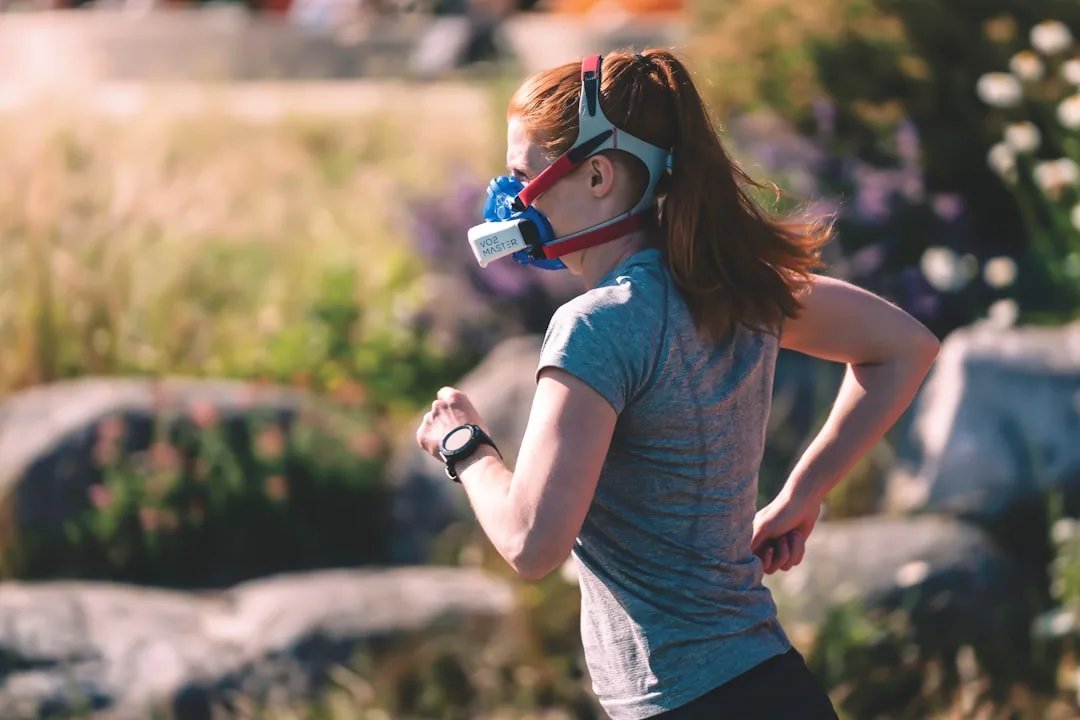
VO2 max training has moved from elite sports labs into mainstream fitness culture faster than any conditioning method in the last decade. This August, the trend is rooted in one hard truth: the body’s ability to absorb, transport, and utilize oxygen is the single strongest predictor of cardiovascular health and longevity. VO2 max training directly addresses this metric through structured high-intensity intervals that force the aerobic system to adapt.
Why VO2 Max Became the Metric That Matters
In 2025–2026, research from the American Heart Association confirmed that peak oxygen uptake correlates more reliably with mortality reduction than BMI, resting heart rate, or traditional fitness labels. Athletes with higher VO2 max values show measurably lower rates of cardiovascular disease, stroke, and early mortality across all age groups.
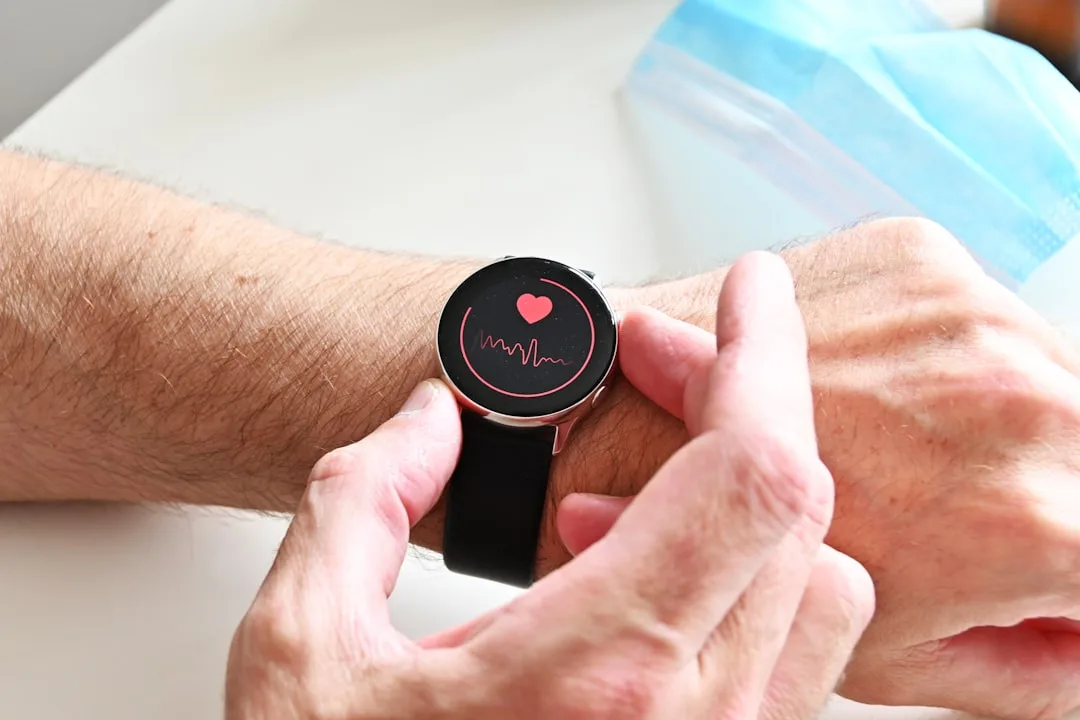
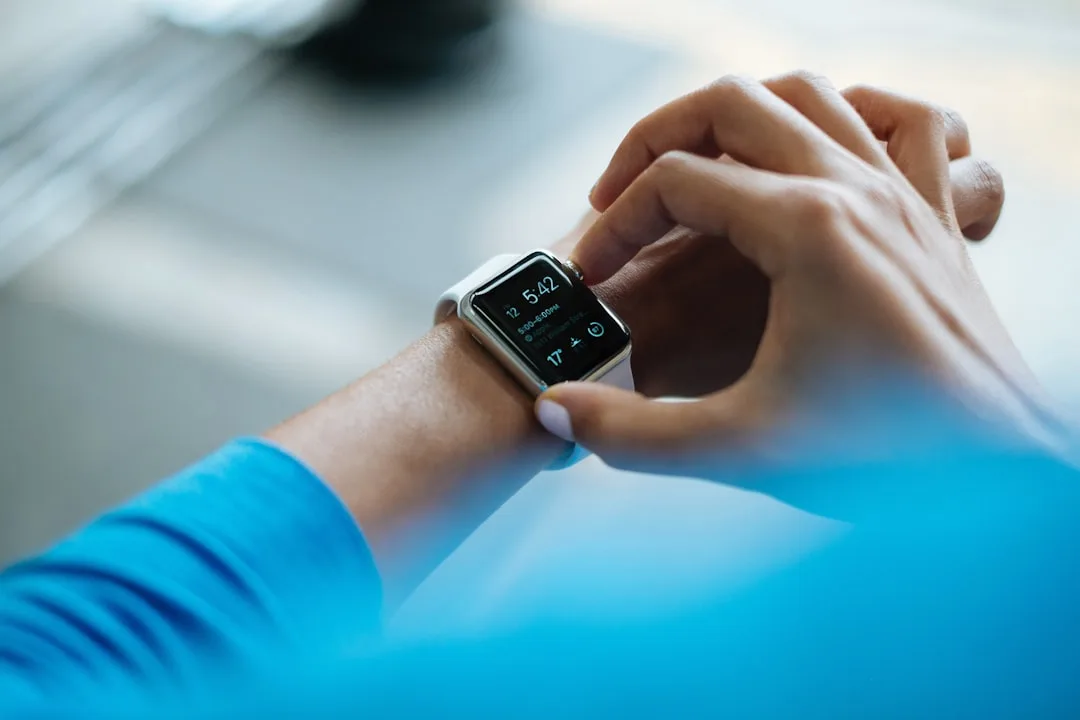
Garmin and Apple Watch both released VO2 max estimation features in 2024, making real-time measurement accessible to mainstream users. This visibility shifted the conversation from “How many miles did you run?” to “What’s your oxygen ceiling?” This single feature update normalized performance metrics in ways that gym selfies never could.
The trend exploded because it democratizes performance: you don’t need expensive equipment, a specific body type, or years of training history to improve your VO2 max. You need intelligent intervals and consistency.
Quick Tips
- Perform one VO2 max session weekly, not daily—overuse kills adaptation and increases injury risk
- Target 90–95 percent maximum heart rate during work intervals; drop to 60–70 percent during recovery
- Use wearable technology fitness shifts from tracking to real-time programming to monitor heart rate variability and adjust intensity on the fly
- Start with 6–8 minute total workout volume, then extend to 20–30 minutes as adaptation improves
- Pair VO2 work with 2–3 days of low-intensity cardio to build aerobic base without burnout
VO2 Max Training Protocol Structure and Adaptation Timeline
The standard VO2 max interval format uses 3–5 minute work bouts at 90–95 percent of maximum heart rate, separated by equal or slightly longer recovery periods. Peloton, Zwift, and Strava all launched dedicated VO2 max training programs in early 2026, each with slightly different interval ratios but identical physiological targets.
The body adapts in two phases. The first 3–4 weeks show neural improvements: your nervous system learns to recruit more muscle fibers efficiently, and you’ll feel the work becoming slightly easier at the same intensity. Real performance gains—increased mitochondrial density and improved oxygen extraction—arrive in weeks 5–8.
| Training Phase | Weekly Frequency | Expected VO2 Max Gain |
|---|---|---|
| Weeks 1–4 (Neural Adaptation) | 1 session per week | 2–4 percent |
| Weeks 5–12 (Metabolic Adaptation) | 1–2 sessions per week | 5–10 percent |
| Weeks 13+ (Maintenance Phase) | 1 session per week | Sustained gains plateau |
| Concurrent Zone 2 Cardio | 2–3 sessions per week | Supports aerobic base |
The Common Mistake: Confusing VO2 Max Work With Anaerobic Sprinting
The biggest failure point happens when people treat VO2 max intervals like all-out sprints. They push to maximum perceived effort, gas out by minute two, and call the session ruined. This is not VO2 max work—it’s anaerobic glycolytic training, a completely different metabolic pathway that builds different capacities.
True VO2 max work requires sustained effort at 90–95 percent of max heart rate, not 100 percent. The intensity feels hard but sustainable for 3–5 minutes straight. If you can’t speak in short phrases but can breathe rhythmically, you’re in the zone. If you’re gasping and seeing black spots after 90 seconds, you’ve missed the target entirely.
A runner in Chicago who switched from “maximum effort sprints” to structured VO2 intervals reported that her pace improved by 45 seconds per mile in 10 weeks—more than she’d gained in two years of harder, unsustainable work. Specificity wins.
Equipment and Technology That Enables VO2 Max Training
Polar sports watches pioneered accurate VO2 max estimation for runners, offering data points that feed into adaptive training algorithms. WHOOP bands track heart rate variability during recovery, showing users when they’re ready to push hard again—critical information that prevents overtraining.
Bike-based platforms like Peloton and Wahoo Kickr integrate power output with heart rate zones, allowing athletes to hit exact intensity targets rather than guessing based on feel. The Concept2 rowing machine measures splits and power with the precision needed to sustain true VO2 intervals.
None of this requires expensive equipment. A basic chest strap heart rate monitor paired with free apps like Strava or MapMyRun gives you all the data you need to run VO2 max intervals outdoors. The cost matters less than the consistency.
Who Benefits Most and Why Age and Starting Point Don’t Matter
VO2 max training works across every age and fitness level, though the adaptation timeline shifts slightly. A 55-year-old starting from a sedentary baseline will see larger percentage gains (10–15 percent) than a trained 25-year-old (3–7 percent), because there’s more room for neural and metabolic improvement.
The method also works for injury prevention and longevity beyond pure performance. Studies show that maintaining VO2 max as you age directly correlates with preserved cognitive function, bone density, and independence in later decades. Japanese walking transforms fitness with interval training gaining 2986 percent interest, and VO2 max intervals represent the high-intensity equivalent of that philosophy—sustainable, repeatable, and backed by measurable health outcomes.
The 2026 fitness environment favors people who chase metrics over aesthetics. VO2 max training delivers both.
Tools to Put Your VO2 Max Training Into Practice
The resources below help you set your heart rate targets, interpret your fitness score, and gauge workout intensity without specialized equipment — useful from your first interval session onward.
How do I find the exact heart rate range I should hit during VO2 max intervals?
My wearable shows a VO2 max number — is it actually good for my age?
What if I don’t have a heart rate monitor — how do I know I’m working at the right intensity?