By October 2026, the fitness world has shifted decisively away from the relentless intensity trap that burned out millions. Aerobic base building without burnout is now the dominant framework for athletes serious about longevity, replacing the myth that harder always equals better. The science is unambiguous: steady low-intensity work builds a stronger aerobic foundation than constant high-intensity intervals, and does so while preserving joint health and mental resilience.
Why low-intensity aerobic work outperforms high-intensity volume
Norwegian endurance researcher Bjørn Tønnessen documented that elite distance runners spend roughly 80% of training time in Zone 1 and Zone 2—the low-intensity zones where heart rate sits between 120 and 150 bpm for most athletes. This counterintuitive distribution produces superior VO₂ max gains without the hormonal stress of constant threshold work.
The mechanism is mitochondrial adaptation. Low-intensity aerobic work triggers the growth of mitochondria in slow-twitch muscle fibers, expanding your aerobic capacity at the cellular level. This happens in the absence of the cortisol spikes that accompany high-intensity intervals, meaning your nervous system recovers faster and injury risk plummets.
Most athletes make the opposite choice and fail catastrophically. They perform one high-intensity session per week, then do another two days later, believing back-to-back intensity drives results. The outcome: burnout, elevated resting heart rate, recurring tendinitis, and abandoned training plans by week six.
Quick Tips
- Build aerobic base first: spend 8-12 weeks at conversational pace before adding intervals
- Use the talk test: if you cannot speak in full sentences, you are too fast for base building
- Track resting heart rate daily: it should drop 3-5 bpm over 6 weeks as your aerobic system strengthens
- Run or cycle 3-4 times per week at Zone 2 pace for maximum adaptations with minimal fatigue

Aerobic base building without burnout reshapes training structure
Garmin, the sports watch manufacturer, now defaults new user training plans to a 70/20/10 split: 70% low-intensity, 20% threshold work, and 10% high-intensity intervals. This inversion from the previous decade’s programming reflects the data.
The structural shift works like this: a runner or cyclist commits to four sessions per week for twelve weeks. Three sessions happen at Zone 2 intensity—roughly 60-70% of max heart rate—with duration between 45 and 90 minutes depending on the athlete’s goal. One session per week introduces a threshold or interval block, performed only after the aerobic base is established.
Zone 2 training as the cornerstone of aerobic development
Zone 2 represents the metabolic sweet spot where athletes build aerobic capacity without triggering excessive fatigue or requiring days of recovery. This intensity—maintained at approximately 60-70% of maximum heart rate—allows for continuous conversation during the effort, making it sustainable for 45 to 90 minutes at a time.
The mechanism works through mitochondrial adaptation. Extended time in Zone 2 increases the density and efficiency of mitochondria within muscle cells, enabling better oxygen utilization and fat metabolism. Unlike high-intensity work that depletes glycogen stores rapidly, Zone 2 sessions tap into aerobic pathways that can sustain effort for extended periods without the inflammatory response that drives overtraining.
Athletes following this structure typically complete three Zone 2 sessions weekly, spaced with at least one rest day between efforts. A runner might perform a 60-minute easy run on Monday, a 45-minute cycling session on Wednesday, and a 75-minute long run on Saturday. This consistency builds the aerobic foundation that makes threshold and interval work actually effective when it arrives later in the training cycle.

Wearable technology transforms training precision and accountability
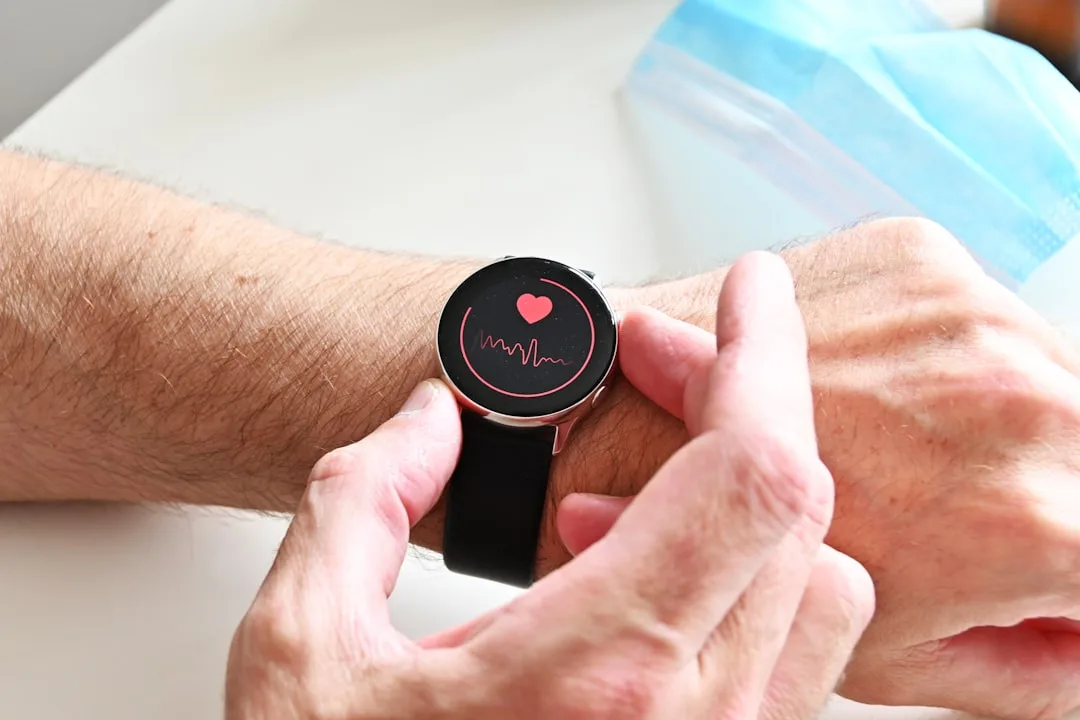
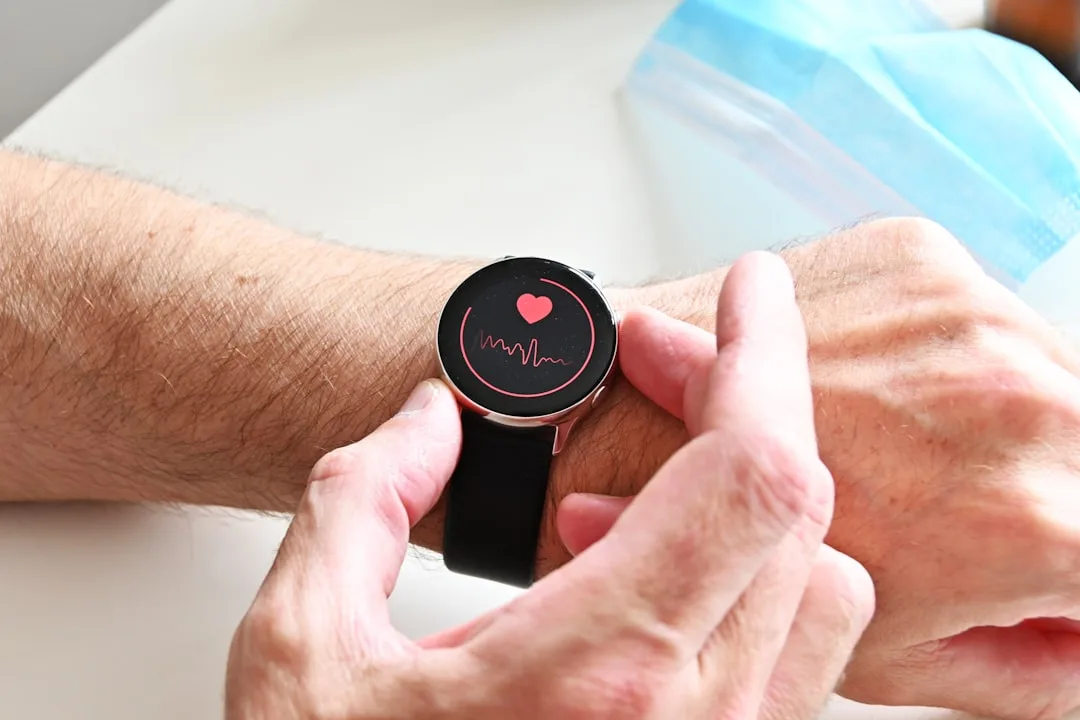
Real-time heart rate monitoring through smartwatches and fitness trackers has eliminated the guesswork from intensity selection. Wearable Technology Fitness Shifts From Tracking to Real-Time Programming by providing immediate biofeedback, allowing athletes to dial in exact intensity zones without relying on perceived exertion alone.
Modern training apps sync with wearable devices to create closed-loop training systems. An athlete receives a training session—say, 60 minutes in Zone 2—and the app alerts them when they drift above or below the target intensity band. If they accelerate too much, the watch vibrates or displays a warning. If they fall below the zone, they receive a gentle nudge to increase pace. This removes the cognitive load of self-regulation.
Data accumulation across weeks reveals patterns invisible in single sessions. Athletes can see their average heart rate decline for the same effort over time, signaling improved fitness. They track recovery metrics, sleep quality, and stress levels alongside training data, creating a holistic picture of readiness that informs whether a planned session should proceed or shift to recovery.
Walking intervals bridge fitness gaps for varied populations
Not all athletes can or prefer to run. Walking-based interval training has emerged as a legitimate pathway to aerobic adaptation, particularly for older adults, those managing joint issues, or individuals returning from injury. Japanese walking transforms fitness with interval training gaining 2986 percent interest, demonstrating that brisk walking at variable intensities delivers measurable cardiovascular benefits without the impact stress of running.
A typical walking interval session alternates between steady-paced walking at Zone 2 effort and brief bursts of brisk walking approaching threshold intensity. Fifteen minutes at moderate pace followed by two minutes of faster walking, repeated four to six times, creates a training stimulus that elevates aerobic capacity while remaining accessible to broader populations. Heart rate monitoring ensures intensity targets are met, regardless of the activity chosen.
This inclusivity reframes what training can look like. Someone managing arthritis participates in the same 70/20/10 structure as a competitive runner, simply through different movement modalities. The physiological adaptation remains consistent—improved aerobic power, better fat oxidation, and enhanced recovery capacity—making the approach universally applicable.