
Hyrox training is pulling runners away from the treadmill and into the weight room, and the reason is simple. A race that alternates running with heavy, awkward work exposes weaknesses that a marathon plan never touches. Coaches who once dismissed upper-body work now schedule it on purpose.
Why Runners Keep Signing Up for Sled Pushes
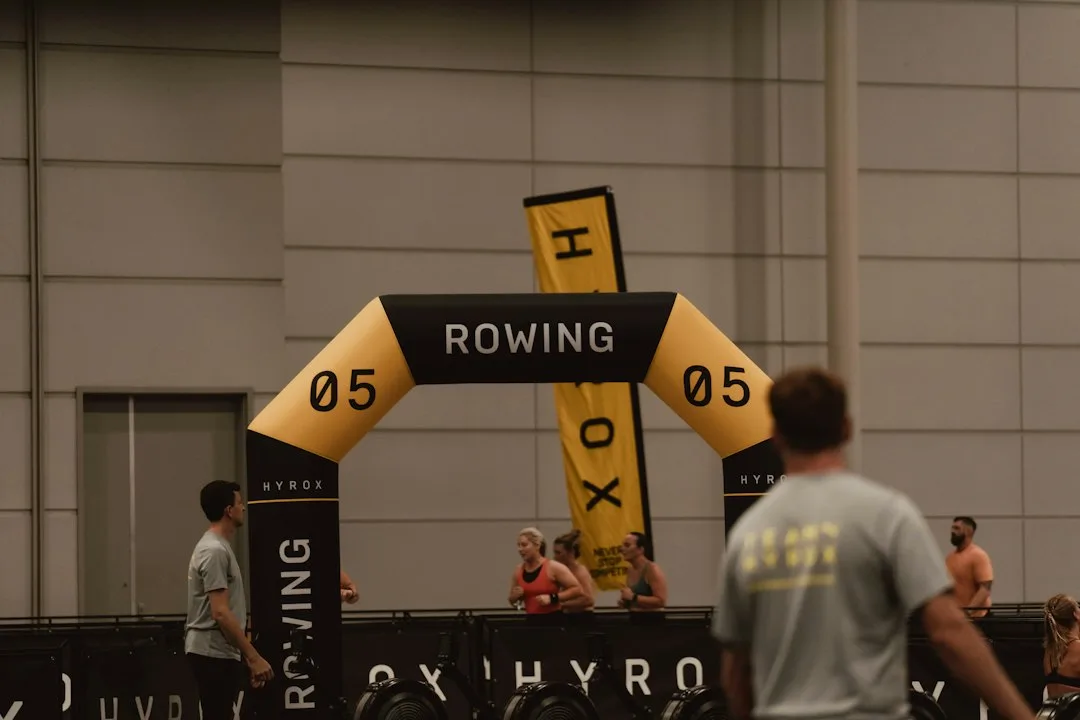
Hyrox is a standardized race format built around eight 1 km runs. Each run is followed by one fixed station, including SkiErg, sled push, sled pull, burpee broad jumps, rowing, farmers carry, sandbag lunges, and wall balls. Because every event uses the same course, you can compare results from one season to the next.
The appeal is that nothing on the course is optional. You cannot coast through the sled and hope your legs recover, because the next kilometer starts right away. That pressure is why marathon runners often finish strong on the road but struggle with their grip.
Quick Tips
- Run your easy kilometers at conversation pace so the stations stay fresh.
- Practice each station at least once a week, even for ten minutes.
- Use a watch with heart rate zones to keep the first run from spiking too high.
- Rest a day between heavy sled sessions and hard running intervals.

Which Stations Train What
Concept2 SkiErg and rowing machines show up at most Hyrox events, which makes them a practical place to start. Each station asks for a different kind of fitness, and knowing the demand helps you schedule training. Here is how the main stations break down.
| Station | Main Demand | Where Runners Lose Time |
|---|---|---|
| SkiErg | Upper-back endurance | Pulling too hard in the first minute |
| Sled push | Leg drive and core bracing | Rushing the first 10 metres |
| Wall balls | Shoulder and squat endurance | Breaking into long sets too early |
| Farmers carry | Grip and posture under load | Letting the torso collapse |
Notice the pattern in the right column. Most lost time comes from early overexertion, not from weakness. Practice the pacing as much as the movement.
What Hyrox training Actually Builds
Running builds the aerobic base, but the stations build strength endurance, which is a different skill. A sled push at a steady, controlled effort teaches your legs to produce force while your heart rate stays high. That combination is the reason hybrid training works.
Coaches often program two running sessions and two strength sessions each week. Keep the strength work heavy enough to challenge you, but light enough that your running stays crisp. Short runs after strength work train your legs to move when tired.
If you enjoy structured work and rest blocks, the rhythm in our Japanese walking interval piece follows a similar logic. Short, hard efforts followed by easy recovery build capacity without flattening you. Apply the same idea to your sled sessions.
The Mistake That Costs Runners the Race
The most common error is treating the first kilometer like a time trial. Picture a runner who finished a half marathon last spring and signed up for a Hyrox event eight weeks later. She runs the opening kilometer at race pace, reaches the sled with empty legs, and spends the rest of the event walking through wall balls.
Her problem was not fitness on the road. She skipped station practice entirely and never learned how her heart rate responds to heavy work. The fix is to run the first kilometer at a pace you could hold for twenty minutes, then build from there.
Use your first two events as data, not as a verdict. Note where your pace dropped and which station felt worst. Those notes will tell you what to train next.
Tracking Load Without Guessing
A watch with heart rate zones, such as models from Garmin or Polar, helps you keep easy runs easy. Without that feedback, most athletes drift into a middle zone where every session feels moderate and recovery suffers. Targeting specific zones is the simplest fix.
Wearables are getting better at adjusting plans during the week. Our piece on wearable technology that shifts fitness from tracking to real-time programming explains how that feedback loop works. Use it to check whether a hard session really was hard.
Keep one simple log. Write down the sled weight, the rounds completed, and how you felt the next morning. Patterns show up faster than you expect.
Building a Week You Can Keep
A sustainable plan has fewer sessions than most people expect. Try two running workouts, one station session, and one strength day. Add a full simulation every three or four weeks once the basics feel steady.
Protect at least one full rest day. Hyrox sessions create fatigue that does not show up until the next morning. Sleep and food matter here more than extra reps.
Start small this month. Pick one station you dread and practice it twice. That single change tends to matter more than any new program.