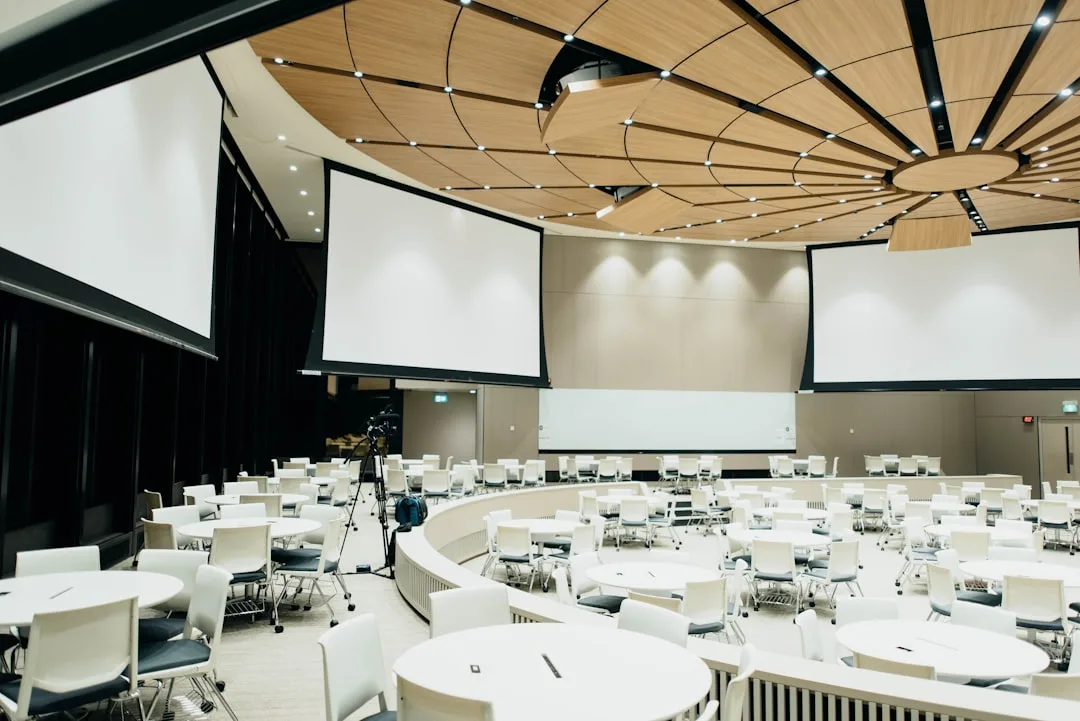
When Sarah Chen’s family reunion drew members from Tokyo, Toronto, and Tampa this summer, she faced a costly choice: rent a venue large enough for 150 in-person guests, or ask distant relatives to skip the celebration entirely. She chose neither. Instead, she booked a hybrid celebration venue equipped with 4K streaming, ambient sound capture, and interactive video walls that transformed remote attendees into visible, participating guests. Hybrid celebration venues have stopped being a pandemic-era workaround—they’re now the operational standard for events in 2026.
Why Hybrid Celebration Venues Replace Distance Barriers
Marriott Marquis’ New York location introduced dedicated hybrid event packages in early 2026, enabling simultaneous in-person dinners and virtual attendance through their proprietary platform. The difference from standard video conferencing is architectural: the venue configures sight lines, camera angles, and audio systems so remote attendees experience the celebration as active participants, not passive observers.
Physical guests see remote attendees on high-resolution screens positioned naturally within sight lines. Remote guests interact through real-time polling, live Q&A, and shared digital experiences synced to the room’s energy. This removes the guilt of missing key moments.
According to venue booking data from Q2 2026, hybrid-capable event spaces now account for 58% of new venue contracts in metro areas—a shift driven by planners who refuse to choose between guest participation and geographical inclusion.
Quick Tips
- Confirm venue has redundant internet (dual fiber or 5G backup) before booking—dropped connections kill momentum
- Position video screens at natural eye level; floor-mounted displays create awkward neck angles for in-person guests
- Test audio isolation: remote attendees should hear the room without overwhelming microphone feedback
- Hire a hybrid moderator to cue remote speakers, manage timing, and keep energy balanced between spaces
Technology Infrastructure That Makes Hybrid Celebration Venues Work
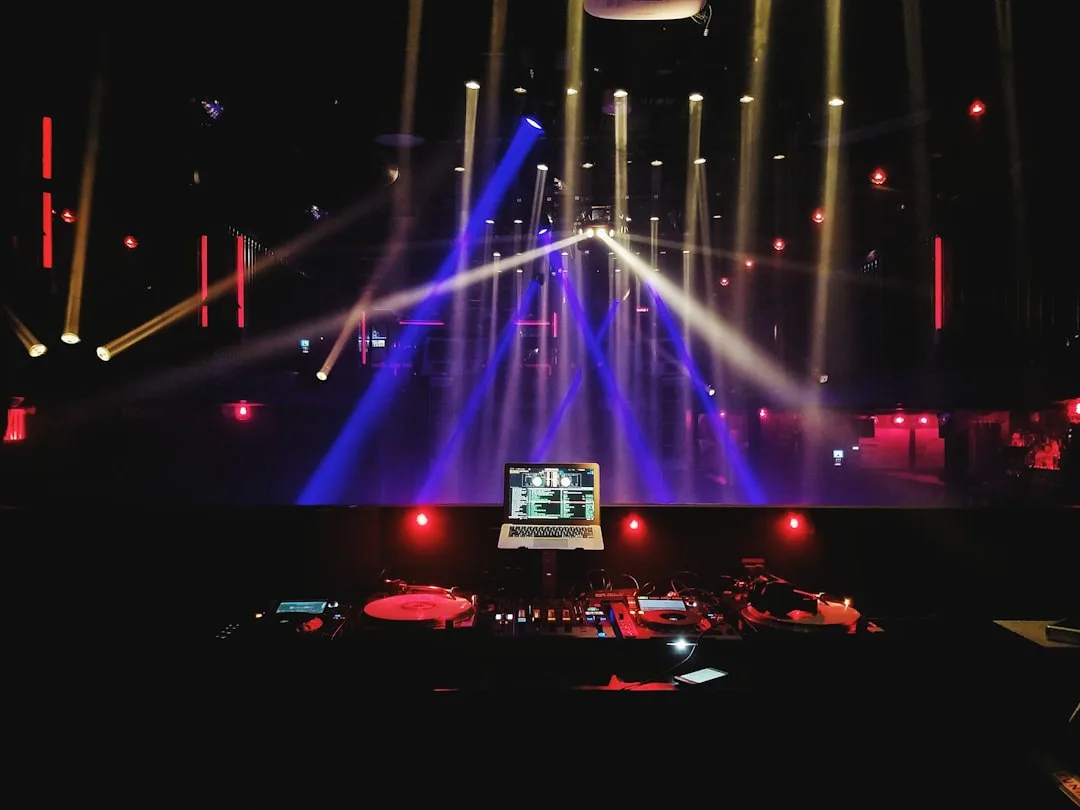
The technical backbone determines whether a hybrid celebration venue feels natural or fractured. Venues like the InterContinental Boston invested in purpose-built control rooms with professional AV technicians, not IT staff doubling as event managers.
Professional hybrid setups include 4K PTZ (pan-tilt-zoom) cameras that track speakers automatically, multi-channel audio mixing that isolates voice from ambient sound, and low-latency video streaming (under 200ms delay). This eliminates the robotic, delayed interactions that plagued early hybrid events.
| Venue Setup Type | Guest Experience | Best For |
|---|---|---|
| Integrated (screens built into walls, spatial audio) | Remote guests feel present; in-person guests maintain focus | High-stakes corporate events, milestone celebrations |
| Split-room (separate spaces with video bridge) | Two distinct experiences with limited real-time interaction | Budget-conscious gatherings, informal team events |
| Mobile cart (projector + audio on wheeled stand) | Flexible but vulnerable to poor sightlines and echo | Small office parties, rotating departments |
| Full-service production (crew, multiple cameras, graphics) | Broadcast-quality presentation; remote guests feel valued | Product launches, annual celebrations, investor events |
The Cost-Benefit Equation: What Hybrid Celebration Venues Actually Save
Booking a hybrid celebration venue typically adds $1,500–$4,000 to a base event budget, depending on AV infrastructure and technical support required. This replaces the hidden cost of venue cancellations, shortened guest lists, and attendees who decline due to travel logistics.
A corporate celebration for 200 attendees split 60/40 between in-person and remote guests saves approximately $8,000–$12,000 in travel reimbursements compared to flying everyone to a single location. Venues like the Hilton Chicago offer hybrid packages that bundle AV costs directly into room rental, eliminating surprise tech fees.
More importantly, hybrid celebration venues eliminate the need to choose smaller venues or shorter durations to fit budgets. Event coordinators report booking 20% larger spaces because remote attendance removes capacity pressure on the physical room.
The Common Mistake: Treating Remote Guests as an Afterthought
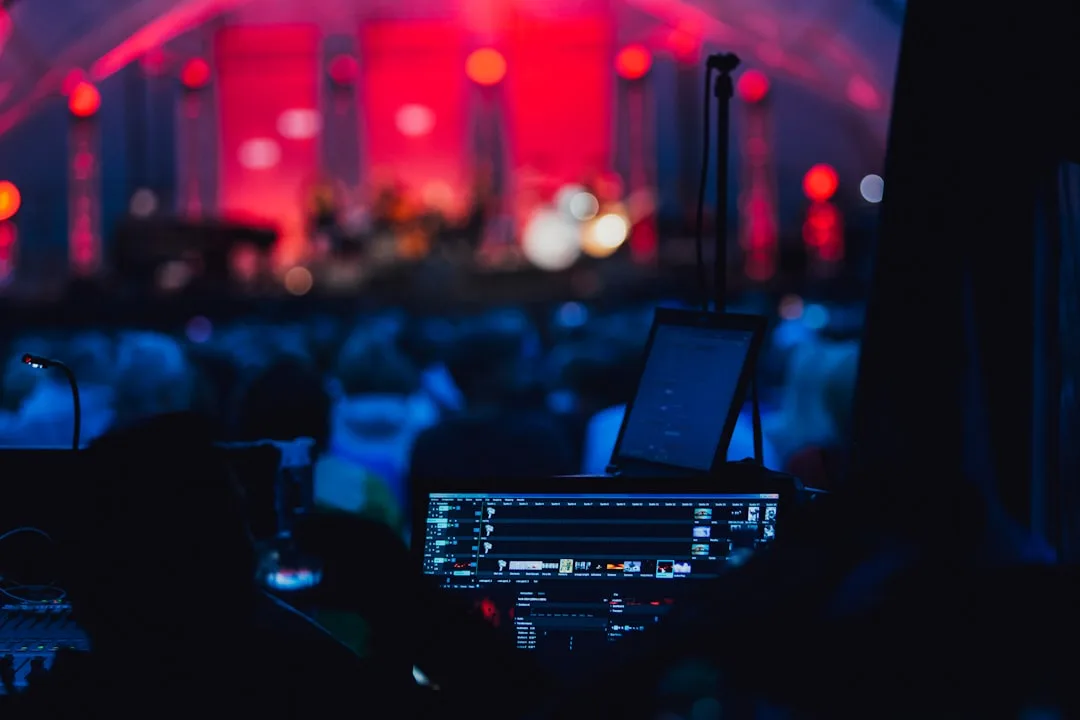
The #1 failure in hybrid celebration venues occurs when planners install video screens as an accessibility bandage rather than a design centerpiece. Remote attendees then experience pixelated feeds, unintelligible audio from phone speakers held against the venue speaker, and no way to participate in toasts or group moments.
A financial services firm in Chicago held a Q3 celebration for 300 people this year: 180 in the downtown ballroom, 120 joining virtually. The planner mounted a single 55-inch display in the back corner and ran audio through the venue’s standard speaker system. Remote guests reported feeling like they were watching surveillance footage, not attending a celebration. The venue’s hybrid package would have cost $2,800 additional; the firm saved nothing, but eroded employee engagement.
Proper hybrid celebration venues position screens at primary sight lines, use directional microphones to capture speaker voice cleanly, and allocate 25–30% of planning time to the remote experience. This transforms remote participation from accommodation to genuine presence.
How Corporate Team Building Events leverage hybrid formats for retention
Companies with distributed teams now view hybrid celebration venues as employee retention infrastructure. Salesforce’s internal summer gatherings have gone fully hybrid since early 2026, allowing remote workers in Portland, Austin, and Phoenix to celebrate alongside in-office staff in San Francisco.
The strategic shift removes the sting of remote work: employees no longer miss celebration moments because of geography. According to internal feedback from three major tech companies, hybrid celebration venue attendance increased remote employee engagement scores by 34% compared to single-location events.