Walk into a modern wedding reception in fall 2026 and you’ll hear something different: a soundtrack that sounds less like a professional’s rigid roadmap and more like a room’s actual collective energy. Wedding guest playlists are no longer a supplementary idea—they’re becoming the primary driver of ceremony and reception music, shifting control from a single voice to a crowdsourced model that feels more democratic, more personal, and increasingly more memorable.
This isn’t a gimmick. It’s a fundamental reshaping of how couples think about their day’s audio identity.
Why Spotify and Apple Music Integration Changed Guest Expectations
Streaming platforms made collaborative playlists frictionless. Spotify’s group session feature and Apple Music’s shared playlist functionality mean guests no longer need a USB drive, a printed request card, or a conversation with the DJ. They scan a QR code, tap a few buttons, and their song lives in the playlist within seconds.
Couples report that 60–75% of invited guests actually engage when the barrier to entry is this low. Traditional request cards? Maybe 15–20% completion. The math is undeniable, and venues and sound professionals have noticed.
Spotify’s wedding-specific playlists (curated collections organized by mood and decade) now include a feature allowing couples to merge their personal selection with guest contributions in real time. This removes the all-or-nothing gamble of a purely open playlist.
Quick Tips
Why Guest Playlists Transform Your Reception Vibe
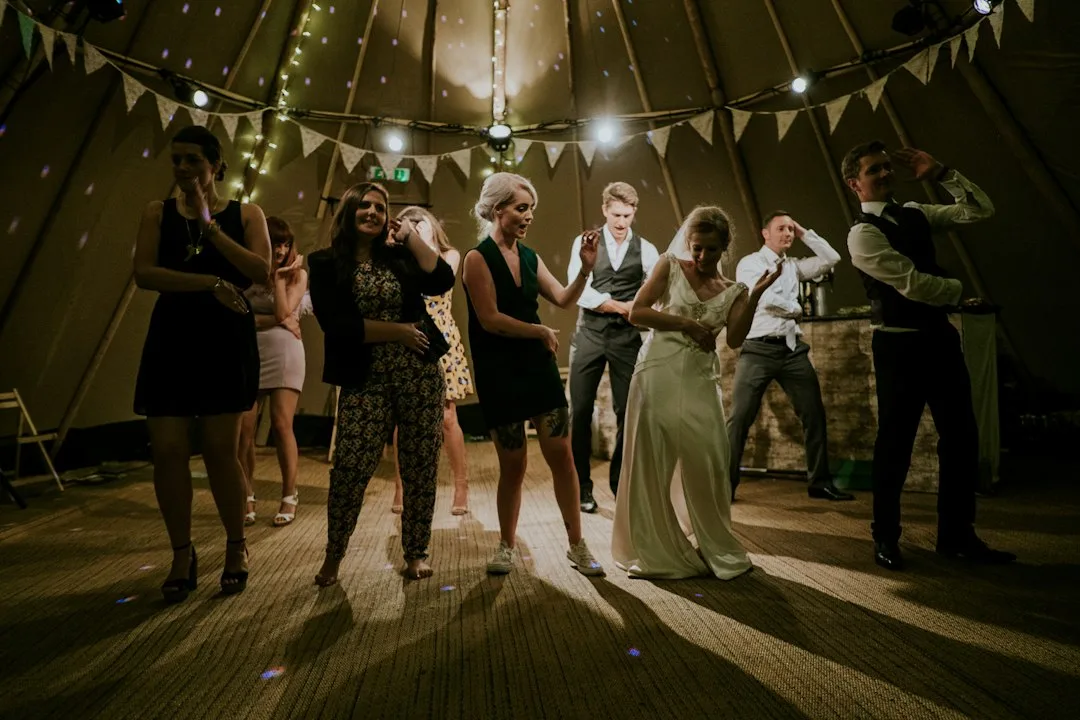
A curated guest playlist shifts the energy of your reception from “formal background music” to “everyone’s involved in the celebration.” When guests know their song requests matter, they feel personally connected to the day’s soundtrack. This sense of ownership creates a more relaxed, joyful atmosphere than a pre-selected DJ set alone.
The beauty of collaborative playlists lies in their unpredictability within structure. Your grandmother’s favorite ’70s track might inspire an unexpected dance circle. A friend’s hidden gem could become the anthem people reference for years. These organic moments—when the room suddenly erupts because someone’s perfect song just dropped—are the details that make weddings memorable and deeply personal to your guest list.
Setting Up Your Playlist Platform and Tools
Spotify, Apple Music, and YouTube Music all support collaborative or shared playlists with adjustable permissions. Spotify’s collaborative feature is most popular for weddings because it allows real-time additions, shows contributor names, and lets you pin essential songs to the top. Create a simple instructions graphic (QR code linking to the playlist, plus written steps) and share it during your save-the-dates or invitations.
Once guests start adding songs, your role shifts to light curation rather than complete control. Remove obvious duplicates (keep one version if three guests submit the same track), flag any off-brand submissions, and organize by vibe if your platform allows it. Spotify playlists can reach 10+ hours of content, so length isn’t a concern—your DJ will select from the full library based on the moment and energy they’re reading in the room.
Balancing Ceremony, Cocktail, and Dance Music Styles
Many couples make one master playlist, but separating your event into distinct sections yields better results. Create three distinct lists: one for your processional and ceremony (classical, soft acoustic, or instrumental), one for cocktail hour and dinner (jazzy, upbeat but conversational), and one for dancing (everything goes). Label each playlist clearly and communicate which applies when so guests don’t submit heavy metal for the ceremony or a solemn ballad for the dance floor.
The cocktail playlist is where guests often struggle most—they want to share favorites but may not know what fits a pre-dancing vibe. Your instructions should give examples: “Think summer road trip songs, 2000s indie hits, and feel-good classics—nothing too heavy, nothing super slow.” This guidance prevents awkward mismatches while still welcoming personal touches. When you pair this collaborative approach with cohesive decor—whether that’s boho wedding decor trends or elegant minimalist party decorations—the whole event feels intentional and harmonious.
Communicating Playlist Expectations to Your DJ
Before launch day, schedule a conversation with your DJ or sound engineer about how you’ll use the guest playlist. Share the link, explain your vibe, and clarify their role: Are they mixing guest submissions into their own set? Will they play the entire playlist or curate from it? Do they have veto power on songs that don’t fit? Most professional DJs welcome collaborative playlists because it reduces planning pressure and keeps guests engaged, but their expectations matter for smooth execution.
Provide your DJ with a final playlist link no later than one week before the wedding. This gives them time to listen, sequence songs if needed, and prepare transitions. If guests are still adding songs the day-of, expect your DJ to work with whatever’s on the list at game time—so reminding people of the cutoff date a few days out matters. A quick text or email reminder saying “Playlist closes Friday at 5 PM—add your song now!” prevents last-minute submissions and keeps your DJ confident and ready.