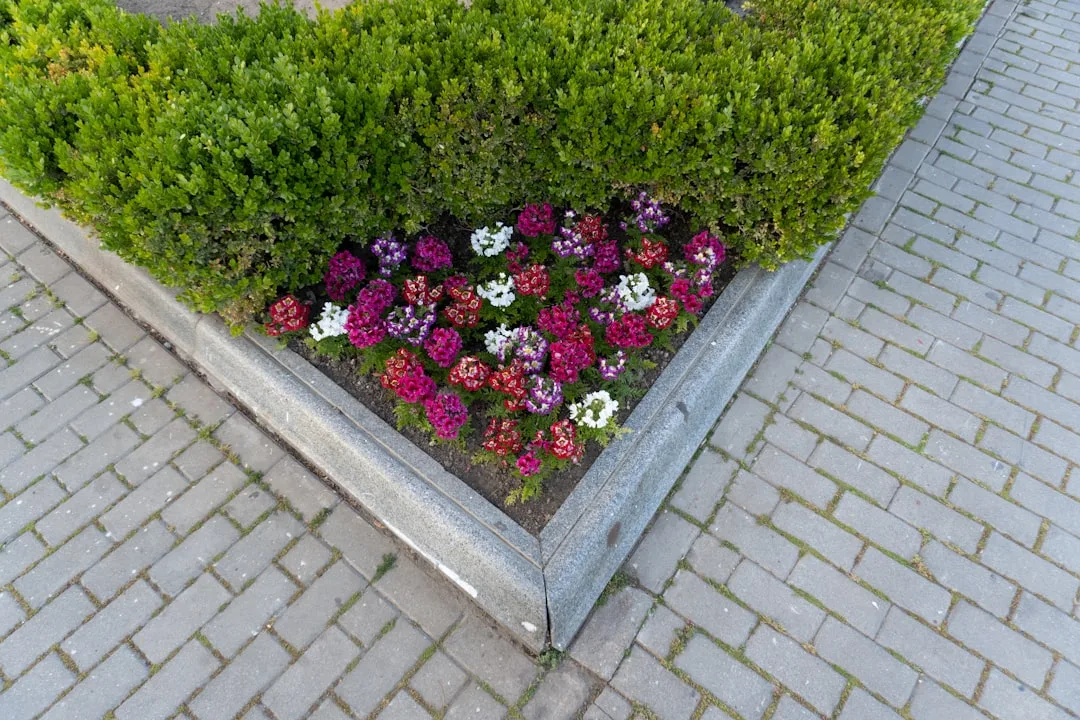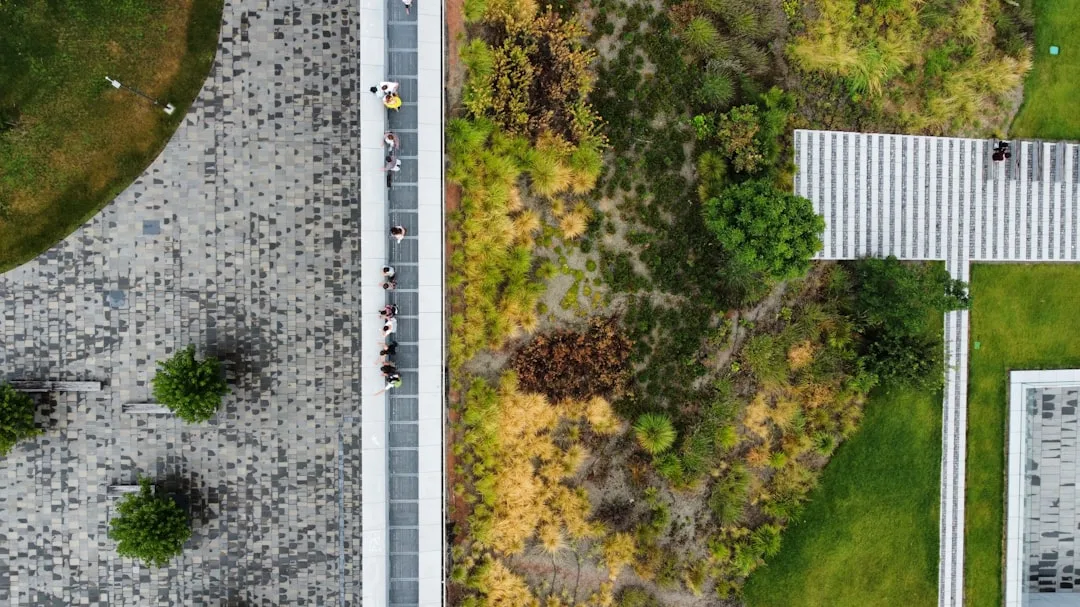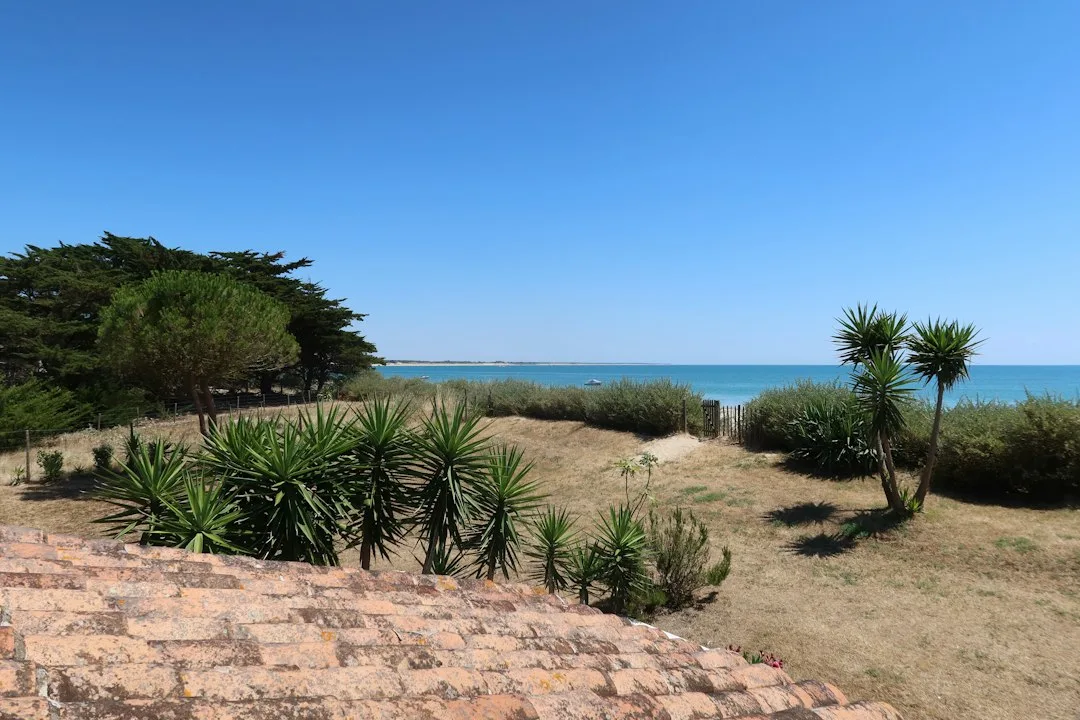
Homes within five miles of saltwater are quietly abandoning manicured lawns for coastal landscape design—a practical shift driven by salt spray damage and soil degradation that conventional plants cannot survive. Coastal landscape design relies on salt-tolerant species, permeable materials, and windbreak structures to create gardens that thrive rather than merely survive in maritime conditions. The trend has accelerated dramatically since 2024 as waterfront property owners recognize that fighting salt exposure costs more than embracing it.
Why salt spray destroys conventional gardens and why coastal landscape design works
Salt spray deposits sodium chloride directly onto foliage and soil, disrupting water uptake and killing tender leaf tissues. Most shrubs and perennials begin showing leaf burn within 18 to 36 months of salt exposure, forcing expensive replanting cycles. Coastal landscape design sidesteps this failure by selecting Ilex crenata (Japanese holly), Prunus maritima (beach plum), and Juniperus horizontalis (creeping juniper)—species that evolved in saline environments and actually thrive when soil sodium reaches levels that would kill standard ornamentals.
The payoff is dramatic. A beach plum shrub costs $40 to $65 per plant and requires zero fertilization or supplemental irrigation once established, whereas replacement of salt-killed euonymus or privet requires removal, soil amendment, and replanting every three years. Over a decade, coastal landscape design cuts replacement costs by 70% while delivering stronger structural form and seasonal interest.
Quick Tips
- Select Artemisia stelleriana (dusty miller) and Santolina chamaecyparissus (cotton lavender) for foliage contrast—both withstand salt spray and thrive in sandy, well-draining soil.
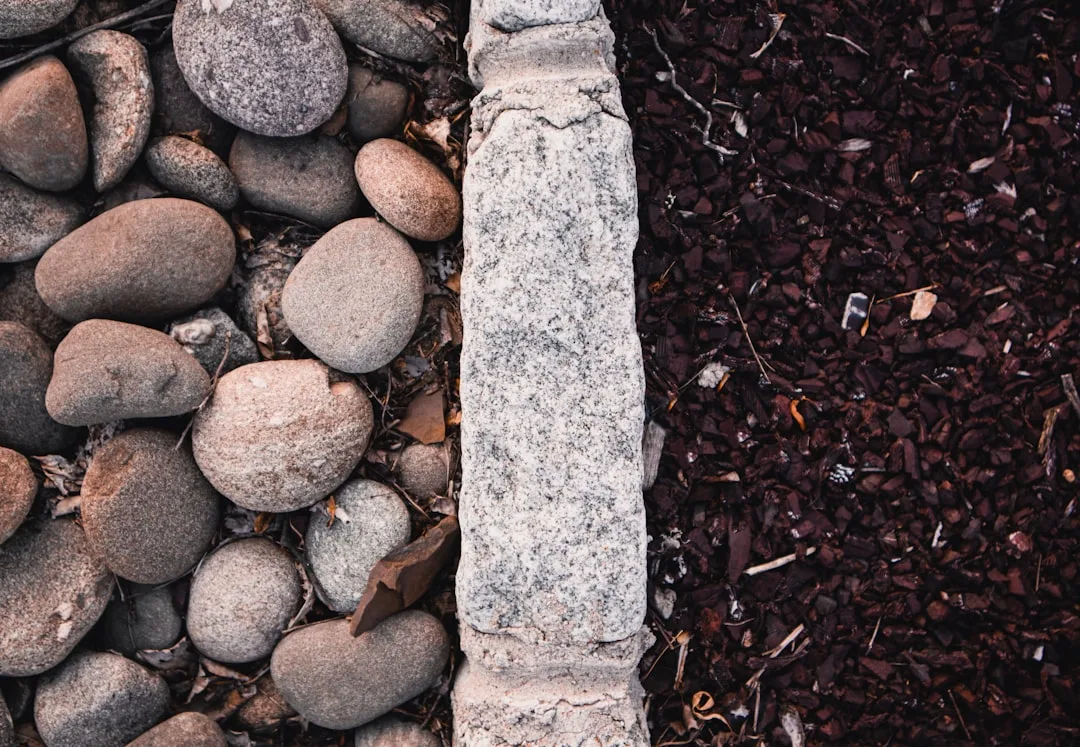
- Install decomposed granite pathways instead of mulch; organic mulch retains salt-laden moisture and accelerates decay, while DG drains freely and suppresses weeds without chemical intervention.
- Plant windbreaks on the property’s ocean-facing side using Arborvitae or Tamarisk; salt-tolerant screens reduce spray impact on back-garden plantings by 40 to 50%.
- Avoid evergreen borders that face the ocean directly; position salt-sensitive specimen trees (maples, ornamental cherry) on the leeward side where existing structures or windbreak shrubs provide protection.
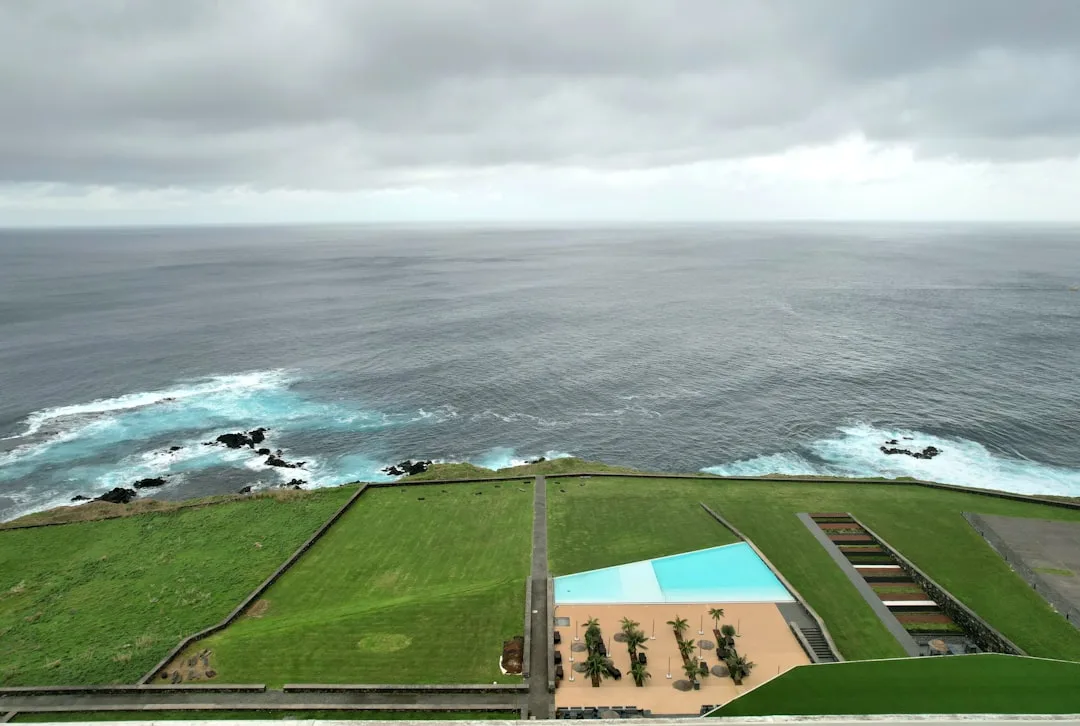
Salt-tolerant shrubs and grasses reshape coastal planting palettes
Coastal landscape design centers on four shrub families: Ilex (hollies), Myrica (bayberry), Baccharis (groundsel bush), and Ericaceae (heaths and heathers). Each genus includes cultivars bred specifically for salt tolerance and adapted to USDA zones 4 through 10. Ilex crenata ‘Green Hedge’ grows 4 to 5 feet tall with dense, fine-textured foliage and produces glossy black berries that persist through winter, functioning as both screen and focal point.
Ornamental grasses anchor coastal landscape design with movement and year-round structure. Panicum virgatum (switchgrass) and Festuca ovina (sheep fescue) tolerate salt-laden sand and produce fine, upright stems that bend rather than break in coastal wind. A mature switchgrass clump reaches 4 feet in height and creates spatial definition without rigidity.
| Plant Type | Salt Tolerance | Mature Height |
|---|---|---|
| Ilex crenata (Japanese holly) | Excellent; thrives with 100+ ppm sodium | 4–6 feet |
| Panicum virgatum (switchgrass) | Very good; survives direct spray | 3–4 feet |
| Myrica pennsylvanica (bayberry) | Excellent; fixes nitrogen in poor soil | 5–8 feet |
| Festuca ovina (sheep fescue) | Very good; colonizes sandy banks | 1–2 feet |
| Baccharis halimifolia (groundsel) | Excellent; grows in saline marshes | 6–10 feet |
The common mistake: ignoring wind exposure when selecting specimen trees
The #1 failure in coastal landscape design occurs when homeowners plant salt-sensitive specimen trees (Japanese maples, flowering crab apple, Yoshino cherry) in direct exposure to ocean winds and salt spray. These trees develop asymmetrical crowns, branch dieback on the windward side, and rapid decline within 4 to 6 years. A homeowner near Cape Hatteras planted three Acer palmatum (Japanese maple) specimens along the front of a 100-foot oceanfront lot; by year three, all three showed severe branch loss and leaf scorch.
The solution demands strategic placement. Position specimen trees on the property’s leeward side—behind windbreak shrubs or existing structures—where salt exposure drops by 40 to 60%. Alternatively, select salt-adapted alternatives like Quercus palustris (pin oak) or Amelanchier (serviceberry), which tolerate salt spray while delivering ornamental branching and seasonal color.
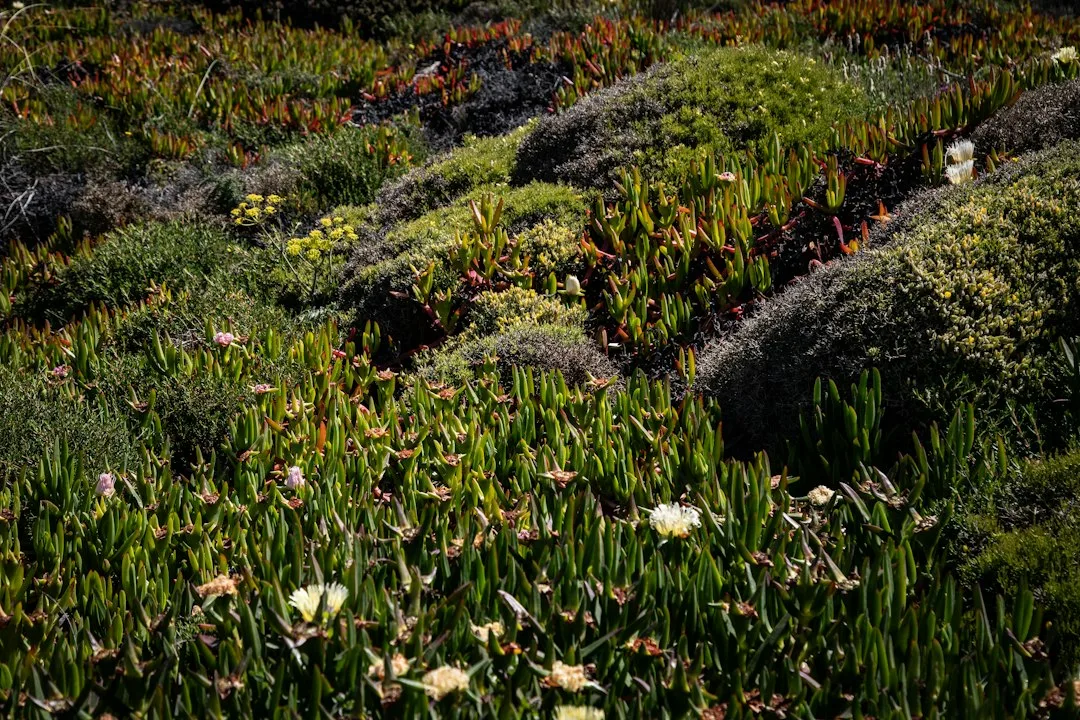
Hardscaping and mulch choices define drainage and salt management
Coastal landscape design demands hardscaping materials that shed salt-laden moisture rather than retain it. Decomposed granite (fractured granite screenings) and pea gravel pathways drain freely, suppress weeds without chemical additives, and allow salt deposits to wash through with rainfall. A 100-square-foot pathway using pea gravel costs roughly $200 to $350 installed and requires raking annually to maintain aesthetics.
Organic mulch—wood chips, bark fines—absorbs salt-laden moisture and decays rapidly in coastal humidity, creating anaerobic conditions that produce odor and fungal disease. Mulch also blocks drainage, concentrating salts at the root zone. Coastal landscape design replaces mulch with coarse sand or crushed shell, which drain instantly and reflect summer heat away from plant roots.
External cladding and French style home exterior finishes must also withstand salt corrosion; vinyl and fiber-cement outperform painted wood in maritime zones.
Windbreaks and structural planting create layered protection
Coastal landscape design uses three-layer planting to manage salt exposure progressively. The ocean-facing layer consists of low, extremely salt-tolerant shrubs (Baccharis, Myrica) spaced 3 to 4 feet apart to filter direct spray. A mid-layer of taller salt-tolerant shrubs (Ilex, Tamarisk) reaches 6 to 10 feet and creates structural wind reduction. The back layer—protected by the first two—accommodates salt-tolerant ornamental grasses and, where protected from direct exposure, less-tolerant species like warm beige and taupe exterior environments that visually integrate garden colors with home finishes.
This layered approach reduces salt spray reaching leeward plantings by 60 to 75%, creating microhabitats where otherwise vulnerable plants survive. A mature windbreak screen requires 5 to 7 years to establish full effectiveness but then delivers decade-long performance with minimal pruning.
Soil amendment and drainage infrastructure support long-term coastal health
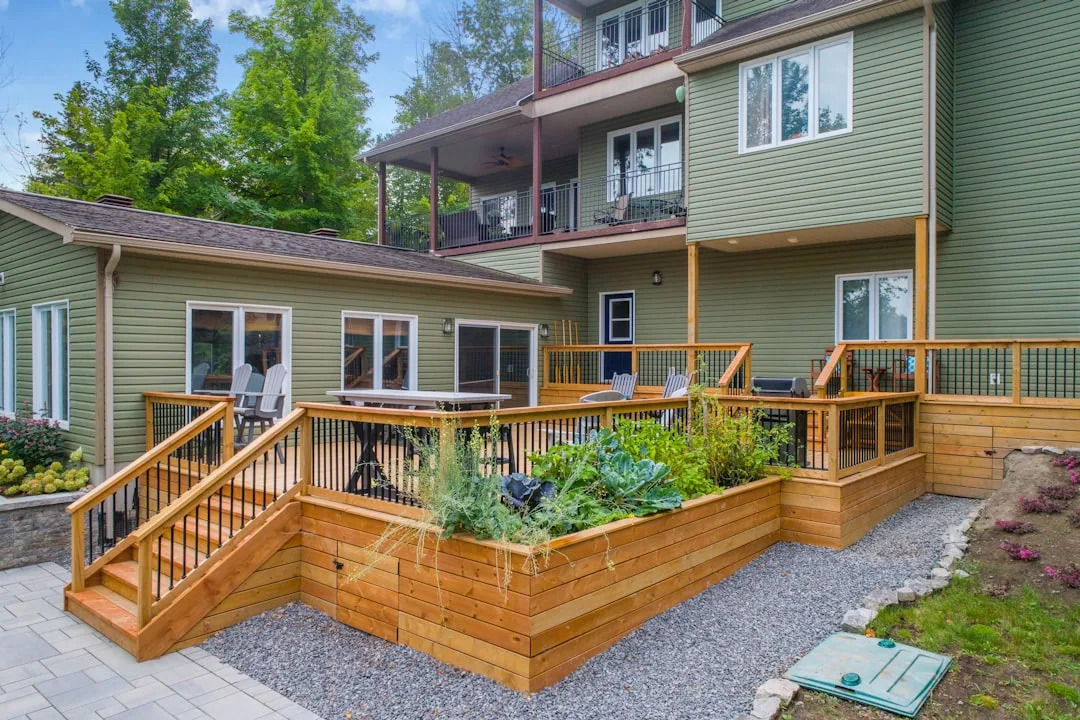
Coastal landscape design addresses subsurface salt accumulation through drainage elevation and annual soil testing. Raised beds filled with amended soil (peat, compost, sand in 1:1:2 ratio) isolate roots from salt-saturated native soil and drain faster than in-ground plantings. A 4-by-8-foot raised bed with 18-inch depth holds approximately 48 cubic feet of amended soil, costing $180 to $280 for materials and delivery.
Bioswales—shallow, planted depressions designed to capture and filter stormwater—prevent salt-laden runoff from concentrating around foundation plantings. Bioswales planted with salt-tolerant sedges and grasses filter sodium and chloride ions while returning clean water to the soil. Installing a 30-foot bioswale costs $800 to $1,200 but eliminates recurring salt damage and reduces irrigation demand by 40% during growing season.
Annual soil testing (conducted through your local cooperative extension) tracks sodium levels and guides supplemental gypsum application, which flushes excess sodium from the root zone. Monitoring and amendment costs roughly $100 to $150 annually for a quarter-acre garden.