
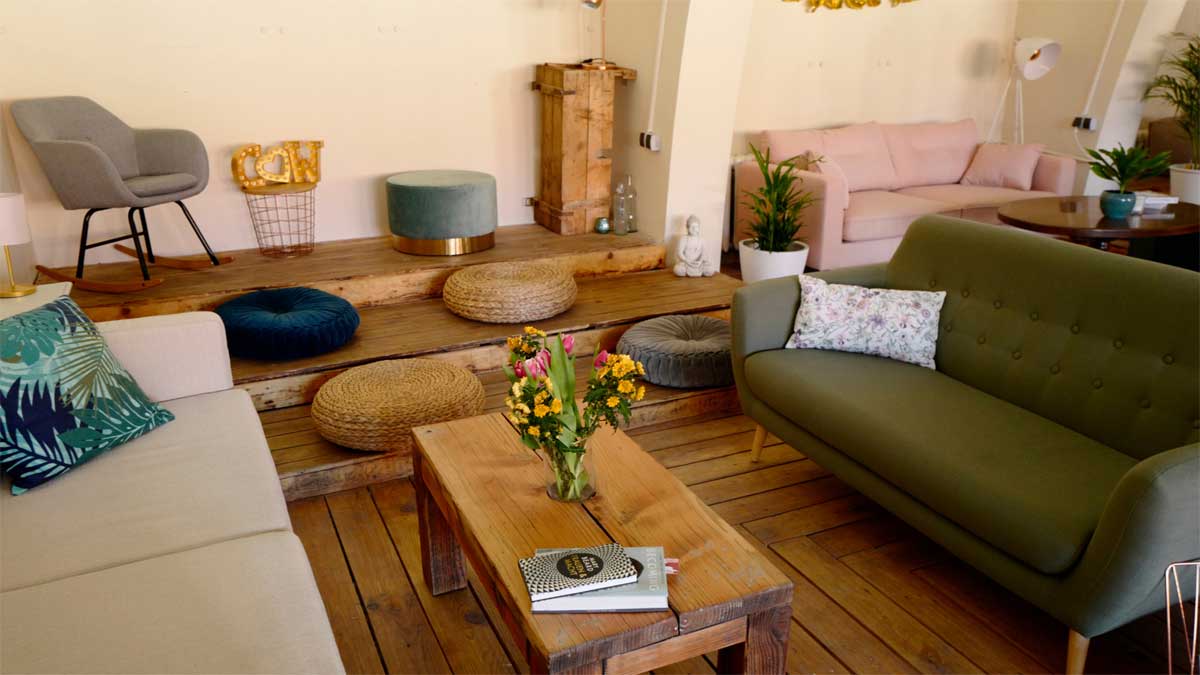
Furnishing a small space can feel like solving a puzzle—balancing function, style, and comfort with limited square footage. Whether you’re living in an apartment, condo, or a cozy house, every piece of furniture must serve a purpose.
The right design choices can make even the smallest space feel inviting and spacious. In this blog, we’ll explore the top strategies for maximizing your small living space with smart furniture choices and design tricks.
Prioritize Multi-Functional and Space-Saving Furniture
One of the best ways to furnish a small space is by choosing multi-functional furniture. Pieces that serve multiple purposes can reduce the need for excess furniture, freeing up floor space.
A sofa that transforms into a bed or a dining table with built-in storage can work wonders in a tight area. Consider these space-saving options when shopping for small living room furniture that maximizes both function and style.
- Sofa Beds or Futons: These pieces serve as seating during the day and can easily be converted into a bed at night, saving you the need for a separate guest room.
- Storage Ottomans: These serve as both seating and hidden storage. They’re perfect for storing extra pillows, blankets, or seasonal items.
- Extendable Tables: If you entertain often, consider a dining table that expands when needed but stays compact for everyday use.
When shopping for furniture, prioritize pieces that can do more than one thing. This helps you get the most out of your limited space without overcrowding it with bulky items.
Scale and Proportions: Choosing the Right Size for Your Small Space
Choosing the right-sized furniture is crucial when furnishing a small space. Oversized furniture can make a room feel cramped and uncomfortable. Instead, opt for furniture that fits the proportions of your space.
- Measure Before You Buy: Take accurate measurements of your space, including doorways and hallways, to ensure your furniture fits. This step prevents the headache of buying pieces that are too large to move into the room.
- Scaled-Down Furniture: Look for items that are designed specifically for smaller spaces, such as compact sofas, slim-profile armchairs, and narrow side tables.
- Avoid Heavy, Bulky Pieces: Opt for lighter, more open furniture designs that allow the eye to travel through the room, creating a feeling of space.
By selecting the right-sized furniture, you can ensure that each piece complements the room’s scale, leaving room for movement and making your space feel larger and more functional.
Maximize Vertical Space: Utilize Walls and High Ceilings
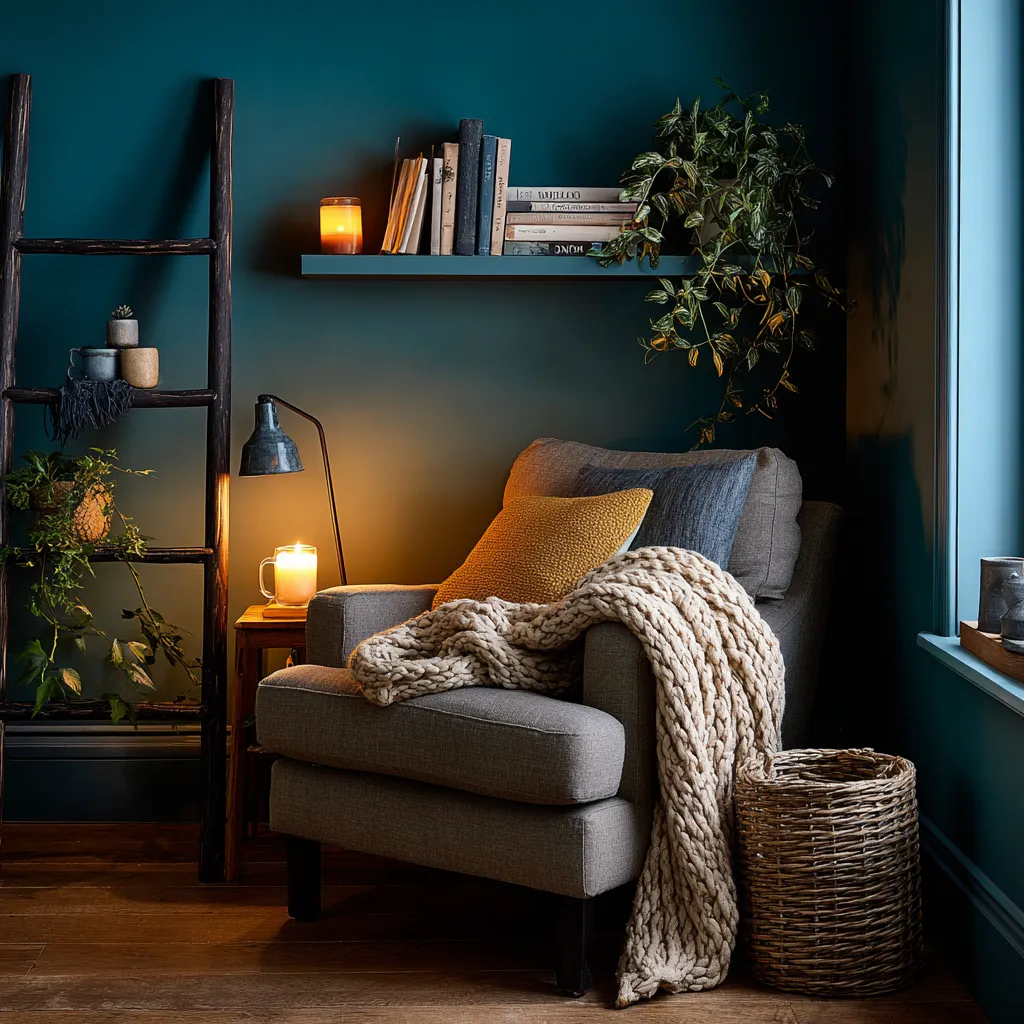
In small spaces, where floor space is limited, it’s essential to maximize vertical space to store more without taking up additional room. Wall-mounted shelving, such as floating shelves or wall-mounted cabinets, is an excellent way to free up valuable floor area while providing storage for books, decorative items, or everyday essentials. Tall furniture, like bookshelves, cabinets, and wardrobes, can also make use of vertical space without overwhelming the room.
These pieces draw the eye upward, creating the illusion of height and making the room feel more spacious. Additionally, hanging storage options like hooks or racks for coats, bags, or kitchenware can keep items off the floor and help maintain an organized, clutter-free environment. By utilizing your walls effectively, you can create extra storage and display areas, ensuring that every square foot in your small space is used efficiently.
Light and Color: Create the Illusion of Space
Color plays a significant role in making a room feel larger and more open. Lighter tones, such as white, beige, or pastels, reflect natural light, which helps to expand a small room and create an airy, bright atmosphere. For instance, a light grey wall paired with white furniture can give the room an elegant and spacious feel. Additionally, incorporating mirrors into the design can further enhance the illusion of space.
Mirrors reflect light and create depth, making the room appear larger than it is. Consider using a large mirror as a statement piece or placing several smaller mirrors strategically around the room to open up the space. By integrating light colors and mirrors into your small room, you can instantly improve its perception of size and create a more welcoming, open environment.
Declutter and Organize: Less Is More in Small Spaces
In a small space, clutter can quickly take over and make the room feel cramped and chaotic. Keeping your space organized is essential to maintaining an open and functional environment.
- Declutter Regularly: Remove items that you don’t use or need. Less furniture and fewer items on display will help the space feel bigger.
- Use Hidden Storage: Opt for furniture with built-in storage options, like storage benches or coffee tables with drawers. This helps keep clutter out of sight while still providing convenient access to your belongings.
- Keep Surfaces Clear: Avoid overcrowding surfaces with knick-knacks or excessive décor. Instead, focus on a few carefully chosen pieces that enhance the space without overwhelming it.
A clutter-free environment will help maintain a sense of calm and space, essential for small areas that can feel easily overwhelmed.
Natural Light: The Power of Sunshine in Small Rooms
Natural light is one of the most effective ways to make a small room feel brighter and more spacious. To maximize the amount of light in your home, start by keeping windows clear of heavy curtains or blinds that block light. Instead, opt for light, airy window treatments like sheer curtains or adjustable blinds, which allow natural light to filter through while offering privacy.
Light-colored walls also help reflect and amplify natural light, making the room feel larger and more open. Additionally, be mindful of furniture placement; avoid putting large pieces in front of windows, as this can obstruct light. Instead, arrange furniture to take full advantage of the natural light streaming in, ensuring that it fills the room. By allowing natural light to flow freely, you can create a warm, inviting atmosphere that makes even the smallest space feel more expansive.
Conclusion
Furnishing a small space may seem daunting, but with the right strategies, you can turn your home into a comfortable and functional oasis. By focusing on multi-functional furniture, maximizing vertical space, using light colors and mirrors, and decluttering regularly, you can create a room that feels spacious and organized.
Remember, the key to furnishing a small space is making thoughtful choices that serve both your style and practical needs. With these tips, you’ll be able to maximize every inch of your space, creating a home that’s both beautiful and functional.
FAQs
How do I choose furniture for a small space without overcrowding it?
When selecting furniture for small spaces, prioritize multi-functional and space-saving pieces that can serve more than one purpose, like sofa beds, storage ottomans, or extendable tables.
What are the best ways to make a small room feel bigger with color and light?
Use light colors on walls, such as pastels or whites, and incorporate mirrors to reflect natural light. This combination can create the illusion of a larger, more open space.
How can I maximize vertical space in a small room?
Install wall-mounted shelves, tall furniture, or hanging storage to make use of vertical space. These solutions help free up floor area while providing additional storage and display options.
Complete guide
Furniture Decor Ideas for Every Room in Your Home
Living room, bedroom, dining, kitchen, outdoor — all in one place
Complete guide
Small House Design Ideas That Make Every Square Foot Feel Intentional
Exteriors, layouts, kitchens, bedrooms, bathrooms, outdoor — all in one place
You Might Also Like
Related Topics