Buying interiors on consignment means furnishing a room from a shop that sells pieces for their previous owners and keeps a share of every sale. For buyers it is a way to get solid wood, leather and mid-century furniture well below new prices; for sellers it is a slower, hands-off alternative to listing items online. The deciding factor is time: consignment rewards patience, whether you are buying or selling.
How consignment shops actually work
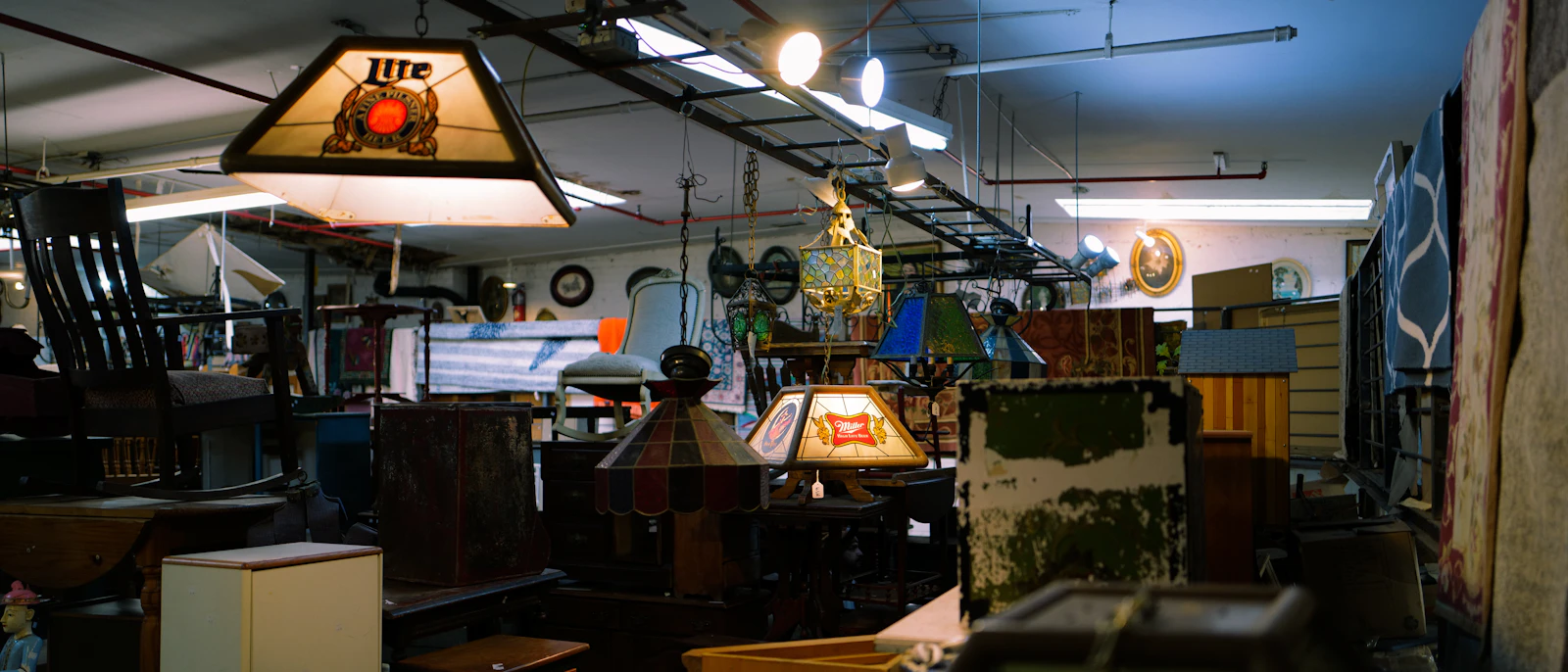
A shop displays your furniture, finds the buyer and takes a commission. An older Kiplinger report on consignment shops (published in 2013, so confirm current terms with any shop) says stores typically split the profit 50/50 and price most items at about one-third of their original retail price. Ask for the split, contract length and payout schedule in writing before you leave a piece.
Unsold pieces usually follow a markdown schedule. The same report describes a further 20% to 25% off after a month and another 40% to 50% after two or three months, with leftovers donated or returned to the owner after several months. For buyers, that schedule is the hidden bargain: a sofa that has sat on the floor for ten weeks is often negotiable.
Quick Tips
- Ask when a piece was first put on the floor and when its next markdown is due.
- Measure doorways, stairwells and the target wall before you pay.
- Get the commission split and contract length in writing if you are selling.
- Clean every piece before you drop it off.
What sells and what gets turned away
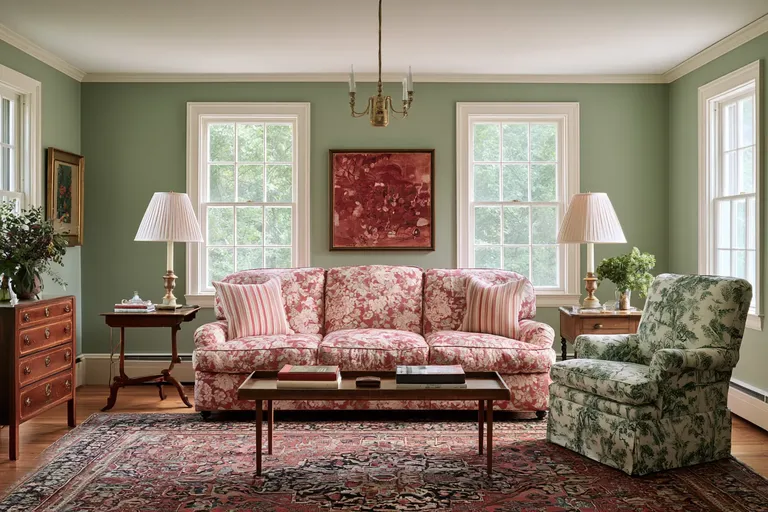
The Kiplinger report lists solid-color sofas and sectionals, leather pieces, sleeper sofas, wooden dressers and bookshelves (not engineered wood), contemporary dining sets, mid-century modern furniture and lamps with shades in good condition among the items shops take. Patterned upholstery, TV armoires, china cabinets, rugs, glass dining tables and 1980s furniture were the hard sells. Taste moves, so treat that list as a baseline and ask the shop what it is taking right now.
Why secondhand furniture is in demand
A Livingetc feature from October 2026 argues that provenance and patina now signal status more than newness does. It cites Mordor Intelligence projecting the secondhand furniture market to grow from roughly $47 billion in 2025 to around $62.7 billion by 2031; the article quotes the figure, and we have not verified it independently. The practical effect for shoppers is that good pieces can move faster than the markdown schedule suggests.
How to buy well on consignment
Brass was on Kiplinger’s weak-seller list, so brass lamps and accents can be a bargain. If you like the look, warm metallic wall finishes show how to pair metal tones with wood and soft textiles.
Making secondhand pieces work in a room
Consignment pieces look best when they are the anchor and not the whole story. Start with one large item, such as a leather sofa, a wooden dresser or a dining table, and build around it with new or neutral basics so the room does not read as a showroom of mismatched eras. Repeating one material, for example wood tone or a single metal finish, ties pieces from different makers together.
Plan small repairs into the budget. A loose joint, a scuffed top or tired cushions are normal on pre-owned furniture and can be fixed, but each fix eats into the saving. Weigh the markdown against the cost of repair and the time it takes before you commit, and walk away from structural damage such as cracked frames or warped engineered wood.
Questions to ask before you sign or pay
Whether you are buying or consigning, a few questions prevent most disputes. Buyers should ask about the return policy, whether the price is final or negotiable, and how long the shop will hold a piece. Sellers should ask how the shop handles damage on the floor, how often it pays out, what happens to unsold items and whether there is a fee to collect them.
Keep a copy of the signed agreement and a dated photo of each item as you hand it over. If a shop will not put its terms on paper, that is a reason to try another one.
Selling through a shop or elsewhere
Cleaning matters: the shop owner quoted by Kiplinger said it alone can raise an item’s price by 25%. Bring photos, measurements and an honest note on wear. The table below compares the usual routes by effort and outcome, in general terms.
| Route | Your effort | Speed | Return |
|---|---|---|---|
| Consignment shop | Low | Slow | Shared with the shop |
| Online listing | High | Varies | Most of the sale price |
| Donation | Low | Fast | None |
A common mistake to avoid
The costliest error is falling for a deep markdown without measuring. A sofa that will not clear the stairwell is not a bargain at any price. Sellers should also set expectations: under the older figures above, a piece priced at a third of retail and split 50/50 returns roughly a sixth of its original price, so consignment suits quality pieces you want placed rather than quick cash.