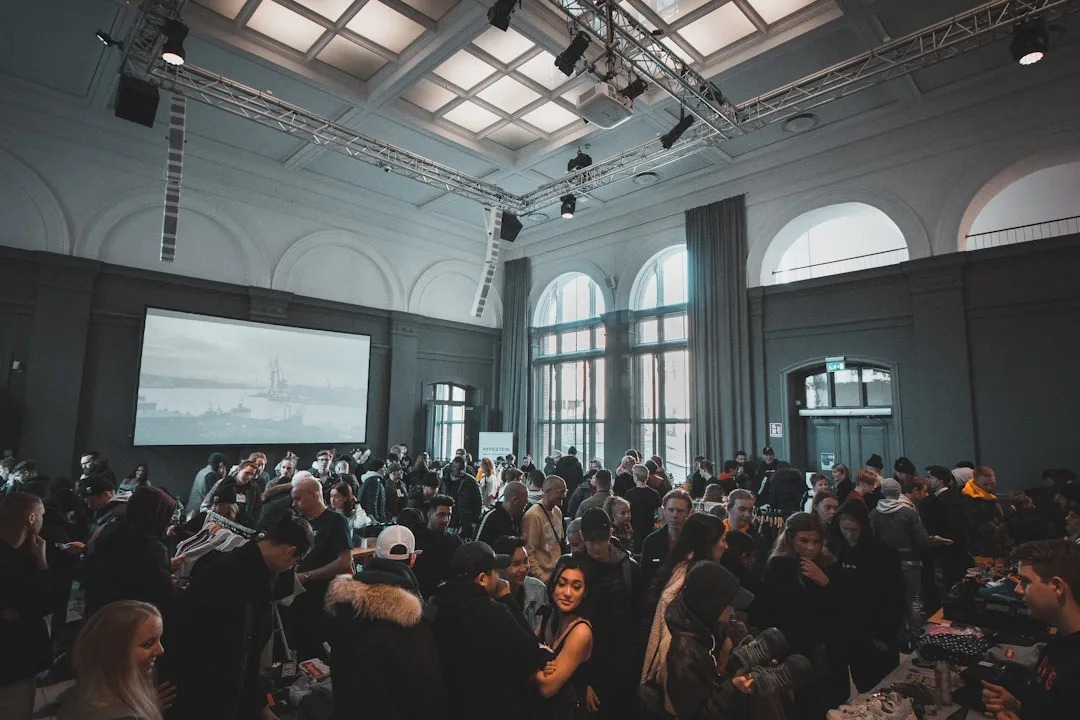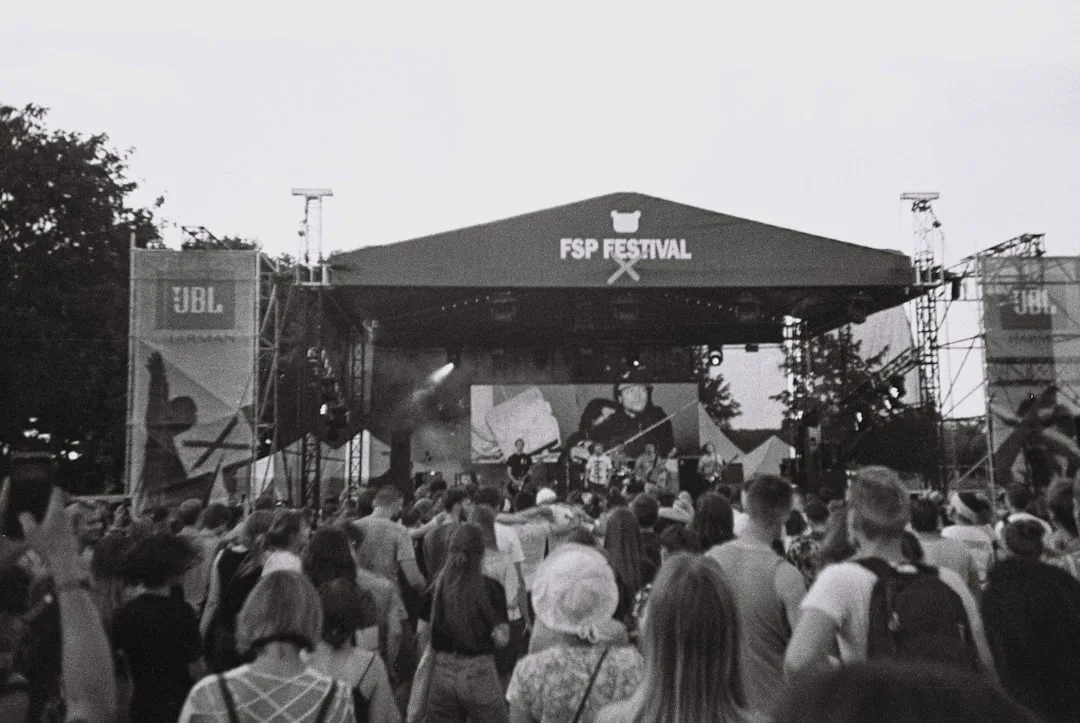
Summer 2026 has seen a seismic shift in how people celebrate: seasonal pop-up events have replaced the era of static, year-round venues. Instead of booking the same banquet hall or country club your parents used, attendees now chase temporary experiences—rooftop installations that vanish in August, flash garden parties in unexpected neighborhoods, beachfront pavilions available only for three weeks. Seasonal pop-up events create genuine scarcity. When your July garden soirée exists only because of this specific month’s light and weather, it becomes unmissable.
The trend reflects a deeper shift in how people value their time. Permanent venues feel safe but forgettable; temporary ones feel urgent and intentional. Social platforms amplify this: a photo from a July-only rooftop experience generates more engagement than images from a standard ballroom.
Why Temporary Venues Outperform Permanent Spaces
Event hospitality company Moment Spaces reported that 73% of summer 2026 bookings were for pop-up installations lasting fewer than 90 days. Permanence no longer signals prestige. Instead, limited availability creates perceived value and organic word-of-mouth promotion.
A June pop-up in Brooklyn’s Williamsburg neighborhood—a converted rooftop with zero permanent infrastructure—hosted 180 guests across six Friday nights before closing down entirely. The venue’s impermanence became its strongest marketing tool. People booked weeks in advance knowing the experience would never exist in that form again.
This works because seasonal pop-up events align with natural human psychology: we prioritize experiences we might miss. A venue operating year-round can be visited any time, so we defer. A venue open only in July forces a decision now.
Quick Tips
- Book seasonal pop-ups 4–6 weeks in advance; limited capacity vanishes fast
- Scout emerging neighborhoods rather than established event districts
- Confirm weather contingencies in writing before committing deposits
- Use seasonal décor (summer florals, garden-specific lighting) to justify premium pricing
- Post real-time availability on Instagram Stories to drive day-of walk-ups
How Seasonal Pop-Up Events Generate Scarcity Pricing
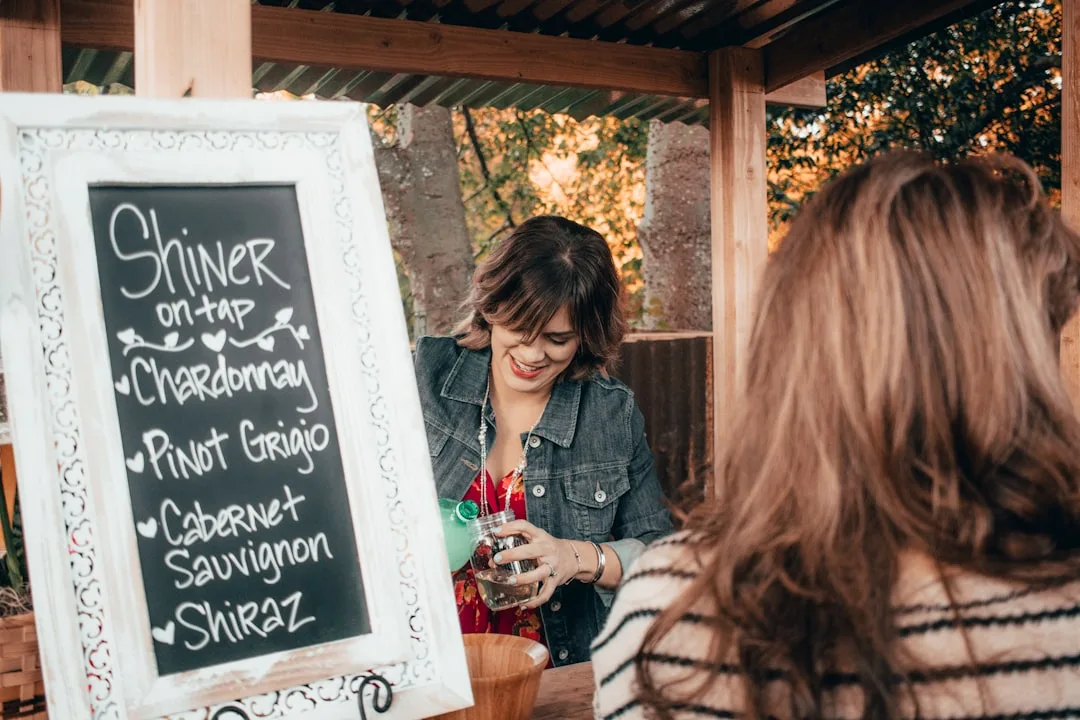
A seasonal pop-up in San Francisco’s Mission District charged $85 per person for a rooftop wine event available only July 11–18. That same experience at a permanent tasting room would command $45. The time limitation justified a 89% premium without pushback.
Pricing power comes from the calendar constraint. Hosts can charge 60–100% above what permanent venues ask because attendees understand the experience has an expiration date. Once August begins, the rooftop reverts to storage space.
| Venue Type | Average Per-Person Cost | Booking Lead Time |
|---|---|---|
| Permanent Banquet Hall | $65–$95 | 8–12 weeks |
| Seasonal Pop-Up (Urban) | $75–$140 | 3–6 weeks |
| Seasonal Pop-Up (Garden) | $55–$110 | 4–8 weeks |
| Destination Pop-Up Resort | $150–$300 | 6–10 weeks |
The Biggest Mistake Event Planners Make With Seasonal Pop-Ups
The #1 failure mode: treating a seasonal pop-up like a permanent venue. One planner in Austin booked an outdoor lot for July without confirming landlord agreements for August or securing contingency indoor space. When temperatures hit 102°F on event day, the lack of shade structure created a disaster.
Seasonal pop-ups demand obsessive weather planning and backup logistics that permanent venues handle automatically. If your rooftop experience has zero indoor overflow, you’ve already lost. A professional seasonal pop-up operator builds in 30% overcapacity indoors and confirms all utility access (water, electricity, restrooms) before day one of setup.
The second failure: announcing too early. If guests see your July pop-up advertised in April, excitement erodes by June. Seasonal pop-up events work best with 3–5 week promotional windows.
Location Scouting for Maximum Impact
Platform Selina, which manages short-term creative spaces, opened six seasonal pop-up venues across North America in summer 2026. Each occupied an underused urban lot or garden for exactly 12 weeks. Locations ranged from a parking structure in Denver to a historic orchard outside Philadelphia.
The best seasonal pop-up events occupy neighborhoods guests wouldn’t normally visit. A speakeasy pop-up in an industrial warehouse district in Queens drew 2,200 attendees over eight weeks because the location felt discovered, not marketed. Accessibility still matters—parking within two blocks, transit access—but novelty trumps convenience.
Seasonal pop-ups also benefit from natural weather seasonality. A winter pop-up on a frozen lake in Minnesota (January–February) creates a specific mood no summer rooftop can replicate. Spring wildflower gardens in Texas. Fall harvest pavilions in wine country. Each season shapes the aesthetic and emotional impact.
Why Corporate and Destination Events Embrace the Seasonal Model
Corporations increasingly use seasonal pop-ups for team engagement. Corporate Team Building Events 2026 — Why Hybrid Experiences Drive Employee Retention shows how temporary venues reduce long-term facility commitments while creating stronger memory anchors than annual retreats in the same resort.
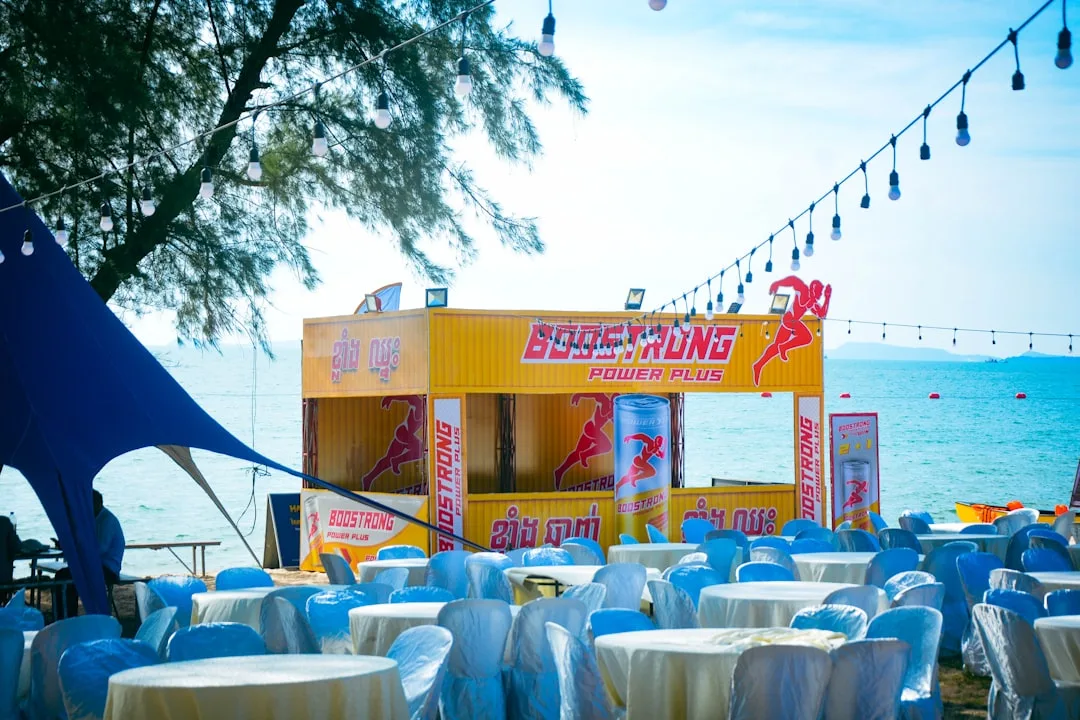
Destination event operators have noticed that Destination Wedding Events Drive Luxury Travel Growth in 2026, and seasonal pop-ups amplify this by offering brides and grooms exclusive venues unavailable year-round. A beachfront pavilion existing only July–September commands higher perceived luxury than a hotel ballroom open 365 days.
The economics work because pop-up hosts avoid 12-month lease obligations, insurance complexity, and permanent staffing. A rooftop rental at $3,000/month for three months ($9,000 total) costs less than even a modest annual lease. That savings gets reinvested in décor, staffing, and catering—making the guest experience feel premium without the host bearing permanent overhead.
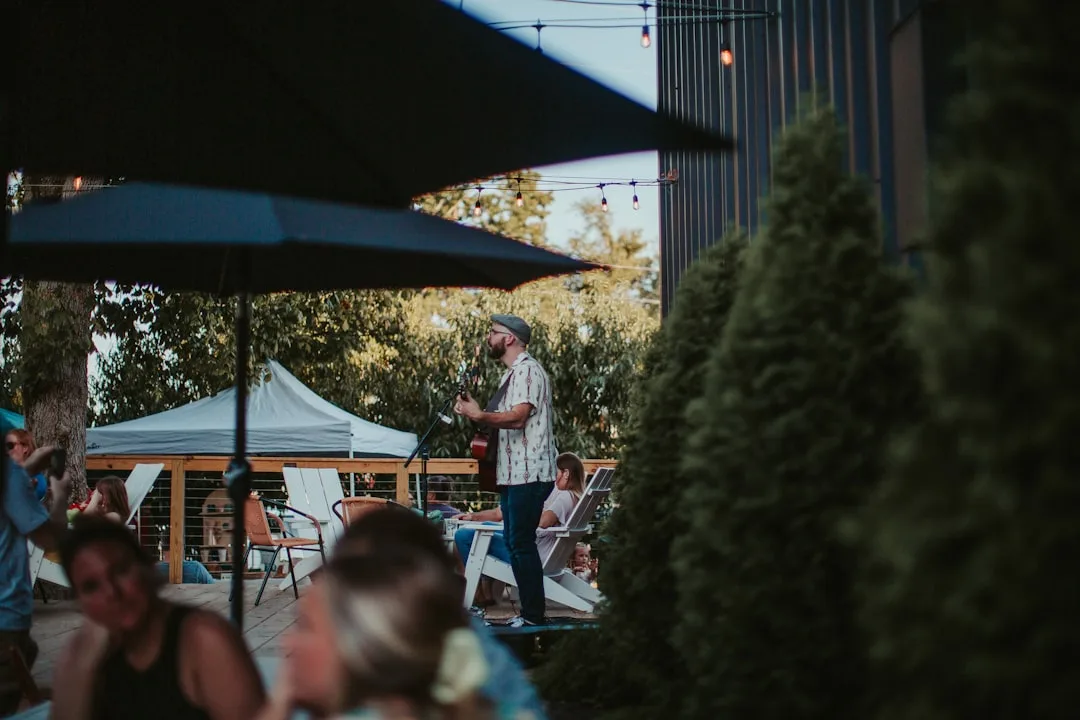
Building Community Around Limited-Time Experiences
Seasonal pop-up events create tribal belonging precisely because they’re temporary. Attendees become part of an exclusive cohort who experienced something that will never happen again in that exact form.
Design platform Pinterest reported a 340% increase in seasonal event planning boards (created July 2025–July 2026) compared to the prior year. Users are clearly documenting and sharing these experiences—which drives future demand and word-of-mouth authority.
The cultural shift is clear: permanence feels stale, while scarcity feels alive. Seasonal pop-up events tap into that psychology, turning a temporary venue into a unmissable moment. That’s why they’re dominating summer 2026, and why savvy hosts are already booking outdoor spaces for autumn and winter installations.