A couple stands at the altar in June 2026, and instead of reciting vows to each other, they pour sand—hers deep indigo, his warm amber—into a single glass vessel. The sand swirls together, irreversible and unique. Their guests lean forward. This moment is the core of their ceremony. Wedding ceremony unity rituals have become the fastest-growing alternative to traditional vow exchanges, shifting how couples define commitment in front of witnesses.
The data is clear: 42% of engaged couples surveyed by The Knot in early 2026 reported planning a unity ritual as their primary ceremony moment, compared to 28% in 2022. What’s driving this shift isn’t just aesthetics—it’s a fundamental rethinking of what a ceremony should accomplish and who gets to be part of it.
Why Vows Alone Feel Limiting Now
Vows are intimate, yes. But they’re also scripted pressure points where couples feel obligated to perform emotion in front of 100+ people. Many couples report anxiety weeks before saying vows aloud. A unity ritual removes that vocal performance requirement entirely.
Couples want their ceremony to do multiple jobs at once. They want symbolic depth, guest participation, and a moment that photographs beautifully without relying on heard speech—especially relevant when outdoor venues and wind make vows difficult to hear anyway. They also want inclusivity: non-speaking partners, neurodivergent couples, or those for whom English isn’t their first language don’t face the pressure of verbal eloquence.
Popular Unity Rituals Beyond the Handfasting
While handfasting—tying the couple’s hands together—remains the most recognizable unity ritual, contemporary couples are exploring a wider palette of symbolic actions. Sand ceremonies, where two colors of sand are poured into a single vessel, offer visual clarity and a keepsake that sits on a shelf for years. Candle lighting, in which each partner lights a taper before together igniting a larger candle, creates a warm focal point and works beautifully in both indoor and outdoor settings.
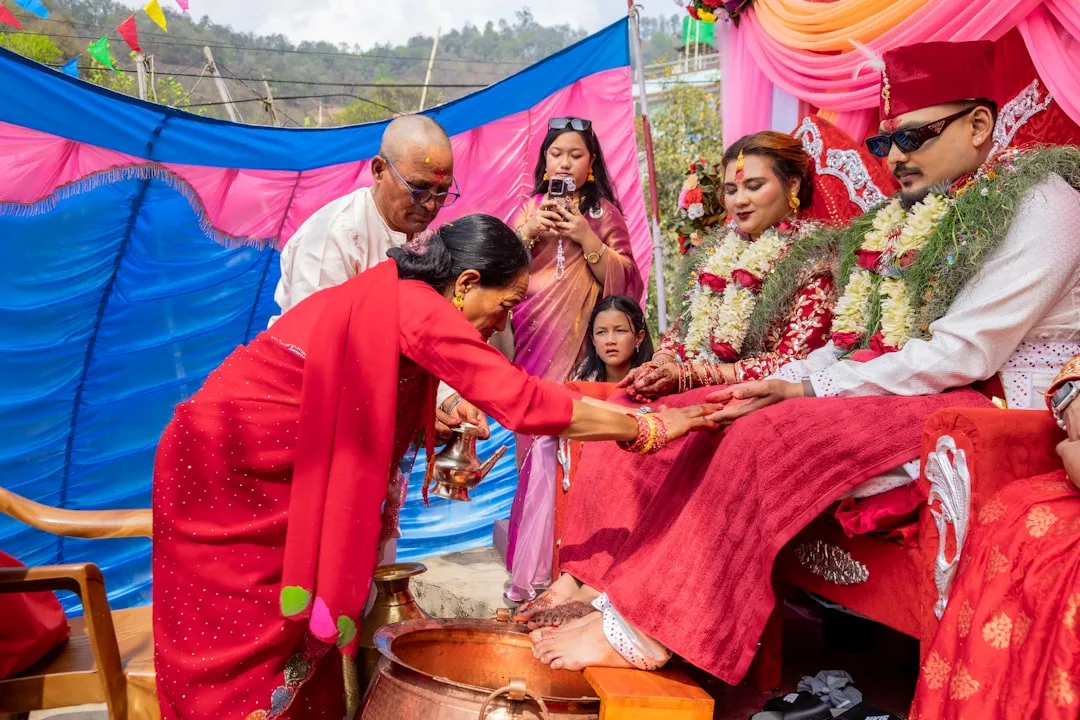
Jumping the broom, a ritual with roots in various cultural traditions, has gained renewed attention among couples seeking meaningful heritage connections. Tree planting ceremonies, where couples plant a sapling together, appeal to environmentally conscious pairs who want their marriage symbolized by something living and growing. Stone stacking, puzzle completion, and wine blending each offer different aesthetics and metaphorical weight. The key is choosing a ritual that resonates authentically rather than selecting one simply because it photographs well.
How Decor Enhances the Symbolic Moment
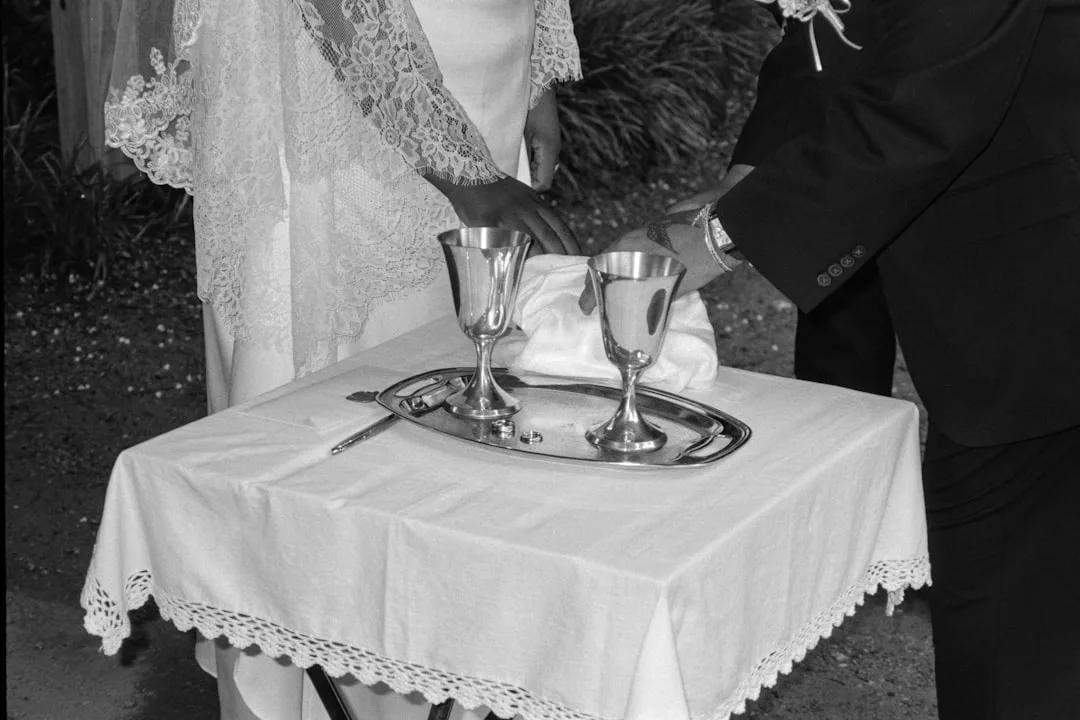
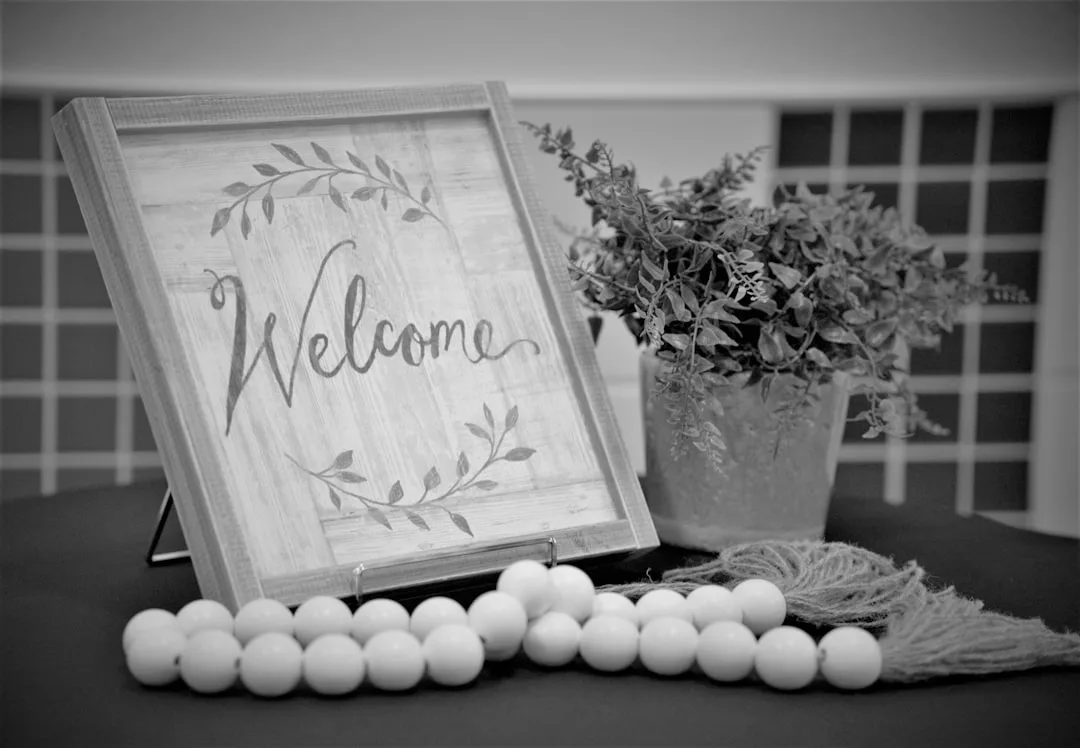
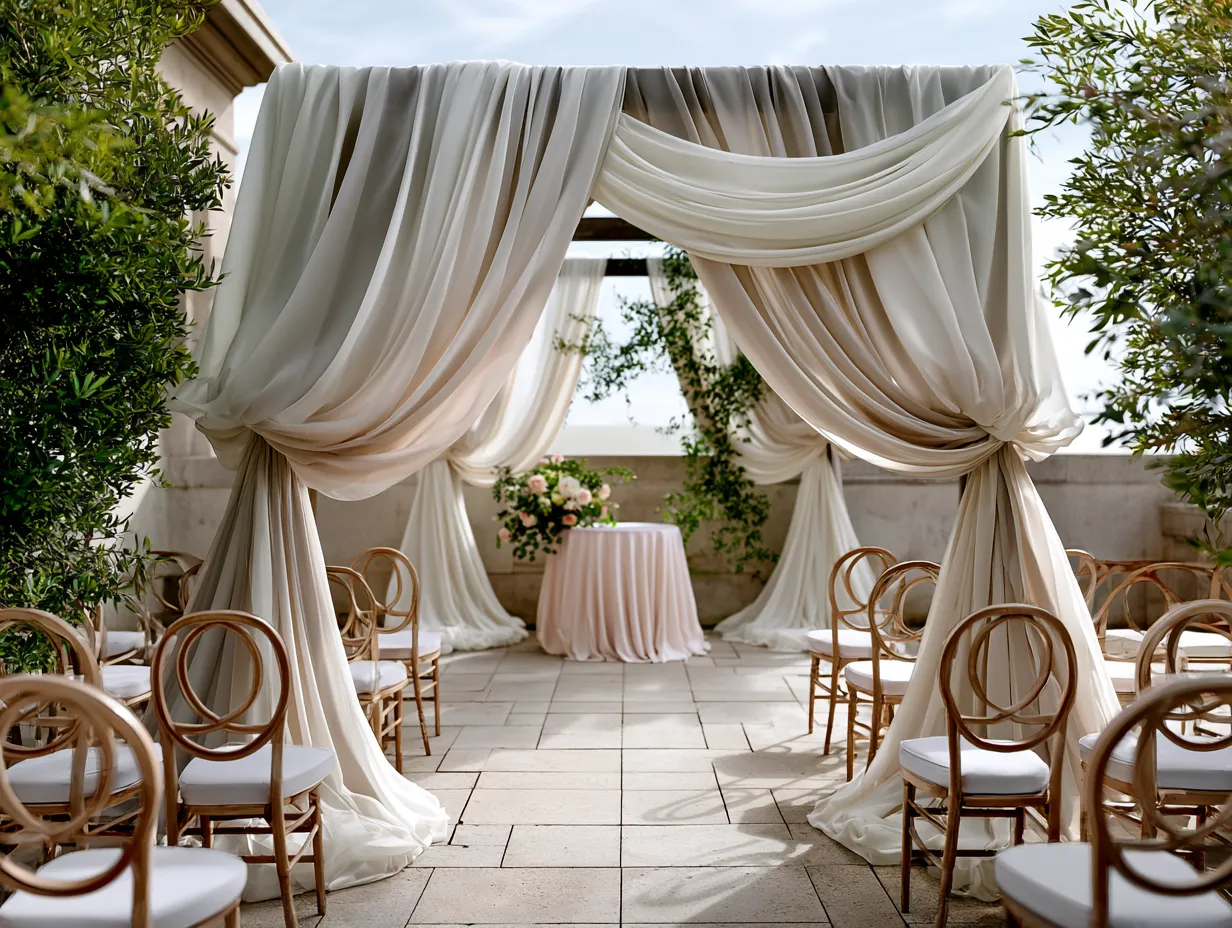
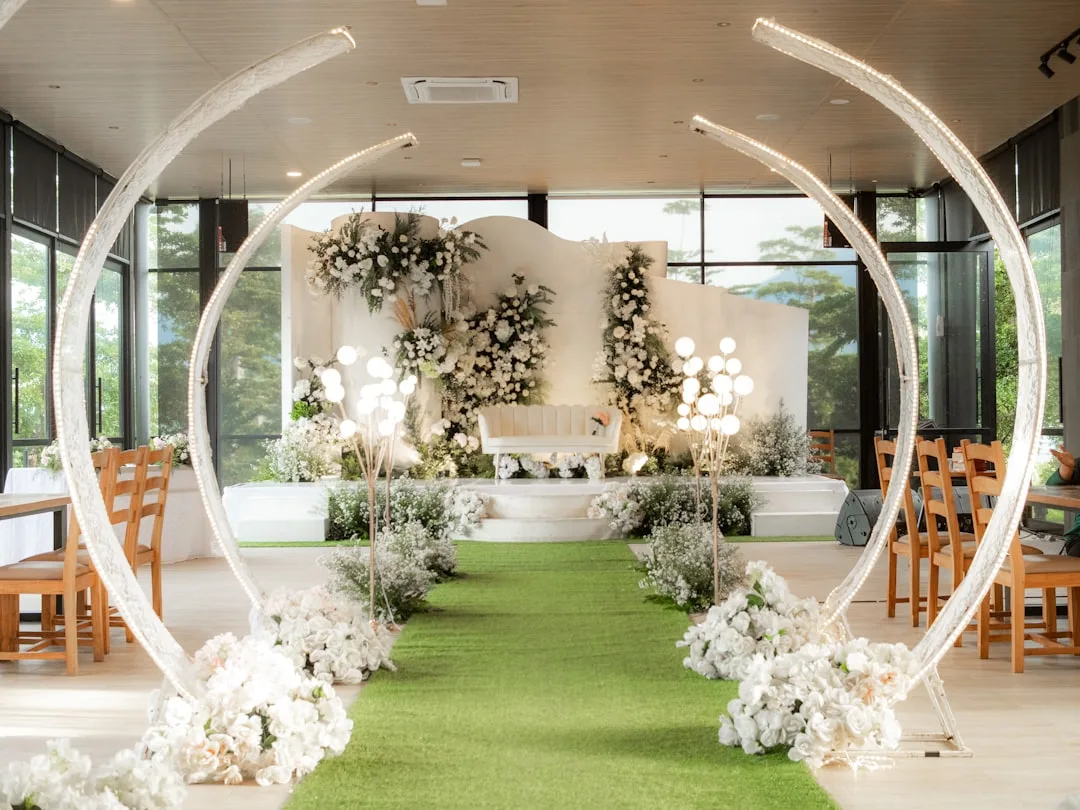
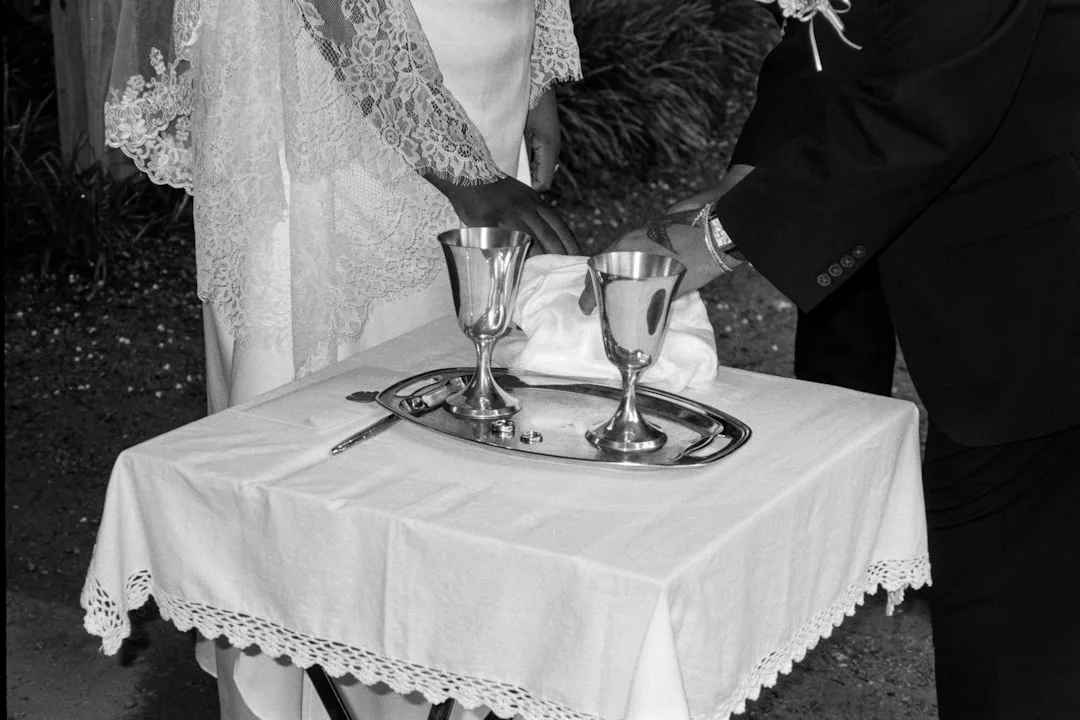
The setting in which a unity ritual unfolds matters as much as the action itself. Thoughtful ceremony decor—from fabric draping to floral arrangements—can amplify the emotional impact and ensure the moment reads clearly in photographs. A simple unity table, decorated with intention, becomes a focal point where guests naturally direct their attention and cameras.
Many couples are drawn to 3+ Boho Wedding Decor Trends You’ll Love when styling their ceremony space, incorporating natural textures, greenery, and warm lighting that complement earthy rituals like stone stacking or sand pouring. Alternatively, couples preferring cleaner lines might explore Wedding Party Decorations with Elegant Minimalism, which keeps the focus on the ritual itself rather than elaborate surroundings. Either approach works when the decor intentionally frames rather than competes with the moment.
Involving Family and Guests in the Ritual
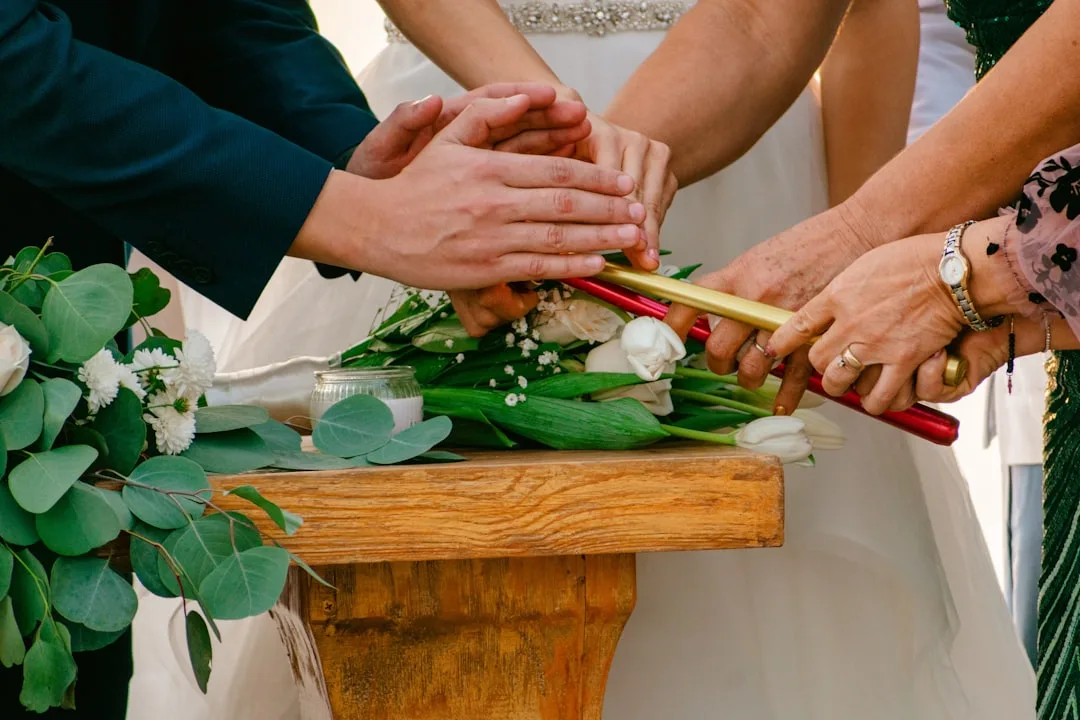
Some couples have begun adapting unity rituals to include family members or close friends, transforming a two-person moment into a collective act. A sand ceremony, for instance, can include children from blended families each pouring their own color. Handfasting can involve a friend or family member tying the knot, adding an additional layer of witness and blessing. Candle lighting sometimes invites parents or grandparents to participate by lighting their own candles first, creating a generational chain.
This shift reflects a broader desire to acknowledge that marriage doesn’t exist in isolation—it’s embedded within networks of support, history, and belonging. Guests feel more connected to the couple when invited to participate actively rather than simply observe. The ritual becomes less about the couple as a unit and more about the couple within their community, which many find emotionally resonant and memorable.
Practical Considerations for Planning Your Ritual
Before selecting a unity ritual, consider the logistics: How long should it take? (Most effective rituals run two to five minutes.) Will it require a table, stand, or other prop? Can it be performed comfortably by the couple, or do they need assistance? Is there a backup plan if weather or venue constraints arise? A handfasting works outdoors in wind; sand ceremonies need still air or an enclosed space. Candle lighting can be challenging in bright sunlight or strong breezes.
Communicate clearly with your officiant about timing and any special instructions. Brief your photographer in advance so they know where to position themselves and what moment to capture. Consider too whether the ritual feels authentic to your relationship or whether you’re selecting it primarily for visual appeal. The most memorable unity rituals are those where the couple’s intention shines through, whether the action is simple or elaborate. Test the logistics during a rehearsal if possible, and give yourself permission to modify or abandon the idea if it doesn’t feel right on the day.