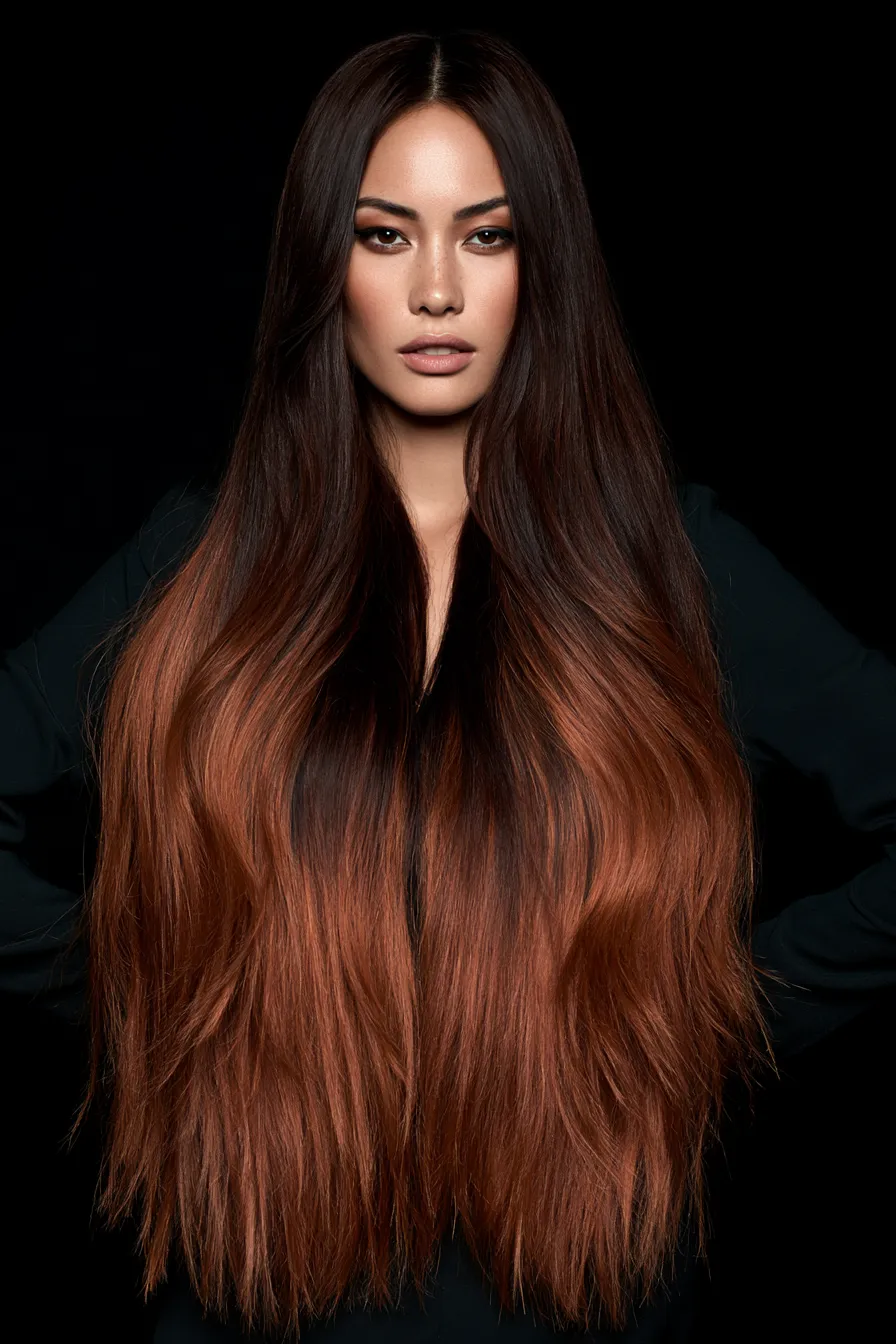
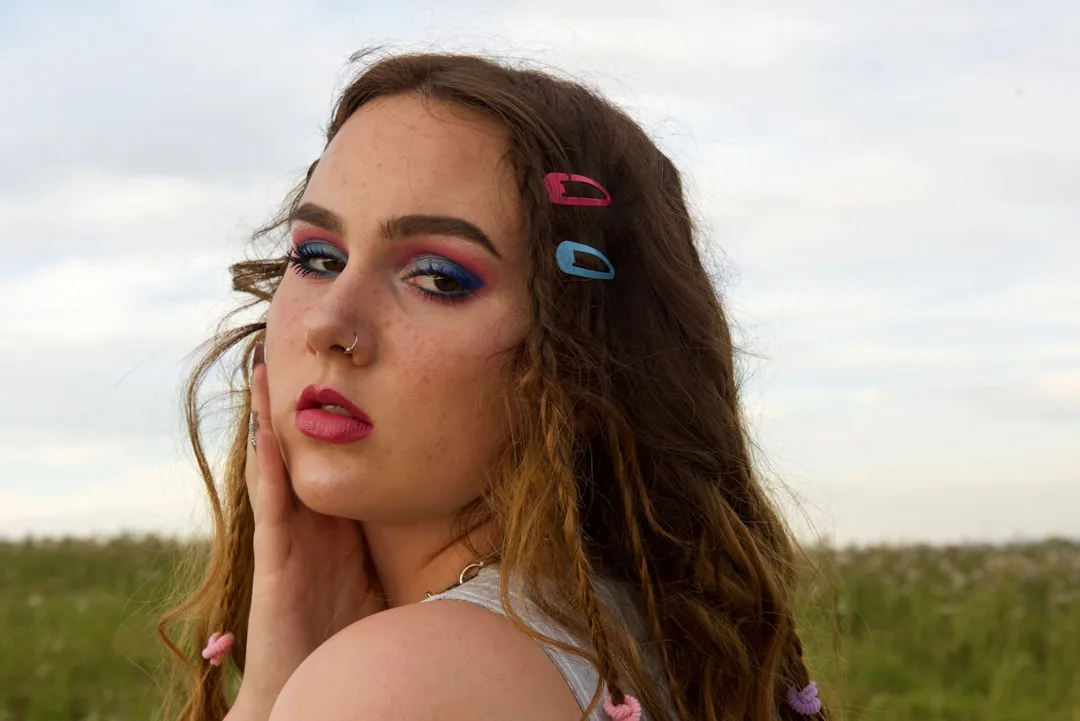
Layered balayage is hand-painted lightening placed on the outer surface and ends of long layers, so each cut line catches its own band of light. Does it work on every length? It performs best on hair that falls below the shoulders, where the layers have room to show a gradient from deeper roots to brighter tips. On a one-length cut the same color reads flatter, like sunlight on a wall rather than on a staircase. If your hair already reaches your collarbone, you have the canvas this technique needs.
Average salon prices for balayage sit around $150–$200, with a national average near $175, and long or thick hair lands toward the top of that range. The payoff is time: most balayage stays wearable for roughly 3–4 months before a touch-up, while foil highlights with full root coverage often need a visit every 4–6 weeks. That gap is why long layers with balayage appeal to anyone who wants color that grows out softly. Budget for the first appointment plus one toner refresh, not for monthly root work.
The shade you pick changes the upkeep more than the cut does. Caramel and honey sit close to a brunette base and fade slowly, copper and rose gold lose pigment within weeks, and platinum may take several sessions to reach. Each option below comes with real timelines and price ranges. Match the color to your calendar before you sit in the chair.
Quick Scan
- Average balayage prices run $150–$200; long, thick hair sits at the upper end.
- Balayage grows out over 3–4 months vs 4–6 weeks for foil root touch-ups.
- Copper and red tones hold 4–6 weeks with good care, only 2–3 weeks without it.
- Rose gold and other pastel tones last about 2–4 weeks by design.
- Platinum can take up to 3 lightening sessions on darker bases.
- Washing every 2–3 days instead of daily roughly halves the speed of fading.
- Layers need a trim about every 8–12 weeks to keep the gradient crisp.
Why Balayage With Layers Outshines One-Length Color
Balayage with layers works because the colorist paints each tier separately, so the lighter tips land at several heights instead of along one blunt line. Think of stage lighting on a staircase, where every step catches the beam at a different point. Most colorists want hair at least at shoulder length for the technique, and long layers multiply the number of edges that can carry light. Ask for the painting to follow your layer lines, not a generic sweep across the back.
How much regrowth will you actually see? Hair grows roughly half an inch a month, so a 3–4 month gap between visits leaves about 1.5–2 inches of natural root. On layered hair, balayage hides that band because the painted pieces start lower and blend upward. Solid all-over color, by contrast, shows the same regrowth as a visible stripe by weeks 6–8. Skip root-to-tip lightening if you want long gaps between appointments.
- Top layer: the finest slices and the softest brightness near the part.
- Middle layers: medium pieces that flash into view when the hair moves.
- Under layers and ends: the brightest tone, visible in waves and ponytails.
Do not ask for chunky panels on fine, long layers. Thick stripes on thin hair read like zebra lines once the layers swing, while fine slices melt into a soft gradient. Basic balayage on long hair typically costs $150–$250 at standard salons, so describe the size of the pieces before the lightener comes out. Bring two photos, one you like and one you dislike, to show exactly where your line sits.
Caramel Shades That Warm Up Long Layered Balayage
Caramel suits long layered balayage on brunette hair because it lifts the base only a few shades and works with natural warmth instead of fighting it. Is caramel the lowest-maintenance option? On medium and dark brown bases it usually is, since permanent color several shades lighter holds roughly 5–7 weeks with decent care before the tone shifts. Caramel vs ash blonde is the clearest contrast: ash has to cancel the orange in brown hair, caramel uses it. Choose caramel if you want a bright change without a monthly toner habit.


The color behaves like late-afternoon light on polished wood, deepest near the roots and glowing at the tips. A round brush with a two-inch barrel bends the ends outward and turns each layer into a reflective curve. For the full technique, follow this round brush blowout routine for lifted, bouncy hair, which takes about 30 minutes at home. Dry the roots first and the caramel ends last so the warmth sits on the surface.


Caramel grows out gracefully, yet it still drifts toward brass if you wash daily under hot water. Color-care brands estimate that daily washing fades color roughly twice as fast as washing every two to three days. A few drops of lightweight oil on the ends add shine without dragging down the layers. Avoid heavy silicone serums on fine hair, since they flatten the very movement that shows off the color.
Golden Honey Balayage Built Around Face-Framing Layers
Golden honey balayage on front layered haircuts places the brightest pieces around the face, where they work like a reflector board held under the chin. The shade sits a step lighter than caramel and a step warmer than beige blonde, so it brightens without a full blonde commitment. Does honey need toner? Usually yes, and blonde toner tends to hold about 3–5 weeks with good care before the gold turns brassy. Ask for the first face-framing slice to start at cheekbone or chin level so the glow lands where people look.


Toner refreshes average $40–$80 and are usually booked every 6–10 weeks, far less than repeating the full balayage. Honey vs platinum is the key trade-off here: honey needs less lift, so the hair keeps more strength and shine. A deep side part flips the front layer across the face and doubles the visible gold. Do not let the face-framing pieces go a level brighter than the rest unless you want a deliberate money-piece effect.


Loose waves show honey tones best, because each bend turns a new angle toward the light. A weekly hydrating mask keeps the lightened ends from feeling like straw. A monthly clarifying wash removes the mineral film that makes gold read muddy instead of bright. Treat the mask as a standing weekly appointment, not an emergency fix.
Copper Balayage on Long Layers Demands a Faster Gloss Rhythm
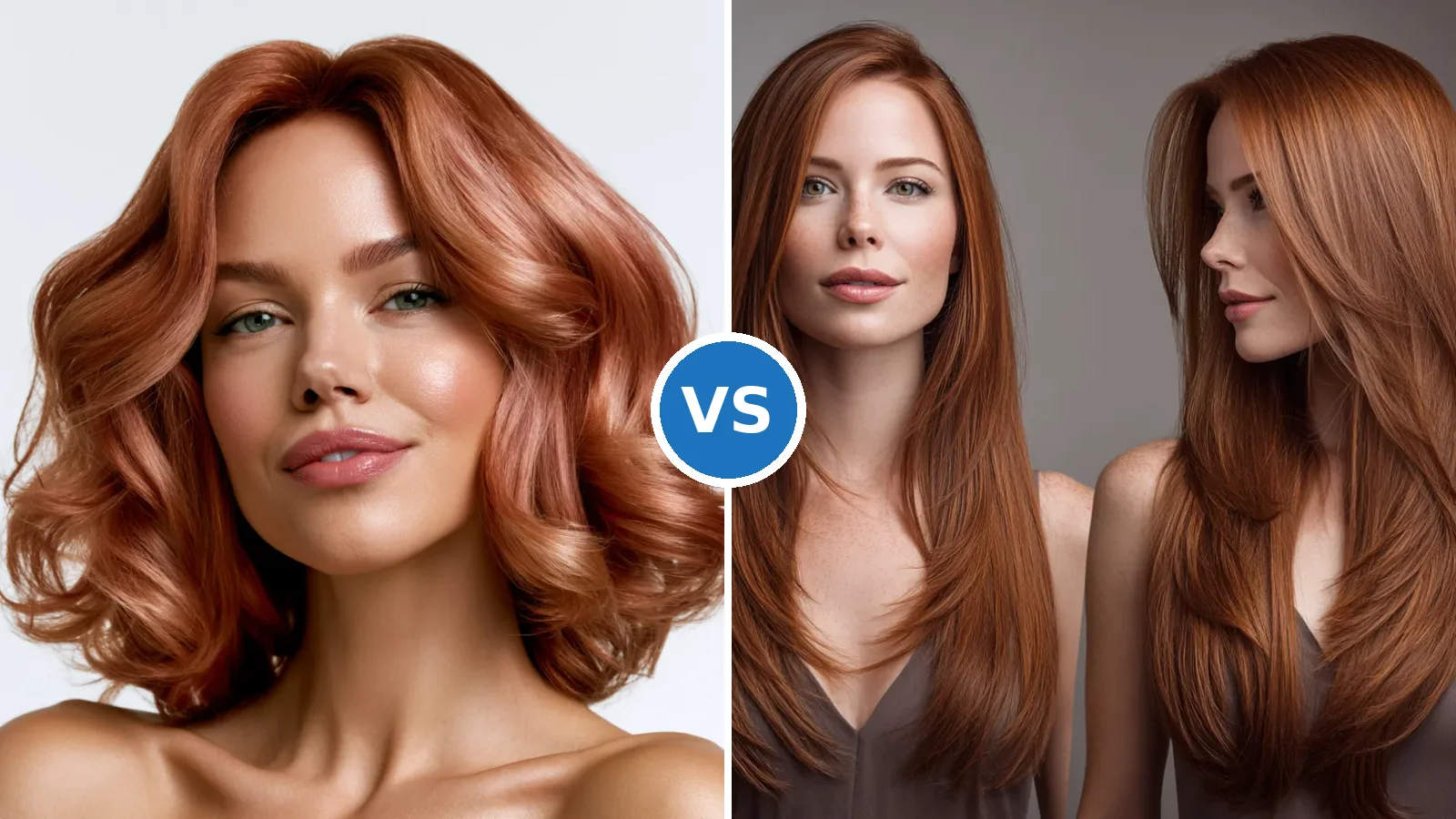
Copper balayage on long layers delivers the most heat of any shade here, and it also fades the fastest. Red and copper pigment molecules are larger than most others, so they sit closer to the cuticle and rinse out first. With decent care copper holds about 4–6 weeks, while sulfate shampoo and hot showers can cut that to 2–3 weeks. Plan copper around a gloss every 6–8 weeks, not around the full balayage cycle.


Copper behaves like fresh varnish that dulls fastest in strong sun. Is copper or auburn the easier warm red to live with? Auburn usually wins on upkeep, and this comparison of copper hair vs auburn maintenance lays out the appointment rhythm for each. A full copper change on virgin hair typically takes 2–3 hours in the chair, and dark bases may need more than one session. Book your gloss before a sunny trip, not after it.


Sleek, straight styling shows copper as one continuous ribbon, while soft curls break it into amber and red flecks. Wash with cool water and a sulfate-free formula, since heat opens the cuticle and lets pigment escape. Skip alcohol-based hairsprays, which dim red tones faster than most styling products. Keep makeup and accessories simple when the hair is this saturated, so the copper stays the focal point.
Platinum Silver Brings Cool Contrast to Long Layers With Balayage
Platinum silver on long layers with balayage creates the sharpest contrast in this lineup, especially over a darker root. Reaching icy silver on brown hair can take up to three lightening sessions, so treat the look as a project rather than a single visit. Silver vs golden blonde comes down to undertone: silver needs toner to cancel yellow, while golden blonde keeps it. Start with a strand test before committing the whole head.


Blonde toner fades in about 3–5 weeks with good care and in roughly 2 weeks with harsh shampoo, which makes silver the most demanding shade at home. Purple shampoo keeps yellow in check, but using it at every wash can leave the ends dull and lilac. How often should silver be toned? Most colorists book a toner refresh every 6–10 weeks. Alternate purple shampoo with a moisturizing one instead of relying on it alone.


Heavily lightened hair acts like a sponge full of holes: it soaks up moisture fast and loses it just as quickly. A weekly hydrating mask and heat protection before every blow-dry keep platinum layers from snapping at the ends. Straight styles show the silver gradient clearly, while big waves add depth by shadowing the darker root. Do not chase the whitest possible white in one sitting; a slightly softer silver keeps more strength in the lengths.
Rose Gold Gives Layered Balayage Hair a Softer Pink Edge
Rose gold suits layered balayage hair that already sits at a light blonde, because the pink deposit needs a pale base to show. On brown ends the same shade turns muddy mauve, so rose gold vs copper often comes down to how light your hair is right now. Pastel and fashion shades fade in about 2–4 weeks by design, and with daily washing they can last roughly a week. Choose rose gold for a season, not for a year.


Wash count matters more than the calendar for pastel tones, and this week-by-week hair color fading timeline shows red and pastel shades dropping first. Washing every 2–3 days with lukewarm water and a cool final rinse of about 10 seconds slows the loss. A pink-tinted conditioner on every second or third wash tops up the tone between salon visits. Keep clarifying shampoo away from fresh rose gold, since it pulls out pastel pigment fast.


Rose gold works like a warm photo filter: quiet in the shade, glowing in direct sun. Beach waves catch both the pink and the gold strands, while flat-ironed styles can make the color look one-note. Is rose gold flattering on cool skin? Pink-leaning versions usually suit cool undertones, while peachier mixes favor warm complexions. Ask your colorist to set the pink-to-gold ratio by your undertone, not by a celebrity photo.
Long layers decide where light lands, and balayage decides what color that light turns. Get both right and the hair looks in motion even when you stand still, which is the real reason to pair a soft cut with hand-painted tone.
Balayage Versus Foil Highlights on Long Layered Hair
Long layered hair with highlights and long layered balayage can look similar on day one, yet they grow out in completely different ways. Foils saturate each strand from root to end, so regrowth appears as a line, and full root coverage needs a visit every 4–6 weeks. Balayage starts lower and fades upward, so most people stretch it to 3–4 months. Pick foils for maximum brightness at the part and balayage for fewer appointments.
Price follows the same logic. Balayage averages about $150–$200 per visit, while ombre, its bolder cousin with a sharper dark-to-light split, typically runs $130–$200. Is the higher ticket worth it? On a 3–4 month cycle balayage means three or four visits a year, compared with roughly 9–13 foil root appointments on a 4–6 week rhythm. Ask for a written quote that separates color, toner and cut.
| Technique | Placement | Average cost | Touch-up interval | Visits per year | Regrowth look |
|---|---|---|---|---|---|
| Balayage | Hand-painted mid-lengths and ends | $150–$200 | 3–4 months | 3–4 | Soft, diffused |
| Foil highlights | Root to end in sections | Usually below balayage | 4–6 weeks for full roots | 9–13 | Visible line |
| All-over permanent color | Entire strand | Varies by salon | 6–8 weeks | 6–9 | Solid stripe at the part |
| Ombre | Dark top, light ends | $130–$200 | Varies by contrast | Varies | Bold, intentional split |
Modern long layered haircuts and balayage work best when both are planned in the same consultation. Layer edges are what show the gradient, and a trim every 8–12 weeks keeps them defined. Letting the cut grow shapeless is like hanging a good painting crooked: the color is still there, but nobody sees it properly. Use the checklist below when you book.
- Bring two reference photos, one you love and one you want to avoid.
- Ask whether the stylist cuts before or after painting, since layer lines guide placement.
- Confirm how many sessions the target shade needs, especially for platinum or copper on dark hair.
- Pre-book the toner or gloss refresh at 6–10 weeks when you pay for the first visit.
- Schedule trims every 8–12 weeks to keep the layer edges sharp.
Don’t Do This
- Don’t wash fresh color in the first 3 days; the dye is still settling into the strand.
- Don’t wash daily under hot water; it fades color roughly twice as fast as washing every 2–3 days.
- Don’t book copper or rose gold right before a beach week; UV dulls red and pink pigment quickly.
- Don’t expect platinum from dark brown in one visit when up to 3 sessions may be needed.
Layered Balayage Shades Compared by Upkeep
Five shades, five very different maintenance calendars. Caramel and honey hold for weeks with little effort, while copper, platinum and rose gold need a refresh plan from day one. The table puts typical fade windows and refresh intervals side by side. Read the “Tone holds” column first, because it predicts your real cost better than the first appointment price.
| Shade | Best base | Sessions to reach | Tone holds | Refresh plan | Upkeep level |
|---|---|---|---|---|---|
| Caramel | Medium to dark brown | 1 | 5–7 weeks | Full touch-up every 3–4 months | Low |
| Golden honey | Light to medium brown | 1 | Toner 3–5 weeks | Toner every 6–10 weeks, $40–$80 | Low to medium |
| Copper | Light brown or blonde | 1, or 2+ on dark hair | 4–6 weeks | Gloss every 6–8 weeks | High |
| Platinum silver | Light brown or blonde | Up to 3 | Toner 3–5 weeks | Toner every 6–10 weeks | High |
| Rose gold | Pre-lightened blonde ends | 1 after lightening | 2–4 weeks | Tinted conditioner every 2nd–3rd wash | Medium to high |
Notice how the fastest-fading shades are also the boldest. Copper and rose gold trade longevity for impact, while caramel and honey trade impact for calm calendars. If your schedule allows a salon visit only every three months, stay in the top two rows. Pick the shade you can maintain, then pick the shade you love within that range.
The Bottom Line
Layered balayage earns its price through time: one $150–$200 appointment can carry long hair for 3–4 months, versus a 4–6 week root cycle with foils. The layers do half the work by spreading light across several heights. Few color services give that much visible change per visit.
For low upkeep, choose caramel or golden honey. Caramel holds about 5–7 weeks before shifting, and a honey toner refresh costs around $40–$80 every 6–10 weeks.
For maximum impact, choose copper or rose gold and accept the rhythm. Copper needs a gloss every 6–8 weeks, and rose gold lasts only 2–4 weeks without at-home tinted care.
For platinum, budget for up to three lightening sessions and weekly masks. Whatever the shade, trim the layers every 8–12 weeks so the gradient keeps its shape.