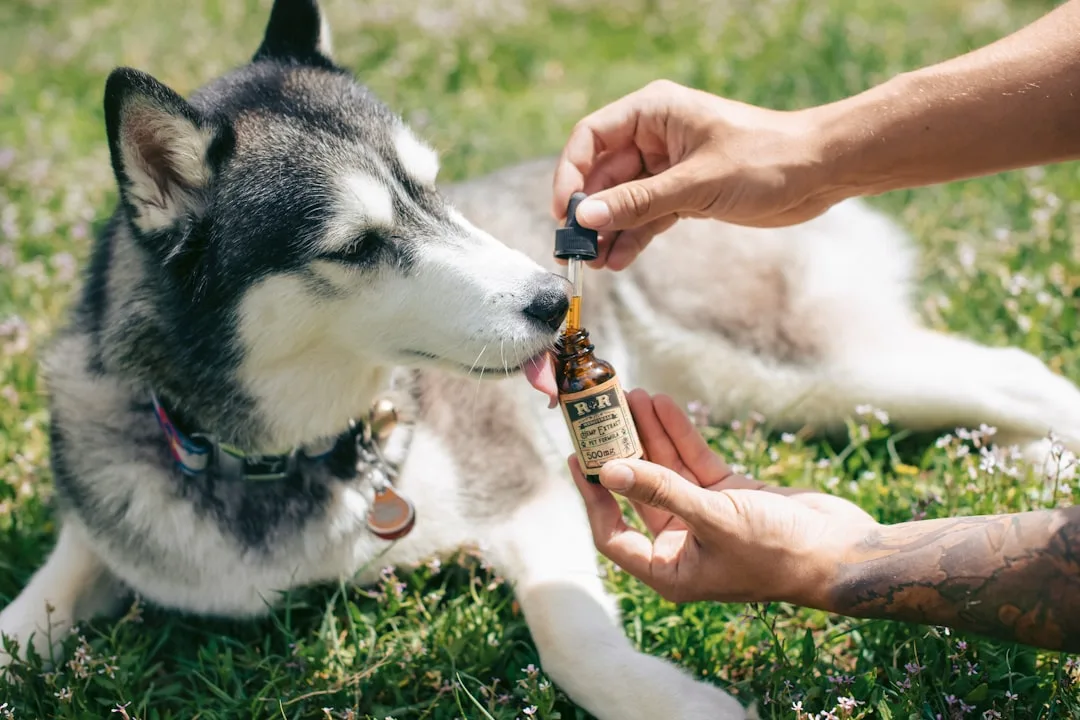
A golden retriever in Portland, Oregon woke her owner at 3 a.m. seven nights straight in July—no barking, just restless pacing. The vet found nothing: bloodwork clean, ears clear, diet unchanged. Two weeks later, thyroid panels caught early hyperthyroidism. The sleep disruption was the first warning signal her owners missed. Pet companion sleep cycles are no longer background noise; they’re data that drives diagnosis.
Most owners fixate on how many hours their pet sleeps—eight hours, ten hours, whatever feels normal. That’s the 2015 approach. In 2026, veterinarians and forward-thinking owners track sleep architecture: REM density, micro-arousal frequency, position transitions, and circadian rhythm stability. These patterns reveal inflammation, neurological drift, pain escalation, and metabolic stress long before a pet limps or refuses food.
Here’s why this matters now: companion animals age faster than humans in compressed time. A two-year sleep disruption in a dog equals roughly ten years of accumulated stress on organ systems. Catching that signal early through sleep monitoring saves intervention costs, extends quality lifespan, and prevents emergencies that blindside owners.
Sleep Architecture as Early Warning System
Whistle, a pet health wearable maker based in San Francisco, released their Sleep Quality Dashboard in early 2026, tracking not sleep duration but fragmentation patterns. A healthy dog shows 4-6 consolidated sleep bouts per 24 hours; anything splintered into 12+ micro-awakenings signals pain, anxiety, or metabolic imbalance.
Cats are naturally polyphasic sleepers—15-20 short bursts daily is normal. Dogs, however, are biphasic: a long night block plus one afternoon nap. When that pattern collapses into constant short cycles, something is wrong.
A senior German shepherd in Denver exhibited fragmented sleep for six weeks before her owner understood the cost. She’d wake every 45 minutes, shifting position, panting lightly. Hip dysplasia pain was the culprit, accelerating. By the time lameness appeared visibly, cartilage erosion was advanced. Early sleep data would have triggered orthopedic intervention before structural damage compounded.
Quick Tips
- Track sleep position changes: side-sleeping to back-sleeping shifts often indicate pain or breathing stress
- Note REM twitch frequency—excessive dream activity can signal neurological inflammation or fear conditioning
- Monitor seasonal shifts: increased sleep in winter or decreased sleep in heat stress contexts help catch metabolic timing problems
- Watch post-meal rest latency: healthy pets rest 1-2 hours after eating; longer delays suggest digestive inflammation
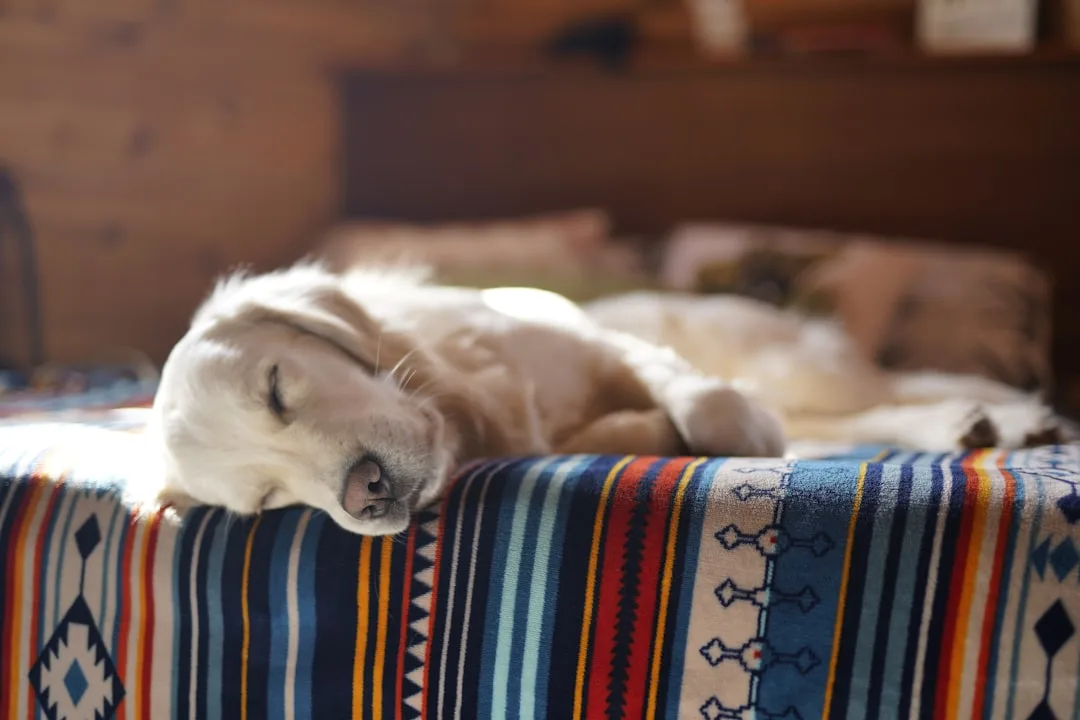
Sleep Monitoring Tools Transform Home-Based Diagnosis
Petronics, a Korean wearable manufacturer, embedded sleep sensors into collar tags under 15 grams—light enough that active dogs forget they’re wearing them. The device measures sleep depth using micro-motion analysis rather than invasive EEG, logging data to a smartphone app that flags irregular patterns within 48 hours.
Traditional veterinary visits happen once yearly for healthy pets. Sleep data streaming daily creates a continuous health baseline. A vet no longer relies on a ten-minute observation; they see three months of rest architecture before the checkup.
Competitive collars from brands like Fit Bark measure activity and rest, but sleep quality granularity—distinguishing light dozing from deep restorative sleep—still separates premium monitoring from basic step counting.
| Monitoring Method | What It Tracks | Best For |
|---|---|---|
| Wearable collar sensors | Sleep depth, micro-arousal, circadian shifts | Daily preventive monitoring, pain detection |
| Smart bed inserts | Pressure distribution, position time, movement | Orthopedic or post-surgery recovery validation |
| Phone camera apps | Visual sleep staging, breathing rate | Budget monitoring, behavioral sleep issues |
| Veterinary in-clinic polysomnography | Complete EEG, muscle tone, brain state | Seizure disorder diagnosis, complex neurological cases |
The Mistake Most Owners Make With Pet Rest Data
Owners see their dog sleep more in winter and assume it’s seasonal laziness. Wrong. Increased sleep without corresponding activity decrease often signals lower thyroid output or early cognitive decline. A beagle sleeping 14 hours per day in August—when heat stress should keep rest minimal—is showing metabolic suppression, not contentment.
One Boston family bought sleep tracking data and ignored three months of alerts showing their twelve-year-old cat’s sleep fragmentation doubling. “Cats nap a lot,” they reasoned. By the time they scheduled a vet visit, kidney disease had advanced to Stage 3. Intervention came too late to prevent decline.
The trap: owners collect data but don’t act on baseline changes. Your pet’s normal is their normal—not breed-average normal. If your individual dog shifts from 9 consolidated nighttime hours to 6 fragmented hours, that’s a 33% efficiency loss regardless of breed. That shift demands investigation.
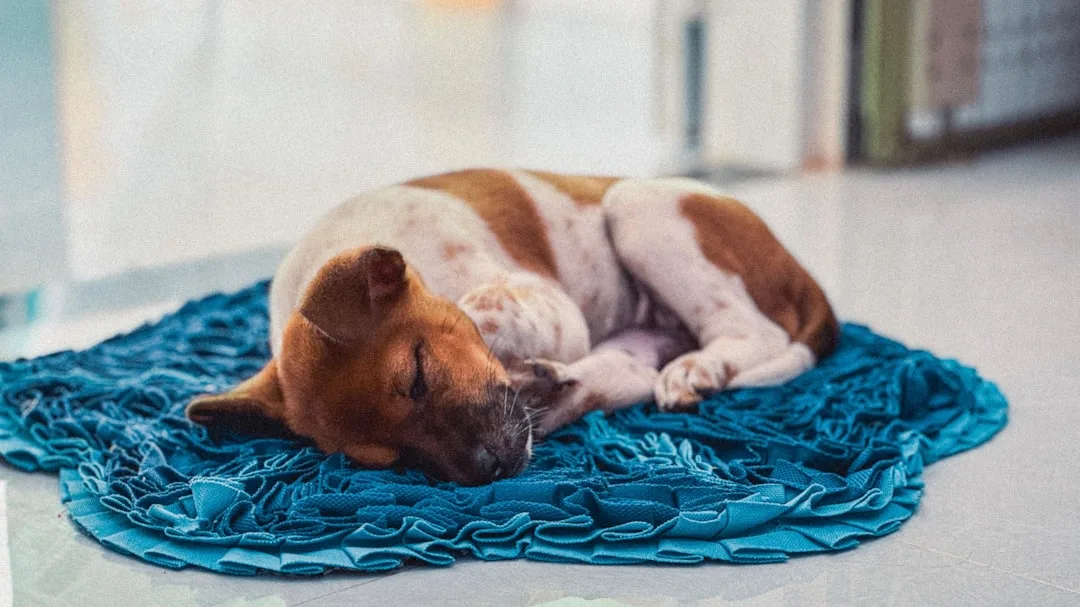
Sleep Quality Links to Long-Term Immune Function
Cornell University’s College of Veterinary Medicine published findings in early 2026 showing dogs with fragmented sleep patterns had elevated cortisol for 18 hours after disruption—affecting immune cell production and inflammation clearance. Sleep debt doesn’t reset overnight in pets any more than in humans.
A rough-sleeping rescue dog with trauma history will show 60-80 micro-awakenings nightly for months. That chronic arousal state pushes cortisol high, suppressing vaccine response and gut barrier integrity. Sleep architecture improvement—through environmental comfort, anxiety reduction, or pain management—directly improved immunological resilience in follow-up studies.
This is why orthopedic beds aren’t luxury anymore. A $200-400 memory foam bed with edge support reduces nighttime position shifts by 40%, lowering sleep fragmentation by 30%. That’s not comfort; that’s preventive medicine. You’re buying immune system stability.
Seasonal and Circadian Patterns Reveal Hidden Illness
Cats normally shift sleep timing with daylight: more active at dawn and dusk. In late July 2026, a Toronto owner noticed her indoor cat sleeping at noon—when she normally hunted toy mice. By late August, the cat showed subtle weight loss. A thyroid panel caught hyperthyroidism. The circadian shift was the earliest symptom.
Dogs show less seasonal sensitivity but strong photoperiod response. Winter sleep extension is normal; winter sleep fragmentation is not. A labrador sleeping fractured nights in January after sleeping solid through October signals metabolic or mood shift requiring investigation.
Tracking sleep alongside day length, temperature, and feeding time creates a multivariate health profile. When sleep efficiency declines while light exposure and temperature remain constant, the problem is internal—not environmental—and usually medical.
Integrating Sleep Data Into Preventive Veterinary Care
Forward-thinking vets now request sleep logs alongside Pet Food Quality Indicators That Protect Your Animal’s Health documentation before annual exams. Sleep architecture data narrows differential diagnosis faster. A dog with vomiting, lethargy, and elevated micro-arousals at night gets ultrasound and pancreatic enzyme panels sooner than one presented with vomiting alone.
Telehealth platforms now integrate sleep wearable APIs directly into consultation software. Your vet sees the last 90 days of sleep data during a remote checkup, spotting trends a single office visit never reveals. This hybrid monitoring—combining traditional exams with continuous sleep tracking—is reshaping preventive protocols in specialty clinics.
The cost shift is significant. Early detection through sleep data prevents expensive emergency room visits, reduces diagnostic imaging overuse, and extends the window for management intervention. A $150 collar saving one $2,000 emergency visit pays for itself twenty times over—beyond the quality lifespan extension it delivers. By tracking sleep, you’re replacing reactive crisis medicine with predictive wellness, and that Pet Anxiety Medication Alternatives That Actually Work in 2026 also benefit from known sleep baselines when behavioral protocols begin.
Practical Resources for Pet Sleep & Wellness Monitoring
These tools help you move from observation to action — whether you need to recognize a warning sign, interpret tracker data, or find the right vet for a follow-up.
How do I know which changes in my pet’s behavior are serious enough to call the vet?
What does my pet’s sleep score actually mean, and how is rest quality measured?
Where can I find a vet who takes behavioral or neurological sleep issues seriously?