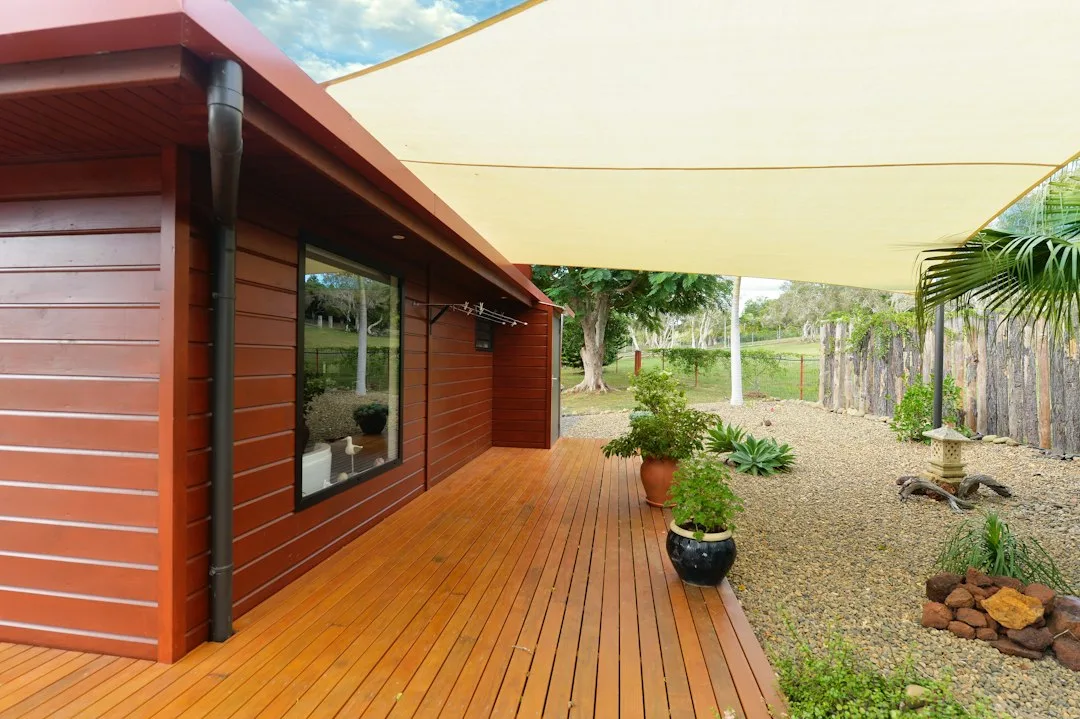
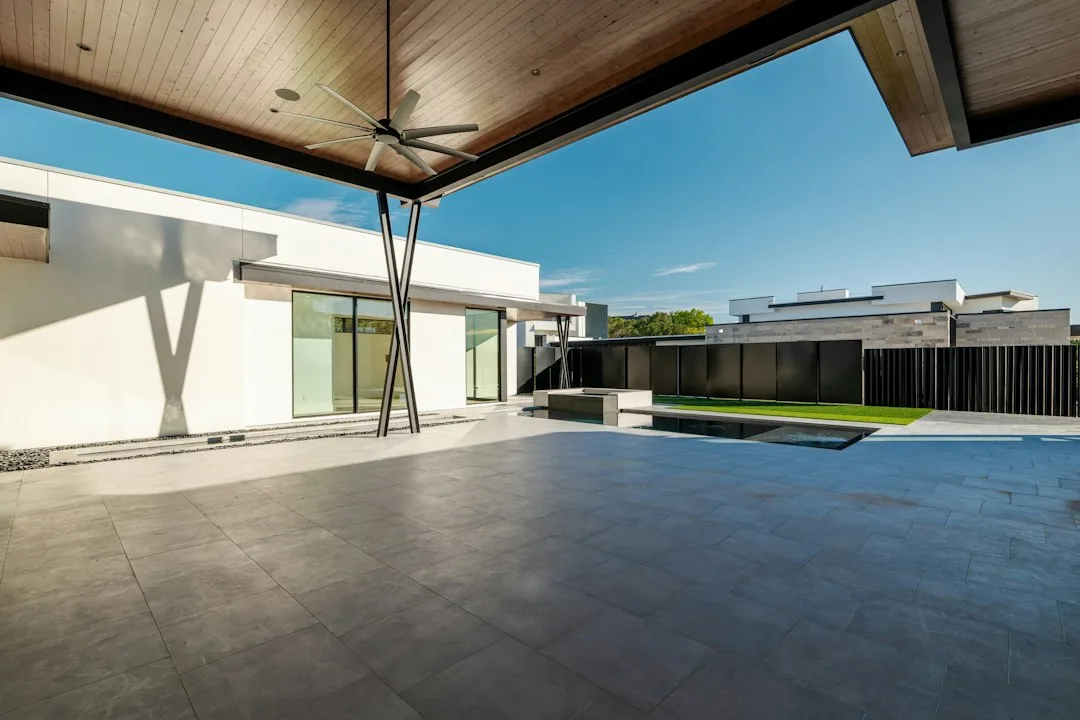
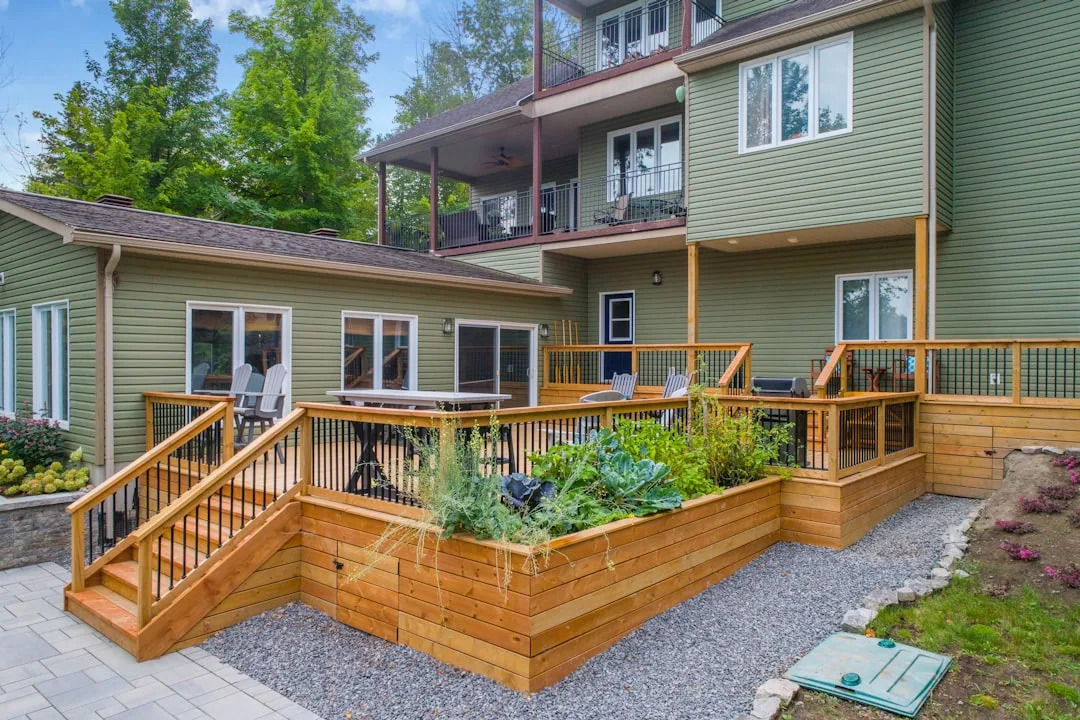
Retractable porch screens represent the biggest shift in outdoor architecture since the pergola trend peaked two years ago. Unlike fixed screening that stays permanently rolled or deployed, motorized systems operate at the push of a button—or through smartphone apps—meaning homeowners finally get flexibility without compromise. The Draper Zip Screen system, manufactured by Draper Inc., uses a spring-tension roller mechanism combined with quiet electric motors, letting users deploy screens in under 30 seconds across openings up to 12 feet wide.
The core reason retractable porch screens are trending now involves two converging market forces. First, extreme weather volatility has homeowners reconsidering fixed architectural features; a permanent screen blocks afternoon views during mild weather, while a motorized version stays hidden. Second, smart home integration has normalized app-controlled outdoor systems, making remote screen deployment feel as natural as adjusting interior lighting.
Why Motorized Systems Replace Fixed Screening
Fixed porch screens became standard in American homes during the 1950s, but they solve only one problem: insects. They trap heat, obscure views, and require laborious manual cleaning of mesh clogged with dust and pollen. Motorized retractable screens like the Zip Screen system address all three objections simultaneously.
The mechanics work through a combination of spring-loaded rollers and brushless DC motors powered by 12-volt batteries. When retracted, the mesh rolls into an aluminum housing mounted above the porch opening, leaving zero visual obstruction. Deploy takes roughly 25 to 35 seconds depending on opening width, and the system operates on less power than a LED landscape light.
Installation typically requires mounting the top roller housing, installing vertical guide rails on either side of the opening, and wiring to a 12-volt battery pack housed in an outdoor-rated cabinet. Most residential installations can be completed in 4 to 6 hours by a qualified contractor. A typical 8-foot opening with motorized controls costs in the $2,000 to $3,500 range depending on fabric grade and control options, replacing what homeowners previously paid for fixed screening plus ongoing repair and cleaning labor.
Quick Tips
- Request a product with weather-seal gaskets to prevent water infiltration along guide rails during heavy rain
- Specify brushless motor technology to minimize noise when deploying screens during outdoor entertaining
- Ask about backup manual operation in case battery power fails during an extended outage
- Install screens on covered porch ceilings only—sun exposure degrades mesh and motor components within 3 to 4 years
Motorized versus Manual Deployment Comparison
| Feature | Motorized Retractable | Fixed Screening |
|---|---|---|
| Deployment Time | 25–35 seconds | Already deployed |
| View Obstruction | Zero when retracted | Permanent mesh visible |
| Weather Flexibility | Adapts to wind, rain, sun | Single configuration |
| Maintenance Burden | Quarterly guide rail cleaning | Monthly mesh washing |
Smart Home Integration Drives Real-Time Control
The conversion to motorized systems accelerated once smartphone apps became standard. Products like the SunShade Smart Porch Screen from Lutron offer WiFi connectivity, meaning homeowners can deploy screens remotely while driving home before a thunderstorm, or raise them in the morning to let sunlight warm the porch space.
Weather-Resistant Materials Extend Screen Lifespan
Modern retractable screens use advanced fabrics that withstand harsh sun exposure, salt spray, and moisture without deteriorating. Mesh materials like fiberglass-reinforced polyester and vinyl-coated polyester have largely replaced cotton and lower-grade synthetics that would fray or weaken after a few seasons.
Aluminum and stainless steel frames resist corrosion better than galvanized steel, making them ideal for coastal properties or regions with freeze-thaw cycles. Many manufacturers now offer powder-coated finishes in multiple colors that match contemporary home designs, whether you prefer the sleek aesthetic of creating the French style home exterior of your dreams or a minimalist modern look.
The track systems themselves benefit from self-cleaning designs that prevent debris accumulation, reducing maintenance and ensuring smooth operation year after year.
Cost Comparison Guides Installation Decisions
Budget-conscious homeowners often compare retractable screens against fixed alternatives. While initial installation costs for motorized systems run higher than manual-pull screens, the operational convenience and property value increase justify the investment for many households. Manual screens typically cost 40 to 60 percent less upfront but require physical effort and don’t integrate with smart home systems.
Energy savings from selective sun control contribute to long-term cost recovery. By blocking UV rays during peak afternoon hours, retractable screens reduce air conditioning load, lowering monthly utility bills. When paired with exterior finishing strategies like matching stucco paint color for house facade with 50+ exterior ideas, screened porches become both functional and visually cohesive outdoor rooms.
Professional Installation Ensures Optimal Performance
Proper installation determines whether screens operate smoothly for decades or develop binding issues within months. Certified installers measure frame dimensions precisely, account for uneven surfaces, and calibrate motorized components so tension remains consistent across the entire mesh width.
Warranty coverage typically includes labor during the first year, protecting homeowners from unexpected repair costs if mechanical failures occur. Reputable manufacturers provide detailed care instructions and recommend annual inspections to catch wear before it becomes problematic.
Practical Resources for Choosing and Maintaining Retractable Porch Screens
Three tools to use once you’ve settled on the idea: understanding how mesh type affects shade and view, finding a certified local installer, and previewing how fabric openness will look before you commit.
How do I pick the right mesh fabric — what’s the difference between openness factors and screen colors?
Where do I find a qualified installer for an outdoor porch or lanai screen near me?
Can I see how different mesh openness and color will actually look before ordering?