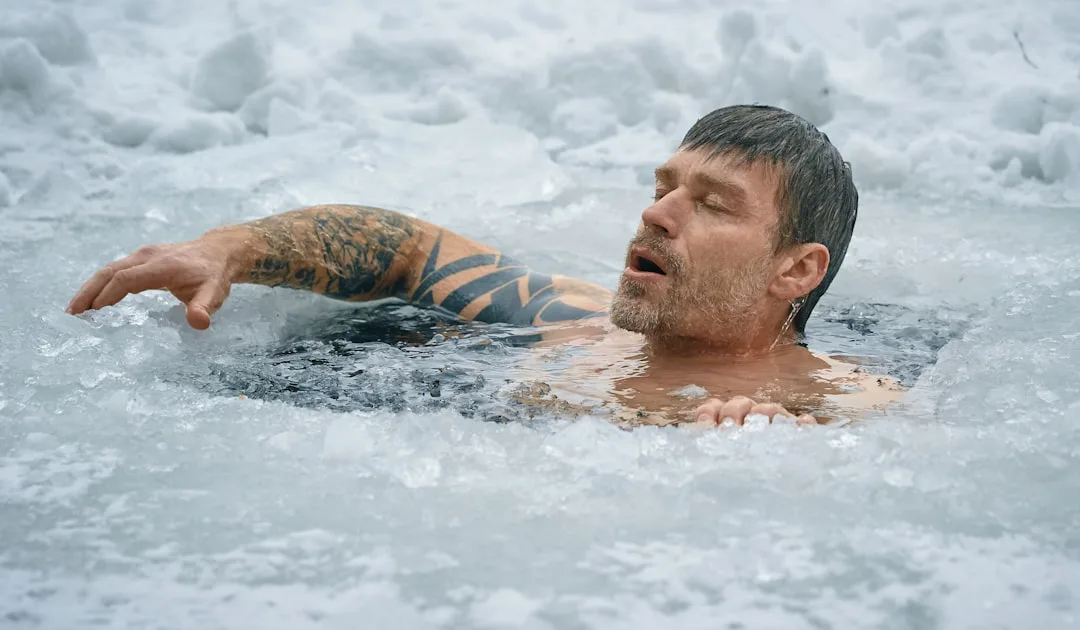
Cold water immersion recovery has moved from Scandinavian spas and rugby clubhouses into the mainstream fitness conversation. A growing body of peer-reviewed research, combined with real-time biometric tracking, now shows that deliberate cold exposure accelerates the inflammatory response cycle—paradoxically speeding adaptation and reducing the lingering soreness that typically peaks 24 to 48 hours after intense training.
How cold water immersion recovery actually works
When muscle fibers undergo resistance training or high-intensity intervals, they sustain micro-tears and trigger inflammation. The traditional view was that inflammation equals damage; modern recovery science reveals inflammation is the signal that tells your body to rebuild stronger.
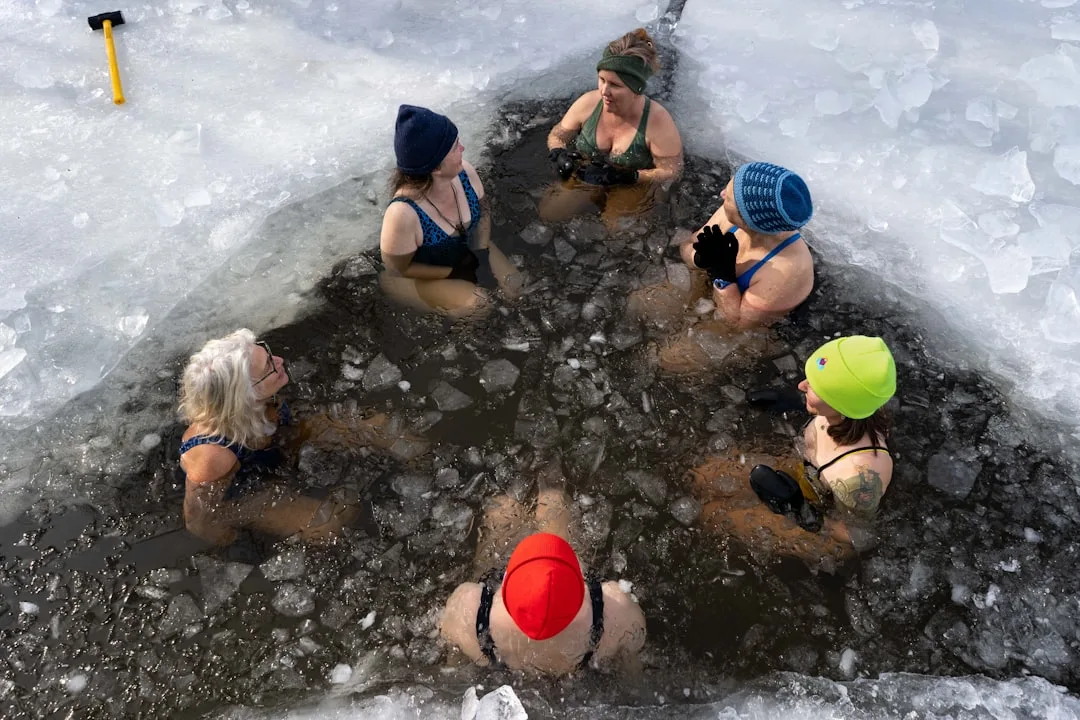
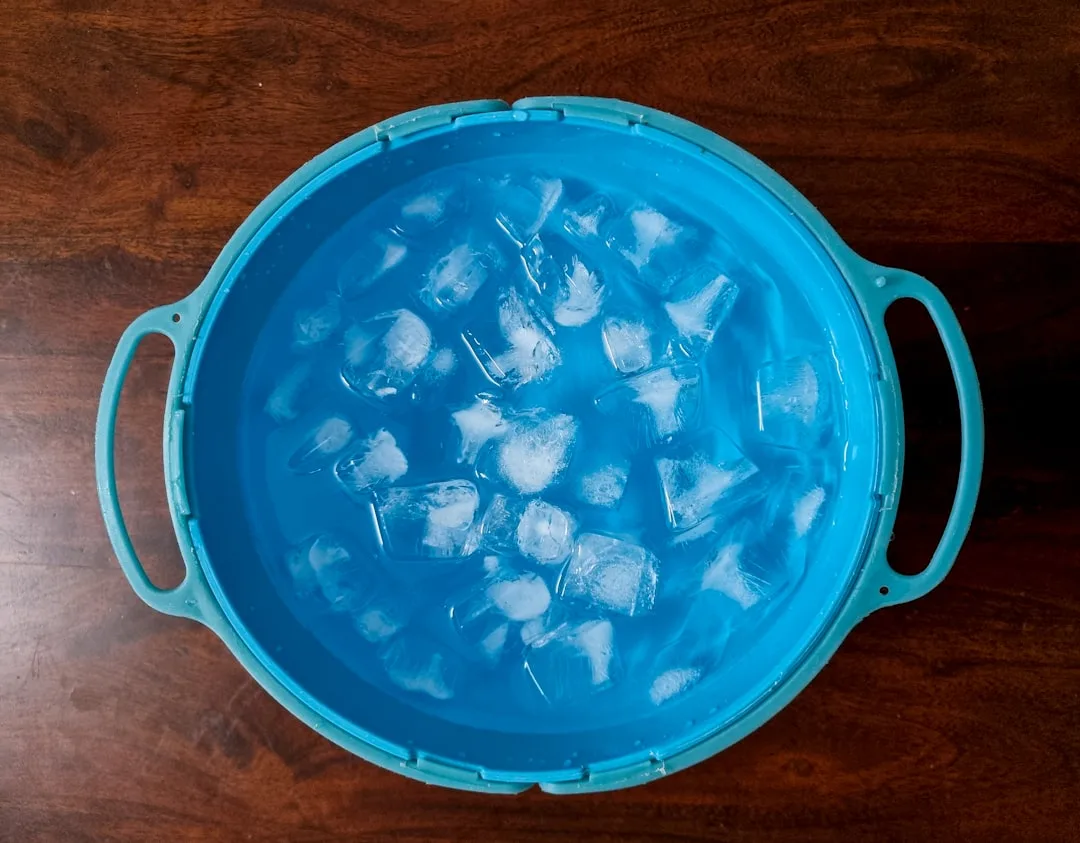
Submerging in water temperatures between 50 and 60 degrees Fahrenheit (10 to 15 Celsius) for 3 to 5 minutes constricts blood vessels. Immediately after you exit, vasodilation floods the region with fresh oxygenated blood and metabolic byproducts that would otherwise linger in fatigued tissue.
Contrast therapy—alternating between hot and cold—amplifies this pump effect. A 2-minute warm water soak at 104°F (40°C) followed by 1-minute cold plunge repeated 3 to 5 times creates what physiologists call a vascular shearing response. This mechanical flushing accelerates the cleanup of lactate and ammonia that accumulate during anaerobic work.
Quick Tips
- Wait 10 to 15 minutes post-workout before immersing; allow heart rate to settle into active recovery range.
- Duration matters more than temperature; 4 minutes at 55°F beats 30 seconds at 40°F for systemic effect.
- Pair immersion with electrolyte intake within 30 minutes; cold exposure increases sodium losses through sweat.
- Avoid immersion on deload weeks; your nervous system needs less aggressive stimulus when intentionally recovering.
- Track water temperature and session duration with a simple notebook; subjective tolerance varies week to week.
Cold water immersion recovery reduces soreness with measurable timing
Athletes using cold water immersion recovery report peak soreness reduction between days 2 and 3 post-session. Delayed-onset muscle soreness (DOMS) typically peaks at 48 hours; immersion-plus-contrast protocols compress that window, with soreness plateauing earlier and resolving faster.
Rogue Fitness and other equipment manufacturers now stock dedicated immersion tubs designed for home use, typically ranging 100 to 300 liters with integrated temperature control. These sit alongside traditional recovery tools—massage guns, compression sleeves—but occupy a distinct category because the outcome is systemic, not localized.
A practical timeline: perform a heavy leg session Monday. Immerse Tuesday morning for 4 minutes at 57°F. Wednesday you’ll notice reduced quad soreness compared to weeks when you skip immersion. By Thursday, you return to normal strength baseline faster.
| Recovery Method | Peak Soreness Timing | Best For |
|---|---|---|
| Passive rest only | 48–72 hours | Full recovery but slower return to intensity |
| Cold water immersion alone | 36–48 hours | Athletes doing 2–3 sessions per week |
| Contrast therapy (hot/cold) | 24–36 hours | High-frequency training or contact sports |
| Immersion + active mobility | 12–24 hours | Competitive athletes preparing for next event |
The mistake that derails cold water immersion recovery results
The most common failure: using immersion as a standalone recovery tool without addressing movement quality. A runner who does a brutal tempo session, jumps into ice water for 3 minutes, then sits on the couch for six hours has only solved half the problem.
Cold water immersion recovery works best when paired with gentle active movement. After exiting the tub, spend 5 to 10 minutes walking, light stretching, or easy yoga breathing. This prevents blood pooling and amplifies the vascular shearing that makes immersion effective.
Another trap: immersing too frequently. Using cold water more than 4 times per week can suppress adaptation signaling. Your body needs some days of normal inflammatory response to trigger strength and endurance gains.
Integration with real-time workout programming
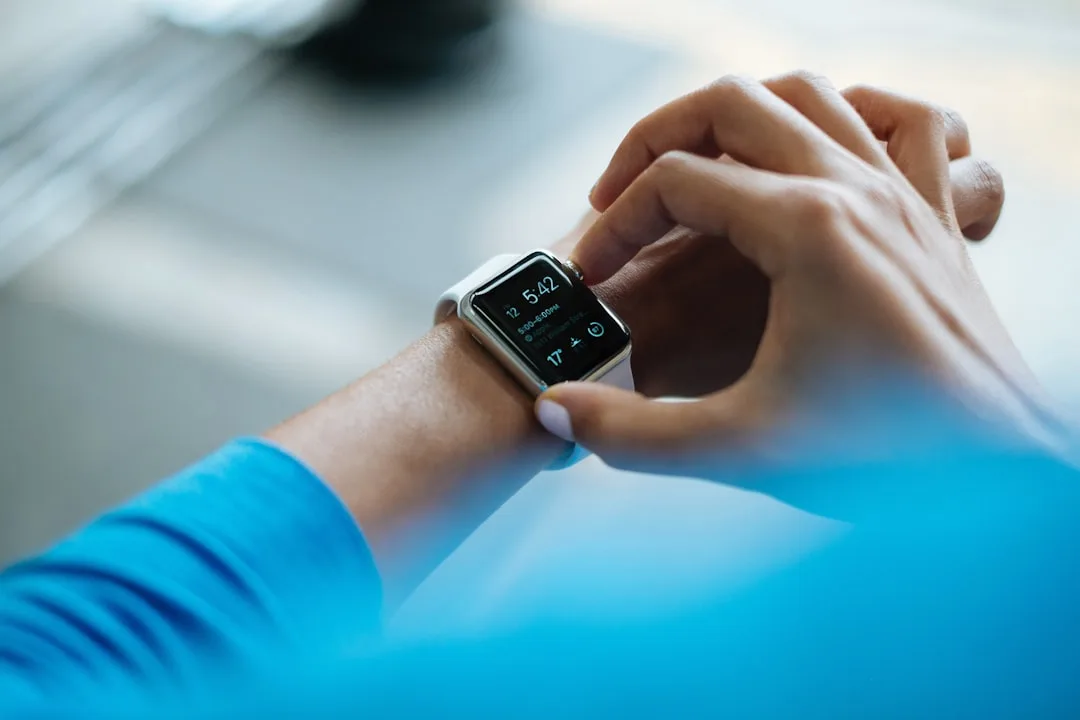
Wearable devices now integrate cold water immersion data into post-session recommendations. Wearable technology fitness shifts from tracking to real-time programming, meaning your smartwatch or training app will flag whether you need immersion or should opt for passive recovery based on heart rate variability and sleep quality from the night before.
Whoop, Oura, and similar biometric platforms measure parasympathetic tone—your nervous system’s ability to shift into rest mode. If your parasympathetic recovery score is already high, aggressive cold exposure may be counterproductive. If it’s suppressed, a 3-minute immersion often restores balance faster than sleep alone.
This August 2026, the fitness landscape includes immersion facilities in mid-sized cities, not just elite training centers. Planet Fitness locations are installing cold plunge pods; CrossFit boxes that once relied solely on contrast showers now budget for dedicated equipment.
Cold water immersion recovery and the interval training connection
Interval-based work—whether high-intensity sprints or Japanese walking transforms fitness with interval training gaining 2986 percent interest—creates acute metabolic demand. The recovery phase is when adaptation happens, not during the effort itself. Cold water immersion recovery accelerates that phase, making frequent interval sessions sustainable.
An athlete doing 3 interval sessions weekly would accumulate severe soreness and central nervous system fatigue without deliberate recovery. Immersion reduces soreness by roughly 30 to 40 percent in most individuals, clearing the way for proper adaptation between sessions. This explains why rugby teams, Olympic weightlifters, and even endurance runners now treat immersion as non-negotiable rather than optional luxury.
The mechanism is not mystical—it’s vascular flushing and temperature-driven parasympathetic activation. Understand that and you understand why cold water immersion recovery has become a mainstream fitness tool by mid-2026.
Tools to Put Cold Water Recovery Into Practice
These resources are useful once you’ve decided to add cold water immersion to your routine — whether you’re calibrating a protocol, checking safety thresholds, or comparing home equipment.
What temperature and duration should I actually use, and when should I avoid immersion altogether?
How do I recognize if something is going wrong during a session?
I want to set up a cold plunge at home — what are my options and what separates them?