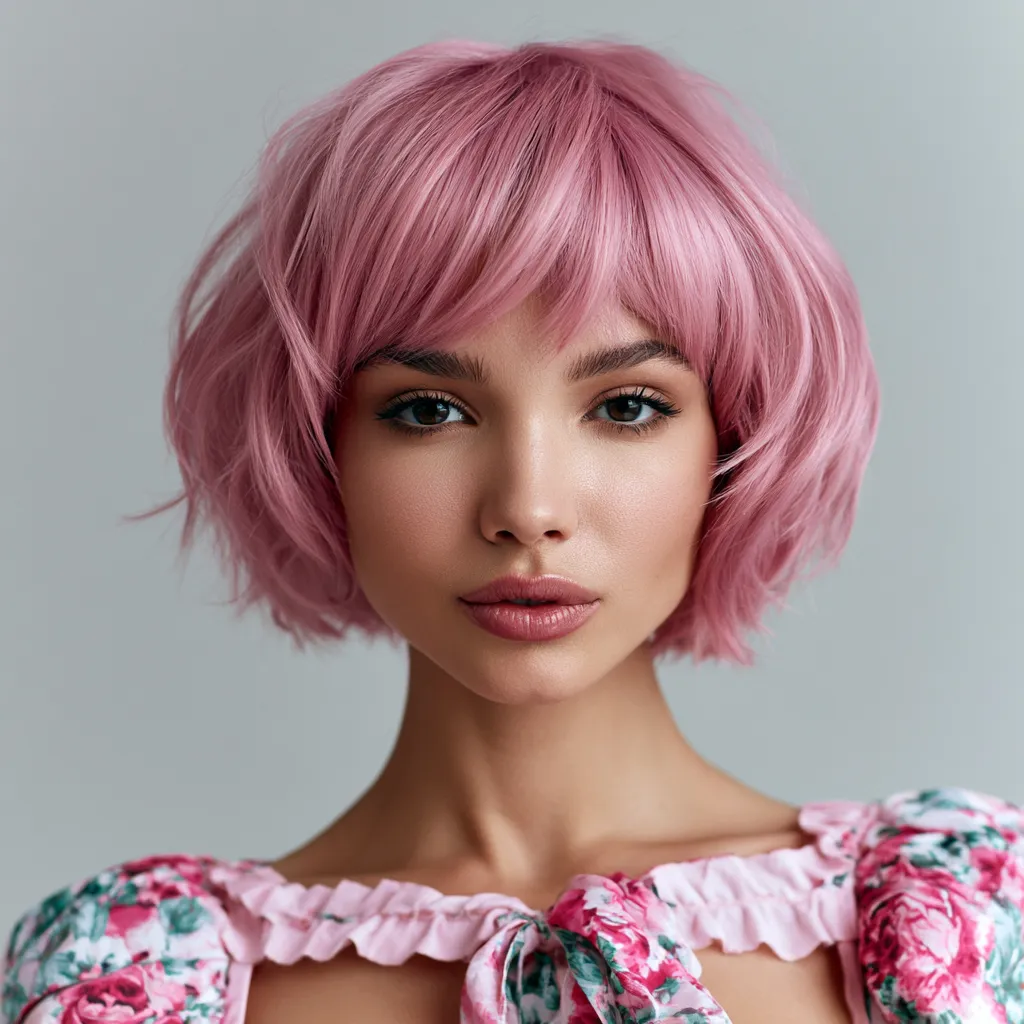
Hairstyles for thin hair to look thicker aren’t about tricks — they’re about cut architecture. I’ve had fine strands my whole life, and the single biggest shift came when I stopped buying volumizing shampoos and started getting the right haircut. The three styles below create genuine density through layering, movement, and color — not product buildup.
Fine hair collapses when it’s cut too long and left blunt. The weight pulls it flat by noon. What actually works is removing bulk from the interior while keeping visible weight at the ends — a technique most drugstore stylists skip entirely. You’ll notice the difference in how your hair behaves without product, not just with it.
Color is the underrated half of this equation. Flat single-process color on thin hair reads as flat full stop. Dimensional tones — copper, platinum with shadow roots, electric blue with lowlights — scatter light across the strands and visually multiply them. Each section below pairs a specific cut with a specific color for exactly this reason.
- Layered copper lob: feathered interior layers + face-framing pieces lift fine strands without heavy product
- Soft waves in electric blue: large-barrel waves starting at mid-lengths keep roots from flattening
- Tousled platinum pixie: shortest option, maximum root lift, Kevin Murphy Night.Rider ($39) for styling
- Blunt cuts and uniform color are the two fastest ways to make thin hair look thinner
- All three styles hold volume without a 40-minute morning routine
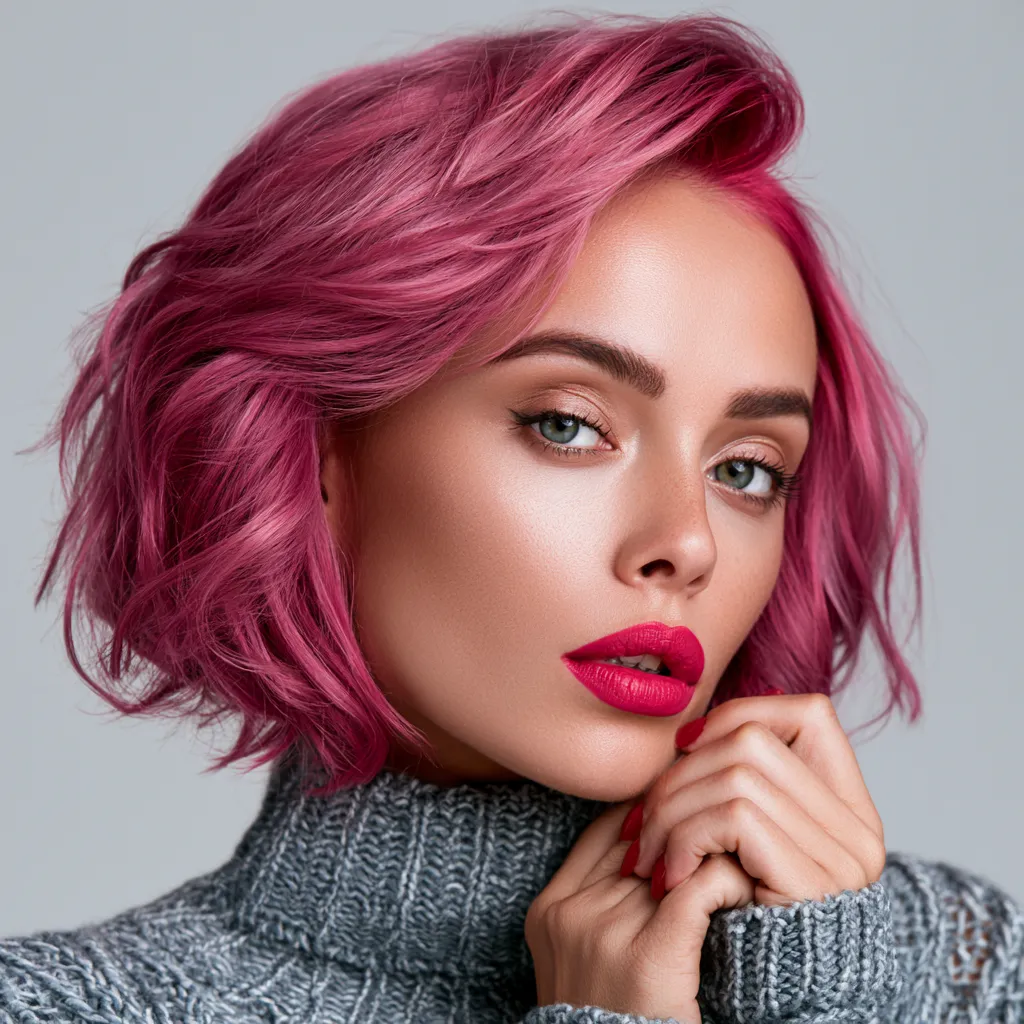
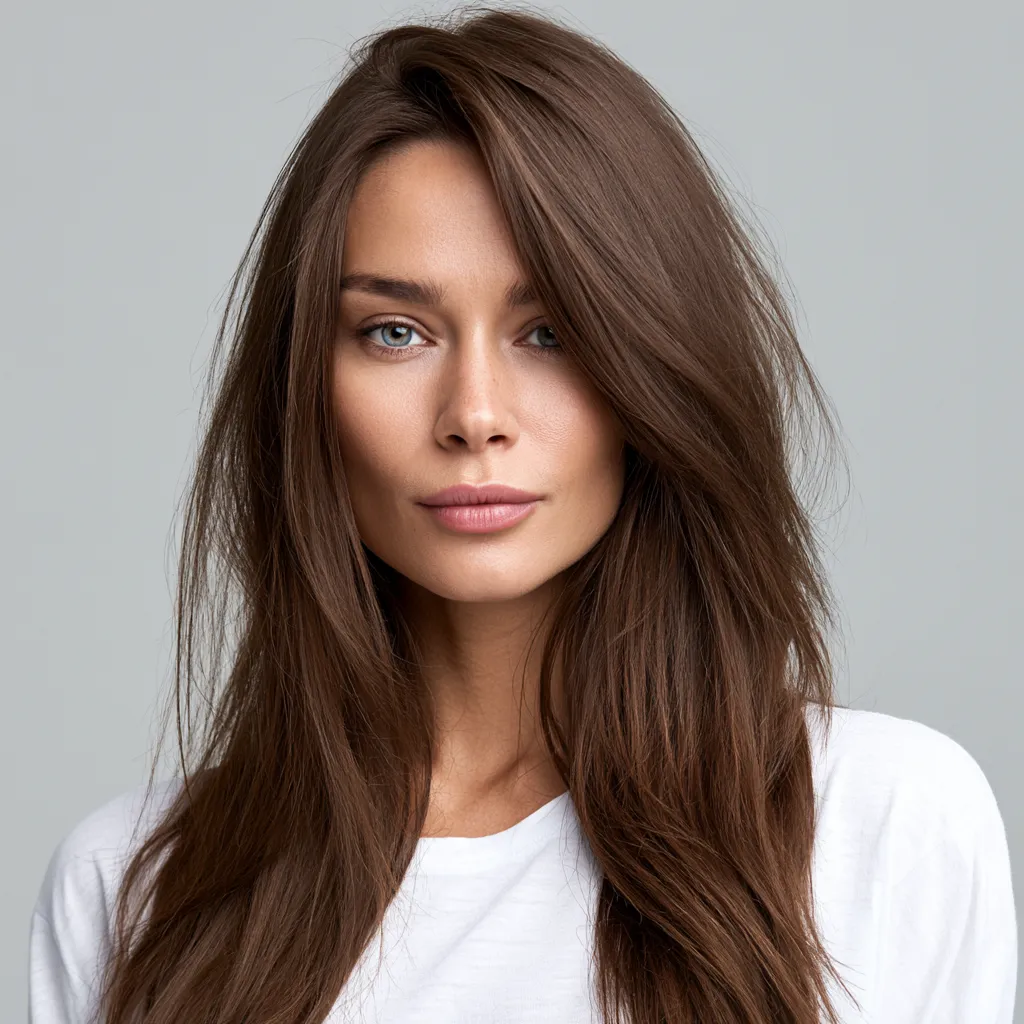
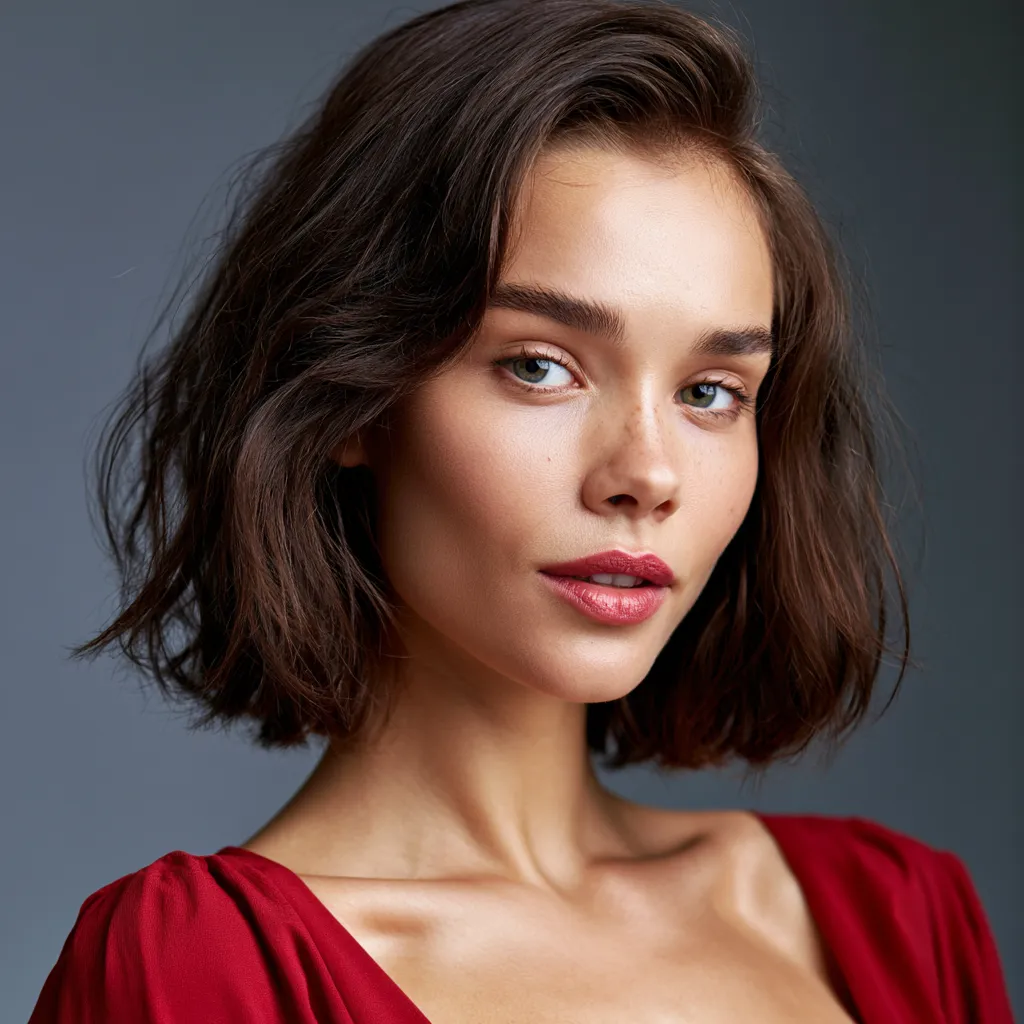
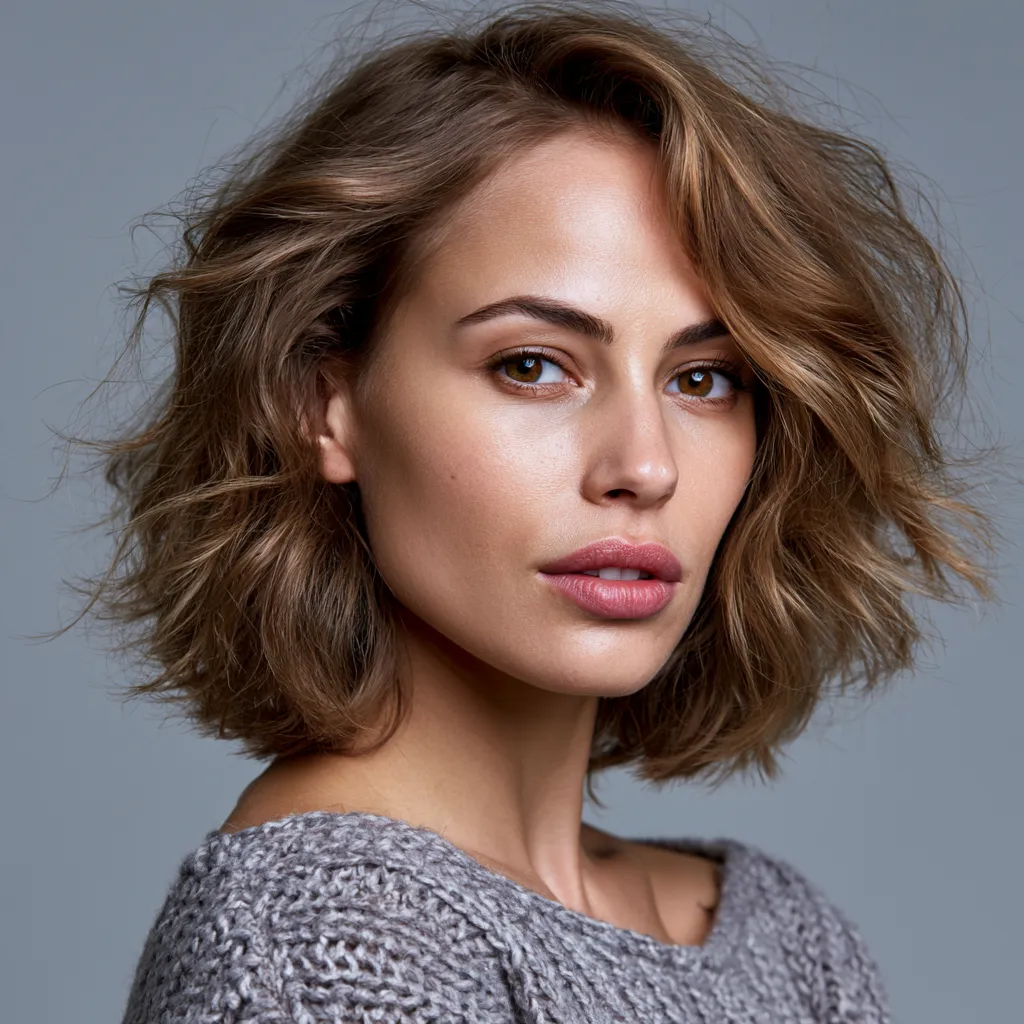
Layered Lob in Radiant Copper Actually Changes Hair Density
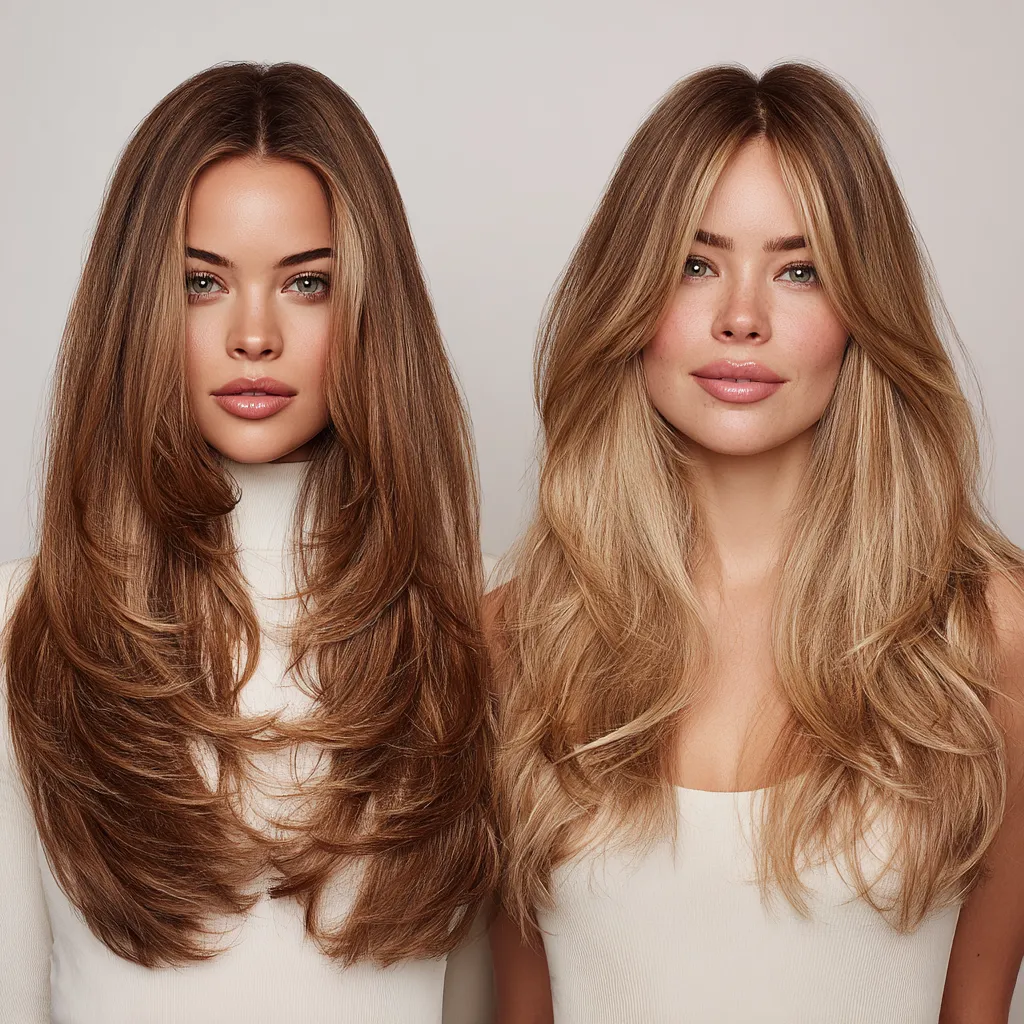
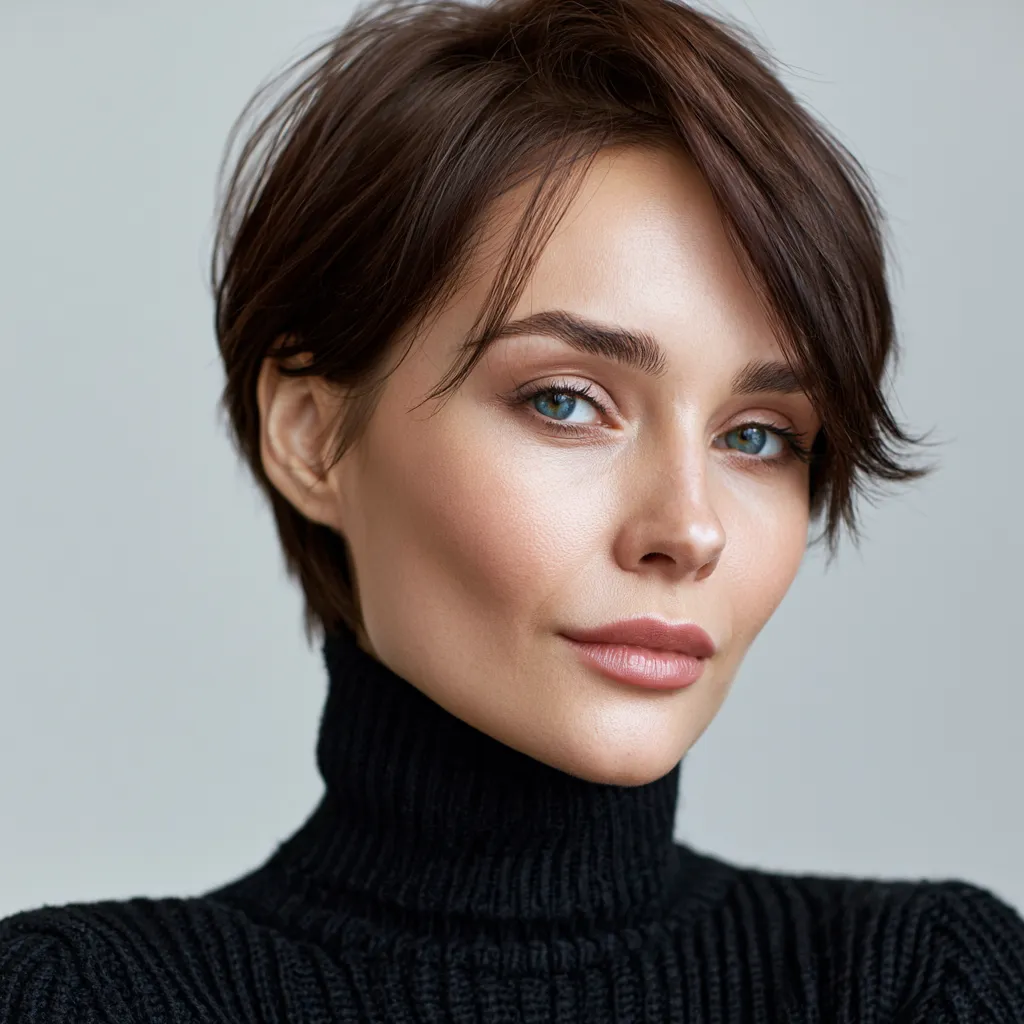
Hairstyles for thin hair to look thicker start with the layered lob — and copper color is what separates a good one from a great one. I’ve worn this cut at three different salons and the result varies wildly depending on where the layers are placed. Ask specifically for internal layers, not surface layers. Surface layers on fine hair create those see-through wispy patches that look like the stylist ran out of confidence halfway through. Internal layers stay hidden and push volume from underneath.


The lob length — chin to collarbone — is the sweet spot for fine hair. Go longer and gravity wins. Go shorter and you lose the movement that makes layers visible. Subtle face-framing pieces in the front give an extra boost around the cheekbones, while hidden crown layers add lift exactly where flat hair shows first. Does the length matter as much as the layering? No. A badly layered lob at perfect length still falls flat by 2 PM.
Copper reflects light differently than most colors — it scatters warmth in multiple directions, so even three strands together read as more. My colorist uses a base of deep auburn with caramel and bright copper pieces through the top third. The variation in tone does the heavy lifting that a single copper shade can’t. Wella Koleston Perfect shade 7/43 gets that mid-copper without going orange on cool skin. At around $8 per tube from a beauty supply, it’s miles ahead of box copper.
Styling is a two-product job. Kenra Volume Spray 25 ($22) at the roots before blow-drying saves ten minutes of round-brushing later. A blow-dryer with a concentrator nozzle and a medium round brush lifts the roots while directing the ends into a slight curve. Loose waves with a 1.5-inch curling wand add movement, but the cut holds volume even worn straight — which is the real test of a good hairstyle for thin hair. For more dimension strategies, this breakdown of layering techniques for thin hair covers the exact placement that changes everything.
Soft Waves in Electric Blue Make Fine Strands Look Fuller Overnight
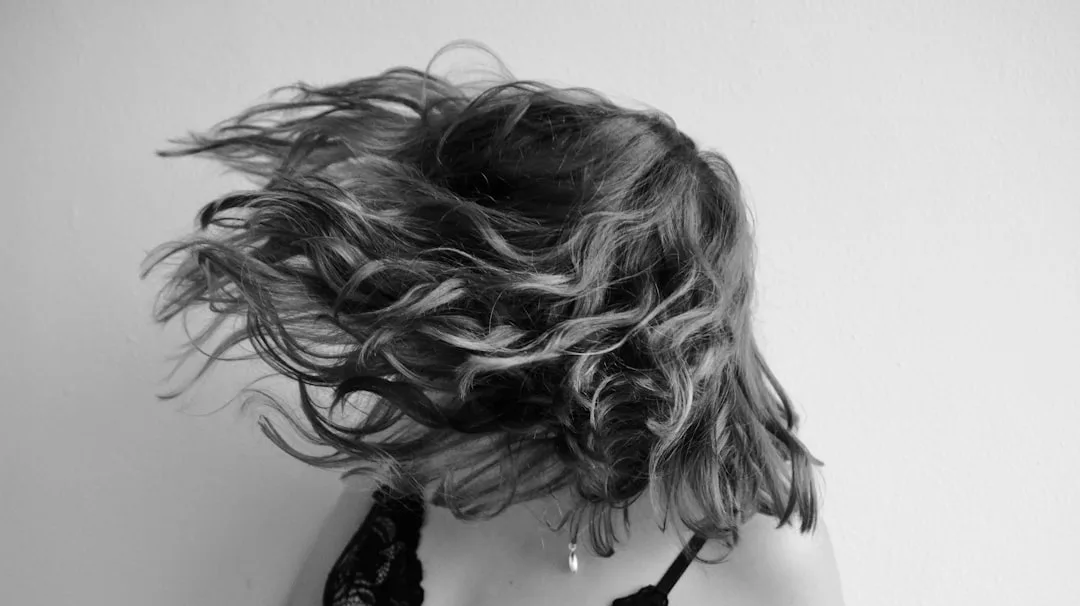
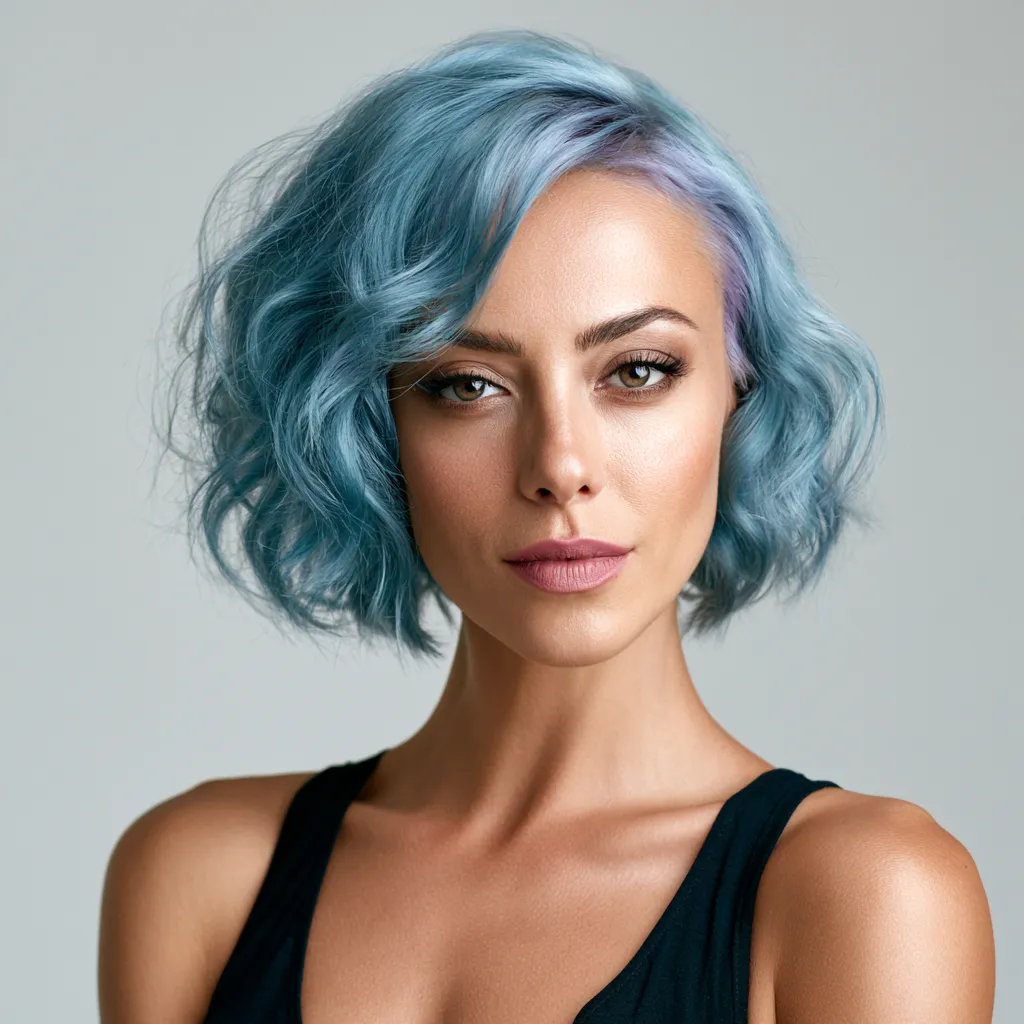
Hairstyles to make thin hair look thicker don’t get more visually convincing than soft waves in a chromatic color. Electric blue on fine hair sounds counterintuitive — you’d think a bold color exposes thinness. It does the opposite. The depth of a saturated blue absorbs light unevenly across the wave bends, which reads as dimension and density. I stole this trick from a colorist in Toronto who charged $340 for it, and it’s the most volume I’ve ever had without a volumizing product in sight.


Tight curls are a trap on thin hair. They bounce, yes — but they also clump strands together and expose scalp at the roots. Soft waves starting at mid-lengths keep the roots relatively flat and natural while the body of the wave fans out below. Think of it like an accordion: the expansion happens in the middle, where it adds surface area without pulling the roots down. A slightly off-center part distributes the waves asymmetrically, which prevents that flat-helmet silhouette you get with a center part on fine hair.
An ombré or lowlight placement on electric blue adds even more visual complexity. Two tones of blue — a deeper navy underneath and a bright cobalt on top — give the waves a layered appearance even when the hair itself has minimal layers. You’ll notice the depth shifts as you move from one light source to another, which is exactly what thick hair does naturally. Avoid going single-process electric blue if your hair is fine. Uniform color on uniform texture is the worst combination for volume.
A large-barrel curling wand — I use a 1.5-inch to 2-inch barrel — creates the right bend without over-curling. Wrap the hair away from the face, hold for eight seconds, release without using the clip. Batiste dry shampoo ($9) at the roots before styling lifts the base and adds grip. Finish with a flexible-hold spray like Ouai Wave Spray ($30) — light enough to keep the waves moving all day without turning crunchy by afternoon. These volumizing cut options pair well with this wave technique if you want to adjust the underlying structure.
- Blunt one-length cuts: Without layers, fine hair has nowhere to go but straight down. A blunt cut on thin hair reads as a curtain, not a style.
- Heavy hold products at roots: Gel and strong-hold mousse at the root zone stick strands together and expose scalp. Use lightweight root sprays only.
- Single-process flat color: Uniform color removes visual depth. Even one level of highlight or lowlight adds the dimensional texture that makes hair look fuller.
- Going too long: Below bra-strap length on fine hair means weight has won. The hair lies flat because it’s too heavy to lift — no product fixes physics.
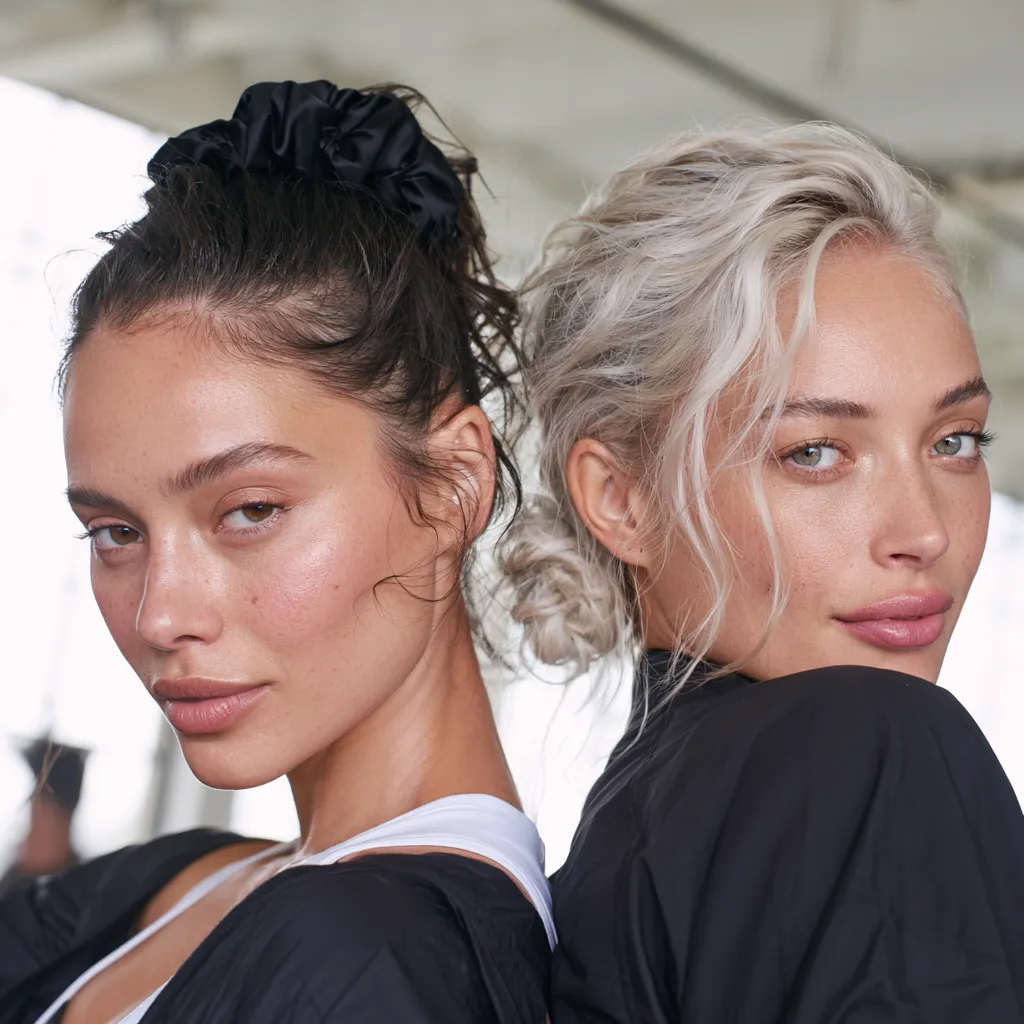
Tousled Platinum Pixie Cuts Thin Hair’s Biggest Problem at the Root
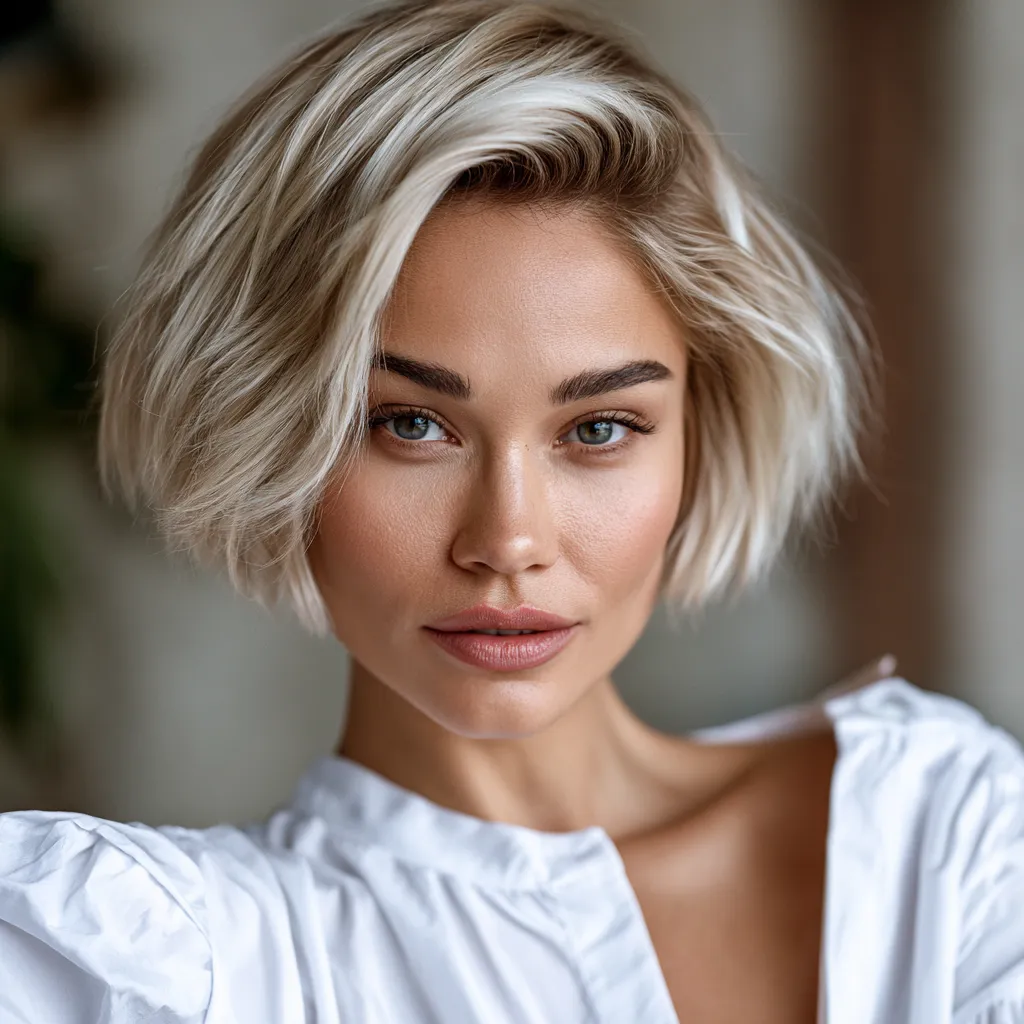
Haircuts to make thin hair look thicker reach their logical conclusion in the pixie — short enough that gravity can’t flatten it, layered enough that every strand contributes to volume. The tousled version works better than a sleek pixie on fine hair because the texture breaks up any visible scalp at the crown. Vibrant platinum pushes this further: the cool-toned lightness reflects overhead light and makes even sparse areas look intentionally bright rather than thin.


Longer styles on fine hair behave like a floppy house of cards — the structure collapses under its own weight. The pixie sidesteps this entirely. Tousled layers placed specifically at the crown and temple create lift that holds without product because the hair is too short to fall. My go-to instruction for the stylist: “Leave an inch and a half on top, finger-length on the sides, and razor the ends rather than scissor-cutting them.” Razored ends flare slightly and fill in visual gaps between strands.
Shadow roots — keeping 2-3 cm of natural color at the base — do two things on platinum hair. First, they reduce grow-out maintenance from every 4 weeks to every 6-8 weeks. Second, they create density contrast at the scalp, making the roots appear fuller than they are. The cool platinum reflects light most intensely at the mid-lengths and ends, drawing the eye away from the root area where thinning is usually most visible. Does platinum work on warm skin tones? With the right toner — Wella T18 or Redken Shades EQ 09V — yes, it pulls violet enough to avoid looking brassy against golden undertones.
Styling is the fastest of the three cuts. My go-to is Kevin Murphy Night.Rider at $39 — a matte texturizing paste that grips without gloss. Most drugstore alternatives leave a greasy film that makes fine hair look like wet tissue paper. Apply to completely dry hair, warm a pea-sized amount between your palms, and scrunch upward from the ends to the roots. A Kenra Volume Spray 25 blast at the crown before the paste adds baseline lift. A quick blow-dry with a texturizing paste finger-tousled through the crown takes four minutes total. Trims every 4-5 weeks keep the shape from going shapeless — that’s the only maintenance commitment this style demands.
Final Word
The right haircut is worth more than every volumizing product you own
Internal layers on a copper lob create lift from underneath — the kind no dry shampoo can fake.
Soft waves in a dimensional color add surface area to every strand, which is what thickness actually is.
The platinum pixie eliminates gravity from the equation entirely. Save this post before your next salon appointment.