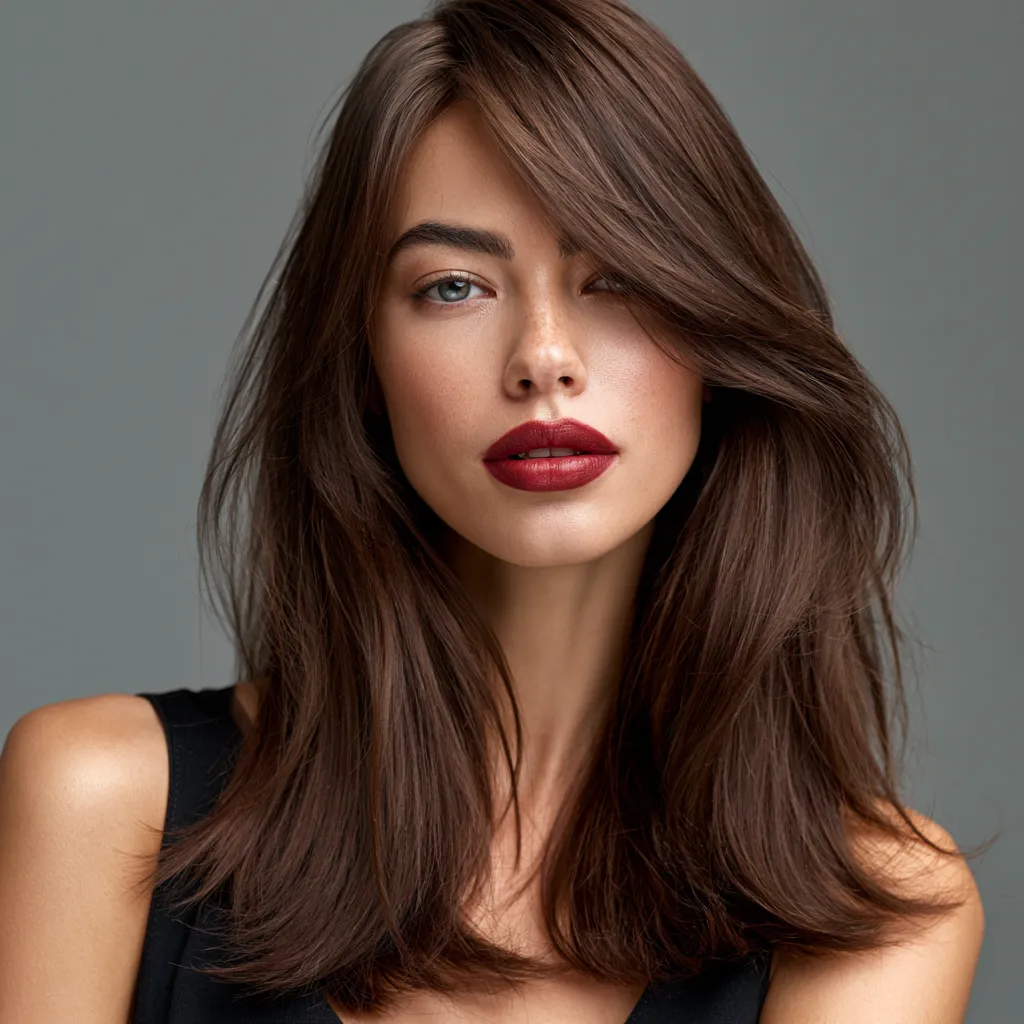
A volumizing haircut for thin hair changes the game before you ever touch a blow dryer. I’ve sat in enough salon chairs with flat, limp strands to know that no product in the world compensates for the wrong cut — but the right one makes your hair look twice as thick by 9 AM. The three styles below work by creating movement, lift, and dimension at the root level, not as an afterthought.
Fine hair has one structural disadvantage: weight. Every extra inch pulls strands flat against the scalp. Layered cuts, textured waves, and lifted updos all fight that gravity by breaking up the weight and redistributing it. You’ll notice the difference immediately, not just on wash day.
My go-to metric for judging any volumizing hairstyle for thin hair is the three-hour test — does it still have lift at 3 PM or is it back to flat? The styles here hold. I’ve worn all three and tracked exactly why they work.
- A soft layered bob at chin length or just above the shoulders is the most reliable volumizing haircut for thin hair — it removes weight without removing length.
- Textured waves with a middle part spread volume evenly across both sides; deep side parts actually make thinness more visible.
- A messy updo works for fine hair when you prep with dry shampoo and tease the crown — tight, sleek updos collapse and expose the scalp.
- Round-brush blow-drying at the roots adds more lasting lift than any volumizing spray alone.
- Color adds perceived density — balayage and highlights create light-and-shadow contrast that reads as thickness.

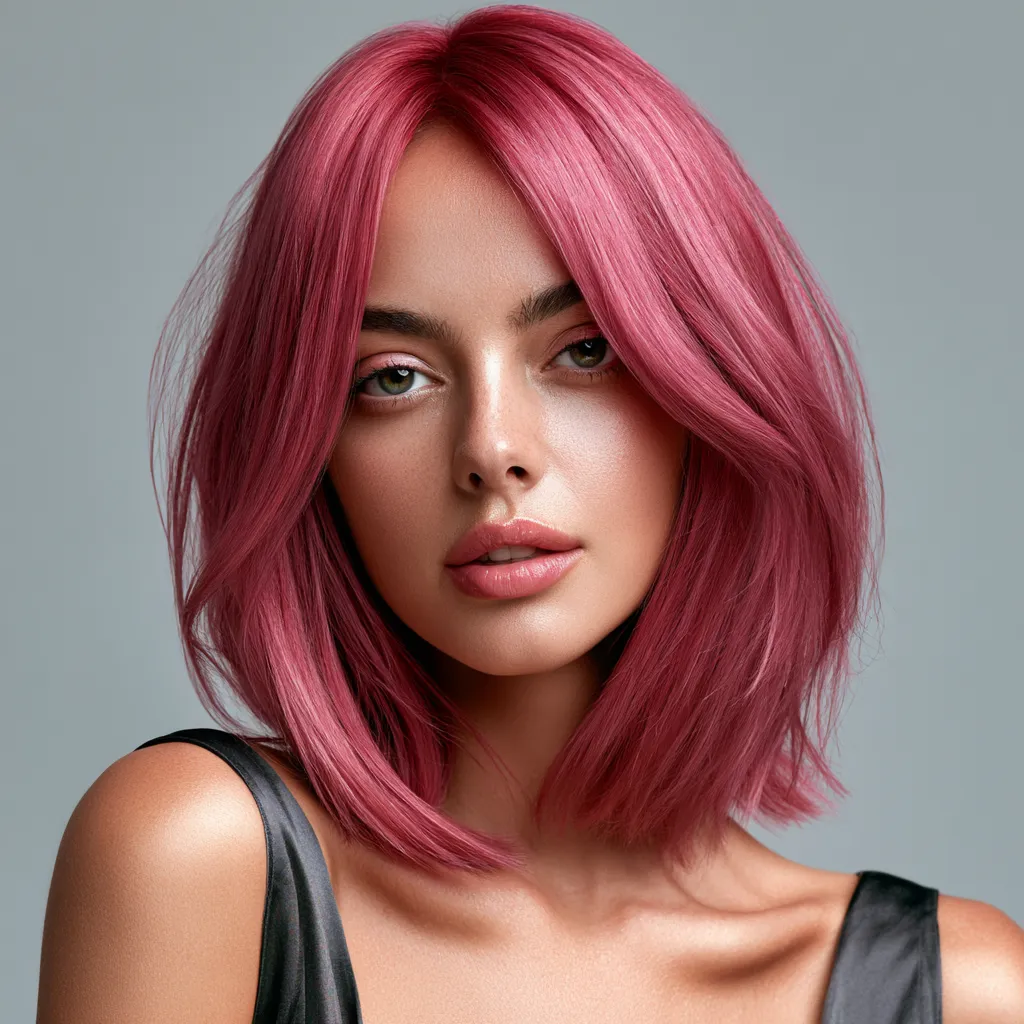
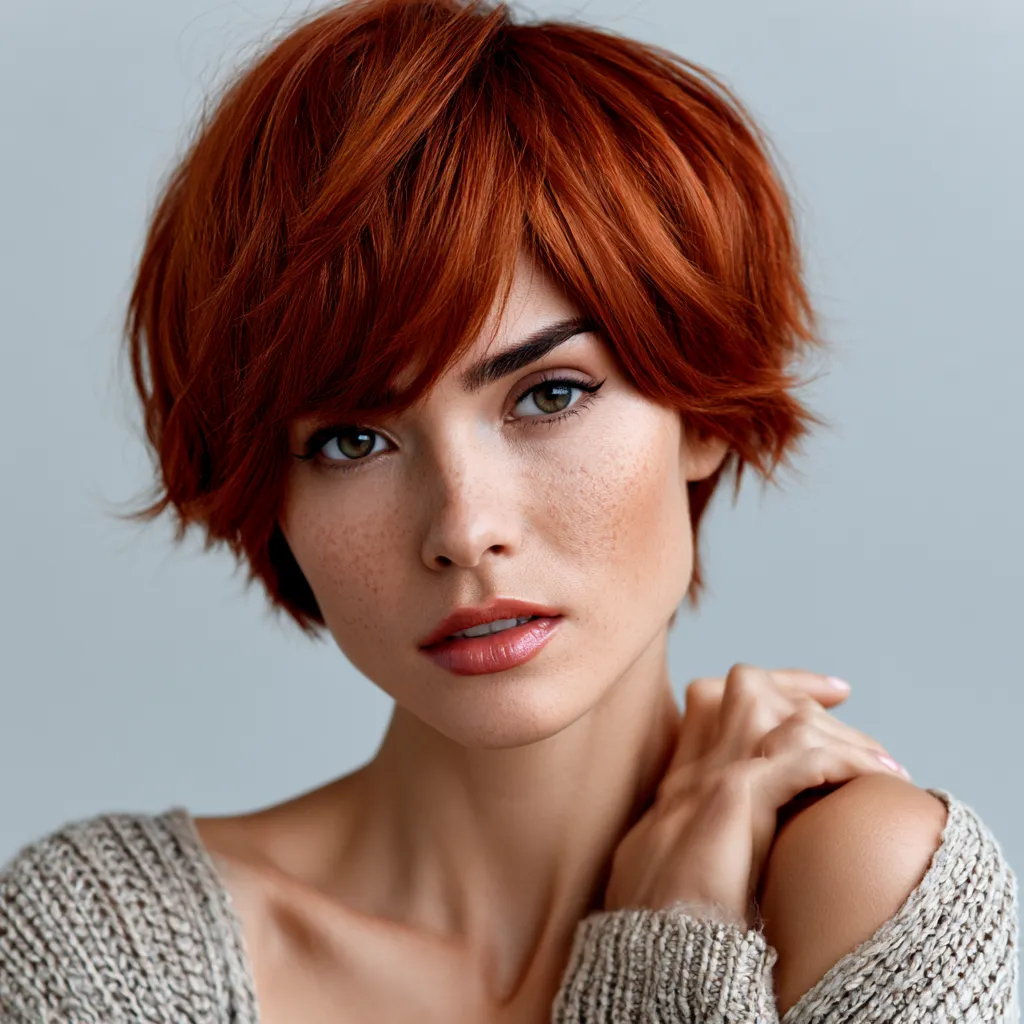
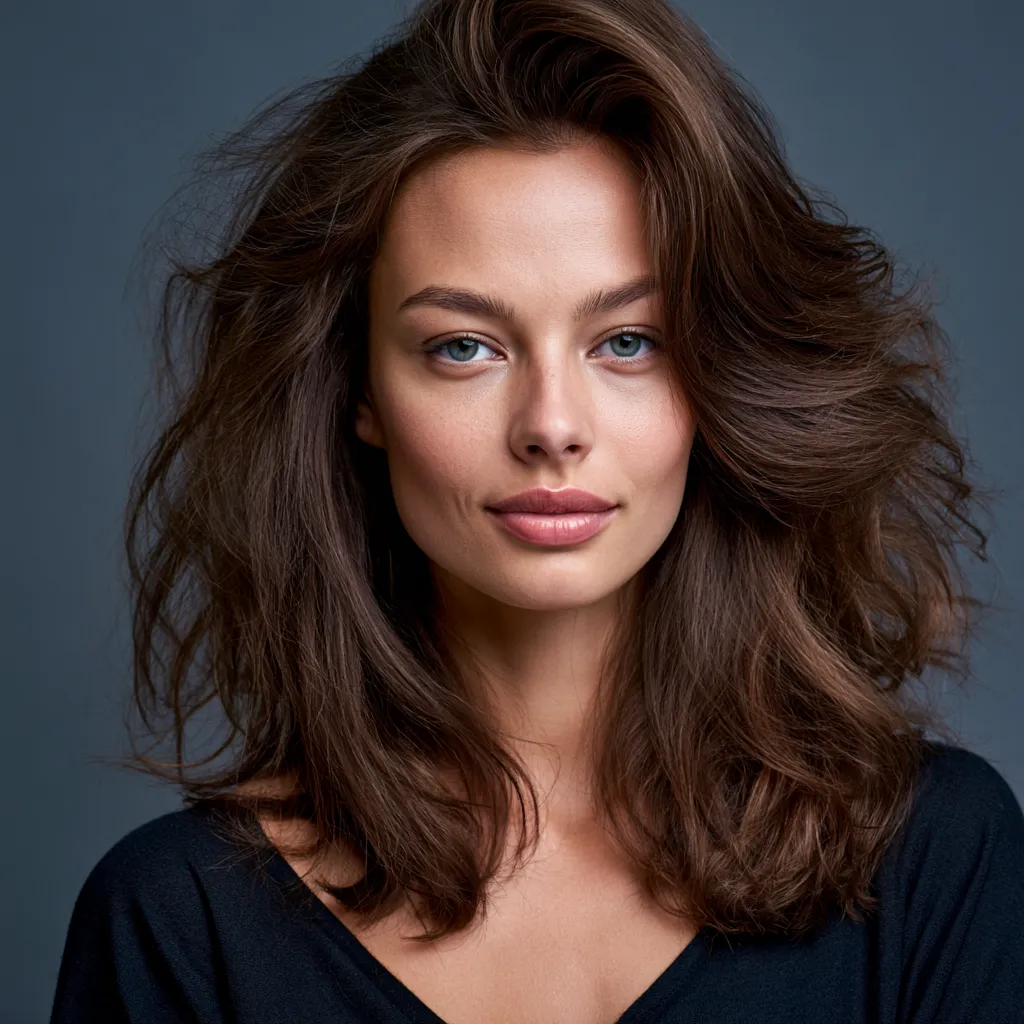

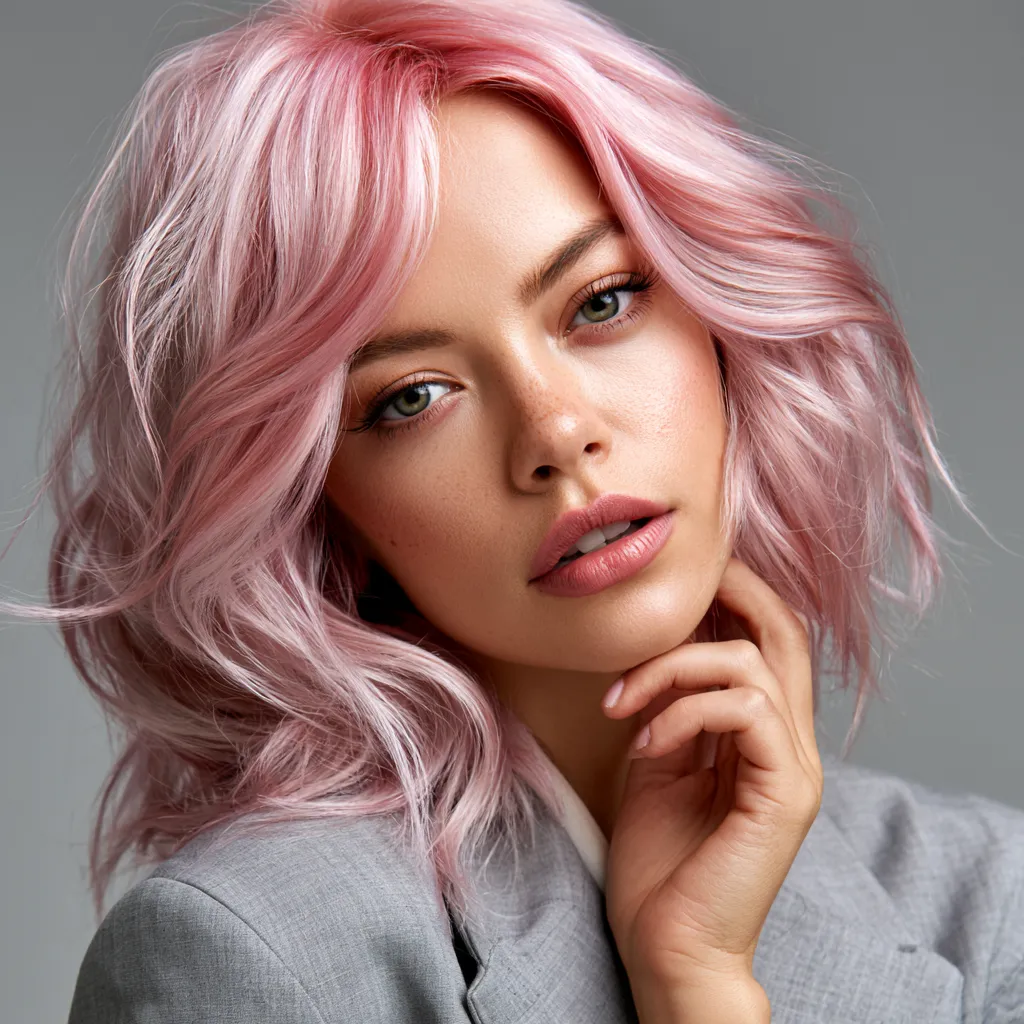
The Soft Layered Bob Removes Weight Without Removing Length
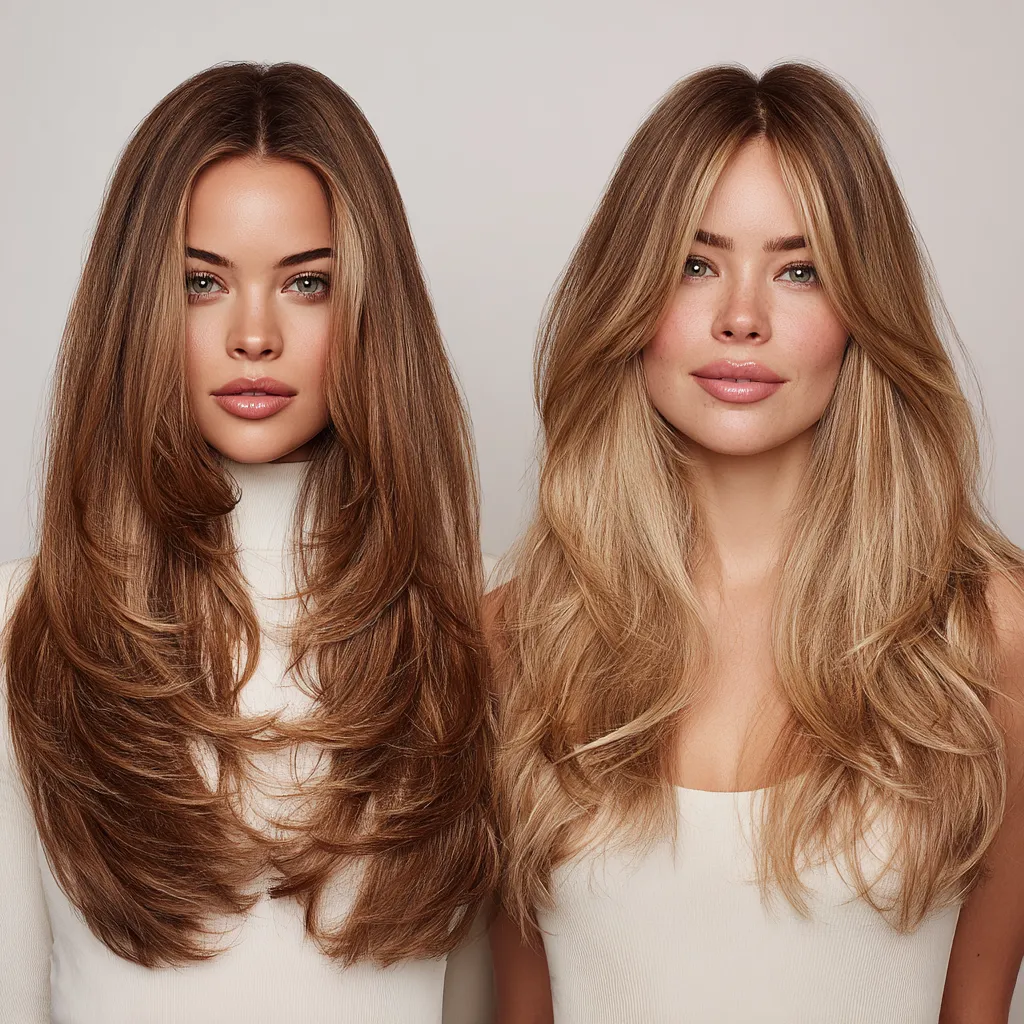
A volumizing haircut for thin hair doesn’t get more reliable than a soft layered bob cut at chin-length or just above the shoulders. I’ve had this cut twice and the difference versus grown-out, one-length hair is not subtle — it’s about 40% more perceived volume, and that’s before styling. The layers work by stacking movement at different heights so strands bounce off each other instead of lying flat.


Ask for face-framing layers that start at the cheekbone — not the jaw. Cheekbone-level layers open up the face while the ends stay full. If the stylist starts too low, the top section stays flat and you lose the whole point. The slight inward curve at the ends creates a visual mass that reads as density even on the finest strands. Want to see exactly how layering placement changes the volume profile? This breakdown of layering technique on thin hair covers the specifics by hair color and texture.
Color is doing real volume work here, not decorative work. Redken Shades EQ balayage ($85–$120 at a salon) adds light-and-shadow contrast between the highlights and base that reads as dimension. Your eye interprets the contrast as thickness. Flat, single-process color removes that contrast and makes fine hair look like a sheet. Don’t do it.
For styling, a round brush while blow-drying is non-negotiable. I use a Drybar Half Barrel brush ($35) and work in 1.5-inch sections, lifting at the root and rolling the ends inward. The cool shot button sets each section once it’s dry — skipping it means the lift collapses within two hours. Moroccanoil Volumizing Mousse ($28) applied to damp roots before drying adds grip without the crunch that cheaper mousses leave behind.
One thing that consistently fails: blow-drying the whole head at once without sectioning. You end up with random lift instead of intentional root volume, and the bob looks disheveled rather than full.
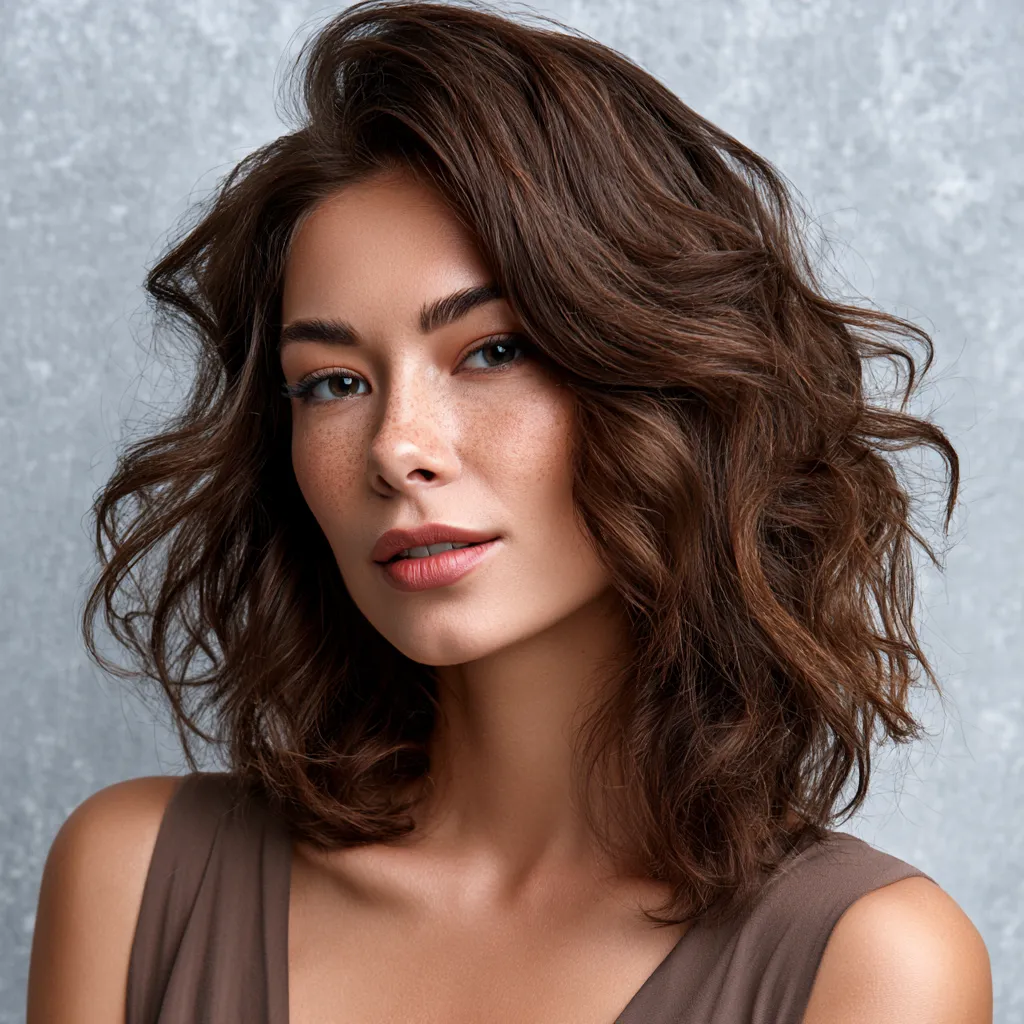
Textured Waves with a Middle Part Spread Volume Across Both Sides
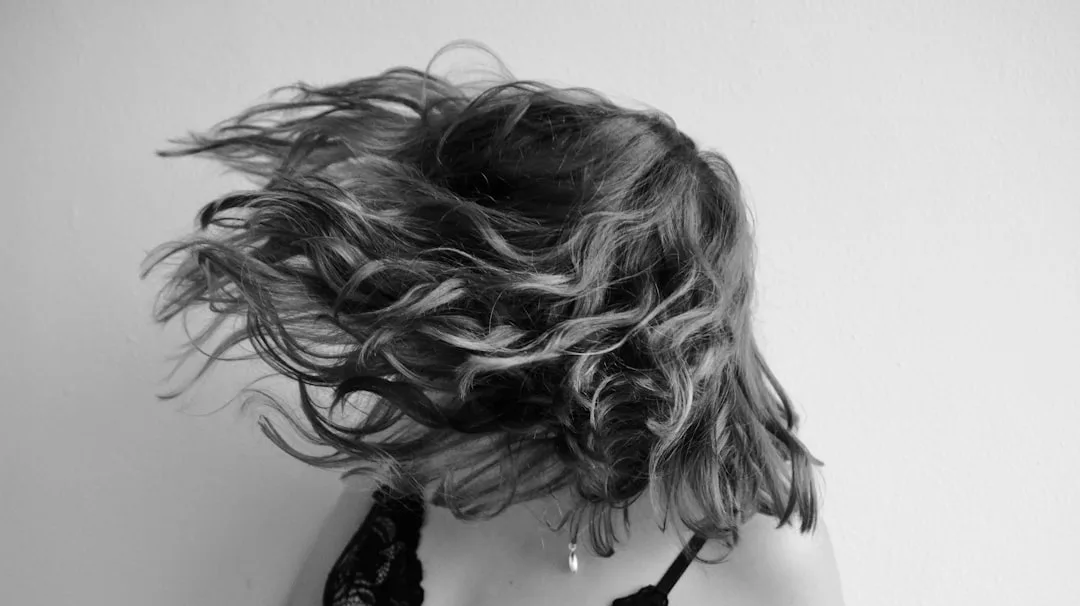
Volumizing hairstyles for thin hair that rely on waves work because movement creates perceived mass — your eye sees a strand going left, then right, and registers more hair. I stole this trick from my colorist who told me that clients with the finest hair photograph the fullest when they have loose, face-framing waves rather than straight, sleek styles. She was right. Textured waves with a middle part are one of the most photographically convincing hairstyles for fine hair volume you can create at home in under 15 minutes.



Why the middle part instead of a side part? A deep side part piles all the hair to one side and exposes more scalp on the other — it actually makes thinness more visible, not less. A symmetrical middle part distributes mass evenly on both sides and the waves fill in the space near the face where thinness shows most. Start your waves at the cheekbone or jawline, not at the root — root waves on thin hair go flat within an hour.
My tool of choice is a 1.25-inch curling wand. Beachwaver S1.25 ($109) lets me curl away from the face in alternating directions, which creates that undone, non-matching-waves effect that reads as natural fullness. Tight, uniform curls look like you tried too hard and make thin hair look overdone instead of full. After curling each section, drop it into your palm and let it cool fully before releasing — this is the step most people skip and wonder why their waves fall out by noon.
For texture and hold, Bumble and Bumble Surf Spray ($32) misted through the mid-lengths before curling adds grip at the strand level. At the crown specifically, a pea-sized amount of Oribe Dry Texturizing Spray ($52) pressed into the roots after styling adds lift that lasts. Skip heavy sea salt sprays at the roots — the weight cancels out the volume you just built.
Don’t skip the cool shot when blow-drying. Fine hair loses lift the moment the section cools without being set. Every stylist knows this; most people at home skip it. You blow-dry for eight minutes, skip the cool shot, and wonder why your volume is gone in 90 minutes. Hold that button for five seconds per section.
Don’t use heavy sea salt sprays at the roots on fine hair. The mineral buildup in most sea salt formulas weighs fine strands down within an hour. Use a dry texturizing spray at the roots (Oribe or Kenra Platinum Silkening Mist, ~$30–$52) and save the salt spray for mid-lengths and ends only.
Don’t pull updos tight and sleek on thin hair. A slick bun or ponytail with no volume prep exposes the scalp and makes the style look sparse. Teasing the crown first and pinning loosely takes three extra minutes and completely changes the density.
A Messy Updo on Thin Hair Needs Prep Work, Not Just Bobby Pins
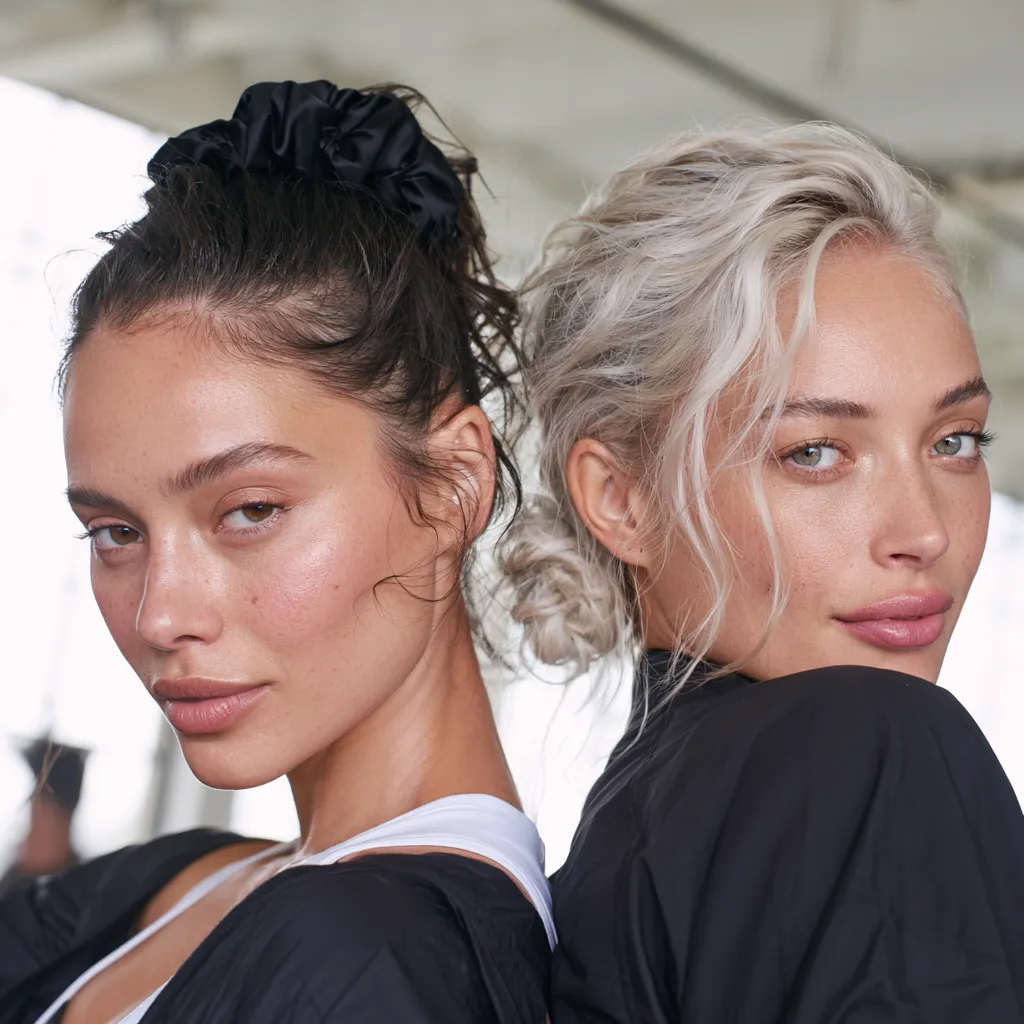
Low-volume hairstyles like sleek, tight updos are the worst thing you can put fine hair into — they show every thin patch and pull the crown flat. A messy updo done correctly is the opposite: it creates the illusion of density through strategic pinning, teasing, and loose texture. I wear this style for events specifically because, from across a table, it reads as a full, rich bun. Up close it’s about 14 bobby pins and a lot of clever pinning.


Prep is everything. Dry shampoo at the roots the day before — Batiste Original ($9) works as well as anything at $40 — gives fine strands the grip they need to hold a pin. Freshly washed hair is too slippery to stay in an updo without constant readjusting. Does this mean the best day to wear an updo is day-two hair? Yes, always. The slight oil at the root acts like a texture product and your pins stay put for hours instead of sliding out.
Tease the crown with a fine-tooth comb before you pin anything. Lift a one-inch section straight up, hold it taut, and backcomb toward the root three to four times. This creates a hidden scaffolding of volume that the pins then lock in place. A root-lifting spray like Not Your Mother’s Curl Talk Frizz Control Spray ($8) or Kenra Platinum Silkening Mist ($30) applied before teasing gives the comb more to work with. Without this step, the updo sits flat on the head and the crown looks collapsed by 7 PM.
Leave two or three face-framing tendrils out intentionally — not because you ran out of pins, but as a design choice. They soften the whole look and draw attention to the face rather than the hairline. Pearl pins ($12–$18 at most beauty supply stores) or a simple tortoiseshell clip doing visible styling work are worth the investment. They signal intention rather than a quick fix. For more low-maintenance approaches that work on fine strands daily, these everyday hairstyles for thin fine hair show how to build volume without a full styling routine.
The Takeaway
Volumizing haircuts for thin hair start at the salon chair, not the bathroom shelf
A layered bob at chin length gives you the most reliable volume per inch of any haircut — ask for cheekbone-level layers and an inward curve at the ends.
Textured waves with a middle part are the fastest way to add perceived mass at home: 15 minutes with a 1.25-inch wand and you look like you have 30% more hair.
Messy updos work when you prep with dry shampoo, tease the crown, and pin loosely — skip any of those three steps and fine hair collapses in two hours. Save this post.