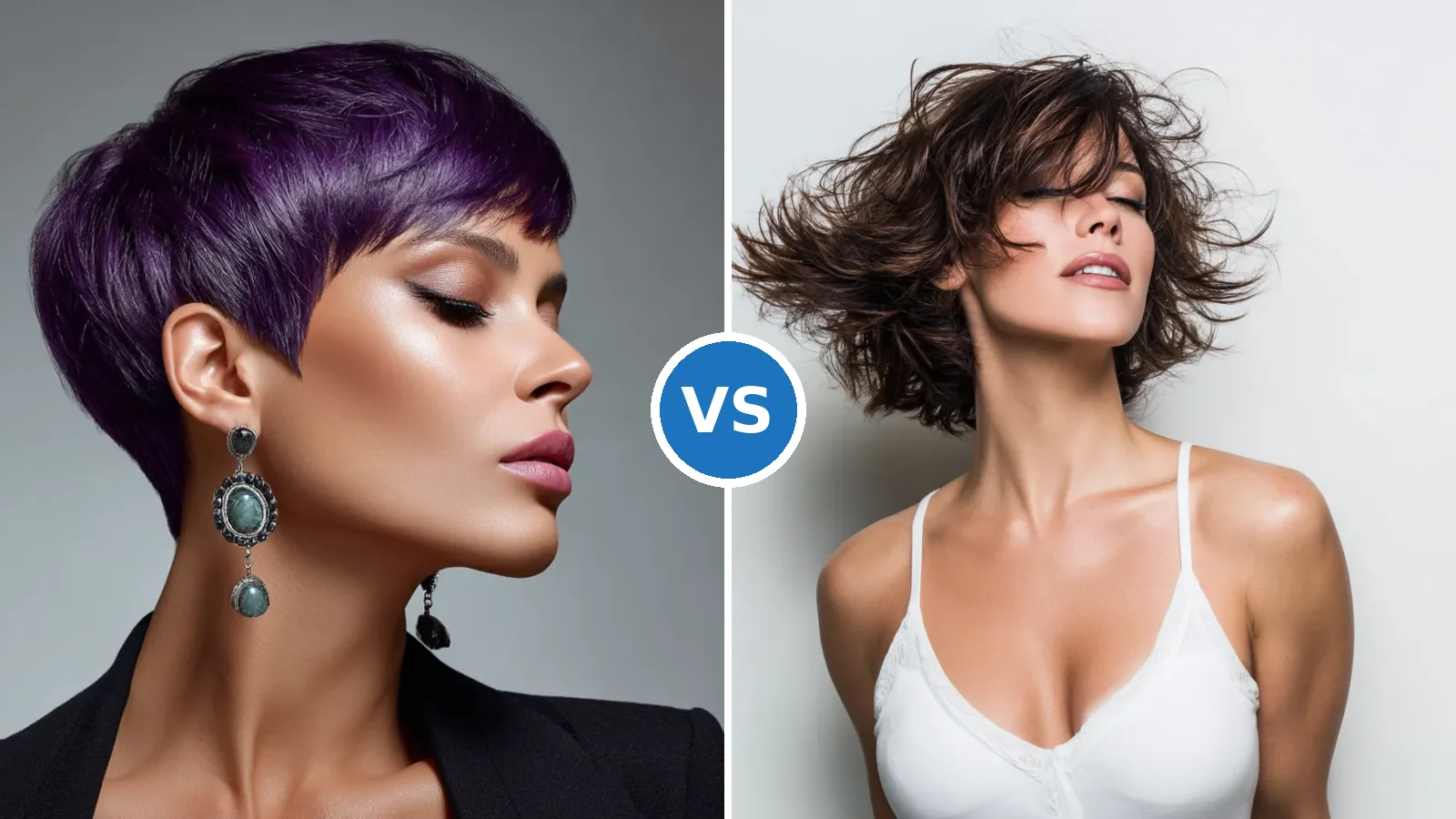
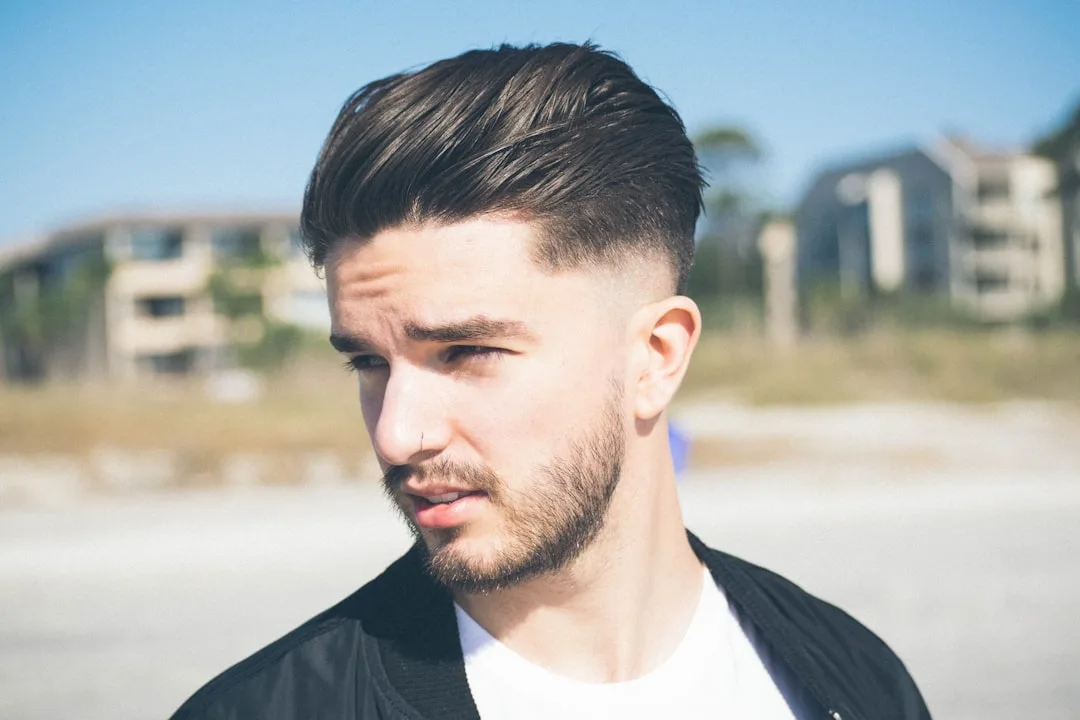
Short hairstyles for thick hair remove excess weight and keep the neck cool when temperatures climb above 80°F. A well-cut pixie, layered bob or chin-length style reduces daily styling time from 20–30 minutes to under 8 minutes for most people. These three shapes balance volume at the crown with lighter ends so dense hair no longer sits heavy on the shoulders.
Stylists report that internal layering can lighten the overall feel by roughly 25–40 % compared with a one-length cut of the same outline. Trims every 4–6 weeks hold the shape; mid-range salon prices for a women’s short cut currently sit between $35 and $90 in most US cities. The result is hair that moves, breathes and stays manageable through humid summer days.
Choose the length that matches your face shape and lifestyle, then rely on lightweight paste or texturizing spray rather than heavy creams that drag density down.
- Pixie removes the most bulk and needs trims every 4–5 weeks
- Layered bob keeps 2–3 extra inches of length while cutting weight by ~30 %
- Chin-length cut styles in 5–10 minutes with anti-humidity serum
- Typical US short-cut price range: $35–$90
- Styling time drops from 20–30 min to under 8 min for most dense hair
- Texturizing spray or pea-sized paste replaces heavy cream
- Air-dry or quick rough-dry works better than full blowouts in heat
Pixie Cut That Lightens Dense Hair in Minutes
A textured pixie ranks among the most effective short hairstyles for thick hair because the short outline and internal point-cutting strip away bulk while the crown still holds lift. Stylists note that a well-executed pixie can feel 30–40 % lighter than the same hair left at chin length. Ask for soft layers through the top and a tapered nape rather than a solid helmet shape.


Styling stays simple: towel-dry, work a pea-sized amount of matte paste through the roots and finger-ruffle. The whole process takes 3–5 minutes versus the 15–20 minutes many people spend fighting longer dense hair. Avoid heavy pomades that flatten the crown; a light texturizing spray keeps movement without weight.
How often do you need a trim? Every 4–5 weeks keeps the nape clean and prevents the sides from ballooning. Compared with a classic bob that can stretch to 6–8 weeks, the pixie demands more frequent visits but rewards you with the coolest neckline of the three options. Think of it as trading a bulky winter coat for a light linen shirt—same protection, far less drag.
Caramel or honey pieces add dimension without extra product. Skip the “just cut it short” request; specify internal thinning so the cut never turns into a dense round cap. For a deeper look at hybrid lengths that sit between pixie and bob, see the textured pixie bob hybrid cut that many stylists now recommend for first-time short clients.
Layered Bob That Removes Weight Without Losing Length
Layered bob cuts give thick hair room to move while still offering enough length to frame the jaw. Internal layers break up density so the outline stays soft rather than triangular. Most clients notice the hair feels 25–35 % lighter after the first proper de-bulking session yet still covers the neck on cooler evenings.


Air-drying with a light salt spray or mousse creates the beach texture that works best in humid weather. A full blow-dry can take 12–15 minutes; the same cut rough-dried and left to finish naturally usually needs only 4–6 minutes of hands-on time. The difference is the same as choosing a bicycle over a car for a short trip—less effort, same destination.
Do not request a blunt one-length bob if density is high; the ends will stack and create a heavy shelf. Ask for graduated or point-cut layers that remove weight from the interior while the perimeter stays clean. Maintenance sits at 5–7 weeks for most textured versions, longer than a tight pixie but shorter than a classic lob.
This shape flatters almost every face because the length can be adjusted from just above the chin to just below. Pair it with a lightweight leave-in and skip the thick cream that once made longer hair look greasy by midday.
Chin-Length Cut Built for Humidity Control
A sleek chin-length cut keeps thick hair off the neck and gives a polished line that still feels light. Blunt or slightly angled ends reduce the bulk that longer styles carry, while a quick anti-humidity serum keeps frizz in check when the air turns sticky. Daily styling rarely exceeds 8–10 minutes once the shape is established.


Blow-dry with a round brush for extra shine or simply smooth the surface with a flat iron on low heat after a protectant. Compared with a longer bob that can require 15–20 minutes of heat work, the chin length finishes faster and stays neater in humidity. Avoid heavy oils near the roots; they collapse the structure that makes this cut look intentional.
Trims every 5–6 weeks keep the blunt edge sharp. Think of the cut as a tailored jacket rather than a loose sweater: the clean perimeter does the work so you do not need constant product to hold the shape. For more ideas on textured short options that sit close to this length, explore textured pixie cuts that many salons now adapt for dense hair.
This style works for both casual days and more formal settings because the outline stays precise even after air-drying. One pea-sized amount of smoothing cream on the ends is usually enough.
Side-by-Side Comparison of the Three Cuts
| Feature | Textured Pixie | Layered Bob | Chin-Length Cut |
|---|---|---|---|
| Typical length | Above ear to crown | Chin to jaw | Exact chin |
| Weight reduction | 30–40 % | 25–35 % | 20–30 % |
| Daily styling time | 3–5 min | 4–8 min | 5–10 min |
| Trim frequency | 4–5 weeks | 5–7 weeks | 5–6 weeks |
| Best for humidity | Excellent | Very good | Excellent with serum |
| Approx. US cut price | $35–$90 | $35–$90 | $35–$90 |
Common Mistakes That Keep Thick Hair Heavy
Requesting a blunt perimeter without internal layers is the fastest way to recreate a dense triangle. Skipping regular trims beyond 7–8 weeks lets the shape collapse and the bulk return. Using rich creams or oils meant for long hair weighs short dense strands flat within hours. Choosing a style solely from a photo without discussing density with the stylist often produces a cut that looks good wet but expands once dry. Always ask how the weight will be removed before the scissors come out.
Practical Takeaways for Summer Comfort
Any of these three short hairstyles for thick hair will feel noticeably lighter than longer lengths once the interior bulk is removed. The pixie delivers the biggest weight drop and the coolest neckline, the layered bob keeps more styling versatility, and the chin-length cut offers the cleanest polished line.
Expect salon visits every 4–7 weeks and daily styling under 10 minutes with the right lightweight products. Mid-range cut prices remain $35–$90 across most US markets, so the investment stays predictable.
Match the cut to your face shape and how much time you want to spend in front of the mirror. Then stick to pea-sized amounts of paste or texturizing spray and let the geometry of the cut do the rest of the work.
Book the appointment with a clear request for internal layering or point-cutting rather than a simple length reduction. That single detail separates a cut that stays cool all summer from one that still feels heavy by noon.