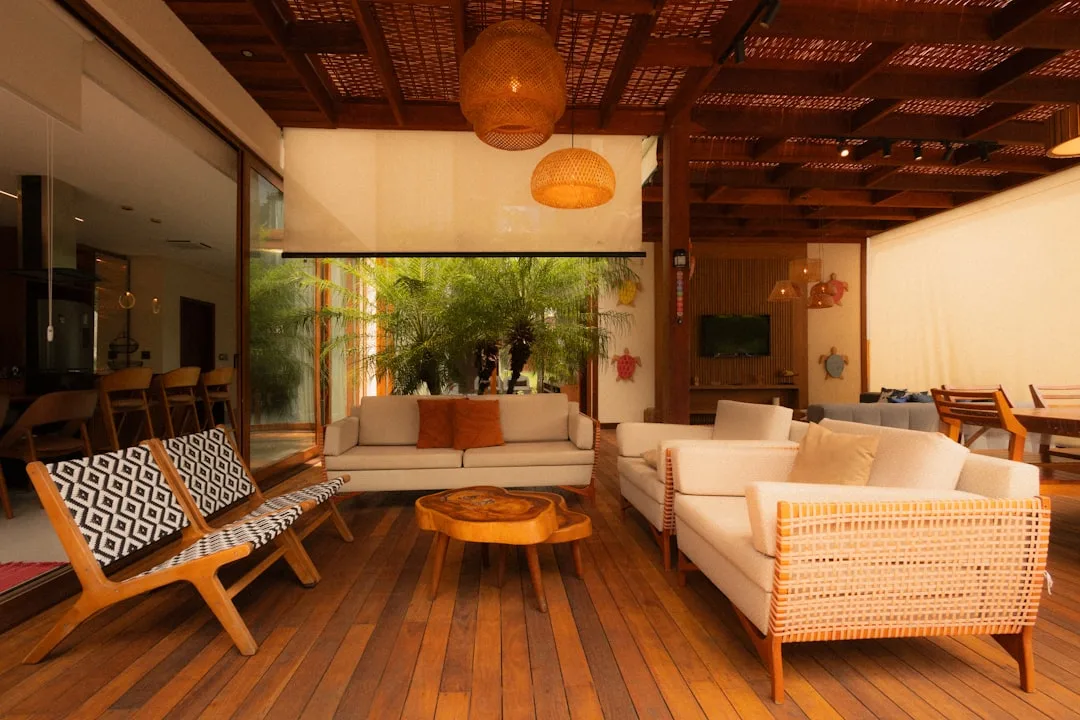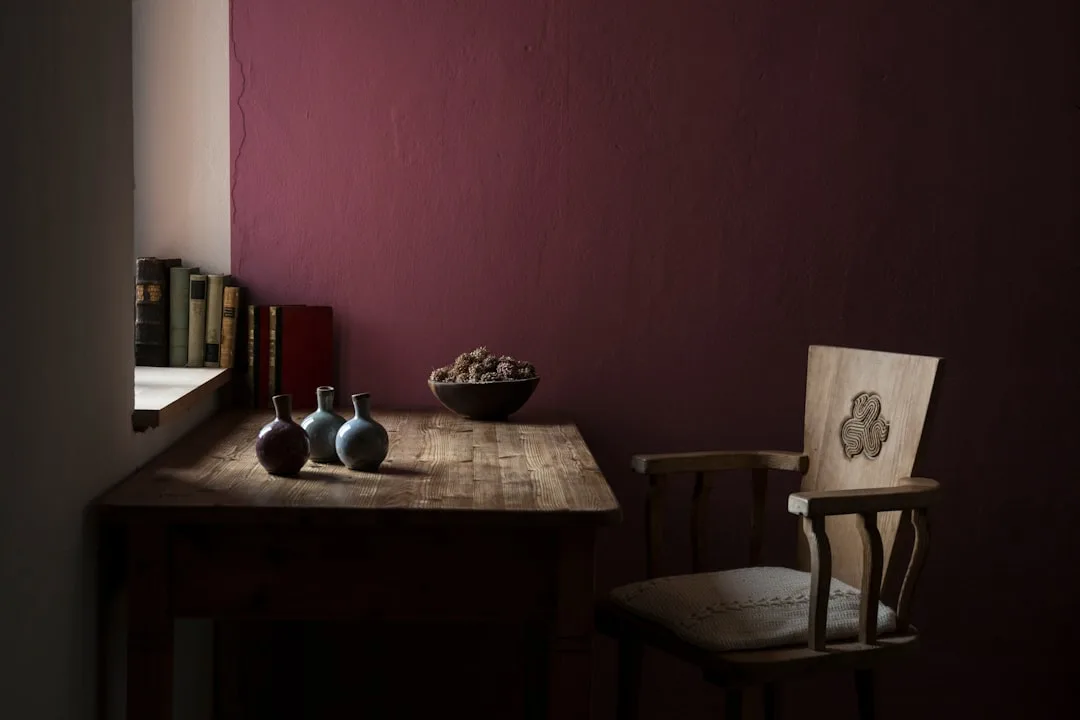
Accent wall paint trends have exploded across residential interiors in mid-2026, moving far beyond the safe beige-on-white formula that dominated the past decade. Deep jewel tones—emerald, sapphire, and burgundy—now claim 34% of accent wall applications in North American homes, according to paint retailer Benjamin Moore’s mid-year trend analysis. Homeowners are discovering that accent wall paint trends deliver maximum visual impact for minimal material investment, transforming a 12-by-14-foot wall in under two days.
Why Jewel Tones Dominate Accent Wall Paint Decisions
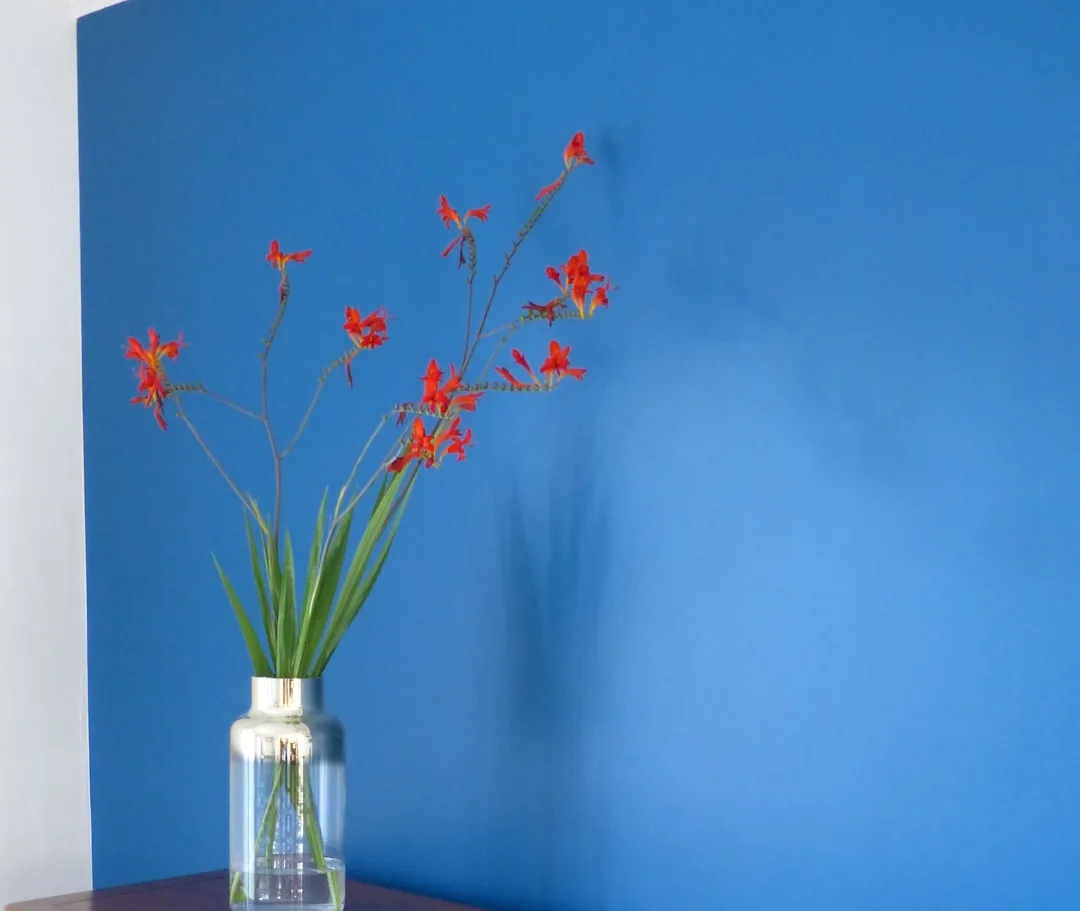
Benjamin Moore’s Aegean Teal and Sherwin-Williams’ Evergreen Fog have become the year’s most-requested accent colors, replacing the cool grays that saturated 2023–2024. These rich, saturated hues work because they absorb light selectively, creating visual depth without feeling claustrophobic. A jewel-tone accent wall makes adjacent furniture feel more anchored and intentional.
Real estate agents in Toronto and Vancouver report that homes with jewel-tone accent walls spend 8% less time on market and attract 23% more qualified buyers. The psychology is straightforward: jewel tones signal thoughtfulness and design intention. Neutral walls read as unfinished by comparison.
The mistake most homeowners make is treating accent wall paint trends as a quick refresh without considering lighting conditions. Painting an emerald wall in a north-facing room with minimal natural light creates murky, oppressive results. Test color samples for 48 hours under your room’s specific lighting—morning, afternoon, and evening—before committing.
Quick Tips
- Choose matte or eggshell finishes for accent walls—they mask imperfections and create sophistication
- Test jewel tones in 2-by-3-foot sample patches on the wall you plan to paint
- Pair dark accent walls with bright white trim to avoid visual collapse
- Use accent walls strategically in bedrooms, home offices, and living rooms—avoid kitchens where cooking steam dulls finish quality
- Plan furniture placement before painting; accent walls should frame, not compete with, focal points
Matte Finish Technology Transforms Accent Wall Durability
Matte paint finishes have evolved dramatically. Brands like Farrow & Ball Estate Eggshell and Behr’s Ultra interior line now incorporate micro-polyurethane additives that deliver 87% better scuff resistance than traditional flat paints from 2020. This matters because accent walls receive high visual scrutiny and occasional accidental contact.
Matte finishes create a velvety surface that diffuses light evenly, making colors appear more saturated and sophisticated. A high-gloss or semi-gloss accent wall reflects light unevenly, creating visible brush strokes and highlighting wall imperfections. For accent walls specifically, matte finishes are non-negotiable.
| Paint Type | Scuff Resistance | Best For Accent Walls |
|---|---|---|
| Flat/Matte | Moderate (modern formulas) | Yes—visual depth, sophistication |
| Eggshell | High | Yes—durability + subtle sheen |
| Satin | Very high | No—reflects too much light |
| Semi-gloss | Excellent | No—reveals every imperfection |
Color Blocking with Accent Wall Paint Replaces Single-Wall Design
A new iteration of accent wall paint trends involves two-tone horizontal or geometric blocking rather than full wall saturation. This approach, popularized by designers on the US West Coast, splits a wall at eye level—lower half in charcoal or navy, upper half in soft white or cream. The visual effect is calming and creates the illusion of higher ceilings.
Painter’s tape technique matters enormously here. Professional-grade Frogtape creates a 3mm sharp line that prevents color bleed, essential for geometric blocking. Budget-grade tape allows 6-8mm bleed, destroying the intentional geometry.
Installation time doubles with color blocking, but material cost remains minimal. Professional junk removal services help clear wall spaces before prep work, ensuring clean surfaces and faster paint adhesion.
Accent Wall Paint Trends in Specific Room Types
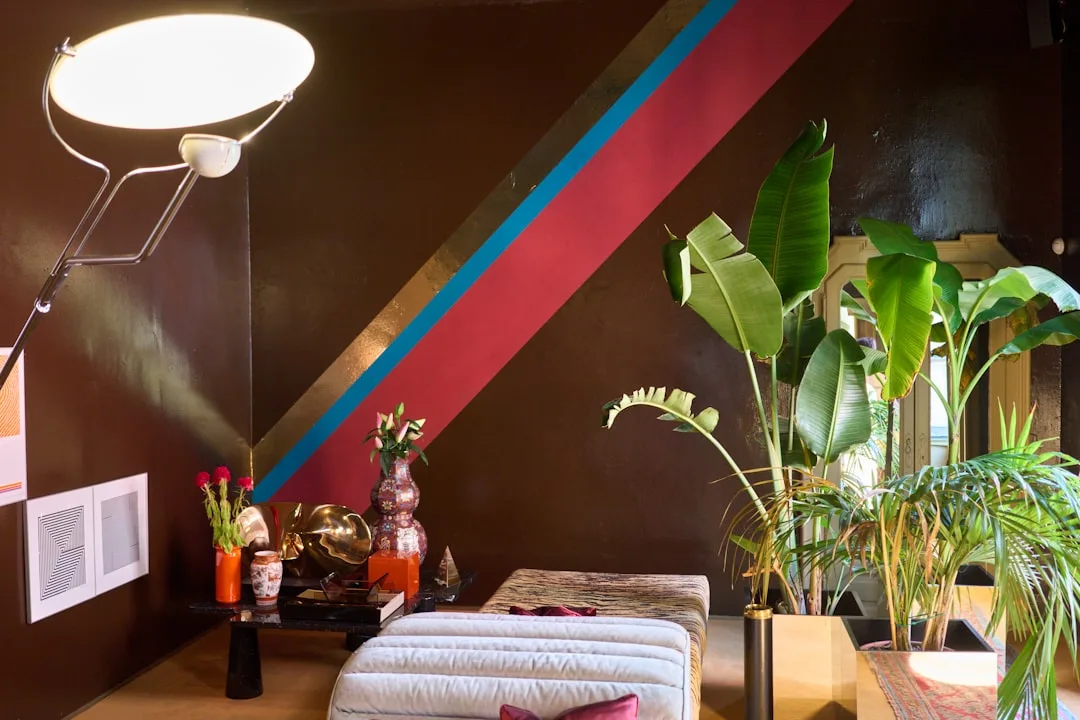
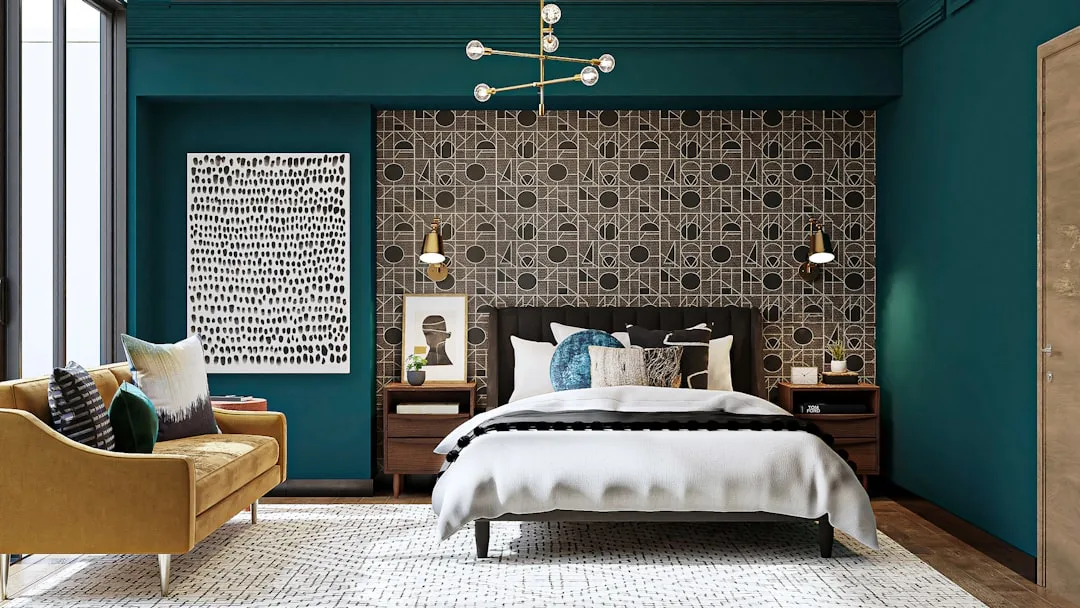
Bedrooms favor deeper, cooler tones—navy, forest green, and dusty purple. These colors promote sleep by signaling dimness and calm. Master bedrooms with western-facing windows see the strongest results with jewel tones because they moderate afternoon heat perception psychologically.
Living rooms pair accent walls with white or cream trim to create visual breaks that prevent the space from feeling enclosed. Emerald or teal accent walls in 14-by-18-foot living rooms feel confident rather than cramped. Home offices benefit from accent walls behind desks—sapphire or deep gray creates focus and reduces visual distraction.
Kitchens present challenges. High heat and steam from cooking dull matte finishes faster than eggshell. If you commit to a kitchen accent wall, choose the wall furthest from stove and sink, and opt for eggshell finish minimum. Proper ventilation prevents moisture accumulation that can damage paint quality over time.
Sourcing Paint and Avoiding Quality Traps
Benjamin Moore Ultra Spec 500, Sherwin-Williams ProClassic, and Farrow & Ball Estate Eggshell represent the top tier of accent wall paint. These cost 2-3 times more than budget brands, but coverage is superior and color hold is exceptional after 5-7 years. Budget paints fade noticeably within 18-24 months under direct sunlight.
Custom color matching through premium brands ensures your accent wall matches existing furniture or textiles precisely. Benjamin Moore can match a fabric swatch with 94% accuracy. Generic paint shops often produce 12-18% color variance because their mixing systems lack precision calibration.
Primer selection affects outcome dramatically. Accent walls demand a stain-blocking primer and color-matched primer coat to ensure coverage uniformity. Skipping primer and applying accent color directly doubles the coats required, wasting material and extending drying time unnecessarily.
FAQ
What is the best accent wall paint color for small bedrooms?
How long does an accent wall paint job take for a professional?
Can you paint an accent wall over existing wallpaper?
What accent wall colors hide dust and stains best?
Should accent walls be in every room or just one?
How do jewel tone accent walls affect room temperature perception?
Complete guide
Furniture Decor Ideas for Every Room in Your Home
Living room, bedroom, dining, kitchen, outdoor — all in one place
Complete guide
The Minimalist Style Guide That Covers Every Room, Surface and Outfit
Interiors, exteriors, kitchens, bedrooms, fashion, hair — all in one place
Complete guide
Interior Lighting Ideas That Make Every Room Feel Alive
LED panels, smart systems, pendants, chandeliers, biophilic design — all in one place