By June 2026, Paperless Post reported a 340% year-over-year surge in invitations for groups under 20 people. Microevents driving social calendar growth aren’t a budget compromise—they’re the new standard for how affluent, time-starved professionals actually want to celebrate. The shift matters because it changes everything: venue selection, catering logic, decor approach, and even what counts as a memorable night.
Why Microevents Replace the 50-Person Party Formula
The 50-person cocktail party created a paradox: guests felt obligated to attend, spent most of the evening making small talk with strangers, and left feeling socially drained rather than connected. Modern event hosts—particularly women in corporate and creative fields—now reject that template entirely.
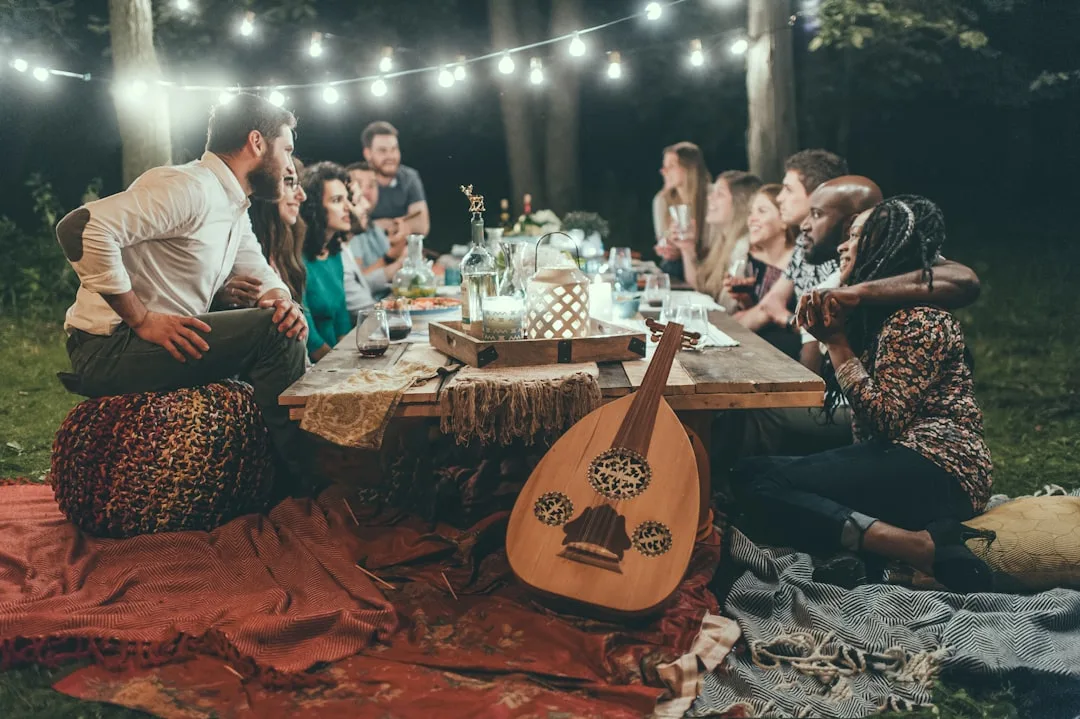
Intimacy scales differently. A microgathering of 12 people around a shared table allows each person to speak for 10 uninterrupted minutes. A 60-person event guarantees 30 seconds and constant background noise.
Data from The Knot’s 2026 social calendar study shows 73% of millennials and Gen Z respondents prefer one intimate gathering per month over quarterly large parties. This directly explains why luxury venues like Gramercy Tavern Private Dining (Manhattan) and The Maple Room (Chicago) expanded their 12-to-18-seat private spaces by 34% in the first half of 2026.
Quick Tips
- Send invitations 3–4 weeks in advance; intimacy requires intentionality, not last-minute RSVPs.
- Cap your list at 15. One extra couple shifts the energy entirely.
- Choose one activity or conversation anchor (wine tasting, live music, chef-led cooking) instead of scattered entertainment.
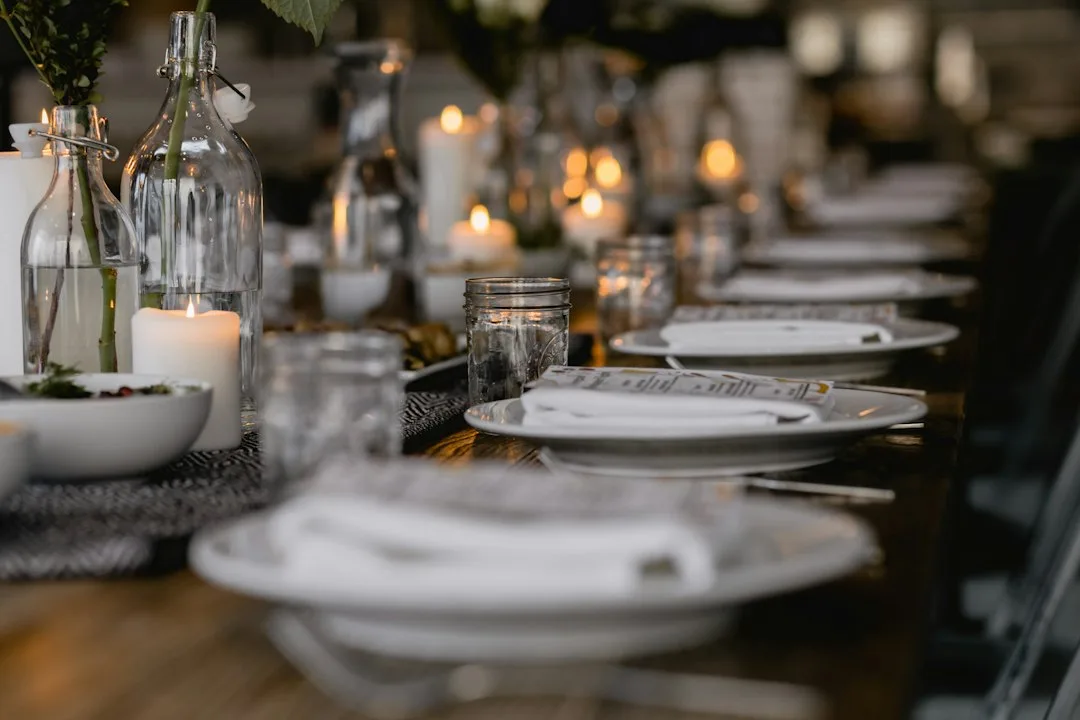
- Use place cards with one conversation starter printed on reverse—crushes awkward silences in groups this size.
- Invest in one standout bottle or ingredient instead of bulk quantities; quality signals you value the gathering.
Microevents Replace High-Volume Catering With Curated Tasting Menus
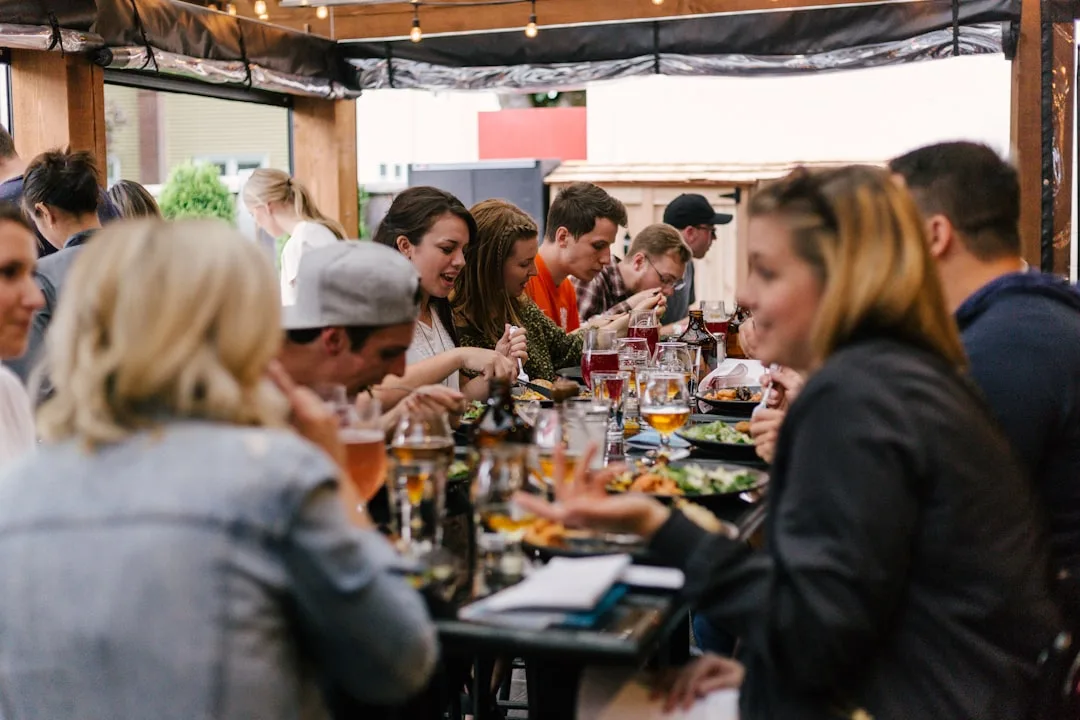
When you invite 12 people instead of 80, your catering logic inverts. Volume pricing disappears, but chef-driven creativity becomes feasible.
Grubhub’s premium catering arm launched a “Microcelebration Series” in March 2026 with locally sourced, plated courses designed for groups of 8–16. Each menu costs 40% more per person than their standard reception offering—because each dish is prepared to order, not reheated from hot boxes.
| Event Format | Guest Count | Catering Model |
|---|---|---|
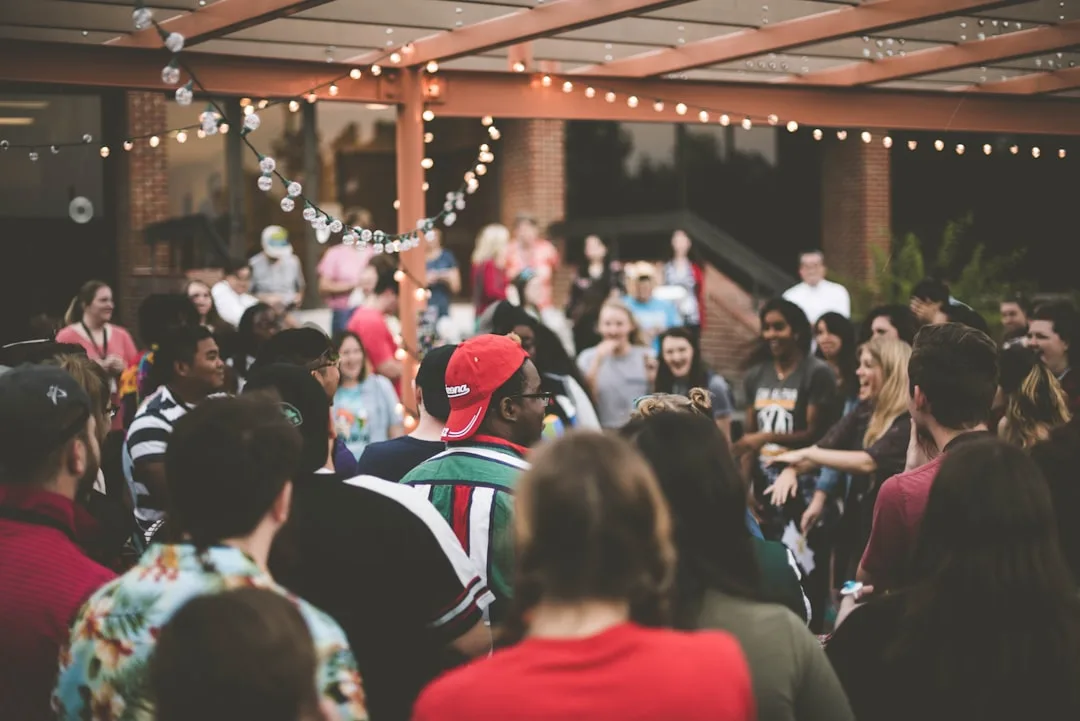
| Traditional Reception | 60–150 | Buffet or passed appetizers; pre-ordered in bulk |
| Microgathering Dinner | 8–15 | Plated tasting menu prepared to order; chef-led or guest-facing prep |
| Hybrid Experience | 20–35 | Family-style courses; high customization for dietary needs |
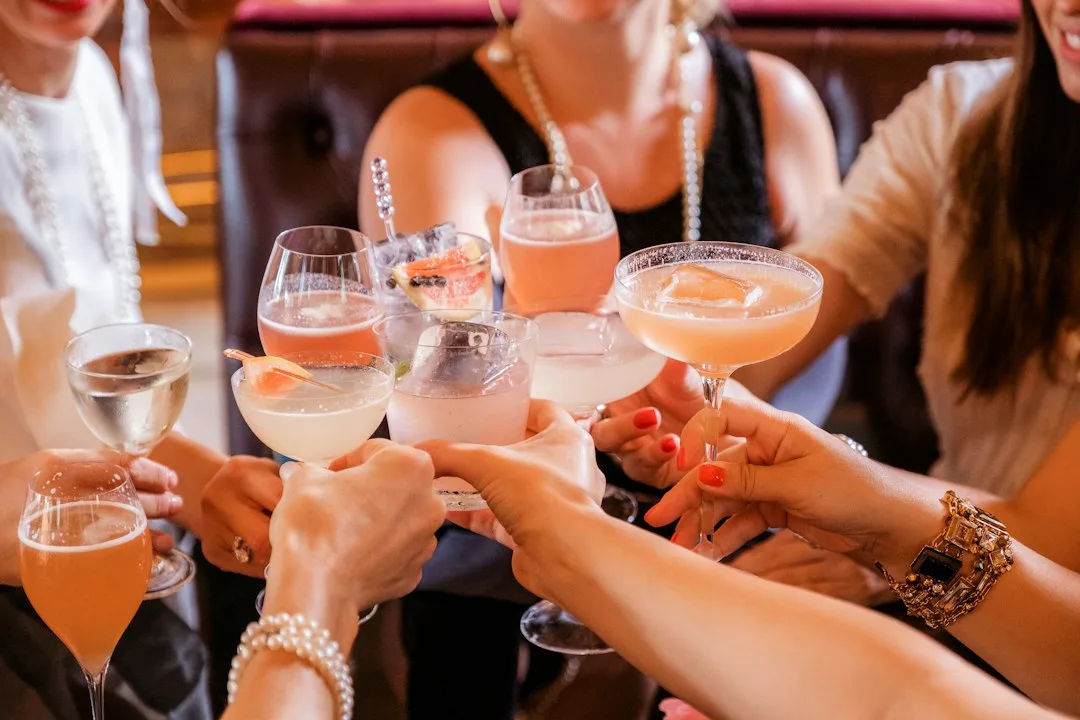
| Standing Cocktail Microgathering | 12–20 | Curated charcuterie, live bar service, or progressive courses |
One concrete consequence: fewer food-waste complaints and stronger event memories tied to specific dishes rather than generic salmon platters. Hosts using this model report guests asking for recipes—proof that the food became the conversation.
The #1 Mistake: Scaling Down a Large Party Instead of Redesigning It
Here’s what fails consistently: inviting 15 people to a venue designed for 100, with décor from a 50-person party template, and calling it intimate. The room echoes. The lighting feels wrong. The table length makes conversation feel formal rather than warm.
Example: A marketing director in Seattle booked her favorite cocktail venue’s “small space” for 16 friends’ birthday gathering in May 2026. The venue seated guests around a 20-foot banquet table—the same table used for 80-person corporate dinners, just with fewer chairs. Guests sat in formal rows.
She should have booked a neighbor’s loft, a private wine room above a restaurant, or a chef’s tasting counter instead. Microevents demand fundamentally different spaces.
Smart planners now ask: “Is this venue designed FOR small groups, or just shrunken down FROM large ones?” That distinction alone determines whether the gathering feels intentional or like a party that didn’t sell out.

Venue Economics Flip When Scale Shrinks
Smaller events remove the pressure to hit a minimum food-and-beverage threshold. You can rent a private room with lower revenue requirements, which means you’re not padding charges.
Sedona Private Lofts (Arizona) opened four micro-event spaces in 2025, averaging $180–220 per hour rental for groups under 20. Compare that to the $800–1,500 per event minimum at traditional banquet halls, and the economics clarify why this format explodes among independent event hosts.
The savings let you redirect budget to one outstanding element: a sommelier-guided wine pairing, a live musician playing in the corner, or premium linens and glassware. Destination Wedding Events Drive Luxury Travel Growth in 2026, but local microevents build the same sense of occasion at a fraction of the cost and logistical complexity.
How Tech Tools Now Serve Microgathering Hosts
Paperless Post’s design suite now includes templates specifically labeled “Intimate Gatherings” with typography and color palettes tested for groups under 20. Guest-list tools flag when you’ve hit 16 people and prompt you to either cap the list or move to the next size tier.
Sublet’s microevent booking platform launched in Q2 2026 and shows available private spaces for 8–16 guests in 47 U.S. cities. Each listing specifies table configuration, natural light, and audio setup—details irrelevant for large venues but crucial for intimate dinners.
Zoom’s event planning integration now includes a “hybrid microgathering” mode where 3–4 remote attendees can video-call into a seated dinner without dominating the experience. This expands who can attend without inflating the in-person headcount.
One more insight: Corporate Team Building Events 2026 — Why Hybrid Experiences Drive Employee Retention echoes the same logic that powers social microevents. Meaningful connection requires bounded groups and intentional design.
The Deeper Why: Time, Attention, and Real Friendship
The microgathering trend reflects a broader cultural exhaustion with performative socializing. You attend a 100-person gala to be seen. You attend a microgathering to be known.
Psychology research from Stanford (June 2026) showed that attendees at gatherings under 15 people reported 64% higher post-event satisfaction and 58% stronger intention to deepen friendships with attendees compared to large-event controls. The ROI on intimacy is quantified.
This isn’t a temporary trend. Microevents align with how humans actually build closeness—through repeated, uninterrupted conversation with the same small circle. They’re not anti-social. They’re pro-genuine-connection in a calendar-crushed world.