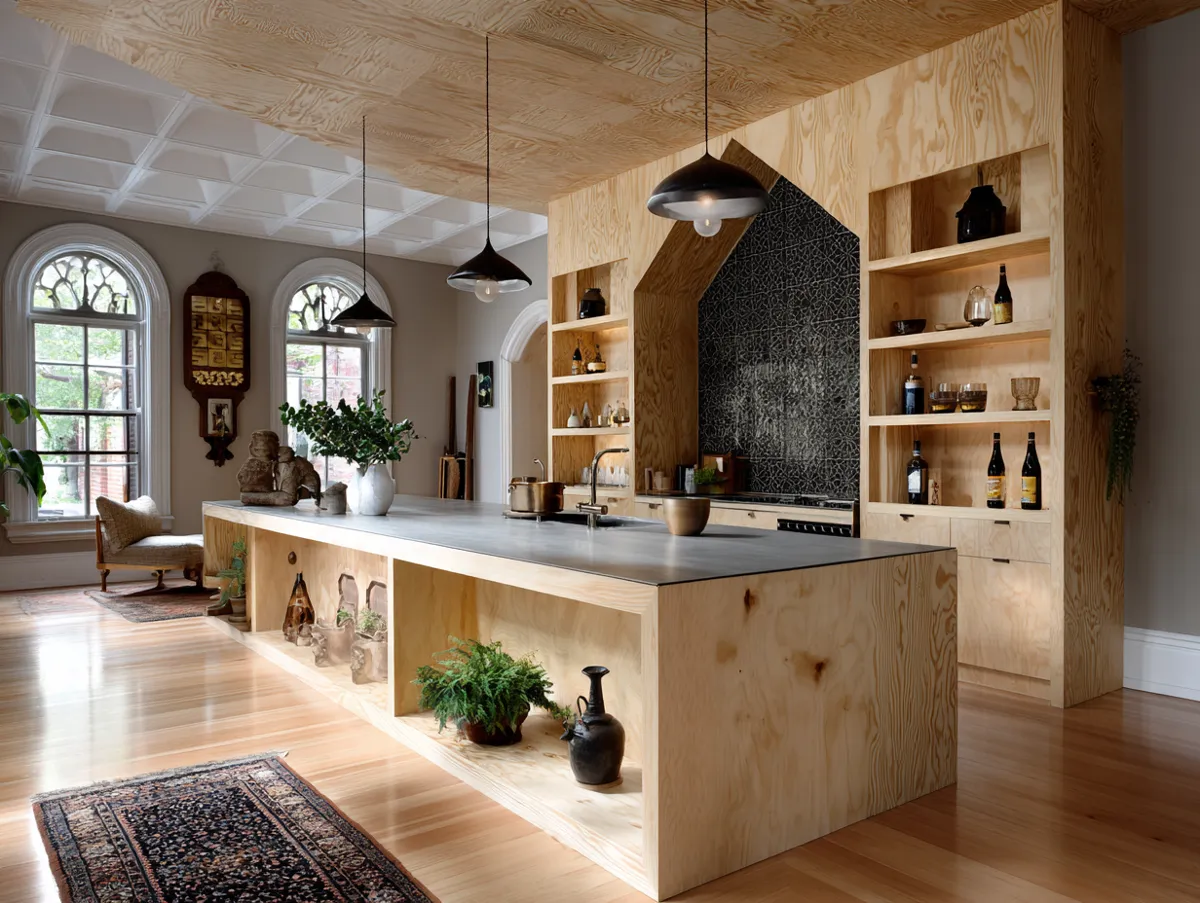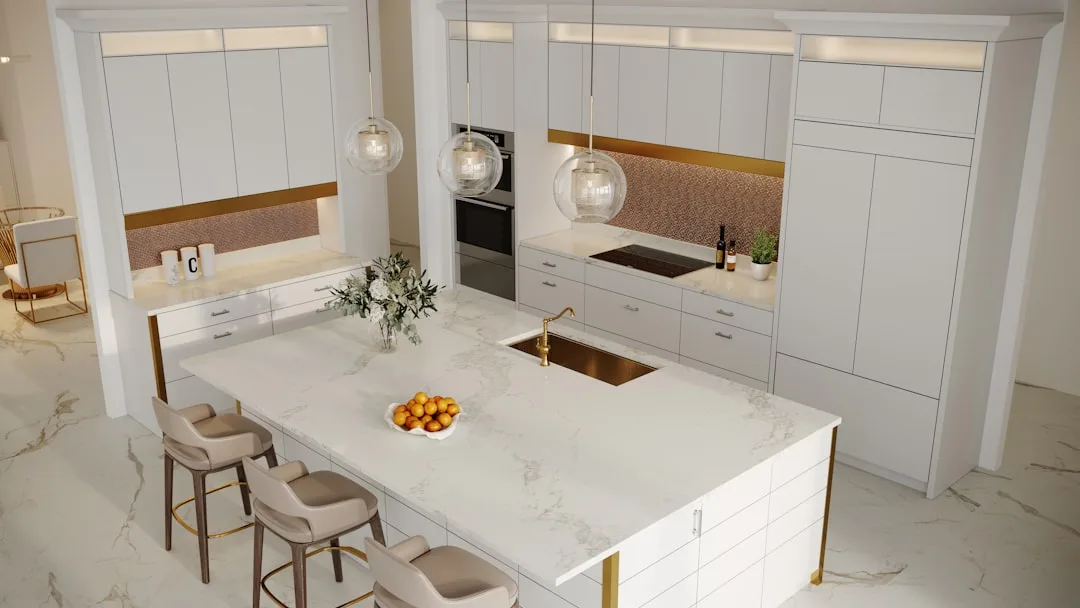
The fixed kitchen island era just ended. Walk into any design showroom from Copenhagen to Los Angeles right now, and you’ll see detachable chopping surfaces, magnetic utensil rails, and modular storage blocks clicking into place like high-end Lego. This isn’t retro modularity—it’s engineered flexibility for renters, downsizers, and anyone who refuses to be locked into one kitchen layout forever.
Modular kitchen islands reshape how people work in small apartments and evolving homes. They replace stationary cabinetry with intelligent component systems.
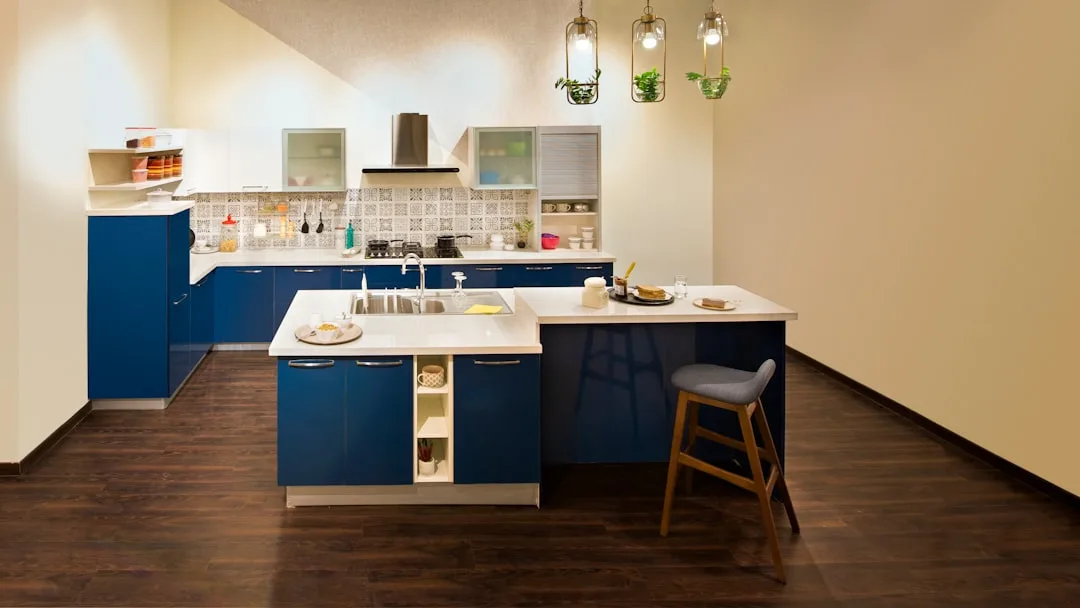
Why Modular Islands Dominate Kitchen Renovation Trends Right Now
Ikea’s MÖRBYLÅNGA series launched its modular island expansion in early 2026, priced from $1,200 for the base unit with an additional $180–$420 per accessory module. This cost structure means a homeowner pays only for what they use—no permanent concrete plinths or custom millwork that locks them into place. Compare that to a traditional built-in island running $3,500–$6,000 with zero flexibility and you understand the market shift immediately.
The underlying shift is demographic. Renters now comprise 42% of premium home decor shoppers, and people move every 7–9 years on average. Permanence became a liability.
- Measure floor space before buying—modular islands need 18 inches clearance on all sides for workflow
- Match your island base material to existing cabinetry for visual continuity, even if wheels add flexibility
- Start with one module and expand within 12 months rather than over-buying upfront
- Choose magnetic or rail-based systems over dowel-pin connections for faster reconfiguration
Where Modular Islands Come From and Which Brands Lead the Market
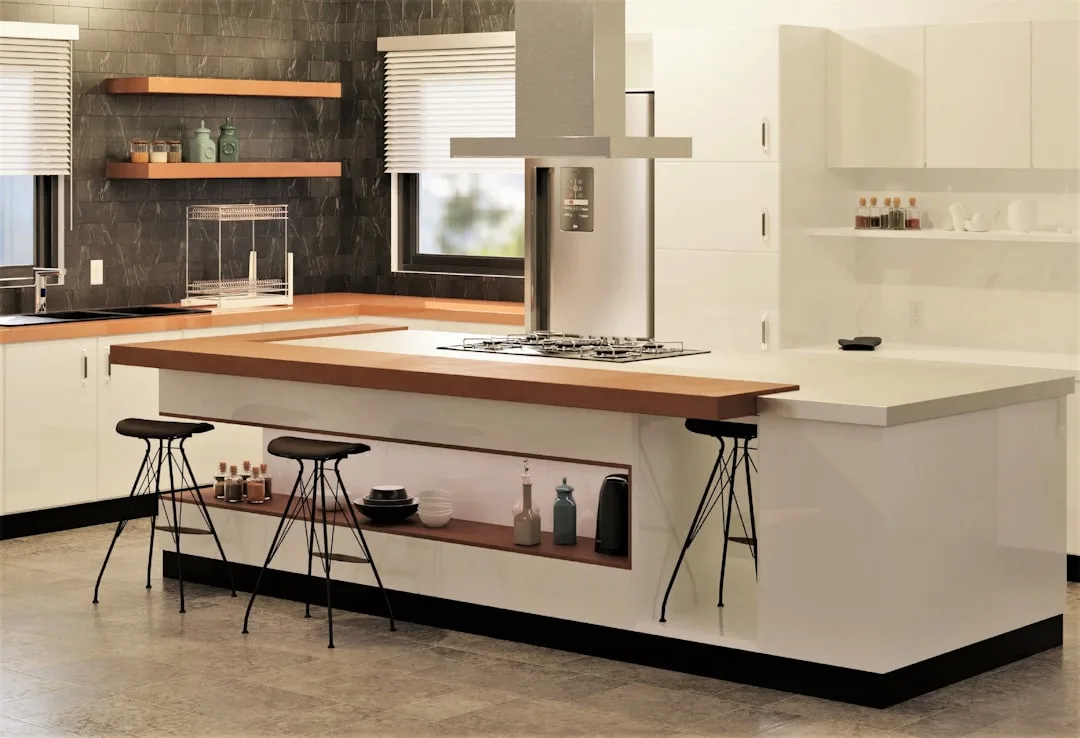
Germany’s Bulthaup took the lead in 2025 with their b3 modular island system, starting at $2,890 for a walnut-topped unit with integrated power and water hookups. Each side can hold different modules—a cooktop here, a prep surface there—and the top rotates 360 degrees. This flexibility costs about $600 more than fixed alternatives, but buyers retain that investment if they move.
Italian brand Boffi followed with their Karuna collection in June 2026, using marine-grade stainless steel and sustainably harvested oak. At $3,400 base price, it undercuts Bulthaup slightly while adding aesthetic weight through minimalist design.
American maker KitchenAid rolled out their Compass series at $1,650 entry point, targeting middle-market renovators. The catch: KitchenAid’s modules connect via standardized rail systems, so you can mix components from older collections if you already own their products.
How to Install and Customize Modular Kitchen Islands for Your Space
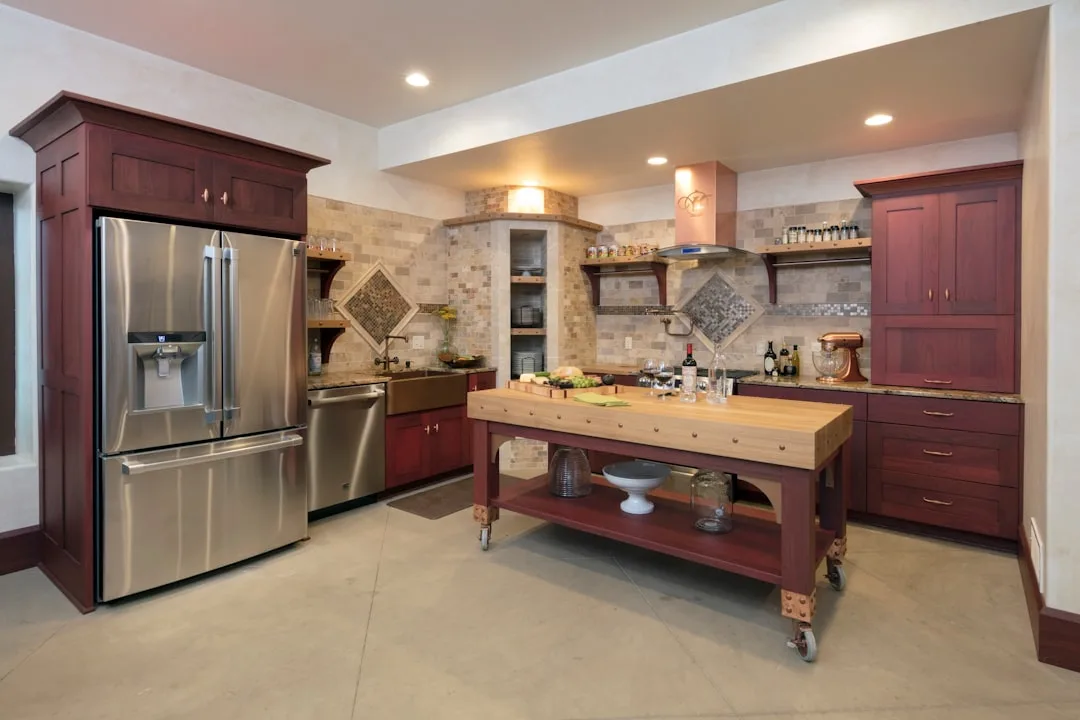
Installation demands precision, not carpentry. Modular islands ship pre-drilled with magnetic or rail-based connection points that require zero permanent fastening. Place the base unit on your kitchen floor, level it with adjustable feet (most systems include these), and attach modules by sliding them onto guide rails or snapping them onto magnetic backing plates.
The common failure point: undersizing the electrical circuit. A modular island with a built-in induction cooktop or wine fridge draws 15–20 amps continuously. Many older kitchens provide only 15 amps to the island area total. Budget $800–$1,500 for an electrician to run dedicated circuits before you buy.
Wheel-based modular islands need level floors within 1/8-inch variance. Tilted kitchens create wobbling work surfaces and uneven burner heating on cooktops. Check your floor with a 6-foot level before ordering—it takes 20 minutes and prevents a $3,000+ regret.
Real-World Sizing and Material Choices That Determine Durability
Bulthaup’s walnut modules cost $340 per running foot, while their engineered composite tops run $220 per foot. Walnut demands annual oiling and shows knife marks like a lived-in heirloom. Composite doesn’t age as visibly but resists heat and staining better—critical for an island where eight people gather simultaneously during dinner parties.
Width matters more than people expect. A 36-inch-wide island accommodates one person on each side for prep work. Expand to 48 inches and two people can work comfortably back-to-back, which justifies the extra $600–$900 cost over time through shared cooking workflows. Islands narrower than 30 inches become decoration, not functional workspace.
Depth also triggers functionality. Thirty inches is restaurant-standard and handles a full cooktop or sink; 24 inches works only for prep surfaces and small appliances. If you want a 24-inch-deep module because of space constraints, accept that you’re building a hybrid island—part work surface, part storage feature—rather than a cooking primary.
Why Modular Islands Matter in Small House Design and Rental Flexibility
Complete guide
Furniture Decor Ideas for Every Room in Your Home
Living room, bedroom, dining, kitchen, outdoor — all in one place
Complete guide
Every Modern Kitchen Design Idea Worth Stealing Right Now
Layout, cabinets, islands, materials, color, lighting — all in one place
Complete guide
The Minimalist Style Guide That Covers Every Room, Surface and Outfit
Interiors, exteriors, kitchens, bedrooms, fashion, hair — all in one place