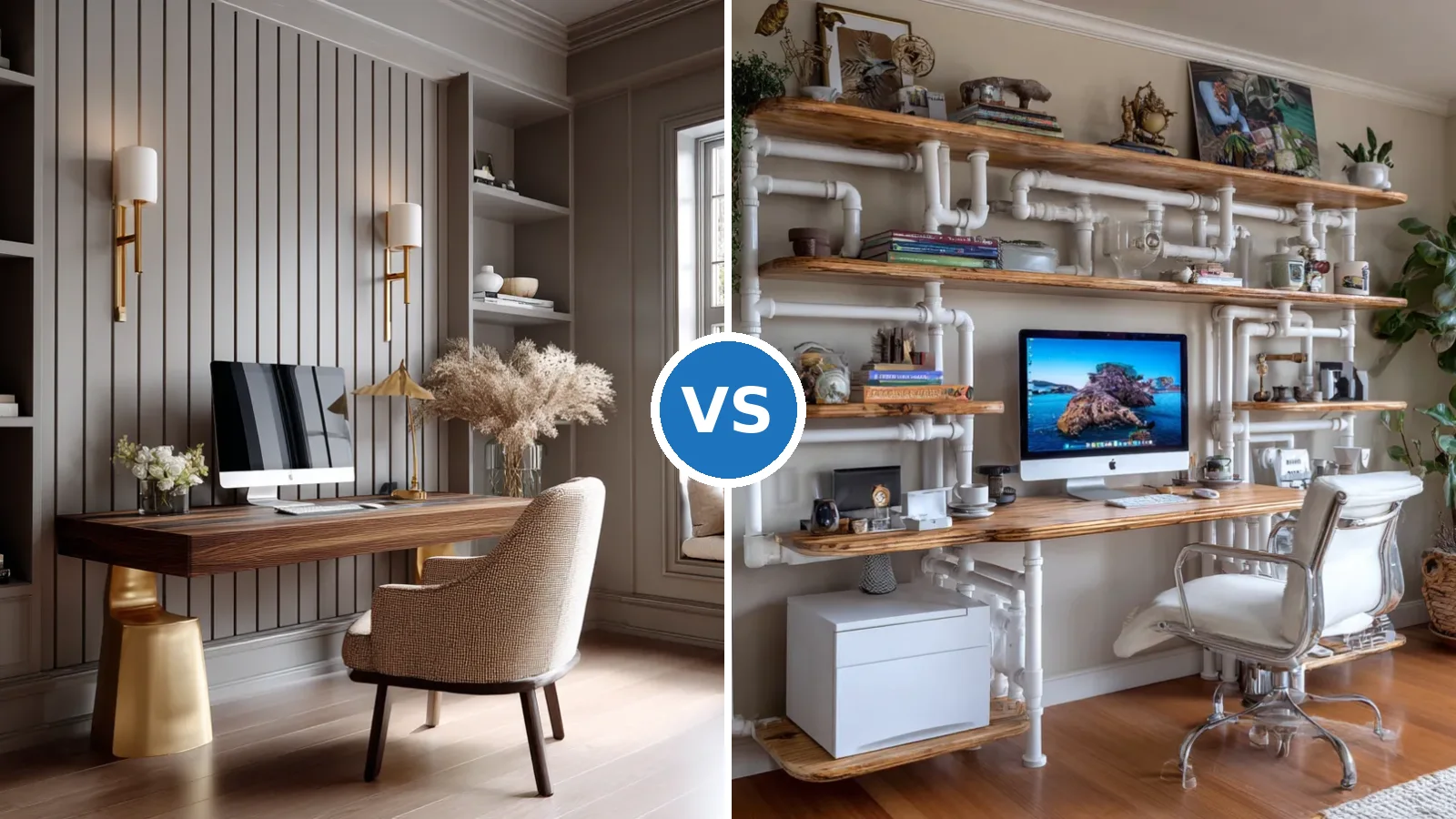
Open-plan homes promised freedom. They delivered noise chaos instead. By 2026, acoustic wall panels have stopped being sound-engineer equipment and started becoming the interior layer that separates working from living without closing doors. Homeowners are discovering that sound absorption reshapes how rooms function—turning shared spaces into zones that breathe independently.
Acoustic panels address a real problem: open layouts amplify every footstep, keyboard click, and conversation into background static that erases calm. Traditional solutions (dense curtains, carpeting) feel dated. Modern acoustic panels combine material science with design intention, delivering absorption rates of 60–85% across mid-range frequencies while looking intentional on walls.
Why acoustic wall panels trend now in 2026
Remote work normalized home offices inside living spaces. Video calls require silence; family proximity demands isolation. Acoustic panels solve this without renovation—no drywall removal, no permanent commitment. They install over existing walls in hours, shift rooms from echo chambers to managed soundscapes.
The materials shifted too. Early acoustic panels (1990s–2015) looked industrial: obvious foam, corporate colors, undisguised absorption. 2026 panels integrate texture, color, and form. Designers now treat them as architectural statements rather than acoustic afterthoughts. This is why architects specify them for high-end residential work—they control sound while defining space.
Supply-chain maturity matters. Manufacturers scaled production. Price dropped 30–40% in five years. Accessibility meets aspirational design, pushing adoption into mainstream homes, not just studios.
- Measure frequency ranges in your space (125–500 Hz for voices, 500–2000 Hz for mid-range noise)
- Choose panels with Noise Reduction Coefficient (NRC) 0.6+ for noticeable effect
- Layer different thicknesses (2-inch + 4-inch) for broader frequency absorption
- Install at ear level and above—sound reflects downward
- Leave 1–2 inches of air gap behind panels; direct mounting cuts absorption by 15%
Brands and specific products driving adoption
GIK Acoustics’ Impression Series panels ($89–$220 per 24×48″ panel) dominate residential work because they balance sound control with aesthetic restraint. Fabric wrapping in 20+ colors prevents the “foam box” appearance. A 200-square-foot room (typical home office) costs $800–$1,600 fully treated—one-fifth the cost of hiring contractors for wall reconstruction.
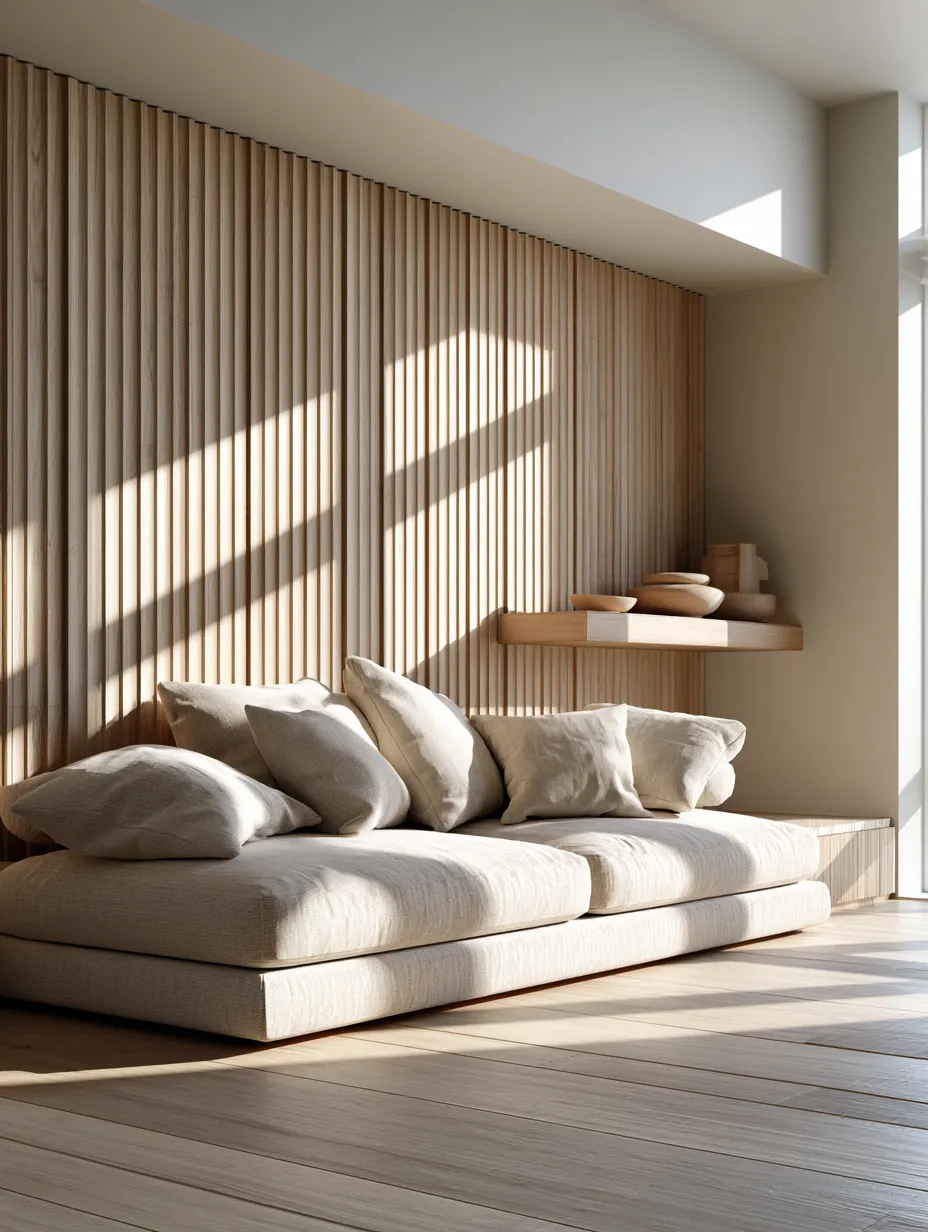
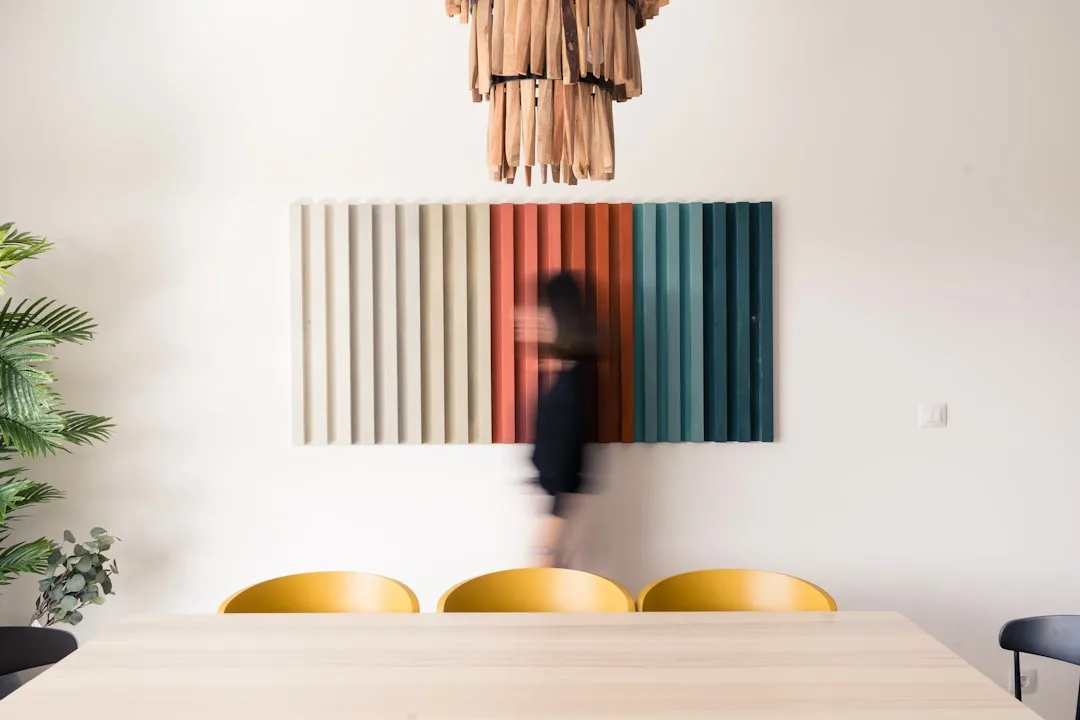
Vicoustic’s Wavewood panels ($280–$550 per unit, 24×48″) stack wooden slats over absorption, creating a Japandi-aligned aesthetic that fits minimalist homes. The perforated wood lets sound pass through while the backing absorbs; finished rooms feel warm, not clinical. Architects in Scandinavia and Japan specify them for residential renovations.
Owens Corning’s 703 fiberglass panels ($50–$100 per panel) remain the budget standard for studios and offices where fabric covering isn’t critical. They absorb 80% of mid-range noise and cost one-third of design-forward alternatives. Many professionals buy plain 703s, then hire upholsterers to wrap them in designer fabric—a hybrid approach saving 40% versus pre-wrapped panels.
Primacoustic’s Control Column stands ($199–$299 each) suit living rooms where permanent wall installation feels too committed. Free-standing cylinders provide absorption without drywall intervention. Three columns in a 12×14-foot living room reduce echo noticeably for under $900—a significant saving versus whole-wall treatment.

How acoustic walls differ from outdated soundproofing methods
Soundproofing (blocking sound transmission between rooms) and sound absorption (dampening reflections within a room) are different problems. Thick curtains and rugs absorb, but inconsistently. Heavy curtains ($40–$80 per panel) cover windows and block light; acoustic panels mount directly on walls and preserve visibility and room geometry.
Dense furniture (sectionals, bookshelves) absorbs sound but reduces floor space. A 7-foot acoustic wall treatment costs $400–$800 and reclaims 50+ square feet. This is why open-plan homes adopt panels—they solve sound without sacrificing layout.
Carpeting (which absorbed mid-range frequencies) is dying because it traps dust and feels heavy aesthetically. Hard floors (concrete, wood) became standard in 2020–2026 because they feel open and modern. Acoustic panels bridge this gap: they allow hard floors to remain while controlling the reflective noise they create.
Installation mistakes that destroy effectiveness
Mounting panels directly to drywall without air gaps cuts absorption by 15–25%. Sound waves need space behind panels to dissipate. Correct installation uses 1–2-inch spacers or furring strips. One homeowner in Austin mounted $3,000 worth of acoustic panels flush to drywall, then called an acoustician when the room still echoed—the fix required removing everything and reinstalling with gaps. Cost: $1,200 in labor.
Undersizing coverage is the second failure. Treating only one wall (40% of a room’s surface area) creates dead spots where sound bounces untreated. Professional rooms treat 60–80% of wall and ceiling area. A bedroom office with panels on the back wall only still reverberates off the opposite wall and ceiling. This is why design-forward homeowners combine wall panels with ceiling tiles or fabric in a layered approach—see our piece on “Discovering Japandi Bedroom Design for Zen Interiors” for integration strategies.
Choosing incorrect thickness wastes money. A 2-inch foam panel absorbs mid-range frequencies (500–2000 Hz, where voices live) effectively but misses low rumble (125–250 Hz, like HVAC hum or street noise). A 4-inch mineral-wool panel covers both ranges. Buyers who select 2-inch panels to save $30–$50 per unit often regret it when bass frequencies persist.
Aesthetic integration in living spaces
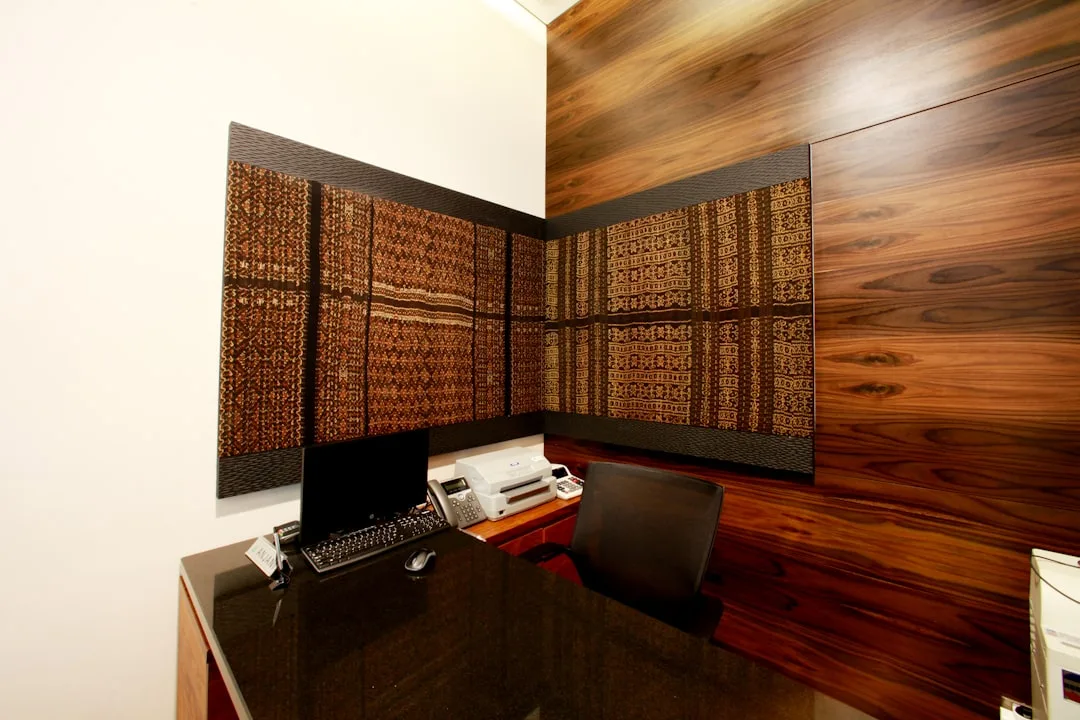
Early acoustic panels looked institutional. Charcoal gray foam on white walls broadcast “sound treatment underway.” 2026 design hides absorption into architecture. Slat panels (like Vicoustic Wavewood, $280–$550 per unit) look like interior cladding. Fabric-wrapped panels in muted earth tones ($150–$400 per panel, custom) match paint colors so seamlessly that guests don’t register them as acoustic devices.
Color-matched installations merge panels into the room’s palette. A sage green fabric-wrapped panel disappears against a sage accent wall while absorbing 70% of mid-range noise. This integration is why residential adoption accelerated—acoustic panels stopped looking like equipment and started looking like intentional design, similar to how “16 Inspiring Log Home Interiors” blend function and form.
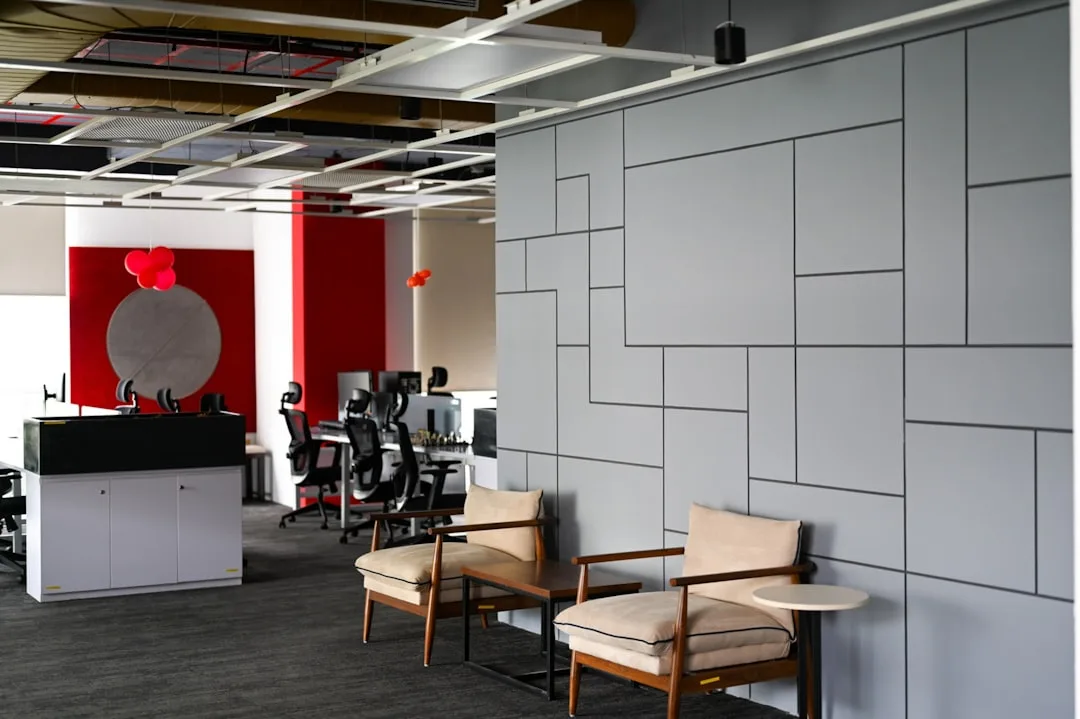
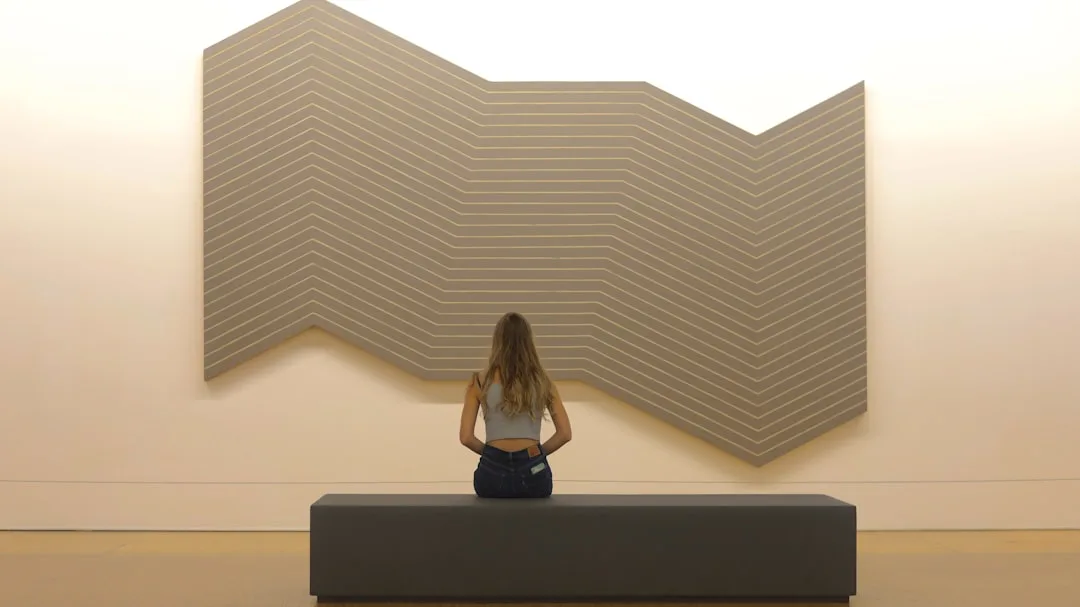
Geometric arrangements add visual interest. Staggered panel heights, offset rows, and mixed sizes create rhythm without chaos. A wall of alternating 2-inch and 4-inch panels in complementary fabrics becomes a feature, not a fix.
By mid-2026, acoustic wall panels represent the mature evolution of open-plan living. They solve the noise problem that hard floors and minimal furniture created, do it without renovation, and do it at costs ($400–$2,000 per room) that fit residential budgets. The shift from invisible absorption to visible design integration signals that sound control has become architectural—expected, not exceptional.