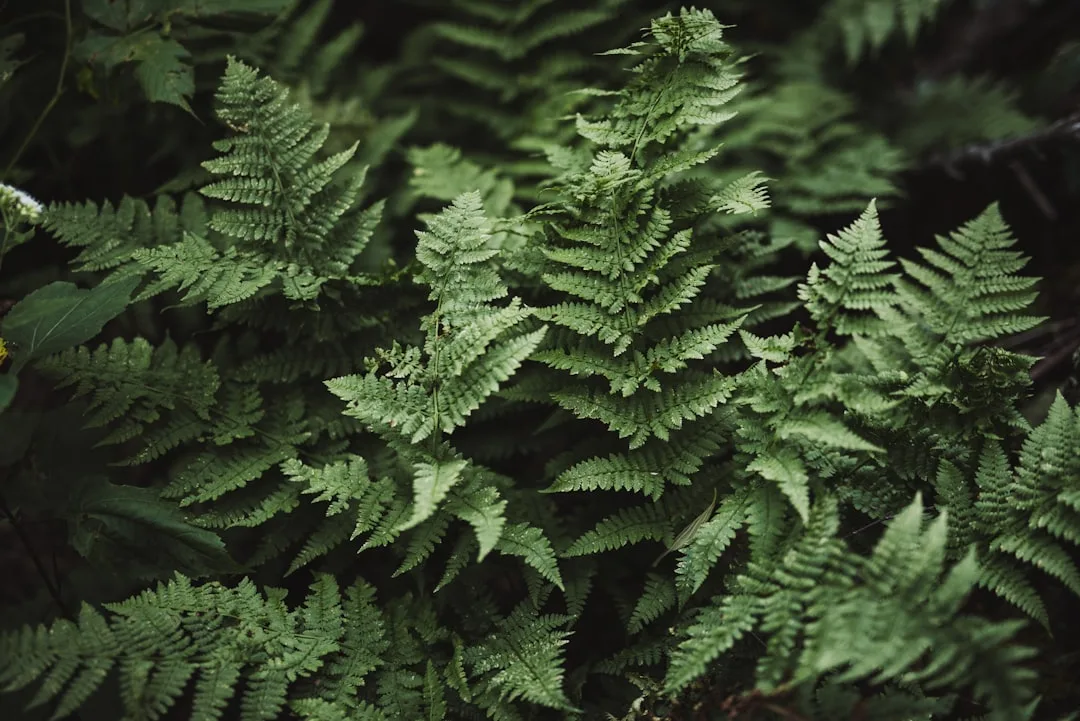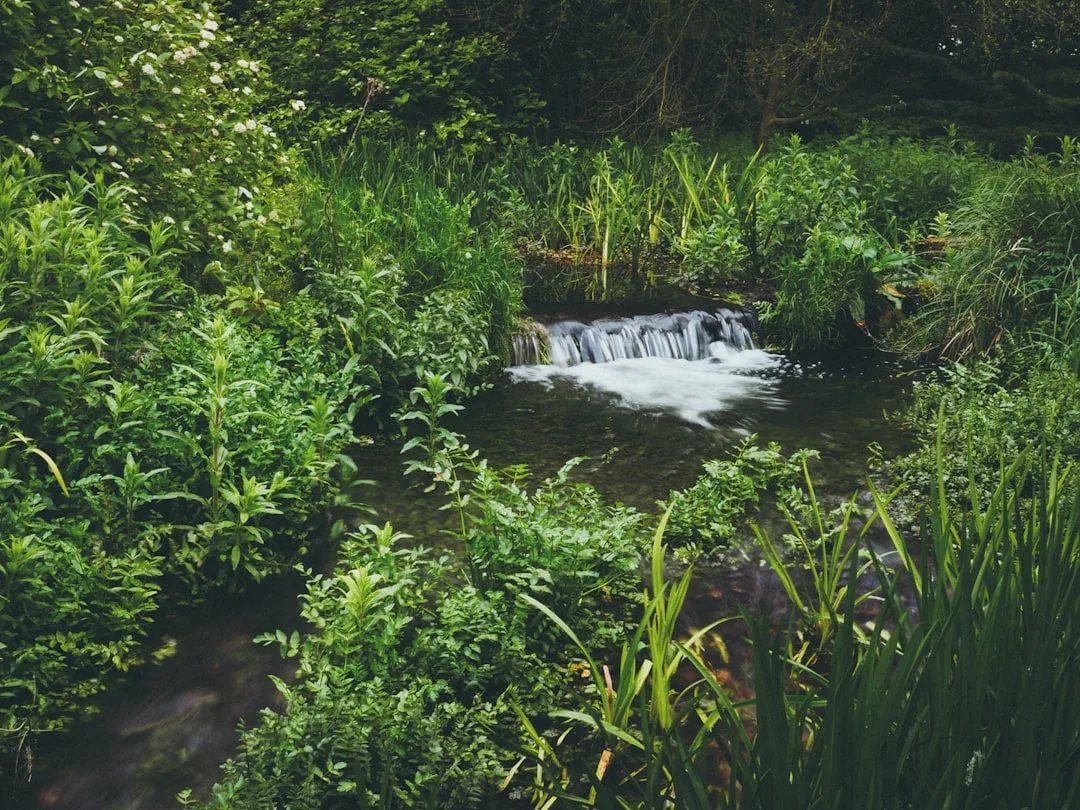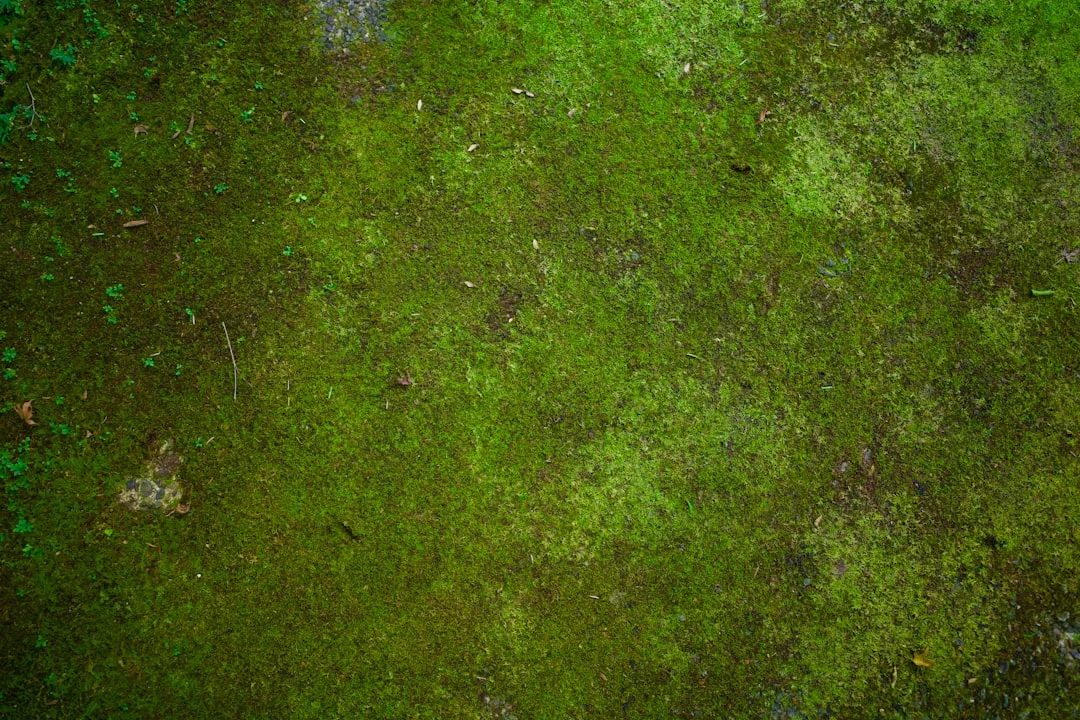
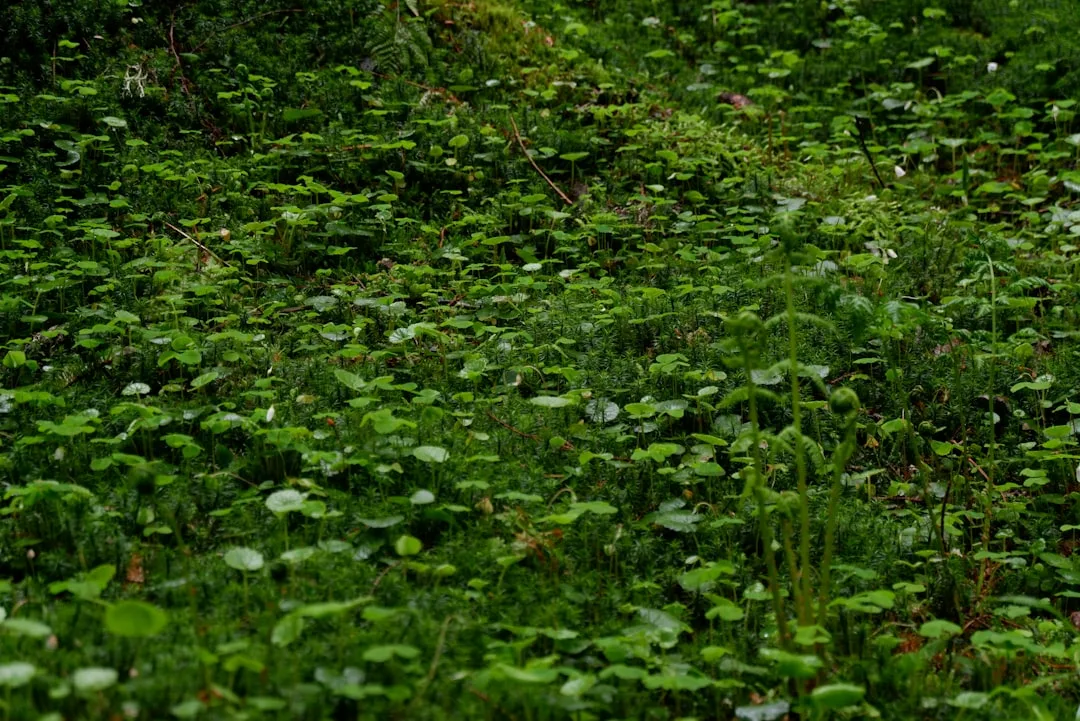
Walk past a conventional lawn on a June afternoon in 2026 and you’ll notice something shifted. The sound of weekly mowing has been replaced by silence. In gardens across Portland, Seattle, and the Northeast—regions where humidity and shade reign—homeowners are tearing out tired turf and replacing it with moss. Not the invasive creeping kind, but cultivated moss gardens that behave like living carpet, requiring zero fertilizer, zero pesticides, and zero mowing. Moss garden design is now the fastest-growing alternative ground cover trend, driven by water scarcity, shade dominance, and the psychology of effort-free beauty.
Why Moss Outpaces Grass in 2026
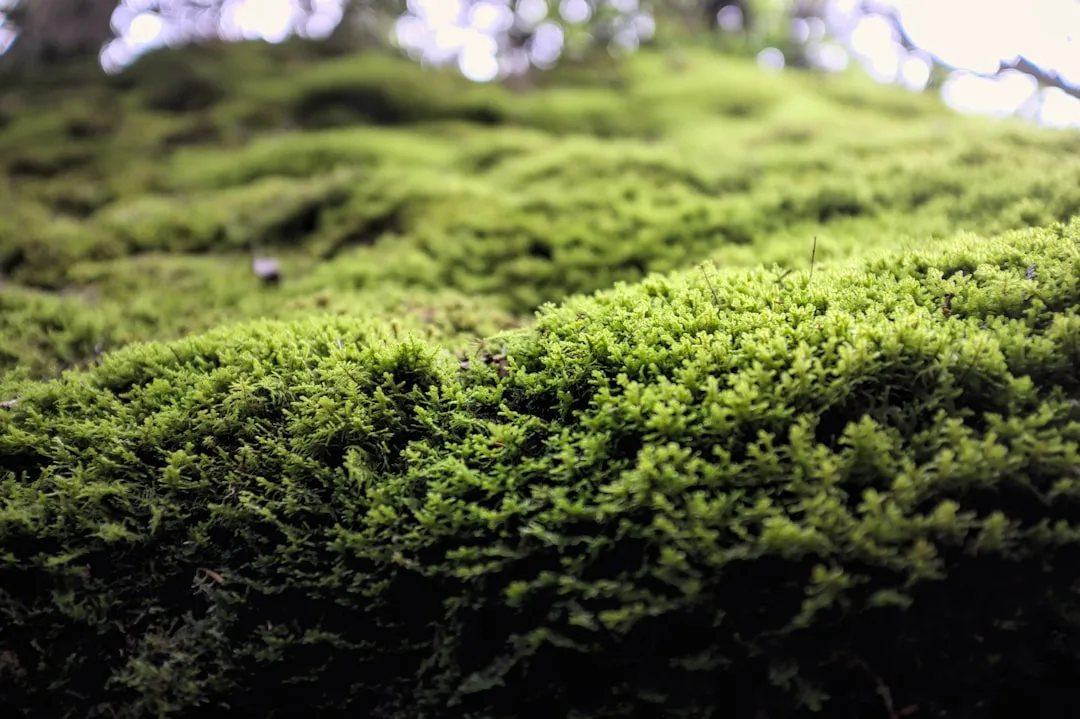
The economics are brutal for traditional lawns. A standard lawn costs $0.50–$1.50 per square foot annually in maintenance—water, fertilizer, fuel, mowing equipment, repairs. A moss garden costs zero dollars per year to maintain. It grows in conditions where grass fails: dense shade, acidic soil, high humidity, poor drainage. Unlike shade-tolerant plants that still require seasonal care, moss literally thrives on neglect.
Moss also absorbs carbon dioxide 10–20 times more efficiently than grass per unit area. Water retention is exceptional; moss can hold up to 20 times its own weight in water, acting as a natural rainfall buffer that reduces runoff and erosion. For homeowners in regions facing drought-to-deluge climate swings, moss becomes a resilience strategy disguised as aesthetic choice.
Quick Tips: Moss Garden Prep
- Test soil pH—moss thrives at 5.0–6.0 (acidic)
- Remove competing weeds and debris manually first
- Scarify or rake vigorously to expose bare soil
- Mist daily for 2–3 weeks after installation
- Shade cloth in first month prevents drying wind
- Avoid foot traffic until establishment (4–6 weeks)
Installation Costs and Real Pricing
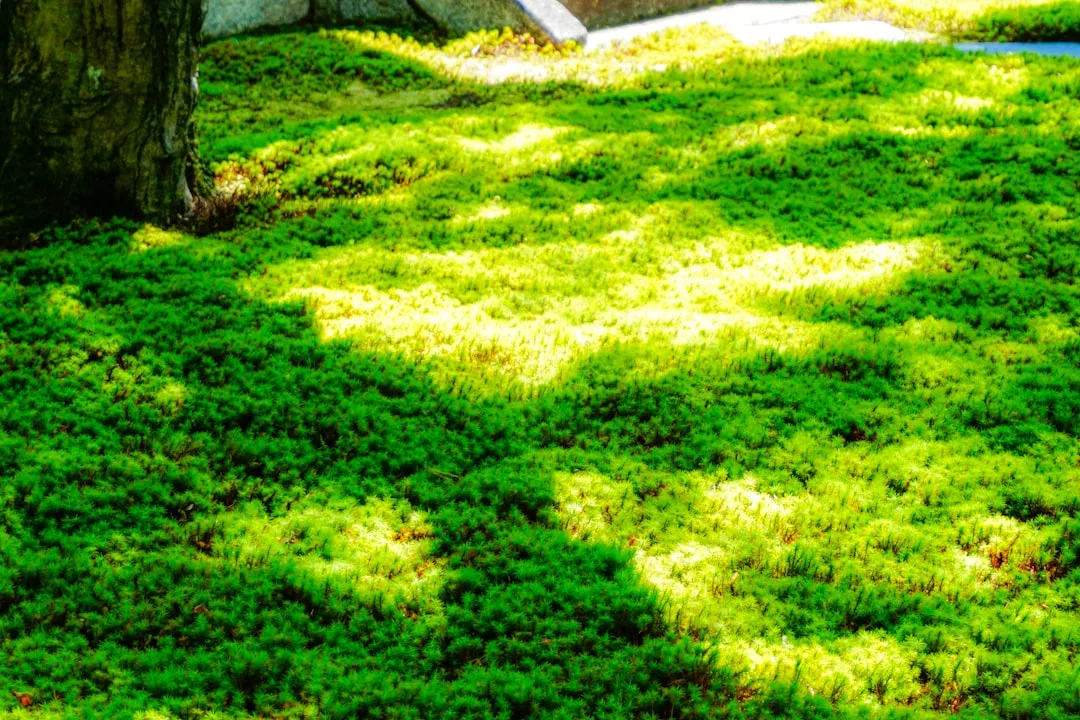
Moss garden installation ranges from $8–$15 per square foot installed, compared to $3–$6 for conventional sod. A 500-square-foot shaded backyard area costs roughly $4,000–$7,500 to install professionally. That sounds expensive until you calculate the 10-year cost: zero maintenance means the moss garden breaks even against grass by year four, then saves $2,500–$7,500 over the decade.
Terrain Horticulture (Pacific Northwest based) charges $12/sq ft for custom moss installation with site preparation, including 12 months of establishment monitoring. Moss Landscape Studios in New England prices starter kits at $200–$400 per 20-square-foot section, allowing DIY installation at $10–$20/sq ft labor-free. Both models undercut the lifetime cost of lawn care dramatically.
Moss Varieties and Where They Come From
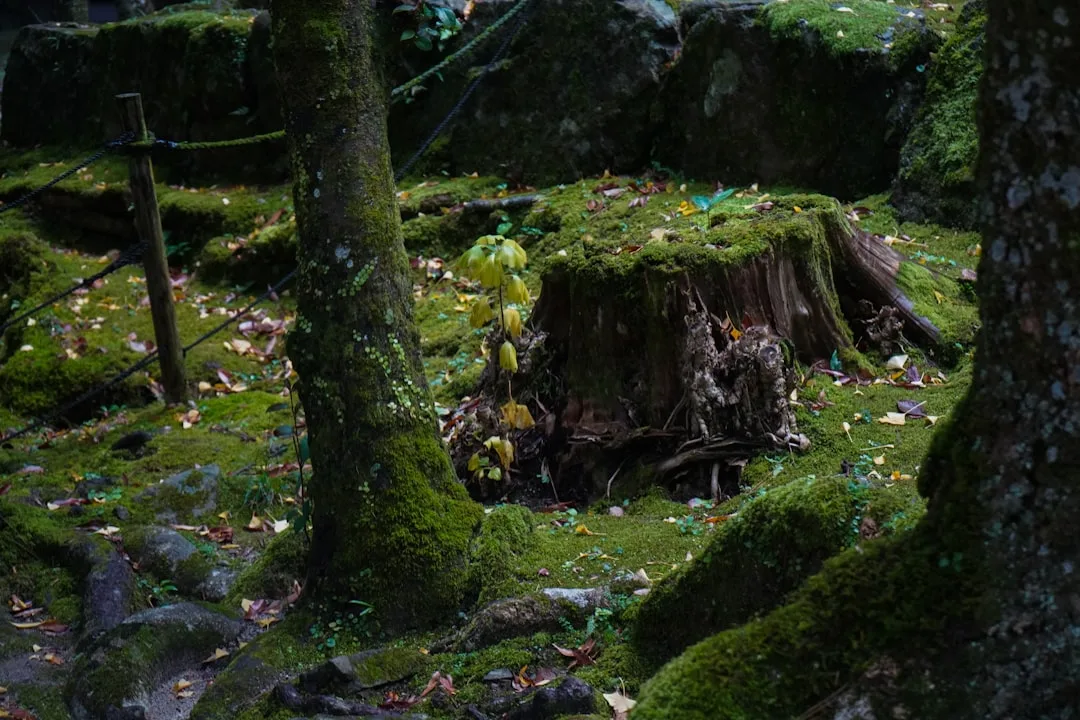
Not all moss behaves the same. The trend relies on three primary cultivated varieties: Dicranum scoparium (mood moss), Hypnum cupressiforme (cypress-leaved plaitmoss), and Bryum argenteum (silvery thread moss). These are harvested sustainably from nurseries in Oregon, Washington, and imported from Japanese moss farms that have perfected 400 years of cultivation technique. Japanese moss expert Akira Hoshino’s nursery in Kyoto supplies specialty varieties like Leucobryum glaucum (leucobryum ball moss) at $50–$80 per 12-inch sphere, serving high-end residential designers in the US.
The sourcing shift matters: wild-harvested moss, once the norm, is now considered ecologically destructive. Cultivated moss eliminates collection pressure on forest floors. Suppliers like Moss Depot (online, US-based) offer pre-cultivated moss mats and fragments starting at $25 per 5-square-foot section, guaranteeing establishment rates above 85% when site conditions match specifications. This removes the guesswork from what was once a risky experimental project.
The Moss Garden Mistake Everyone Makes First
The #1 failure mode: installing moss in full sun or partial sun. Moss cannot compete with algae and liverwort in bright conditions, and direct UV radiation kills most cultivated varieties within weeks. A homeowner in Massachusetts spent $3,200 installing a beautiful moss garden on their south-facing backyard slope, only to watch it turn brown and patchy by July—exactly backwards from what she expected. The culprit was six hours of afternoon sun, which exceeded moss tolerance thresholds.
This is why 7+ Modern Garden Ideas In A Narrow Courtyard and Japanese shade garden principles dominate moss design discourse: moss belongs in dappled light, under tree canopy, on north-facing slopes, or in courtyards where shade is permanent. Testing shade levels with a light meter (€35–€60) before committing soil prep prevents costly replanting. Another common error is overwatering. Moss needs humidity but not standing water; soggy conditions trigger rot and fungal disease within 10 days.
Design Integration and Where Moss Gardens Are Spreading
Moss gardens integrate into two dominant design movements: Japanese Zen aesthetics and naturalistic shaded woodland design. In Zen gardens, moss replaces raked gravel, functioning as a living mandala that requires meditation rather than maintenance. In woodland designs, moss connects to the emerging 13+ Cool Vertical Wall Gardening Design Ideas, creating continuity from ground to vertical surfaces, where moss walls filter light and regulate humidity in shaded courtyards.