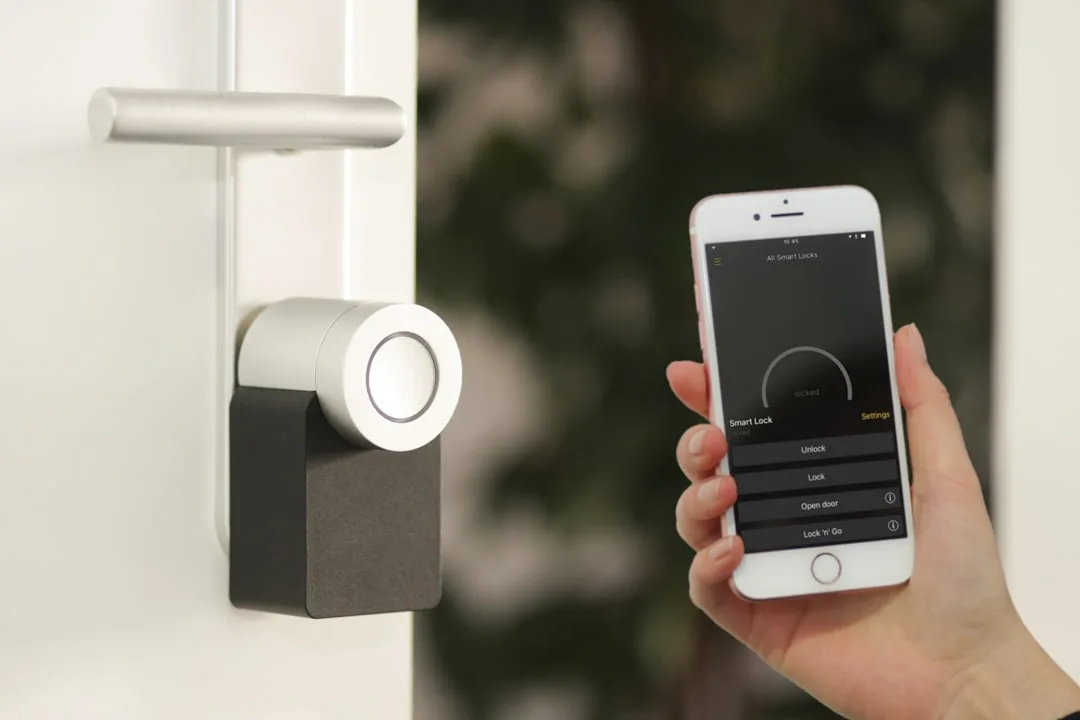
For years, smart home buyers faced a brutal choice: go all-in with one ecosystem or juggle incompatible devices through separate apps. That gatekeeping is collapsing. Modular smart home ecosystems now dominate August 2026, letting families pick a thermostat from one maker, a security panel from another, and lighting from a third—all talking to a single hub using open standards. The shift matters because it saves money, reduces waste, and actually makes homes smarter instead of just more controlled.
Why rigid ecosystems are failing
Amazon Alexa, Google Home, and Apple HomeKit locked users into walled gardens for nearly a decade. You bought an Alexa speaker, then felt pressured to buy Echo smart plugs, Ring cameras, and Alexa-compatible thermostats to maximize functionality. Lock-in was the business model.
That strategy is cracking. In 2024, Matter—an open connectivity standard developed by Amazon, Google, Apple, Samsung, and over 500 other companies—launched mainstream adoption. By mid-2026, Matter-certified devices represent roughly 35% of new smart home hardware shipments. This is the #1 reason modular ecosystems now win.
Families upgrading today see the difference immediately. You’re no longer hostage to one brand’s roadmap or pricing whims.
Quick Tips
How to Choose Your First Matter-Compatible Smart Home Hub
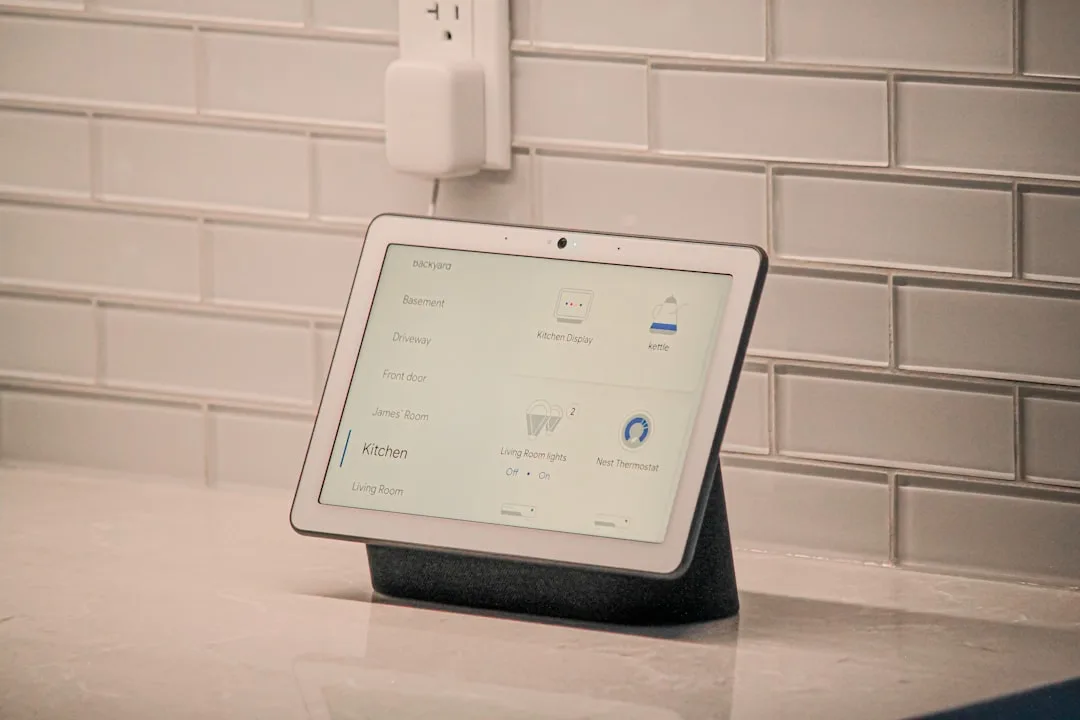
Your hub is the brain of a modular smart home. It communicates with all your Matter devices, processes commands locally (no internet required for basic functions), and stores automations. Without a proper hub, many Matter devices won’t work at all.
The major hub options today are Apple Home Pod mini, Samsung SmartThings Hub, and Google Home with Thread. Each has strengths. Apple Home Pod mini excels at privacy and HomeKit integration. SmartThings offers the most flexibility for advanced users and plays nicely with legacy Samsung appliances. Google Home keeps costs down but requires your network to stay online.
Pick one hub and stick with it. Running multiple hubs creates conflicts and doubles your setup complexity. Once your hub is installed and your Wi-Fi network is stable, you’re ready to add individual devices from any brand that carries the Matter certification.
Building Your Modular Device Layer by Layer
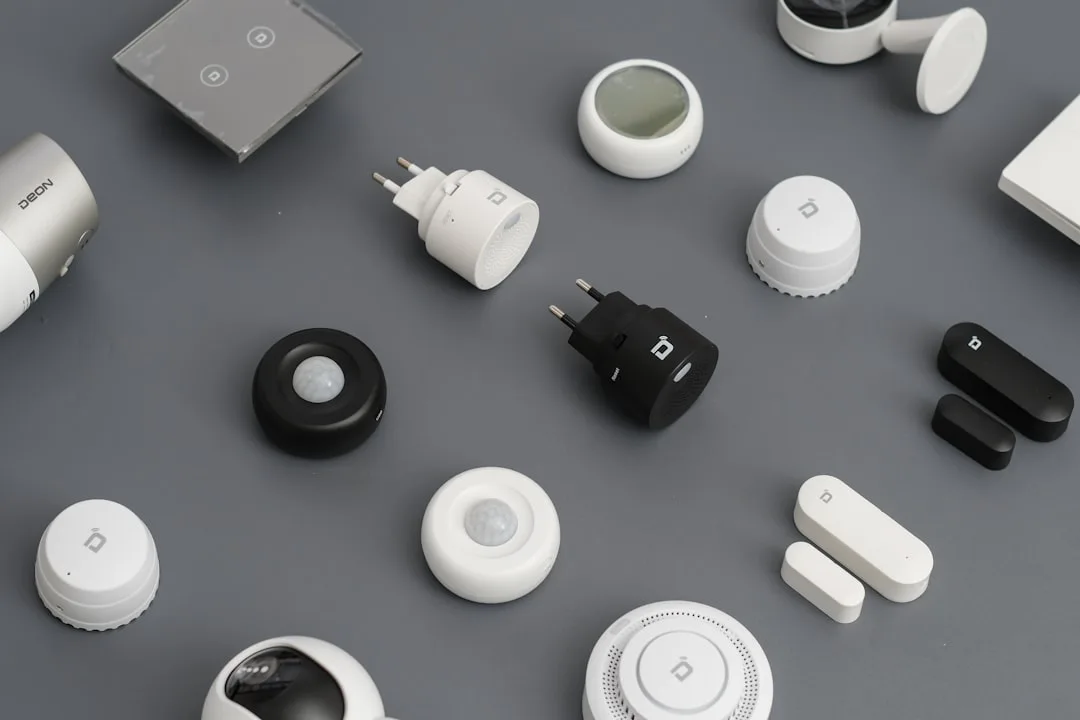
Start small. Buy one category of device—perhaps light bulbs or door sensors—from the brand that makes the best version, regardless of ecosystem. Test it for a month. Does the app feel intuitive? Do automations trigger reliably? Does the device integrate smoothly with your hub?
Only after you’re comfortable add the next category. Maybe that’s smart locks, then thermostats, then cameras. This layered approach lets you learn your system gradually instead of drowning in 20 devices on day one. Each addition teaches you something about what matters for your home’s specific needs.
This flexibility is why modular wins. You’re not locked into buying all your locks from the same company that makes your lights. If a new thermostat comes out next year that’s 30% better, you buy it without ripping out your entire system.
Security and Privacy in a Multi-Brand Home
One concern many families voice: does a modular home sacrifice security? The opposite is true. Matter devices communicate locally through your hub first, not always pinging the cloud. This reduces your attack surface compared to older smart homes where every device had its own internet connection.
Each manufacturer still handles their own app and cloud services, but your physical home automation—the automations that run locally on your hub—stays private. No cloud vendor can see when you unlock your door or turn on lights. This design principle aligns with the growing focus on Shaping the Future of Safe Digital Interaction, where data minimization and local processing lead to stronger privacy outcomes.
Set strong passwords on your hub and enable two-factor authentication on any cloud accounts. That’s standard practice, not unique to modular homes. The modular approach actually gives you more control because you’re not dependent on one company’s security patches.
Real-World Scenarios Where Modular Pays Off
Imagine you rent an apartment. With a modular system, you take your Matter devices with you when you move. Your light bulbs, smart plugs, and sensors all work in the new place once you re-add them to your new hub. You’ve built an asset, not rented one.
Or picture yourself as someone interested in emerging wearables. If you later decide to explore Adaptive AI Glasses Transform Personal Vision in 2026 — Why Real-Time Processing Reshapes Wearable Tech, a modular home architecture means those glasses can talk to your lighting and environmental controls without forcing you to replace your entire smart home stack.
Another scenario: your favorite smart lock brand announces a recall. In a modular home, you uninstall one lock and install a competitor’s. Everything else keeps running. In a monolithic ecosystem, a single device failure can ripple outward and break your automations.