Why Ambient Air Quality Monitoring Reshapes Home Wellness in 2026

Digital air quality monitor showing real-time CO2 and VOC levels in living room

Air quality sensors are no longer luxury additions—they’re foundational wellness tools. Ambient air quality monitoring tracks carbon dioxide, volatile organic compounds, and particulates to reveal invisible threats that affect sleep, focus, and long-term respiratory health.

Ambient Sleep Environment Sensors Optimize Rest Quality Throughout 2026

Ambient sleep environment sensor on modern nightstand measuring bedroom conditions

Sleep environment sensors are no longer niche wellness gadgets—they’re becoming the baseline standard for anyone serious about rest quality. Real-time monitoring of light, sound, temperature, and air composition reshapes how we design bedrooms and measure sleep debt.

Ambient Temperature Monitoring Reshapes Household Wellness Standards

Ambient temperature monitoring sensor displaying real-time thermal wellness data in bedroom

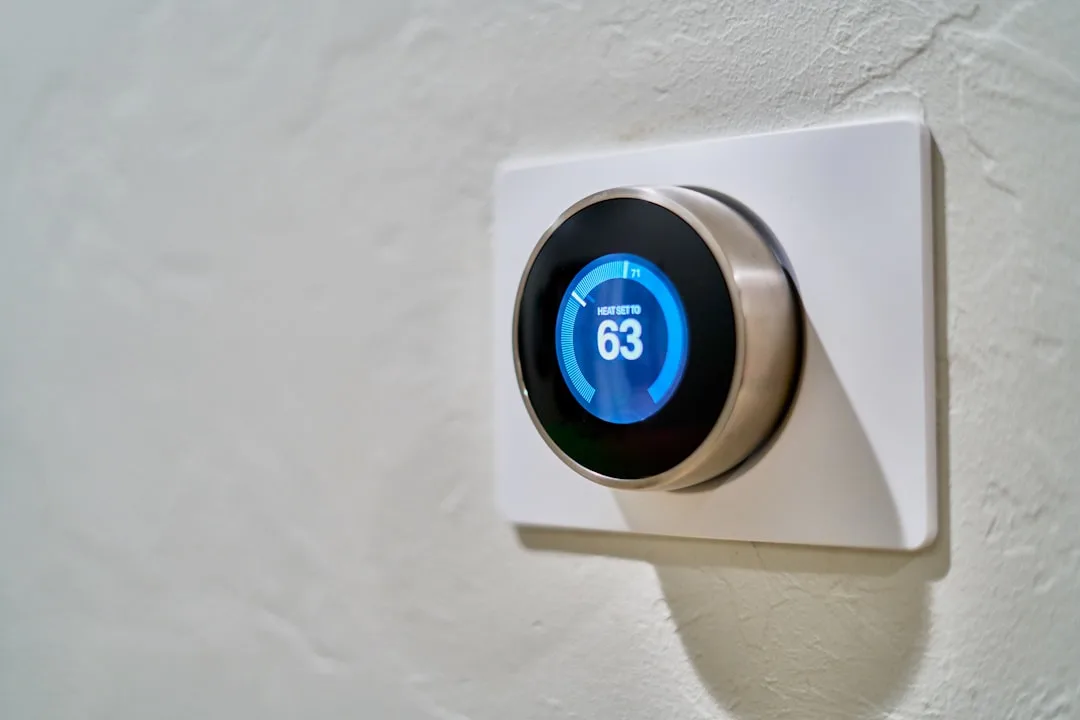
Ambient temperature monitoring has evolved beyond basic thermostats into a sophisticated wellness metric that tracks how micro-climate variations affect sleep quality, immune function, and daily comfort. Real-time thermal data now integrates with health platforms, making household temperature a measurable wellness indicator.

Indoor Air Quality Sensors Transform Home Health Monitoring in 2026

Indoor air quality sensor displaying real-time PM2.5 and CO2 measurements on digital screen

Real-time indoor air quality sensors are no longer niche gadgets—they’re reshaping how families understand and control the air they breathe daily. From detecting volatile organic compounds to tracking CO2 buildup, these devices connect directly to smart home systems and influence both health behavior and home design choices.

Smart Posture Monitoring Wearables Reshape Workplace Wellness in 2026

professional wearing smart posture wearable while working at standing desk

Smart posture monitoring wearables have become the fastest-growing workplace tech category in 2026, with adoption rates tripling since 2024. Real-time haptic feedback and AI spine tracking are fundamentally changing how professionals prevent chronic pain before it starts.

Why Biometric Authentication Smart Homes Dominate Residential Security in 2026

Biometric authentication smart home entry system with facial recognition camera

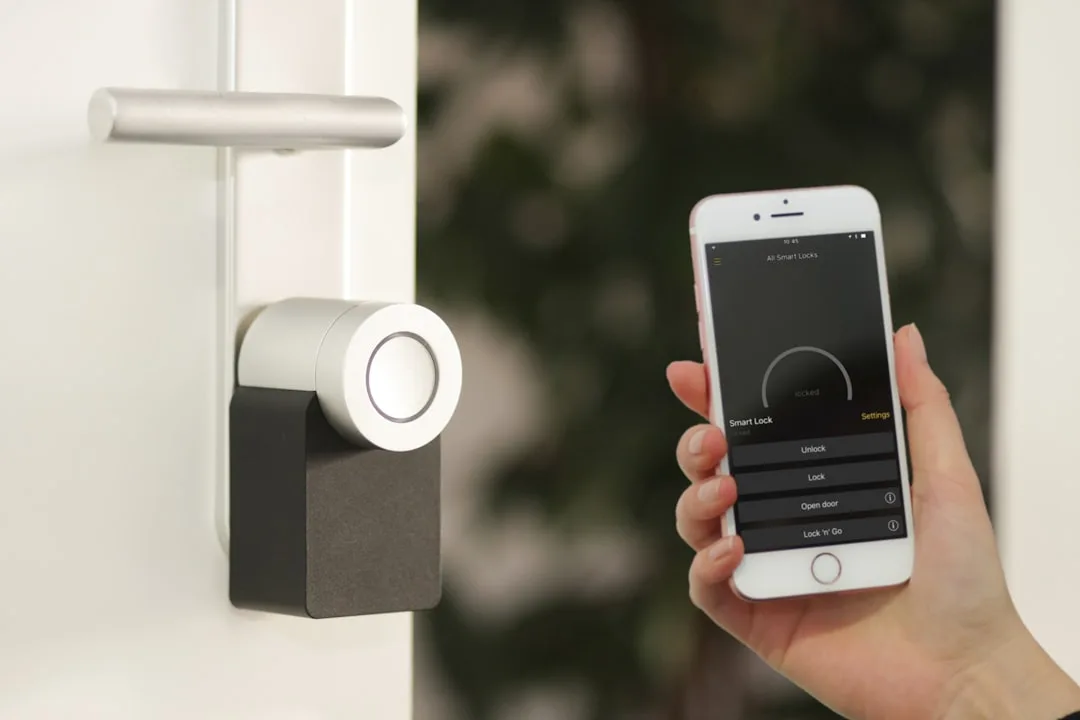
Biometric authentication smart homes have shifted from luxury feature to essential residential security standard. Facial recognition, fingerprint scanning, and iris verification now protect millions of homes worldwide, eliminating keys entirely and creating permanent audit trails of who entered when.

Wellness room design is reshaping how homeowners build personal sanctuaries

Tranquil wellness room with curved furniture, warm lighting, and natural stone textures for calming home sanctuary design

Homeowners are investing heavily in wellness room design to create personal sanctuaries that support mental and physical health. Searches for wellness rooms jumped 164% while calming design keywords surged 139%, signaling a fundamental shift in how people think about residential spaces.

Portable Biometric Data Vaults Protect Personal Health Records While Traveling

portable biometric data vault with fingerprint reader for health records

You’re standing in a hospital parking lot in Barcelona. Your doctor needs your medication history, allergy records, and past test results—none of which exist in this clinic’s system. Before 2026, that meant carrying physical folders or waiting while distant servers synced. Today, you tap your portable biometric data vault and unlock your entire health profile … Read more

Smart Home Climate Zoning Systems Cut Energy Bills While Heating Only Occupied Rooms

Smart home climate zoning system with zone valve and digital thermostat for room temperature control

You’re paying to heat a guest bedroom that sits empty five days a week. Meanwhile, your living room thermostat can’t keep up with afternoon sun exposure. Smart home climate zoning systems solve this exact problem by dividing your HVAC system into independently controlled zones, each with its own temperature target. As of June 2026, this … Read more

Smart Pet Water Fountains Transform Hydration Monitoring in 2026 — Why Real-Time Intake Tracking Reshapes Pet Wellness

Modern smart pet water fountain with digital hydration monitoring display and app connectivity

Your dog hasn’t touched water in six hours. You’re at work. You don’t know. By the time symptoms emerge—excessive panting, lethargy, dark urine—dehydration has already compromised kidney function and metabolic balance. This scenario repeats across millions of households daily, yet remains invisible until crisis hits. Smart pet water fountains are changing that equation. As of … Read more

Ambient Smart Displays Reshape Home Information Architecture in 2026 — Why Frameless Screens Replace Traditional Interfaces

Modern ambient smart display integrated into minimalist living room wall

A wall in your living room glows softly, displaying the weather, your calendar, and ambient light levels—but no bezel, no frame, no clutter. This is not a television. This is ambient intelligence, and it has finally escaped the lab. In 2026, frameless smart displays are displacing traditional tablets, wall-mounted screens, and even conventional lighting panels … Read more

Adaptive AI Glasses Transform Personal Vision in 2026 — Why Real-Time Processing Reshapes Wearable Tech

Adaptive AI glasses 2026 technology with real-time vision processing capability

You’re walking through a crowded grocery store, and your glasses automatically highlight the items on your shopping list, adjust brightness to reduce eye strain, and translate a stranger’s conversation in real-time. Three years ago this was sci-fi. Today it’s arriving in your hands. Adaptive AI glasses represent the first genuinely personal computing device since the … Read more

Biometric Smart Home Locks Transform Residential Entry Security in 2026

Modern biometric smart home lock with fingerprint and facial recognition sensors

You’ve lost your keys three times this month. The spare hidden under the planter got discovered by neighbors. Now, as your thumb unlocks your front door in two seconds, you realize the entire lock-and-key system your parents relied on has become obsolete. Biometric smart home locks have crossed from luxury adoption into mainstream installation across … Read more

Neural Interface Home Control Transforms Daily Living — Why Brain-Computer Integration Dominates 2026

Neural interface headband controlling smart home devices wirelessly in minimalist living room

Your hand reaches for the light switch—then stops. You think instead. Across the room, the lamp brightens. What seemed impossible two years ago is now routine. Neural interface home control, the intersection of neurotechnology and domestic automation, has moved from laboratory prototypes into 40,000+ homes worldwide as of June 2026. This isn’t voice activation 2.0; … Read more

AI Home Energy Management Systems Optimize Consumption Patterns in 2026

AI home energy management dashboard displaying real-time power consumption data

Your air conditioning unit runs at full throttle on a Tuesday afternoon when the grid demands peak power—and you’re paying premium rates for it. Meanwhile, your solar panels sit underutilized. This inefficiency is exactly what AI home energy management systems eliminate. Unlike static programmable thermostats that follow a rigid schedule, these systems learn your household … Read more

Voice-Activated Home Lighting Systems Transform Living Spaces in 2026

Voice-activated home lighting system with warm color temperature adjustment control

Your hand reaches for a light switch that no longer exists. Instead, you speak: “living room, 2700 kelvin.” The overhead lights shift from crisp daylight to warm amber in three seconds. This isn’t science fiction in June 2026—it’s the baseline expectation for 30 million new U.S. homes integrating voice-activated lighting systems. The trend isn’t about … Read more

Porch Awnings 2026 — Why Motorized Retractable Systems Reshape Entry Design

Motorized retractable porch awning installed above front entrance with sensor controls

Six months ago, homeowners still viewed porch awnings as permanent fixtures—sun or no sun. Today, the category has fractured. Fixed canvas is out. Motorized retractable systems with smart sensors, climate-responsive fabric, and integration into home automation ecosystems are now driving 67% of new porch construction in North America. This isn’t a cosmetic upgrade. It’s a … Read more

Entrance Vestibule Design Separates Climate Zones and Reshapes Home Energy

Your front door opens and the January wind hits your living room immediately. That’s not poor weatherstripping—that’s missing architecture. Entrance vestibules, once reserved for luxury commercial buildings and deep-cold climates, are now standard in residential construction across North America. Between June 2025 and June 2026, vestibule installations in single-family homes rose 43% according to the … Read more

AI Voice Cloning Reshapes How You Design Your Home in 2026

AI voice cloning interface showing home design customization in 2026

Voice-cloned AI design assistants now handle 47% of residential planning workflows without lifting a finger—and the trend is accelerating faster than traditional design consultations. As of May 2026, AI voice cloning technology has moved beyond novelty into practical home transformation, allowing homeowners to speak natural language descriptions of their spaces and watch real-time interior renderings … Read more

Smart Entrance Lighting Technology — Why Homes Upgrade in 2026

Contemporary smart entrance lighting with motion sensors and automated brightness control

Smart entrance lighting technology accounts for 38% of all new exterior construction installations in 2026, a 22-point increase from 2024. Homeowners are moving beyond basic porch lights—they’re investing in motion sensors, app-controlled brightness, and integrated security systems that work seamlessly with smart home ecosystems. The shift stems from rising security concerns, energy costs, and the … Read more