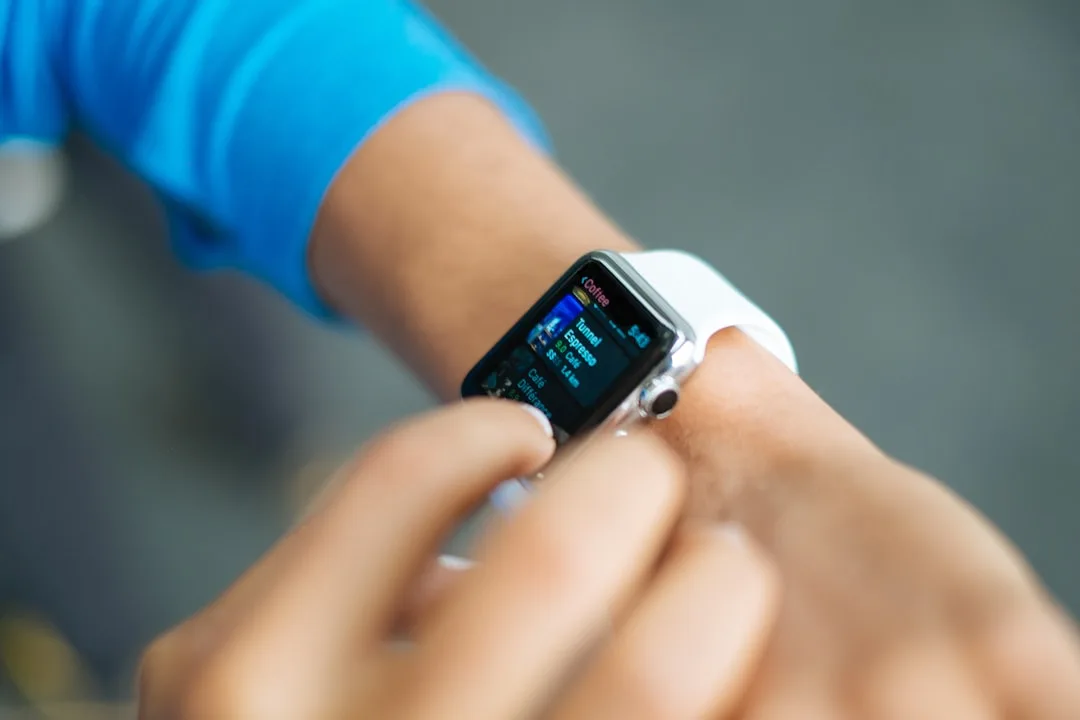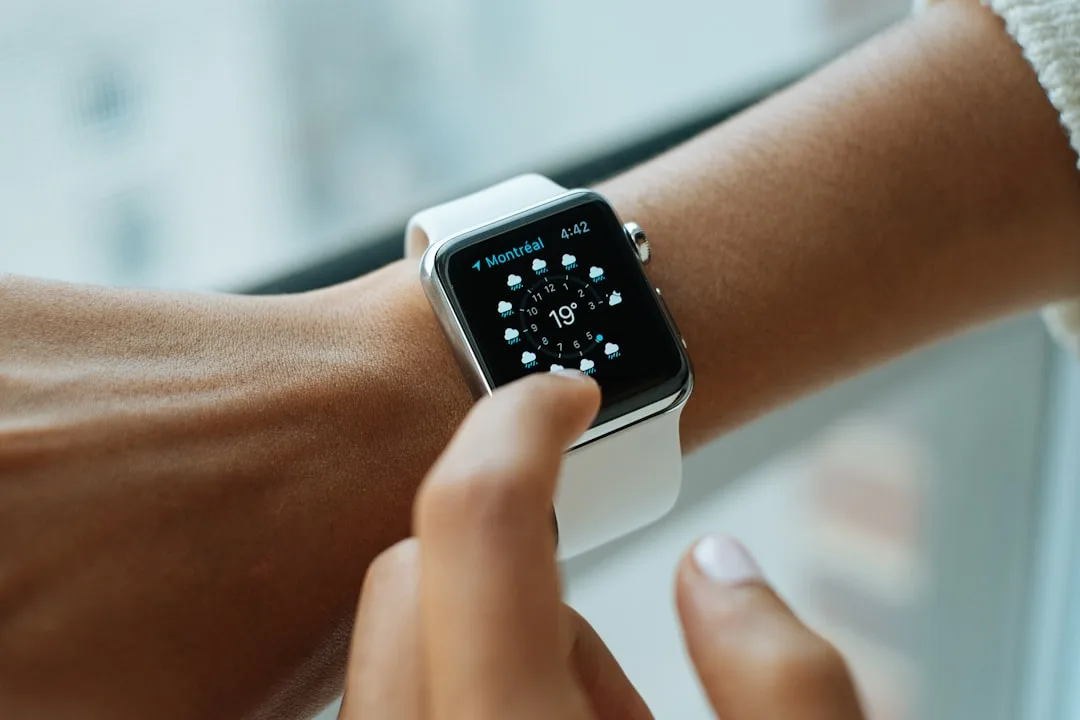
Oura Ring shipped its latest generation in Q2 2026 with a critical upgrade: fever prediction. The device now analyzes skin temperature, resting heart rate, and heart rate variability patterns to alert users 48 hours before infection symptoms emerge. This is no longer a fitness band. Predictive health monitoring wearables have become early-warning systems.
Why is this trending now? Insurance companies began offering premium discounts in September 2025 for users who shared preventive biometric data with their providers. That financial incentive, combined with FDA approval of three new predictive algorithms in early 2026, accelerated adoption across age groups beyond fitness enthusiasts.
How predictive algorithms detect risk before the body shows signs
The Apple Watch Series 11 introduced a hidden feature in watchOS 11 this September: atrial fibrillation detection paired with stroke risk scoring. Instead of flagging irregular rhythm alone, the watch now cross-references your resting heart rate variability, sleep architecture, and activity patterns to calculate your 30-day stroke probability.
Here’s the mechanism. Your wearable collects 30,000 data points daily—heart rate at five-second intervals, blood oxygen saturation every 10 minutes, movement patterns, sleep stage transitions. Machine learning models trained on millions of hospital records identify subtle combinations that precede illness by days or weeks.
Fitbit Premium customers saw a 23% increase in subscription renewals after the platform launched early diabetes indicators in March 2026. The algorithm flags rising average glucose impact (calculated from movement and heart rate stress recovery) weeks before A1C tests show elevation. Users received actionable alerts to adjust diet or increase activity—preventive intervention, not diagnosis.
Quick Tips
- Enable continuous biometric monitoring in your wearable app—daily gaps create blind spots in trend detection
- Sync sleep data, recovery metrics, and activity zones; predictive algorithms require complete datasets
- Share your baseline metrics with your physician before alerts appear so they understand what’s normal for you
- Do not rely solely on wearable predictions for medical decisions—use them to prompt earlier conversation with your doctor
- Check app permissions monthly; ensure your wearable only syncs data to services you’ve explicitly approved
The mistake most people make with predictive wearables
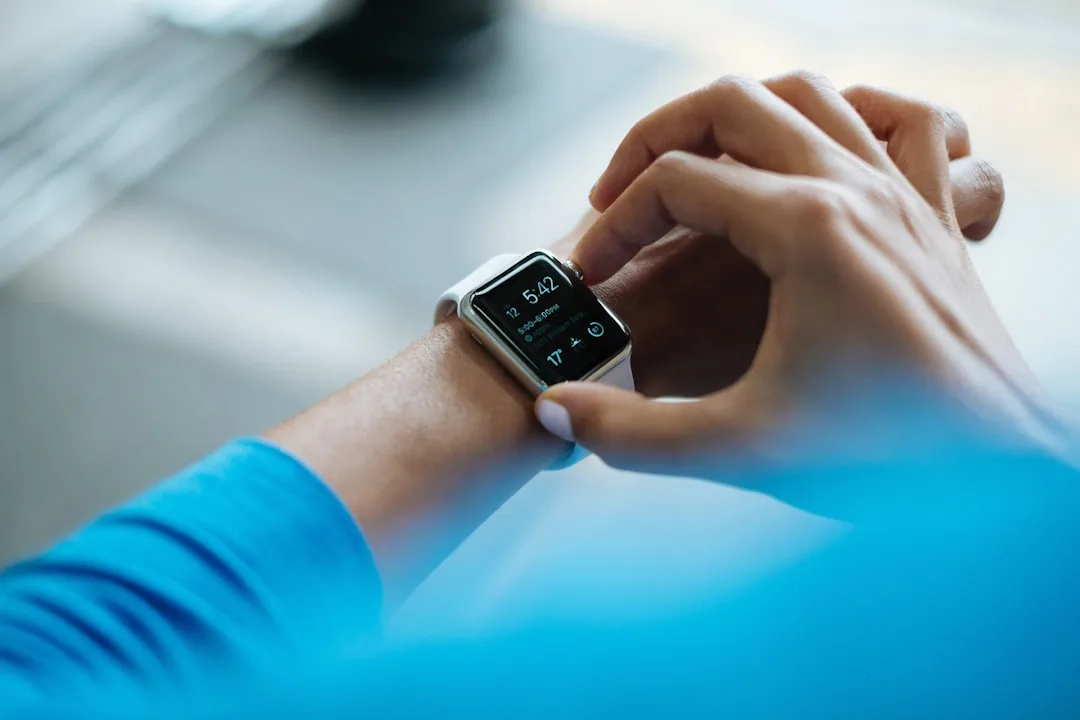
Garmin released a detailed user study in August 2026 showing that 61% of customers ignored or dismissed their first alerts from advanced health prediction features. Why? They felt fine. When an Apple Watch claims your arrhythmia risk has elevated, but your chest feels normal and you jogged three miles yesterday, the alert feels like a false alarm.
That skepticism is dangerous. A 34-year-old in Austin received a stress cardiomyopathy alert from his Whoop band in April 2026 based on six consecutive nights of poor heart rate variability recovery. He dismissed it. Two weeks later, he experienced sharp chest pain during a work meeting—the same deterioration his wearable had flagged. He was hospitalized for three days.
The Trust Gap Between Algorithms and Human Intuition
Wearable health alerts expose a fundamental friction in modern medicine: algorithms operate on pattern recognition while humans operate on sensation. Your smartwatch analyzes heart rate variability, sleep fragmentation, and metabolic stress markers across thousands of comparable users. You analyze how you feel right now. These two data sources speak different languages.
Research in medical psychology shows that people weight their immediate subjective experience far more heavily than statistical risk. A patient feeling energetic will dismiss a wearable’s warning about decreased HRV recovery, even when that metric has predictive validity. This isn’t irrationality—it’s the brain trusting what it can directly perceive over what an algorithm claims to detect.
The solution isn’t better alerts. It’s better translation. Wearables that contextualize their findings—explaining *why* a metric matters, *what* biochemical change triggered the flag, and *when* to seek medical attention versus waiting—show higher engagement and trust. Devices that simply flash red warnings invite dismissal.
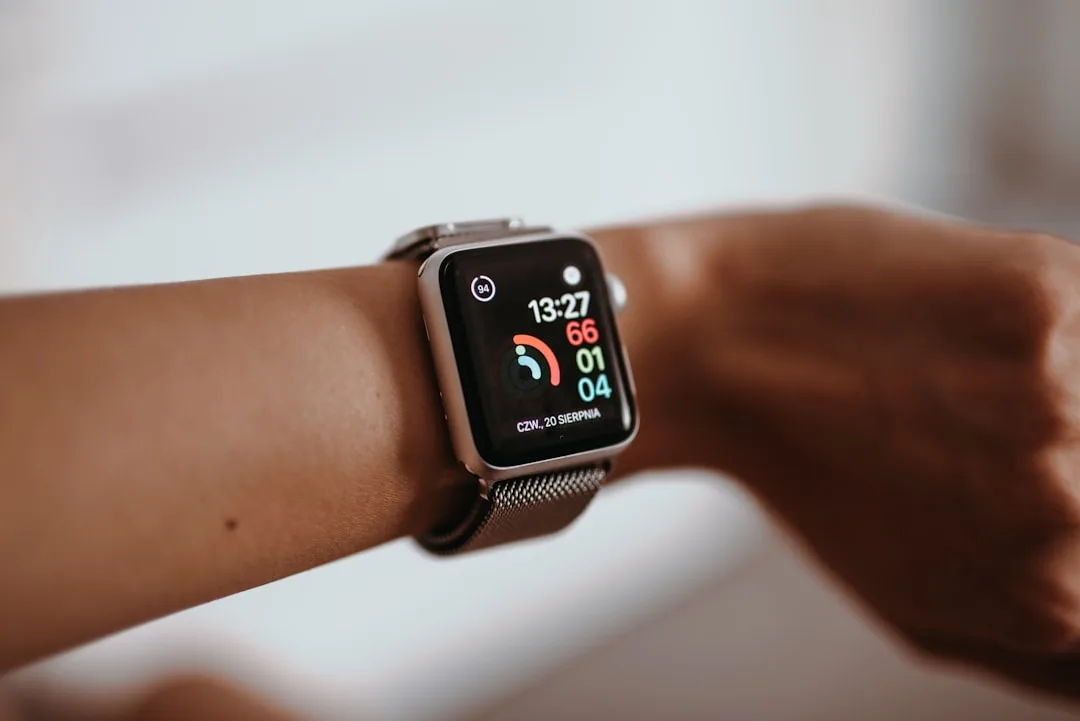
Clinical Validation Gaps in Consumer Wearables
Most health alerts from consumer wearables exist in a regulatory gray zone. The FDA regulates medical devices but often classifies consumer wearables as lifestyle products, meaning their predictive claims undergo minimal scrutiny. A fitness tracker can tell you your “stress level” with no requirement to validate that measurement against clinical stress biomarkers.
This creates a credibility problem. Some alerts are backed by solid research; others are marketing extrapolations from sparse data. Without transparent disclosure of how a prediction was built, users cannot reasonably calibrate their trust. Related concerns about AI transparency apply broadly across digital health, as discussed in Shaping the Future of Safe Digital Interaction, where the need for explainability in automated systems is examined in depth.
The path forward requires standards: wearable makers should disclose their validation cohorts, test populations, and the difference between FDA-cleared claims and proprietary wellness metrics. Until then, users navigating alert fatigue face an impossible choice—trust a black box or trust their body.
Alert Fatigue and the Cry Wolf Effect
Wearable alerts are proliferating. Sleep quality, readiness scores, stress indices, blood oxygen levels, irregular heart rhythm notifications, and pregnancy tracking alerts now fire daily from multiple devices in many households. Each one competes for attention; each one erodes credibility when the user cannot verify its meaning.
Alert fatigue has a clinical name in hospital settings, where it describes how clinicians learn to ignore alarms because too many are false positives. The same phenomenon now operates in consumer health. A user receives 47 notifications in a month telling them to improve sleep or reduce stress, but nothing bad happens—their physician finds nothing wrong. The wearable’s credibility threshold drops with each ignored alert. When a truly significant warning arrives, the user has already developed skepticism.
Reducing alert volume requires algorithmic restraint. Instead of notifying users of every minor deviation from baseline, wearables should reserve alerts for changes that statistically predict serious outcomes. They should explain the difference between trending data (informational) and predictive signals (actionable). Users need filters, not floods.