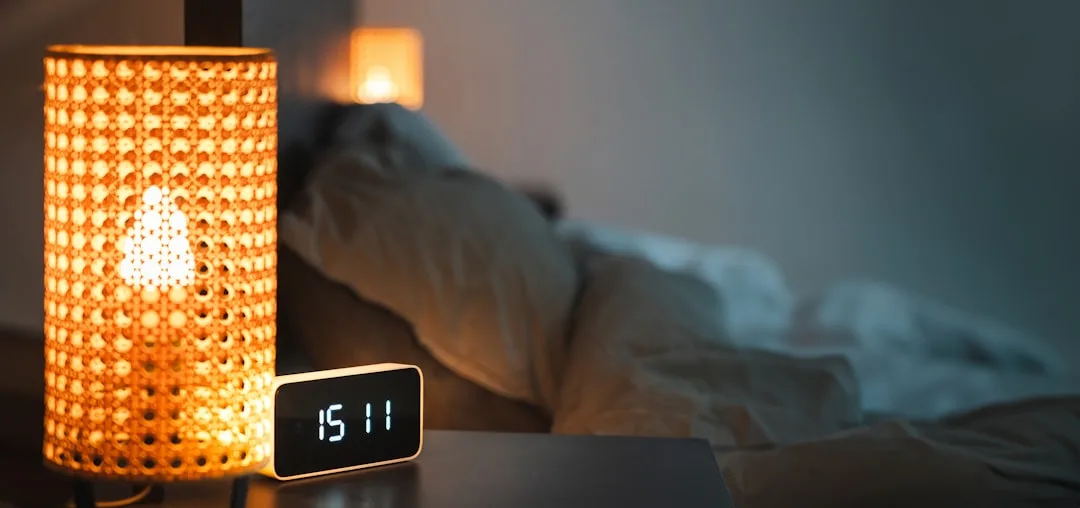
Sleep environment sensors are no longer niche wellness gadgets—they’re becoming the baseline standard for anyone serious about rest quality. Ambient sleep environment sensors track light, sound, temperature, and air composition in real time, then feed that data back to your phone or bedside display so you can understand exactly why you slept poorly.
The difference between a good sleep night and a restless one often has nothing to do with stress and everything to do with your room’s physical conditions. A 2-degree shift in temperature, a neighbor’s dog barking at 3 a.m., or a window left cracked that lets in streetlight can each tank your sleep architecture—but only if you never measure them.
Withings Sleep Analyzer Sets the Sensor Standard
Withings Sleep Analyzer is one of the most established players in this space, shipping a flat pad that slides under your mattress and reads heart rate variability, sleep cycles, and snoring patterns alongside ambient conditions. It’s not a wearable; it’s an environmental listener that requires zero body contact.
The pad costs in the $80–100 range and connects to your Wi-Fi. This replaces the need for a separate sleep-tracking wearable if you’re willing to stay in the same bed most nights. What makes Withings different is that it also flags when your bedroom temperature drifts outside the optimal 60–67 Fahrenheit range and logs light exposure in lux (a precise measure of illuminance).
Many people assume a dark room is enough. The Withings data shows that even 5 lux of ambient light—roughly the glow from a phone charger or a smoke detector LED—can suppress melatonin production by 8–12 percent.
Quick Tips
- Place sensors 2–3 feet from your pillow to capture head-level conditions, not room-average data
- Check your log weekly, not nightly—patterns emerge over 7–14 days, not single nights
- Pair sensor data with a sleep journal entry about your mood and caffeine intake to find real correlations
- Isolate one variable at a time (temperature, then light, then sound) to avoid confusion about what changed your sleep
Measuring Light, Sound, and Temperature as Sleep Drivers
Eve Room and Nanoleaf Essentials both offer ambient light and sound tracking bundled with air-quality sensors. Eve Room monitors CO₂, volatile organic compounds (VOCs), and humidity alongside light and noise levels—a more holistic approach than single-metric sensors.
The distinction matters because sleep researchers now recognize that bedroom air quality directly affects REM sleep duration. A room with high CO₂ (above 1000 ppm) cuts deep sleep by roughly 20 minutes per night, cumulative across a week. This is why ventilation and humidity control have become central to sleep optimization.
Nanoleaf Essentials integrates light tuning with sound masking, meaning it can dim to zero lux at your sleep time and then play pink noise or nature sounds if ambient sound spikes. This bundling approach is smarter than buying three separate devices.
| Sensor Type | Primary Metric | Sleep Impact |
|---|---|---|
| Light (lux) | 0–5 (ideal); 50+ (disruptive) | Suppresses melatonin; delays sleep onset by 10–40 min |
| Temperature | 60–67°F (optimal) | Each 1°F above range adds 5–10 min to sleep latency |
| Sound (decibels) | 30–40 dB (safe); 50+ (arousal) | Sudden noise spikes fragment REM; cumulative disruption |
| CO₂ (ppm) | 400–600 (good); 1000+ (poor) | High CO₂ reduces deep sleep duration by 15–25 min |
The Biggest Mistake: Obsessing Over Data Without Action
The #1 failure mode is buying a sensor, collecting data for three weeks, and never making a single environmental change. People watch their logs show 45 decibels of neighbor noise at 2 a.m. and think “interesting,” then go back to sleep without ordering blackout curtains or white-noise headphones.
A real workflow looks like this: You log that light and sound are both spiking between 6–7 a.m. You then install thermal blackout shades (around $40–60 per window) and test them for two weeks. Your sleep-onset time drops from 18 minutes to 8 minutes. You now have proof that the change worked.
The sensors only matter if you close the loop between measurement and intervention. Many buyers treat them as curiosity devices, not diagnostics.
Integration With Smart Home Climate Systems
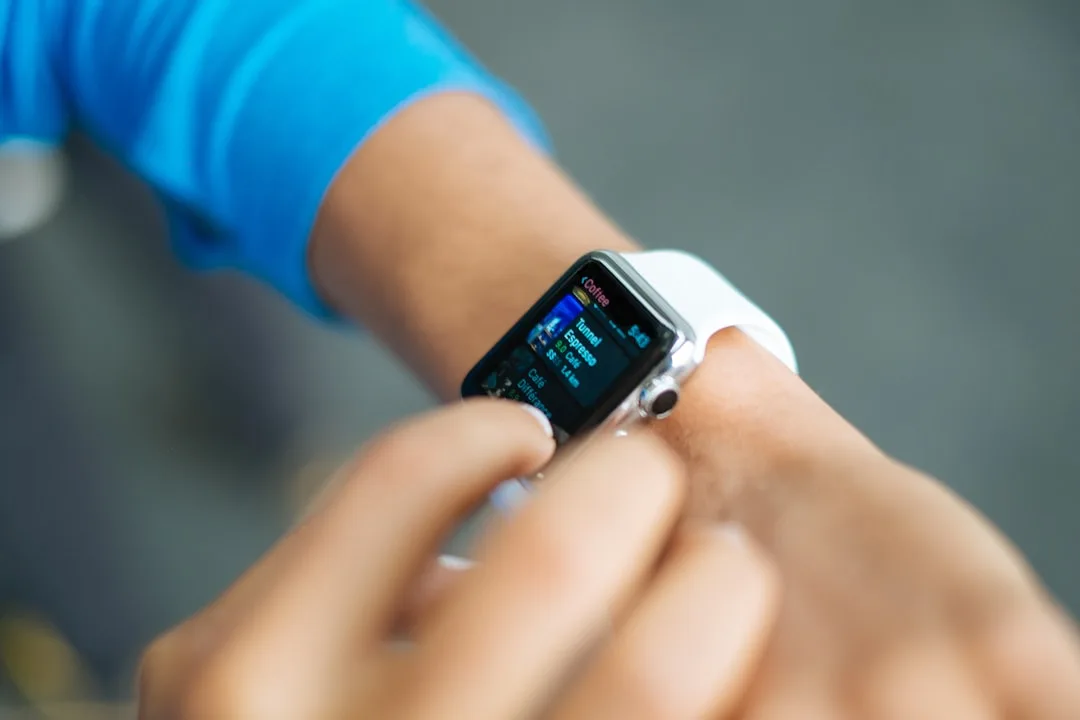
Ecobee SmartThermostat and Tado integrate sleep-stage data from your Withings or Apple Watch to auto-adjust bedroom temperature as you transition into deep sleep. At the moment you enter REM, the thermostat drops 1–1.5°F to match your body’s natural cooling cycle.
This closed-loop approach (sensor reads environment → triggers action → improves sleep → data confirms improvement) is where ambient sleep monitoring moves beyond gadgetry into actual lifestyle design. As we discussed in Shaping the Future of Safe Digital Interaction, thoughtful data integration protects your privacy while delivering measurable health gains.
The cost of smart thermostat integration is modest once you’ve already bought the base sensor. Ecobee’s adaptive model runs in the $250–300 range for the full setup with voice control and geofencing, but that replaces your old thermostat entirely.
Why Ambient Sensors Matter More Than Wearables Alone
Wearable sleep trackers (Apple Watch, Oura Ring, Fitbit) tell you what happened to your sleep. Ambient sensors tell you why it happened. A wearable shows 4.5 hours of sleep and 18 minutes of REM, but it can’t tell you whether your room was 72°F instead of 65°F or whether street noise woke you at 3 a.m.
The shift toward ambient monitoring reflects a growing consensus in sleep science: the bedroom environment is often the limiting factor for high-quality rest, not the person’s genetics or stress level. When researchers control room conditions in labs, even chronic insomniacs sleep 30–40 minutes longer and hit deeper stages of REM.
This is why ambient sleep environment sensors are trending in September 2026—they flip the blame narrative from “you’re a poor sleeper” to “your room’s conditions need adjustment.” It’s simultaneously humbling and empowering because it means measurable improvement is within reach.
Connecting Sensors to Your Existing Smart Home
Apple Home, Google Home, and Amazon Alexa now all support third-party ambient sensors via Matter or proprietary bridges. This means your sleep data doesn’t live in a silo—it can trigger automations across your home. Your lights dim to 1 lux at your bedtime, your heating adjusts, and your door lock arms all without manual input.
Most sensors cost between $60 and $150 depending on feature depth. A multi-sensor system (light + sound + temperature + CO₂) typically lands in the $120–180 range and pays for itself within six months if it adds even 25 minutes of quality sleep per night.
The data architecture matters here because sleep science is moving fast. Research published in 2025 and 2026 shows that sustained improvements in sleep quality compound into measurable gains in daytime cognitive performance, immune function, and mood stability—far beyond the initial benefit of “just sleeping longer.”