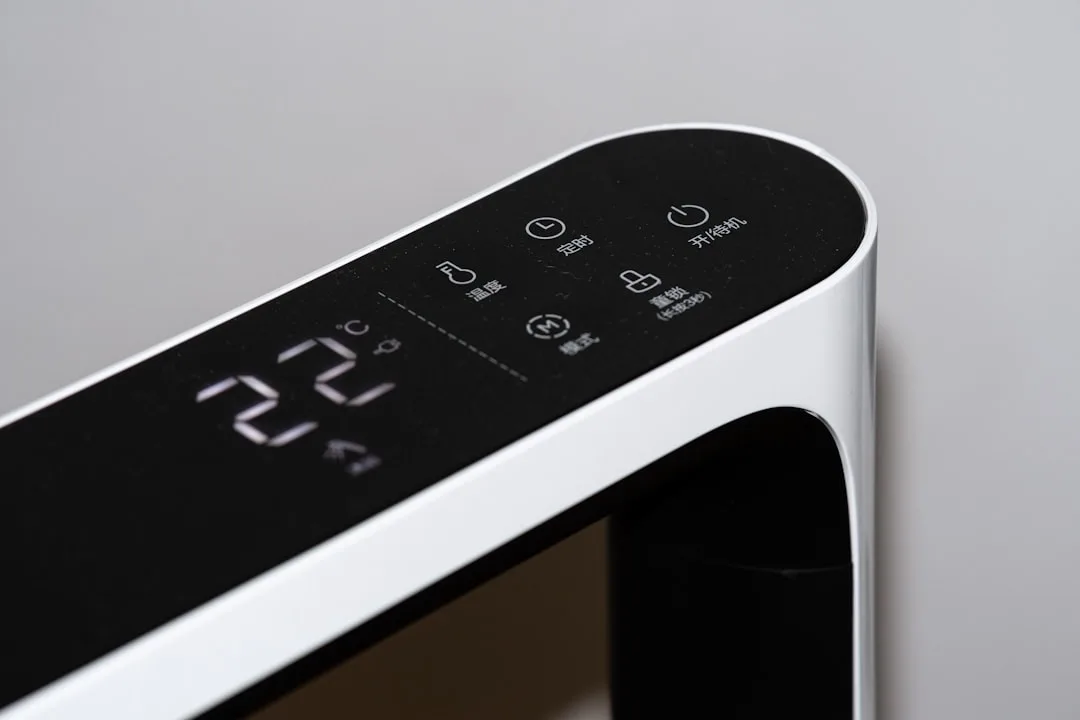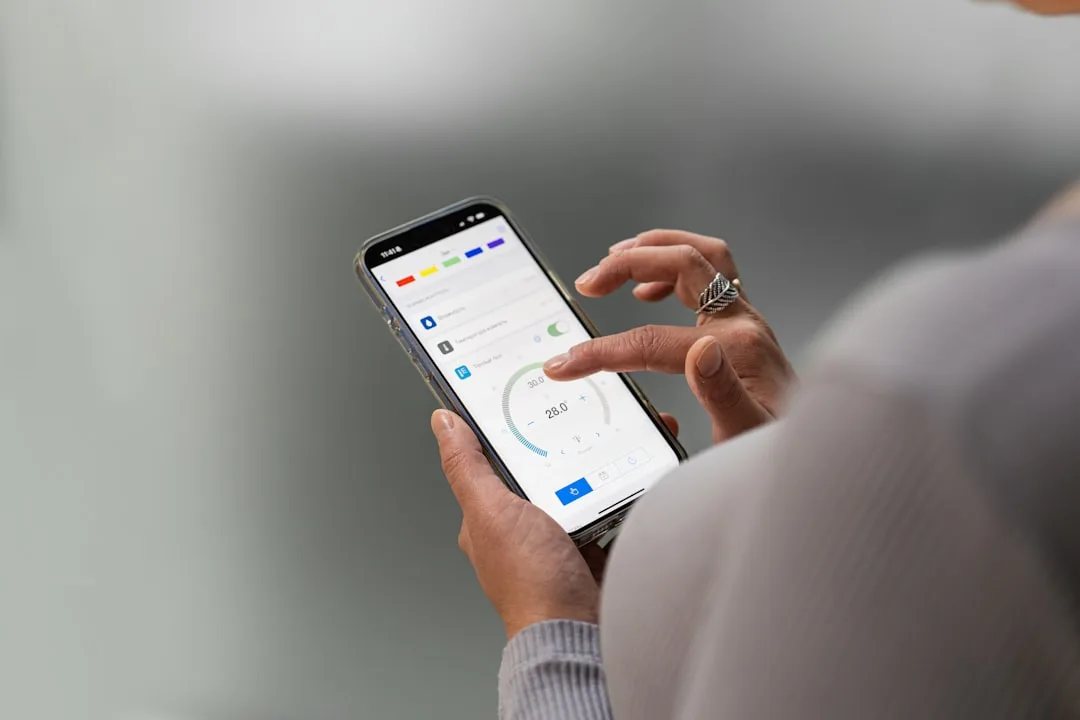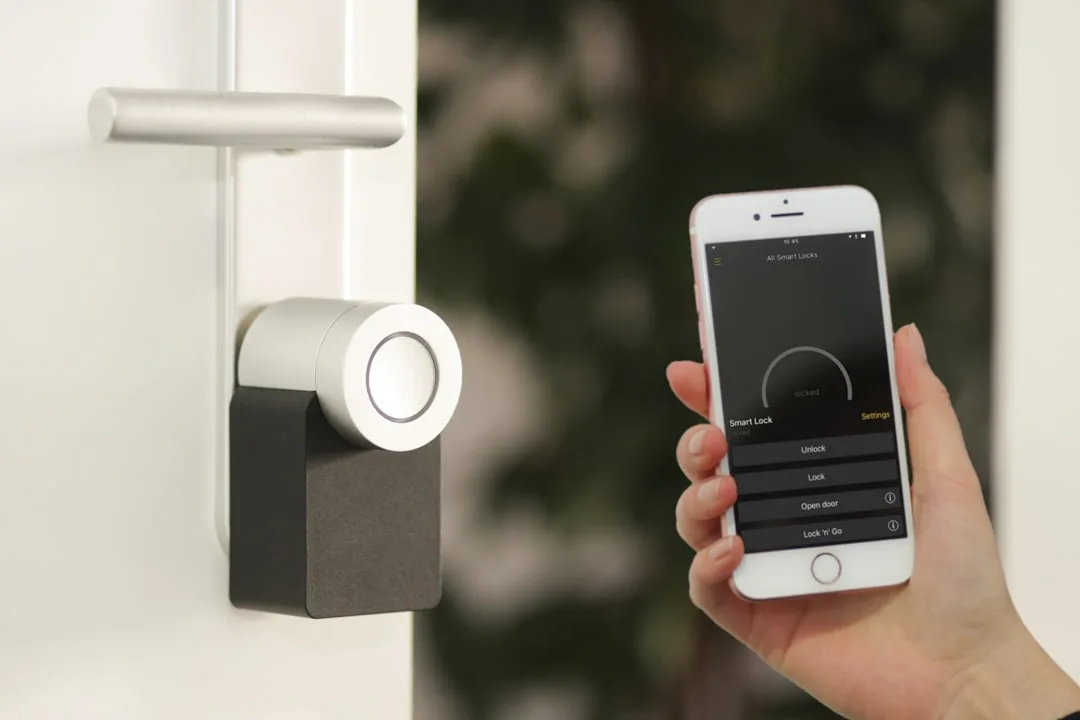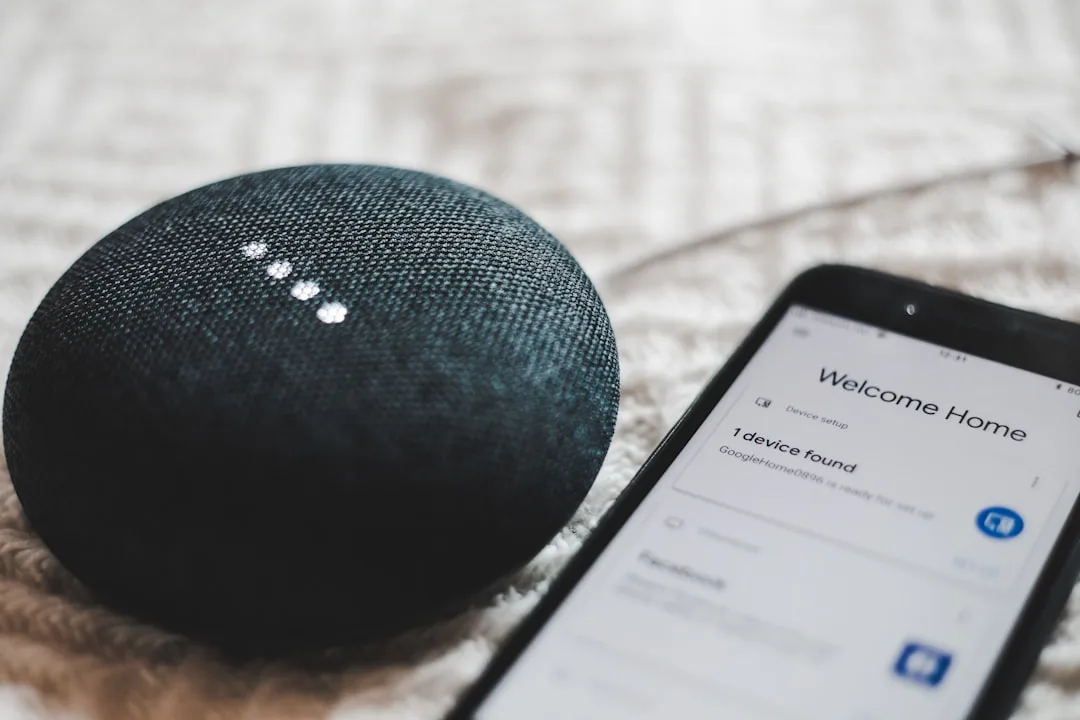
Amazon Alexa’s latest neural contextual layer, released May 2026, marks a watershed moment for household AI. For the first time, the system distinguishes between who’s speaking, what time of day it is, which room they’re in, and whether they’re alone or with others—then adjusts response tone, urgency, and information relevance accordingly. This is not incremental. It’s the difference between a device that obeys commands and one that understands family life.
Contextual AI home assistants represent a fundamental shift in how residential technology interprets human need. Rather than treating every voice query as an isolated event, these systems build a dynamic model of your household’s actual rhythms, relationships, and unspoken patterns.
How Contextual Awareness Changes Daily Routines
When your teenager asks “What’s for dinner?” at 5:45 p.m. on a Wednesday, a contextual system recognizes that this is 15 minutes before her soccer practice and suggests fast options. When your partner asks the same question at 7 p.m. on Saturday, the assistant recommends recipes requiring 45 minutes and pairs wine suggestions. The same query. Different contexts. Different value.
Google Home’s recent update in June 2026 added “Family Profiles with Temporal Awareness,” which tracks individual schedules, dietary restrictions, and stated preferences per person. Your morning assistant greeting changes based on whether you have an early meeting. Your evening news briefing adjusts if the household is about to sit down for dinner together. No manual setup required—the system learns by observation over weeks.
This contextual layer also reduces friction. Instead of repeating “play my workout playlist,” the system recognizes 6:15 a.m. on Monday means strength training, 6 a.m. on Wednesday means cardio, and defaults accordingly if you don’t specify.
Quick Tips
- Enable voice identification on all home speakers so context systems recognize who is asking
- Update family member preferences quarterly—job changes, dietary shifts, and hobby rotations affect context accuracy
- Use room-level customization: kitchen assistant prioritizes recipes, bedroom prioritizes sleep guidance
- Review context logs monthly to correct assumptions the system may have learned incorrectly
Why Standard Voice Assistants Miss Critical Context
Older systems, including Alexa and Google Home from 2024–2025, treated each request as standalone. You ask “turn off the lights.” The system turns off lights. You don’t specify which lights. Neither does the system infer that you’re leaving the house based on your calendar, your phone’s location data, and the fact that you grabbed your car keys (detected via smart lock interaction) five seconds earlier.
A concrete failure: Last year, a Portland family set their smart thermostat to 68°F every evening because they assumed the house was always occupied. The system wasted energy heating an empty house during their Friday-to-Sunday trips. A contextual system would recognize the pattern—no phones on WiFi, garage door open, last person exiting via front door—and automatically lower temperature to 62°F without being told.
Context eliminates that guesswork entirely. The system learns that Friday at 5 p.m. means nobody’s home for 48 hours.
| Capability | Traditional Voice Assistants | Contextual AI Assistants |
|---|---|---|
| Identifies speaker | Optional, manual setup | Automatic via voice biometrics |
| Understands time-of-day patterns | No | Yes, learns individual schedules |
| Infers occupancy from behavior | No | Yes, integrates door/location data |
| Adapts response tone | Static voice | Changes per person and situation |
Contextual AI Home Assistants and Family Security
The privacy implications of contextual learning are legitimate and require active management. Apple’s approach, announced July 2026, processes all contextual learning locally on your HomePod device rather than sending behavioral data to cloud servers. This means your family’s routine patterns never leave your home.
Samsung SmartThings Hub v3, released in March 2026, offers a “Context Transparency Report” that shows exactly which patterns the system has learned about each household member. Parents can review what the system knows about their teenager’s schedule and adjust privacy thresholds accordingly. This transparency layer became essential as contextual systems grew more sophisticated.
The tradeoff is clear: stronger context requires more data collection, but that data can stay private if architecture supports it.
Installation and Onboarding for Contextual Systems
Unlike previous smart home upgrades, contextual AI systems require minimal hardware changes. Most work as software updates to existing speakers and displays. Amazon’s neural contextual layer deployed as an over-the-air update; no new device purchase necessary.
Setup involves three steps: enable voice identification (the system learns to recognize each family member), link your household calendar and location services, and permit the system to observe your behavior for 2–3 weeks before it begins making context-based adjustments. This learning period prevents premature assumptions.
For multi-generational households, context becomes even more valuable. The system learns that Grandma takes medications at 9 a.m. and 6 p.m., so it reminds her without needing a separate reminder app. It knows your teenager practices guitar at 4 p.m. on Mondays and doesn’t interrupt with alerts during that window. It recognizes that Dad prefers news briefings while making coffee but your partner prefers silence.
Why Context Beats Processing Power Alone
Some manufacturers assumed faster processors and better microphones would solve smart home limitations. They didn’t. A device that processes voice 20% faster but doesn’t understand context still requires you to say “turn off the bedroom light,” not just “the light.”
Contextual AI home assistants succeed because they answer the unasked question: what does this person actually need right now? That understanding creates the friction-free experience that people consistently report wanting from their homes.
The 2026 shift from command-based to context-aware marks the moment household AI moved beyond novelty to genuine utility. Your home is finally learning to listen.