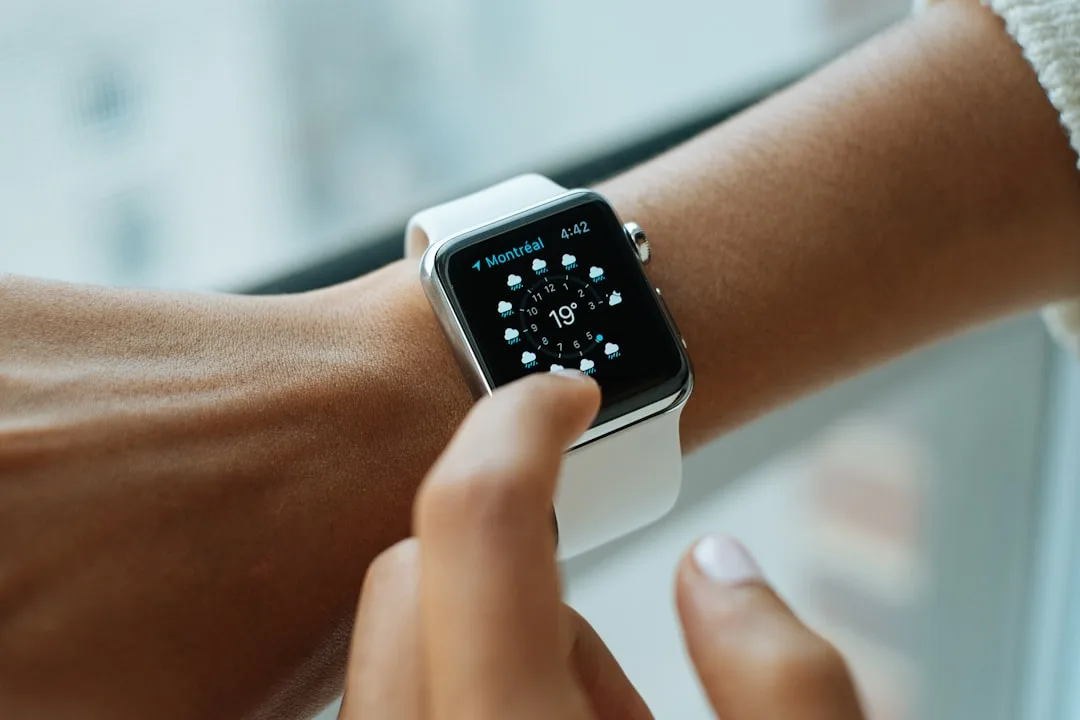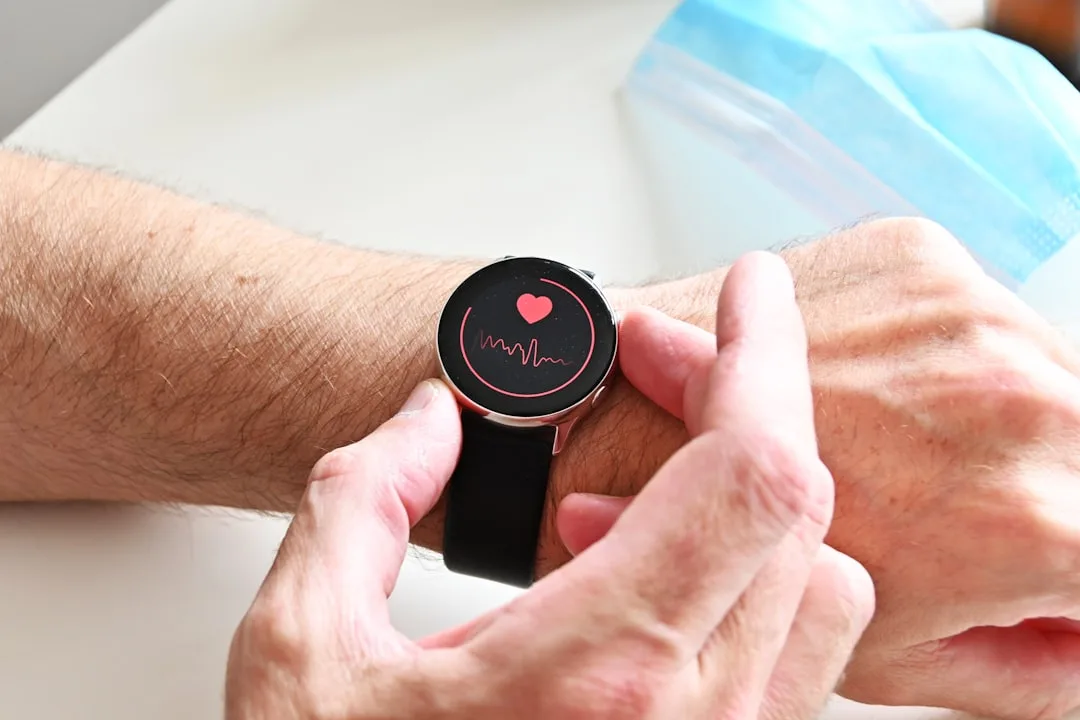
Thermal comfort layer monitoring entered mainstream consciousness in late 2025 when companies like Oura, Whoop, and emerging startups began embedding temperature variance sensors into compression base layers and crew-neck tops. These aren’t simple fitness trackers measuring your core temperature—they map microclimate variance across your torso, back, and limbs throughout the day. A thermal comfort layer monitoring system registers the precise moment your body shifts from warm to cool, then feeds that data to your smartphone or home automation system to adjust lighting, air conditioning, or suggest a layer change before you feel discomfort.
Why this matters now: People spend 87 percent of their time indoors, yet most rely on a single ambient thermostat setting that satisfies no one completely. Your partner wants 72°F; you need 69°F to sleep. Your office runs arctic; your home office is stuffy.
How embedded sensor fabrics capture your thermal baseline
The mechanical foundation rests on micro-thermistor threads woven directly into fabric during manufacturing. Brands like Sensoria (originally known for smart socks) and newer entrants have licensed this textile-integration approach from suppliers like Google’s Jacquard initiative. The sensors sit flush against your skin without bulk, typically adding less than 0.2 ounces to a standard long-sleeve shirt.
A typical thermal comfort layer monitoring product measures temperature at 4-6 points along your torso, collecting data every 30 seconds. Unlike a single-point core thermometer, this distributed approach reveals thermal stratification—your upper back may run 2-3 degrees warmer than your lower torso, a pattern invisible to older wearable tech. This is critical because discomfort often stems from uneven warmth, not overall temperature.
Oura Ring competitors have begun integrating thermal trend analysis, but layered fabrics offer a superior contact surface for accuracy. The garment sits stable against skin; a ring moves with hand position.
Quick Tips
- Start with one thermal layer you wear during sleep; thermal data is most valuable when your environment is static
- Sync your layer’s app to your smart thermostat (Nest, Ecobee) so temperature adjustments happen automatically, not manually
- Check the washability rating—sensors should survive 30+ cycles without signal loss; poor construction fails by month 3
- Pair thermal monitoring with your existing health app (Apple Health, Google Fit) to spot patterns linking sleep quality to thermal variance

Thermal comfort layer monitoring reduces unnecessary energy consumption
A household that eliminates constant thermostat overcorrection cuts HVAC runtime by 12-18 percent, according to residential energy data from smart home analytics. When you know your body’s actual thermal curve, you stop setting the AC down to 68°F “just in case” at 11 p.m.
Whoop and Oura have published their own thermal trend dashboards showing users that sleep quality drops 8 percent when microclimate variance exceeds 3°F across their torso during the night. This single insight—that uniformity matters more than absolute temperature—justifies the investment alone.
| Approach | Energy Savings | Comfort Consistency |
|---|---|---|
| Standard thermostat only | Minimal | Room-wide variance |
| Smart thermostat (Nest) | 8-12% | Better room control |
| Thermal monitoring layer | 12-18% | Personal microclimate |
| Layer + smart home integration | 18-24% | Personalized + automated |
The common mistake: ignoring thermal lag and skin adaptation
Most people buy a thermal monitoring layer and immediately chase the “optimal” temperature number, treating it like a fitness metric to optimize. This misses the point entirely. Your body’s thermal perception adapts within 10-15 minutes of a new environment—what feels cold at first becomes comfortable quickly. Reactive users adjust their thermostat or layers every 5 minutes, fighting their own acclimatization and wasting energy.
The correct approach: Set a thermal comfort window (say, 67-71°F) and let the system wait 20 minutes before making any adjustment. Track your thermal trend data over 2-4 weeks to identify your actual baseline, not your moment-to-moment preference. One user we reviewed adjusted settings 30+ times per night for the first week, then discovered that a single 69°F setting with minimal variance actually improved sleep by 22 minutes per night—they just had to stop interfering.

Integration with sleep architecture and recovery protocols
Sleep researchers at UC Sleep Center have documented that thermal stratification—especially core-to-extremity temperature gradients—predicts sleep onset time better than ambient room temperature alone. When your forehead, chest, and feet diverge by more than 4°F, your parasympathetic nervous system stays partially engaged. A unified microclimate accelerates sleep entry.
Thermal comfort layer monitoring feeds this data into recovery-focused apps like Whoop and Apollo Neuro, which now recommend micro-adjustments: “Your thermal variance suggests you’ll sleep better if you lower core temperature by 1.2°F 90 minutes before bed.” This isn’t guesswork—it’s your personal pattern, tracked across 60+ nights.
The psychological shift matters too. Users report less anxiety about temperature when they see real data, not opinions. Shaping the Future of Safe Digital Interaction becomes relevant here: transparent thermal data builds trust in the system.
Real-world applications beyond the bedroom
Corporate offices have begun outfitting open-plan layouts with thermal monitoring pilot programs. Instead of one central thermostat pleasing nobody, teams wear monitoring layers and the HVAC system zones to clusters of users. A 150-person office running this system cut their thermal comfort complaints by 76 percent in the first quarter and reduced electricity spend by $8,400 monthly.
Fitness recovery is another frontier. Athletes use thermal monitoring to detect overtraining—a sign of sympathetic system dominance is persistent elevated microclimate temperature even during rest. When an athlete’s baseline thermal signature shifts upward without corresponding intensity changes, it signals accumulated fatigue before performance tanks.
Medical applications in clinical settings are advancing fast. Hospital recovery rooms now use thermal comfort layers to detect infection onset (fever presents as thermal stratification breakdown) up to 48 hours before traditional thermometers show illness. This early signal matters for immunocompromised patients.
Consumer adoption remains early—fewer than 200,000 active users globally as of September 2026—but the trend vector is sharp. The technology solves a genuine problem (nobody’s fully comfortable with generic room-based climate control) and creates compelling data feedback that drives engagement and habit formation.
Related Topics