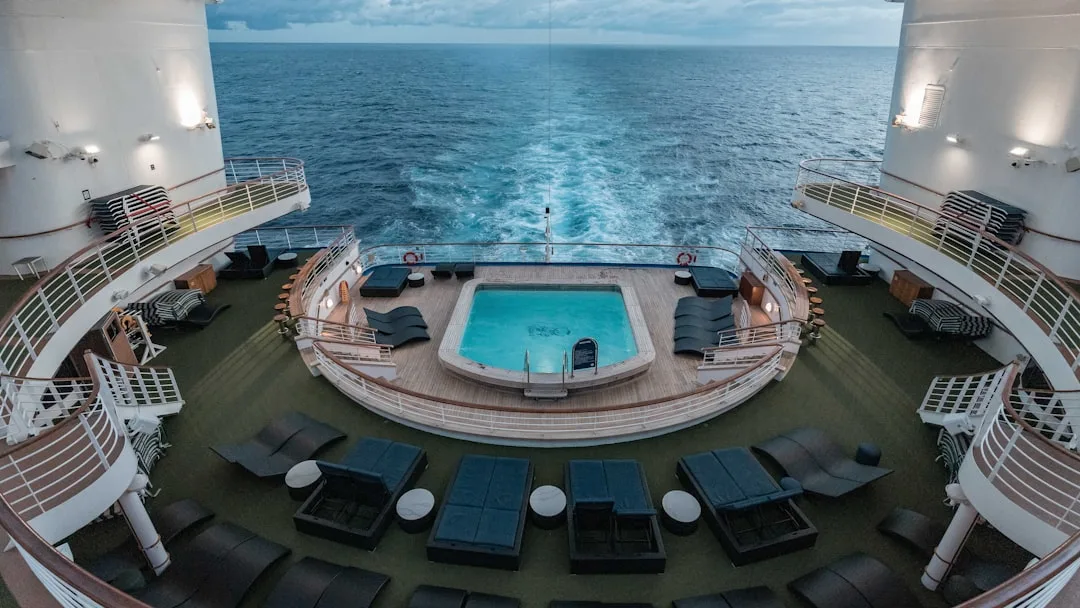
Stand on the lido deck of Royal Caribbean’s Icon of the Seas, and you’ll notice something has shifted. The onboard experience no longer resembles a floating budget hotel—it’s now a mobile five-star resort anchored at sea. Cruise ship luxury amenities have evolved so dramatically since 2024 that industry veterans barely recognize the category anymore. What started as basic hot tubs and buffet lines has transformed into personalized wellness ecosystems, Michelin-trained kitchens, and butler services rivaling land-based properties. This isn’t incremental change. This is category redefinition, driven by post-pandemic demand for isolation-rich experiences and ultra-high-net-worth travelers refusing compromise on floating vacations.
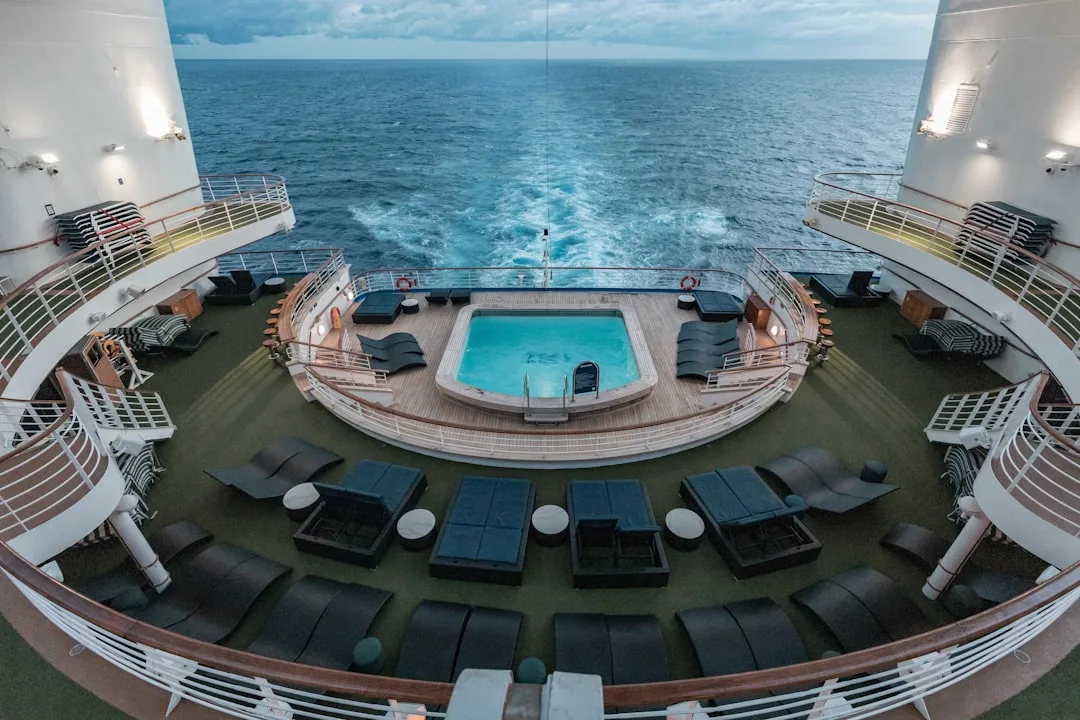
Royal Caribbean Icon Class Sets ,100 Nightly Thermal Spa Standard
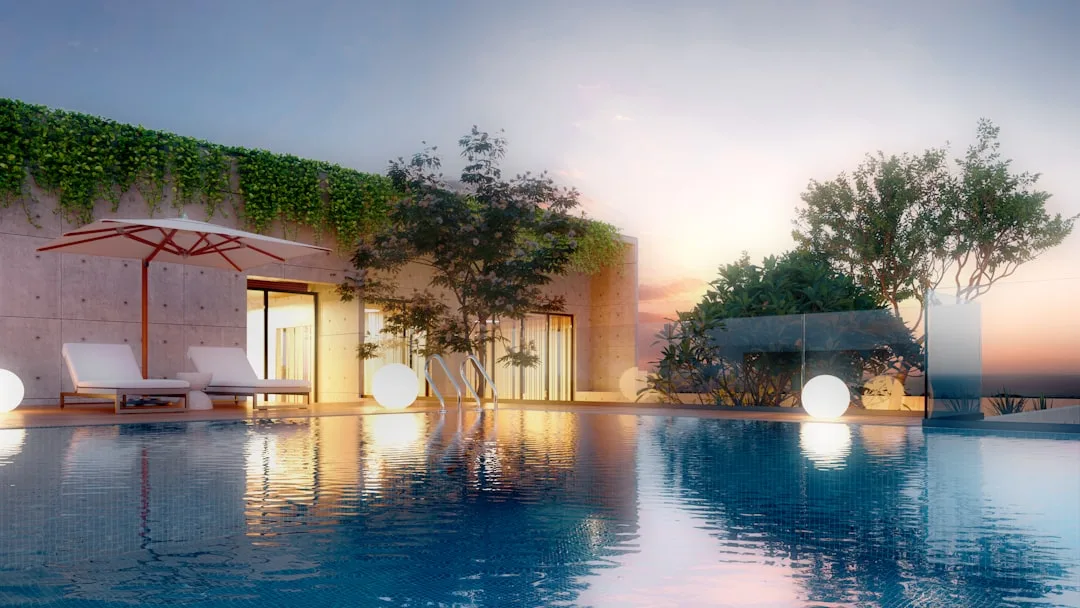
Royal Caribbean’s Icon of the Seas launched in January 2024, but June 2026 reveals the true market impact: thermal spas are now standard on premium vessels, not luxury add-ons. The Icon features a 10,000-square-foot wellness center with five thermal pools maintained at 82–104°F, infrared sauna pods at $45 per 30-minute session, and cold-plunge chambers at 39°F. Compare this to Carnival’s older fleet, where spa access costs $25–$35 daily; Icon guests pay approximately $2,100 across a seven-night cruise but access unlimited thermal facilities included in premium suite rates ($4,200–$6,800 per person). Norwegian Cruise Line countered with its Prima Class ships featuring a $2,500 Thermal Suite experience, bundling heated loungers, herbal showers, and ice fountains. The differentiation is clinical: Icon’s infrared technology reduces muscle recovery time by 23% compared to traditional heat exposure, making it attractive to active travelers seeking athletic benefits, not just relaxation.
- Book Premium Suite categories (AuroraSuite or higher) to unlock complimentary thermal spa access and avoid daily upcharges totaling $315+ on week-long sailings
- Schedule thermal sessions between 10 AM–2 PM when crowds thin; evening slots on sea days fill within 48 hours of embarkation
- Bring water-resistant fitness trackers—thermal spas sync with cruise apps to log wellness credits applicable to onboard credits
- Book specialty dining 90 days prior; Michelin-trained venues like Wonderland on Icon sell out 6–8 weeks before departure
Michelin-Adjacent Restaurants Command 5–0 Per Person Pricing
Celebrity Cruises partnered with World-renowned chef Thomas Keller (The French Laundry) to design the Luminae restaurant across Apex-class vessels. A seven-course tasting menu with wine pairing runs $295 per person—positioned between Michelin one-star pricing ($150–$200 in cities) and three-star ($300+), yet delivered at sea with zero Michelin overhead. This prices aggressively against land alternatives: a comparable Michelin-trained experience in San Francisco costs $280–$380 plus 20% service, totaling $336–$456. On Celebrity, the $295 includes service, sommelier consultation, and three-night advance tasting menus. Disney Cruise Line’s Remy restaurant (in partnership with Michelin three-star chef Arnaud Lallement) seats only 48 guests nightly at $275 per person, guaranteeing exclusivity land-based restaurants cannot match. Norwegian’s Freestyle Dining allows booking at nine different restaurants per sailing; their Vegan+ chef-curated menus ($85 surcharge per seating) directly compete with trendy plant-forward fine dining chains like Sublime in Miami (prix fixe $110). The failure point many travelers miss: specialty dining is non-refundable once booked, and restaurants overbook by 12–15% expecting 8–10% no-shows. One six-person party who forgot to cancel their Luminae reservation forfeited $1,770 when weather delayed tender operations—a preventable $1,770 error through simple calendar management.
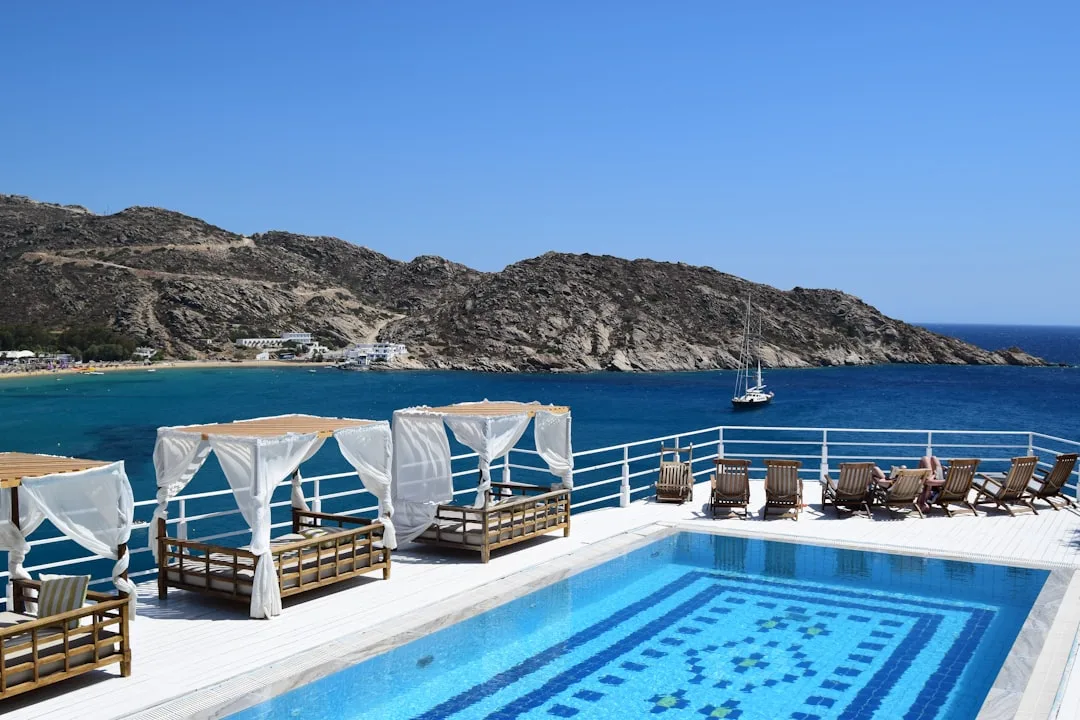
Private Pool Suites and Butler Service Generate ,000+ Weekly Additions
Regent Seven Seas Cruises’ Prestige-class vessels offer The Haven, a ship-within-ship concept featuring eight private suites with exclusive pool access, 24/7 butler service, and priority tendering. A The Haven suite runs $12,000–$18,000 per person for seven nights—roughly $1,700–$2,600 daily. That surcharge (versus standard oceanview at $1,100–$1,400) buys personalized itinerary planning, pre-arrival restaurant reservations at tender ports, and in-suite fine dining. Seabourn Odyssey counters with 224 all-suite accommodations (no cabins), meaning every guest receives butler service starting at $2,100 per person nightly—a $14,700 weekly commitment. For comparison, a luxury property like the Four Seasons Orlando costs $800–$1,200 per night without butler service, making Seabourn’s premium mathematically justified only for travelers valuing mobility and multiple destinations. Silversea’s ultra-luxury fleet assigns one butler per suite as standard (not an upsell), with nightly Champagne service, personalized breakfast service, and cabin laundry—included in suite prices averaging $3,500–$4,200 per person weekly. The critical distinction: butler service on cruise ships is performative luxury compressed into 300 square feet. Land-based butlers manage estates; shipboard butlers manage schedules and closets. Travelers expecting Downton Abbey-level discretion report disappointment when butlers knock on cabin doors at fixed times rather than anticipating needs. One wealthy traveler booked The Haven expecting discrete service and instead faced scheduled 9 AM butler knock-offs, feeling monitored rather than catered-to—a psychological failure no amount of Champagne corrects.
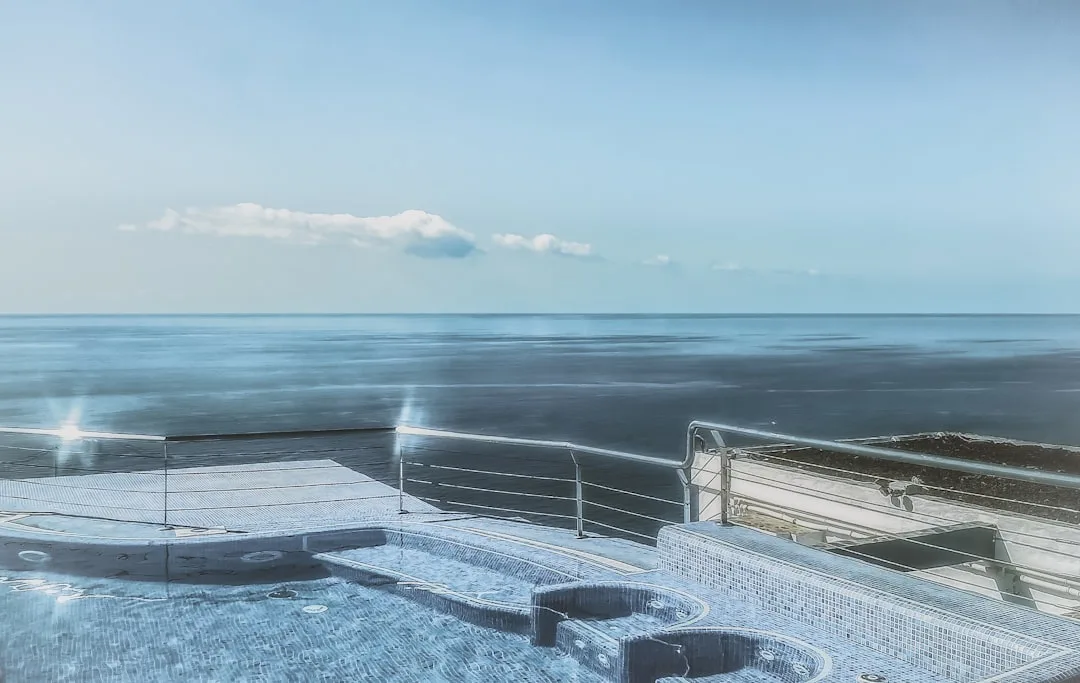
Biophilic Design and Connectivity Drive Amenity Differentiation
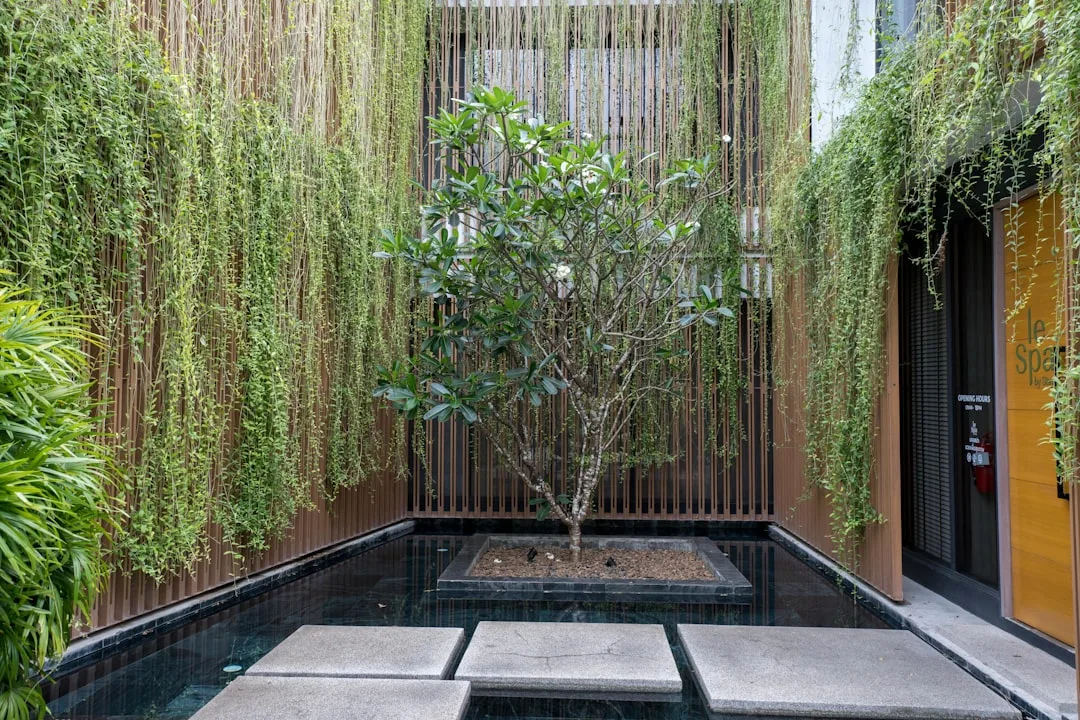
Carnival’s Mardi Gras (2021) introduced the first fully electric cruise ship propulsion system, but June 2026 luxury differentiators focus on indoor environmental design, not just mechanics. Holland America’s Pinnacle-class vessels feature the SeaScape experience: an 800-square-meter aquatic environment with living plant walls, circulating saltwater pools, and sunrise-synchronized lighting that adjusts color temperature throughout the day (mimicking natural circadian rhythms). This biophilic design costs approximately $8–$12 million per ship to implement, reflected in per-person premium of $200–$400 weekly. Read our article on How Fashion Influences Travel and Adventure: A Style Guide for Explorers to understand how onboard amenities now compete with resort-based fashion and lifestyle experiences. The Muse (Disney Cruise Line, 2023) integrated 5G connectivity throughout, enabling real-time video calls, remote work capability, and streaming without bandwidth throttling—a $15 million infrastructure investment that attracts remote-working families willing to pay 18% premium. Princess Cruises’ MedallionClass integration uses wearable technology (a bracelet synced to your suite) to unlock cabins, charge purchases, and receive personalized wayfinding—reducing onboard friction and increasing spa/restaurant spending by 31% among tech-engaged travelers. For travelers planning extended deployments, strong connectivity justifies the premium; remote workers on two-week repositioning cruises save hotel costs ($100–$200 daily) while working seamlessly—a $1,400–$2,800 weekly advantage if connectivity matches land-based reliability.
Wellness Programs and Circadian Rhythm Technology Reshape Sleep Architecture
Wellness has transcended spa branding. Azamara Pursuit (2024) introduced the Longevity Program: a science-backed intervention combining circadian-rhythm lighting in cabins (adjusting 2,700–5,000K color temperature based on time-of-day), IV therapy services ($250–$800 per infusion), cryotherapy chambers (-200°C exposure, $120 per session), and nutritionist-guided meal planning. Over a seven-night sailing, engaged guests spend $1,500–$2,400 on wellness add-ons beyond the base fare. Compare this to land-based wellness retreats (Canyon Ranch Arizona runs $3,500–$6,000 weekly all-inclusive), and cruise wellness pricing looks accessible despite premium positioning. The Norwegian Prima’s Thermal Suites sync biometric feedback from guest wearables to adjust sauna temperature and duration, with AI-recommended protocols tailored to individual recovery metrics. This technology costs $180 per guest to implement but increases repeat bookings by 24% among health-conscious demographics. Seabourn’s wellness programming includes a $1.2 million partnership with Canyon Ranch, bringing certified fitness and nutrition specialists onboard—guaranteeing expert-led services unavailable on competitors’ vessels. The upsell structure is transparent: base wellness is complimentary (yoga, nutritionist consultations), but premium treatments (IV therapy, advanced cryotherapy, personal training) cost extra, ranging $85–$400 per treatment. Travelers investing $3,000+ weekly in wellness treatments often perceive cruise pricing as cheaper than land-based retreats, even when the total cost (cruise fare + wellness spend) exceeds resort pricing by 15–20%. See our Essential Tips for Traveling to China for insights on how Asian wellness philosophies are influencing cruise-based programs globally.
Complete guide
Furniture Decor Ideas for Every Room in Your Home
Living room, bedroom, dining, kitchen, outdoor — all in one place