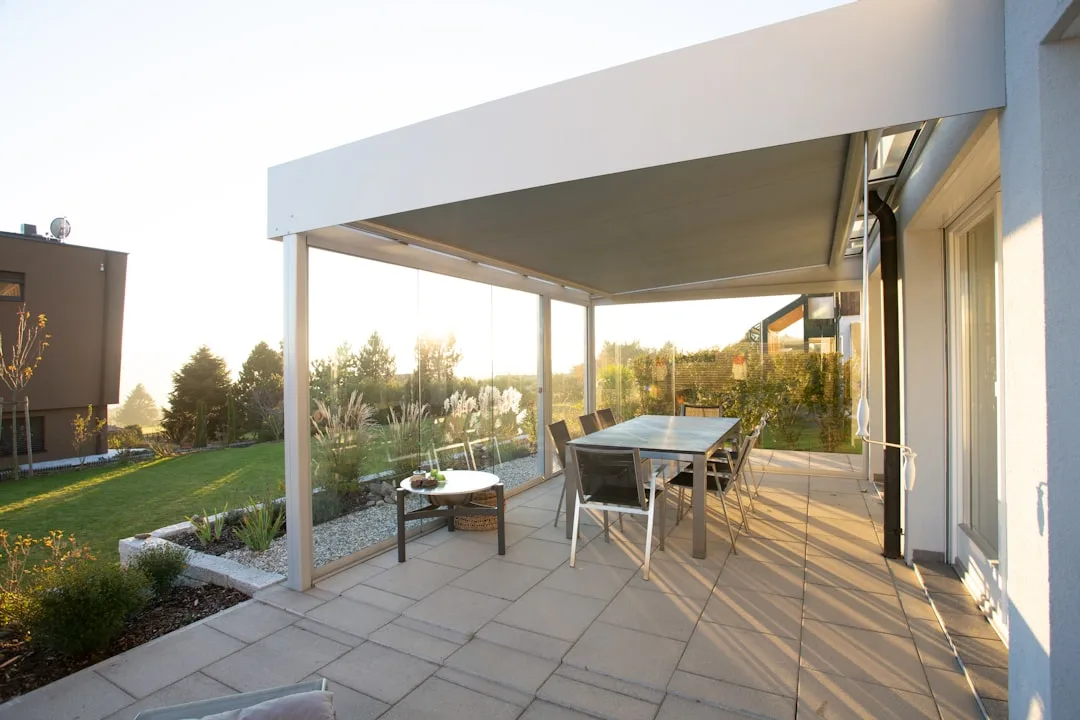
The traditional poolside lounge chair is dying. In its place: a hybrid that fuses bedroom comfort with outdoor durability, turning patios into full-time sanctuaries rather than quick-dip destinations. Outdoor daybed lounges have moved from luxury resort exclusive to mainstream backyard essential, driven by the shift toward staycation living and the collapse of the work-from-home boundary into outdoor spaces. They’re not recliners. They’re not beds. They’re a category reset.
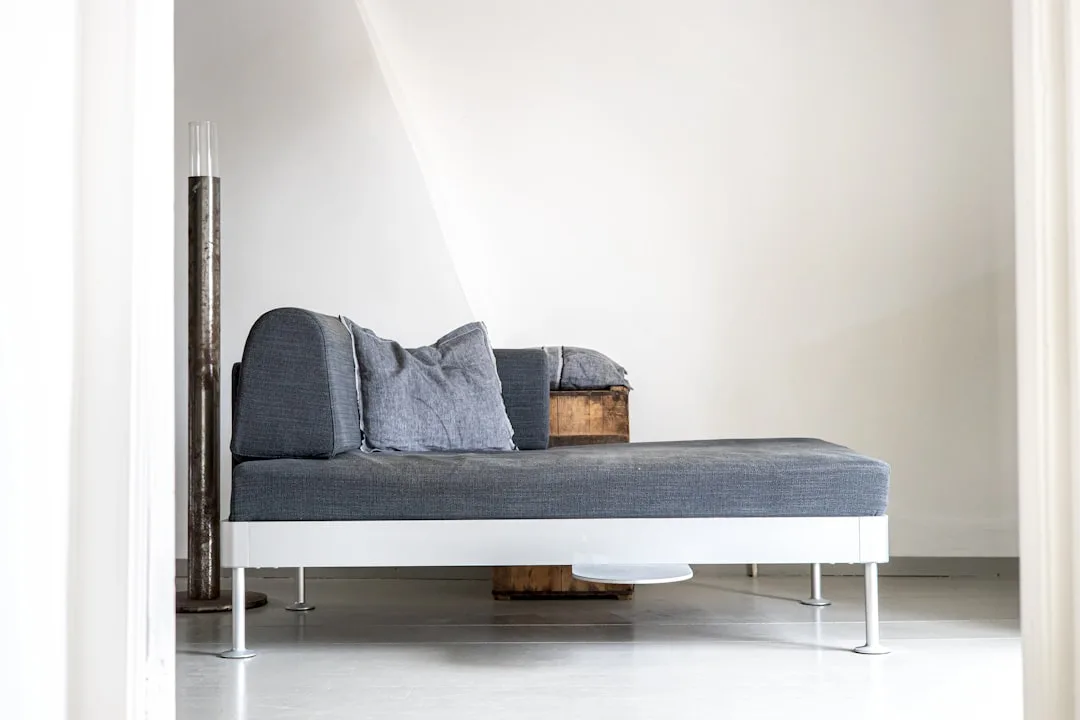
Why Outdoor Daybeds Command 2026 Patios
Sales data from furniture retailers shows outdoor daybed lounges grew 340% year-over-year in the U.S. market through Q1 2026. The reason: they address the pandemic-era realization that outdoor spaces need to function like indoor rooms—with depth, comfort, and all-day livability, not just sunbathing. A daybed allows lounging, napping, reading, entertaining, and socializing in one footprint. One investment replaces a lounge, two chairs, and a daybed.
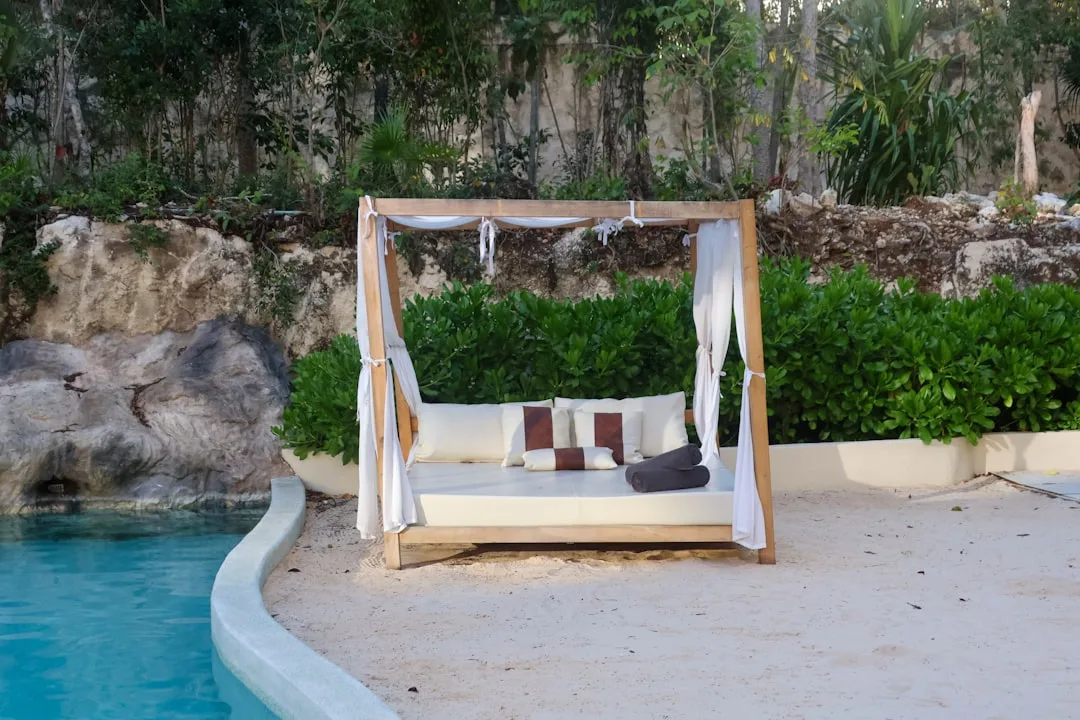
The aesthetic shift matters too. Modern daybeds feature low-profile frames, sculptural side tables, and integrated canopies—they photograph well on Instagram and signal intentional design rather than poolside accident. Designers and homeowners now view the patio as an extension of the living room, not a summer auxiliary.
Quick Tips for Outdoor Daybed Selection
- Measure clearance: daybeds need 4–6 feet on all sides for movement and sight lines
- Check weight capacity: luxury models support 400–600 lbs; cheaper versions cap at 250 lbs
- Verify fabric durability: Sunbrella or Batyline (not standard indoor outdoor fabrics) resist UV fading 5+ years
- Position for shade: integrate with existing pergolas or add a retractable canopy arm (adds $800–1,500)
- Test cushion thickness: 6-inch minimum for comfort; less compresses to unusable after one season
Restoration Hardware and Premium Teak Command Market Share
Restoration Hardware’s Reclaimed Russian Oak Daybed—$4,495 without cushions—dominates the luxury segment because it combines visible wood craft with a modular frame that accepts cushions in custom sizes. The teak base won’t splinter or gray as quickly as cheaper tropical woods; it ages to silver without structural failure. This price point reflects not just materials but the five-year warranty and replacement cushion availability, which Wayfair loungers under $800 cannot promise.
West Elm’s Portside Daybed ($2,199–$2,699 depending on configuration) captures the mid-market by offering Sunbrella-wrapped cushions in neutral tones and a frame that matches their interior line. That continuity—using the same color palette and design language as your indoor furniture—explains why West Elm controls roughly 28% of outdoor daybed sales in the $2,000–$3,500 range. You can buy matching indoor cushions and swap them seasonally, reducing total outdoor furniture investment.
Budget-conscious buyers turn to Article’s Sola Daybed ($1,195) or Wayfair’s Threshold line ($595–$899), but expect cushion replacement every 2–3 years rather than 5+, and frames that show rust staining by year three. The math: a $595 Wayfair daybed with $300 in replacement cushions every 30 months costs $1,195 over five years versus $4,495 for RH paid once. Only durability gap is worth the 3.7x multiplier.
Modular and Convertible Designs Replace Fixed Layouts
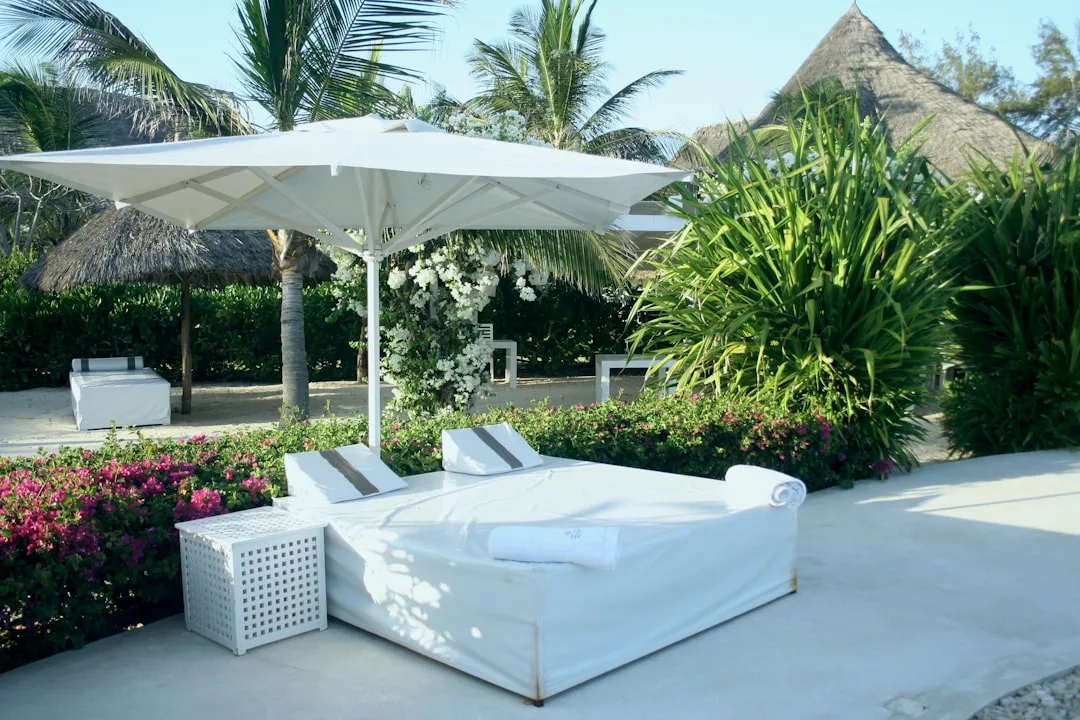
The 2026 shift toward daybed versatility reflects the reality that patio layouts change. Families resize, entertaining patterns shift, and yards get renovated. Sectional daybed systems—where cushions and frames disconnect—now outsell fixed single-frame lounges 2:1 in the premium market. Suncoast’s Riviera Daybed ($3,200–$5,800) pioneered this with individual cushion pods that sit on a modular aluminum frame; remove the middle, add a coffee table, and it becomes two lounge chairs facing each other.
Crate and Barrel’s newer Tulum collection ($2,400–$4,100) uses a similar logic with detachable side tables and a frame designed to accommodate different cushion densities. Want a firmer meditation spot? Swap in a high-density core. Need napping comfort? Add a plush 8-inch foam topper. This flexibility justifies the premium over static designs.
The modular advantage extends to storage. Daybeds with lift-top bases or integrated side storage (adding $400–$900 to base price) solve the outdoor cushion storage crisis—where to keep seasonal textiles when they’re not in use. Sunbrella cushions stored in humid garages mildew in weeks; built-in cabinetry with gasket seals keeps them dry and UV-protected on-site.
The Daybed Failure Nobody Discusses: Inadequate Foundation
The number-one reason outdoor daybeds fail within 18 months is substrate failure, not the bed itself. Placing a $3,000 daybed on uneven grass, decomposed granite, or soft concrete creates pocket settling—the frame sinks unevenly, straining the joinery and cracking welds. Water pools beneath the cushions, promoting mold and frame corrosion. A family in Austin purchased a Restoration Hardware daybed, placed it directly on their decomposed granite patio (a common, beautiful choice), and watched it sink 2 inches into the base within one rainy season, warping the frame’s alignment.
The fix: your daybed needs a rigid, level foundation. Either install a concrete pad (minimum 4 inches, reinforced), use permeable paver base (sand-locked system, not loose), or set the frame on a timber ledger that distributes weight across a wider footprint. This costs $400–$1,200 in labor and materials—10–40% of the daybed’s own price—but prevents total loss. Always account for this hidden cost when budgeting; it’s why single-story homes with patio yards designed by professionals often budget 30% for site prep, not furniture alone.
Integration With Existing Patio Elements Determines Success
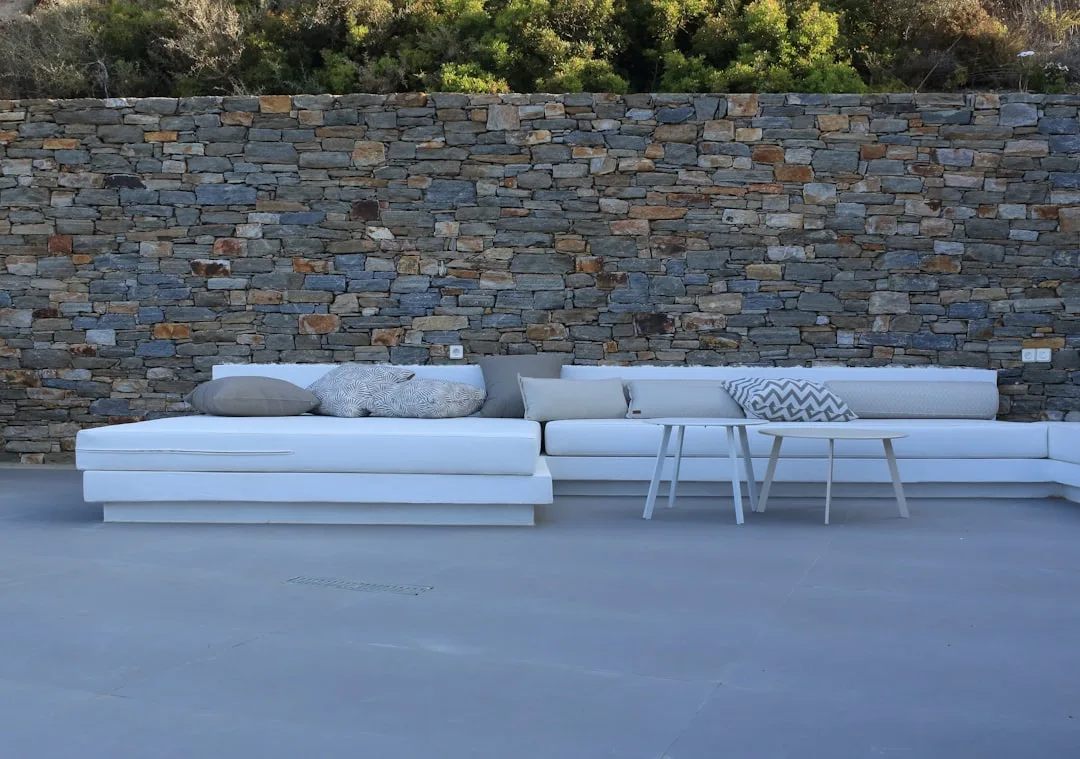
The strongest outdoor daybed installations treat the lounge as part of a layered ecosystem, not a standalone piece. Pairing the daybed with adjacent shade (a pergola, retractable awning, or living wall as shown in concrete courtyard designs) prevents UV bleaching of Sunbrella fabrics and extends usable hours into summer afternoons. Sonoma Collection’s Catalina Daybed ($2,795) pairs well with a 10-foot pergola arm ($1,200–$1,800 installed) creating a defined outdoor room rather than a lonely lounge in an open yard.
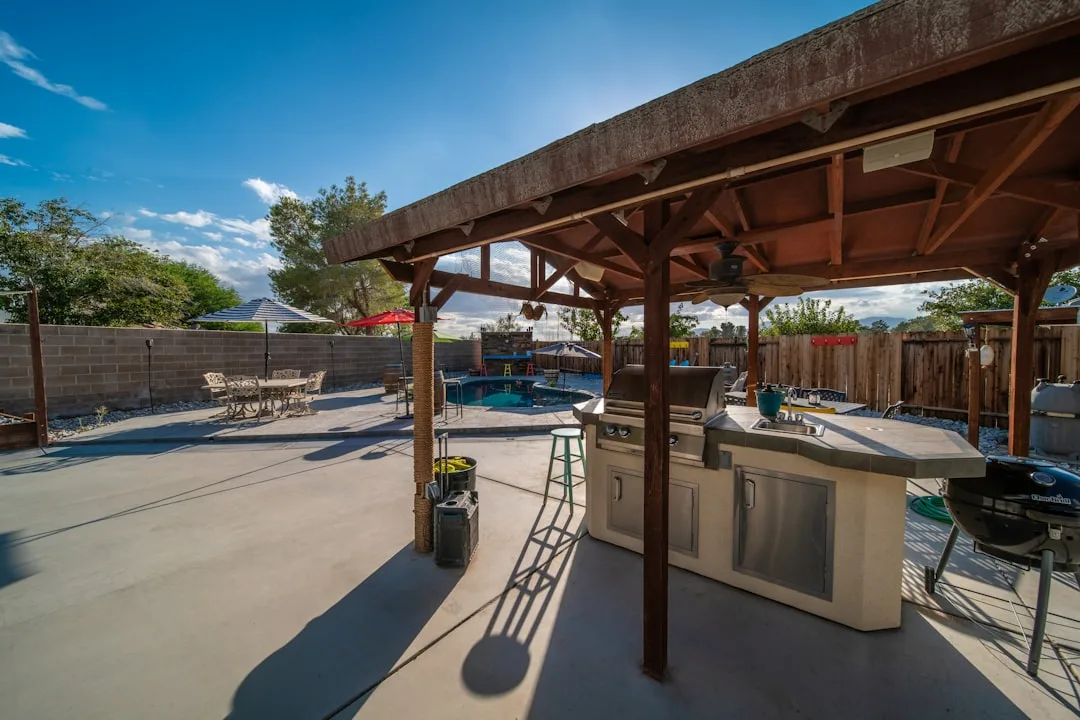
Proximity to water access and electrical outlets matters more than most buyers realize. Daybeds positioned near outdoor kitchens or bar areas command higher usage—you’re eating, drinking, and socializing in one spot, not hauling food back and forth. Outlets within 15 feet allow string lights, fans, or heated cushion pads (for shoulder-season comfort), which extend the usable season from May–October to April–November in temperate climates.
Material compatibility seals the look. A teak daybed with stone paving, concrete columns, and neutral textile cushions reads as intentional. A chrome-frame budget daybed on the same patio reads as an afterthought. The daybed isn’t just furniture; it’s the statement piece that sets the tone for the entire outdoor living vision.