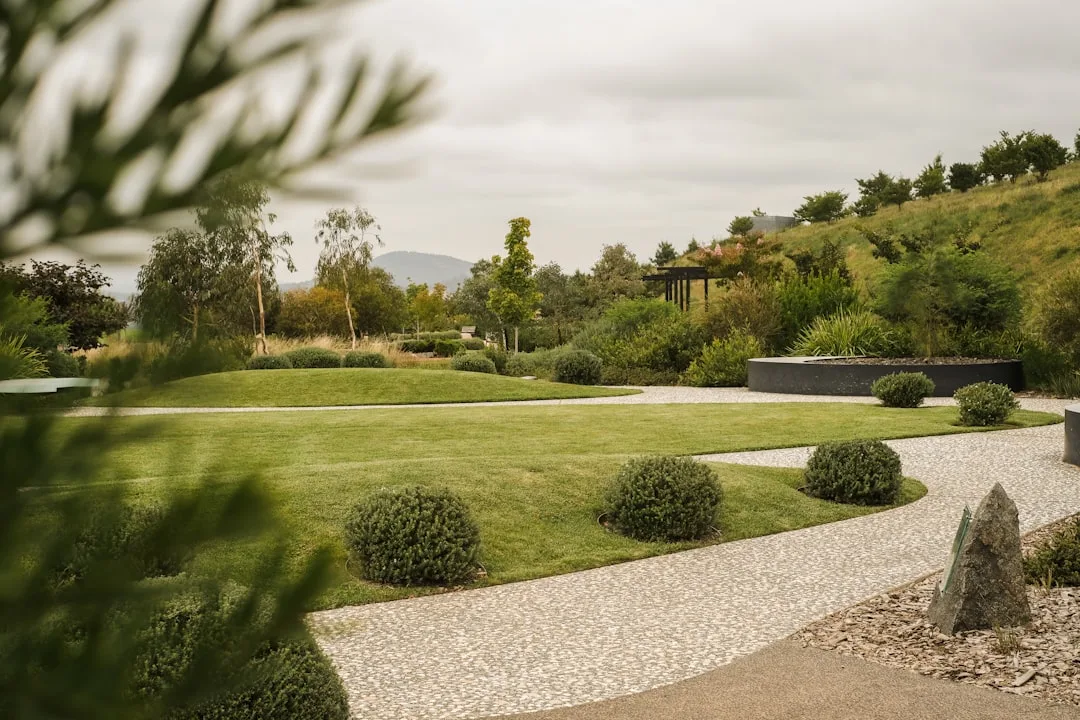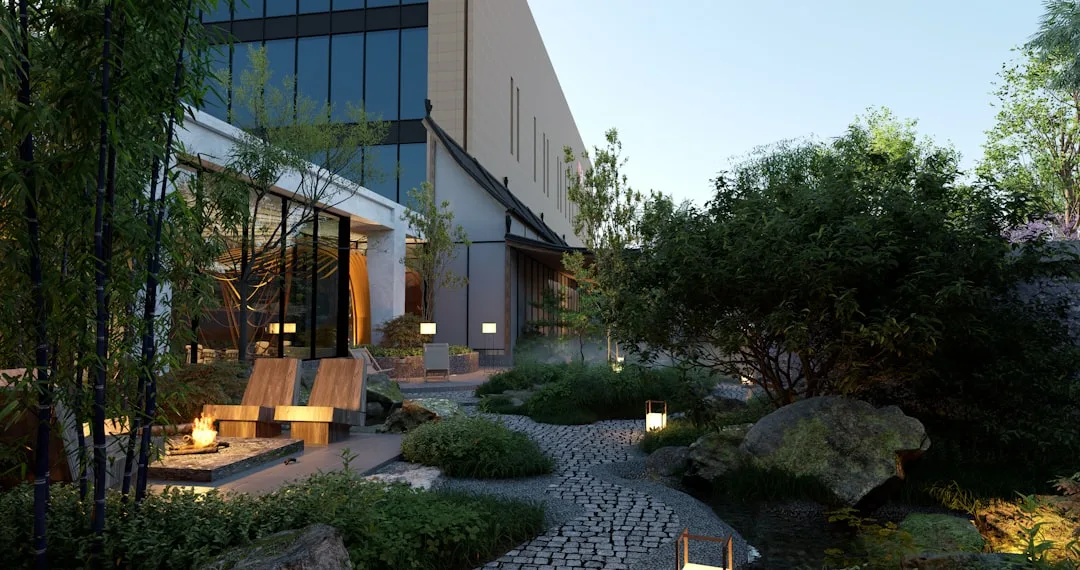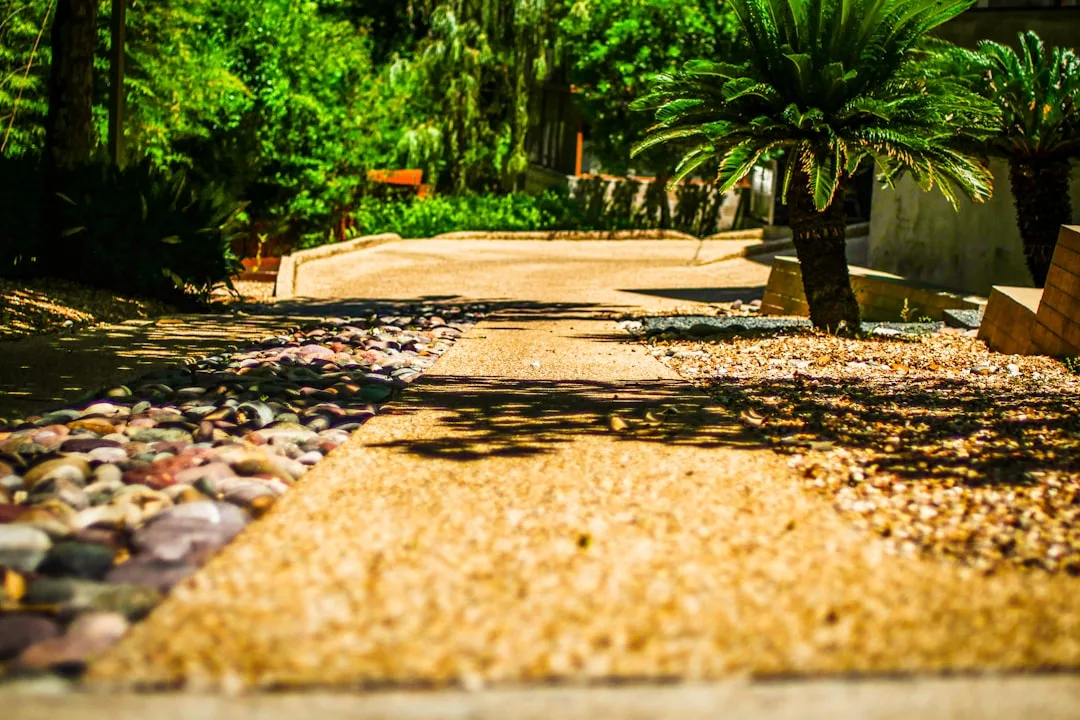
The rigid grey ribbon of poured concrete that cuts through most residential yards feels prehistoric now. Walk down any newly landscaped block in Austin, Portland, or the drought-stressed regions of Southern California, and you’ll see something softer taking over: decomposed granite pathways that shift from warm tan to rust-orange depending on the light, that compress underfoot, and that actually let water soak through instead of pooling and cracking. This isn’t nostalgia. It’s a practical reckoning with stormwater management, material costs, and the fact that monolithic concrete slabs fail faster than ever under temperature extremes.
Why decomposed granite outperforms concrete in 2026 climates
Concrete fails because it’s inflexible. Temperature swings of 40°F in a single day—now routine in continental climates—cause concrete to expand and contract, opening hairline fractures that become spalling surfaces within 3–5 years. Decomposed granite (DG), by contrast, is a crushed granite aggregate that settles and compacts naturally, accommodating ground movement without rupturing.
The drainage story matters more. Standard 4-inch poured concrete allows zero water penetration; it sheds 100% of rainfall onto adjacent soil, creating localized flooding and foundation stress. Decomposed granite pathways absorb water at roughly 4–6 inches per hour, filtering stormwater into the ground and reducing runoff by 70–80% compared to concrete. This aligns directly with municipal stormwater ordinances now enforced in over 300 U.S. municipalities, many of which impose $500–$2,500 fines for non-compliant impervious surfaces.
Cost-wise, DG runs $8–$14 per square foot installed, versus $12–$18 for concrete. Over a 10-year lifespan, decomposed granite requires $0.80–$1.20 per square foot annually in maintenance (raking, top-dressing, minor compaction), while concrete repair costs spike to $3–$8 per square foot after year 5. For a 300-square-foot pathway, that’s a $900–$2,100 savings across ten years.
- Compact in 2-inch lifts with a hand tamper or plate compactor—don’t dump and leave
- Edging (steel or composite) prevents migration; budget $4–$6 per linear foot
- Top-dress every 18 months with fresh DG to fill settling voids
- Avoid decomposed granite in areas with clay subsoil; ensure 4-inch gravel base first
Material sourcing and brand specifications as of June 2026
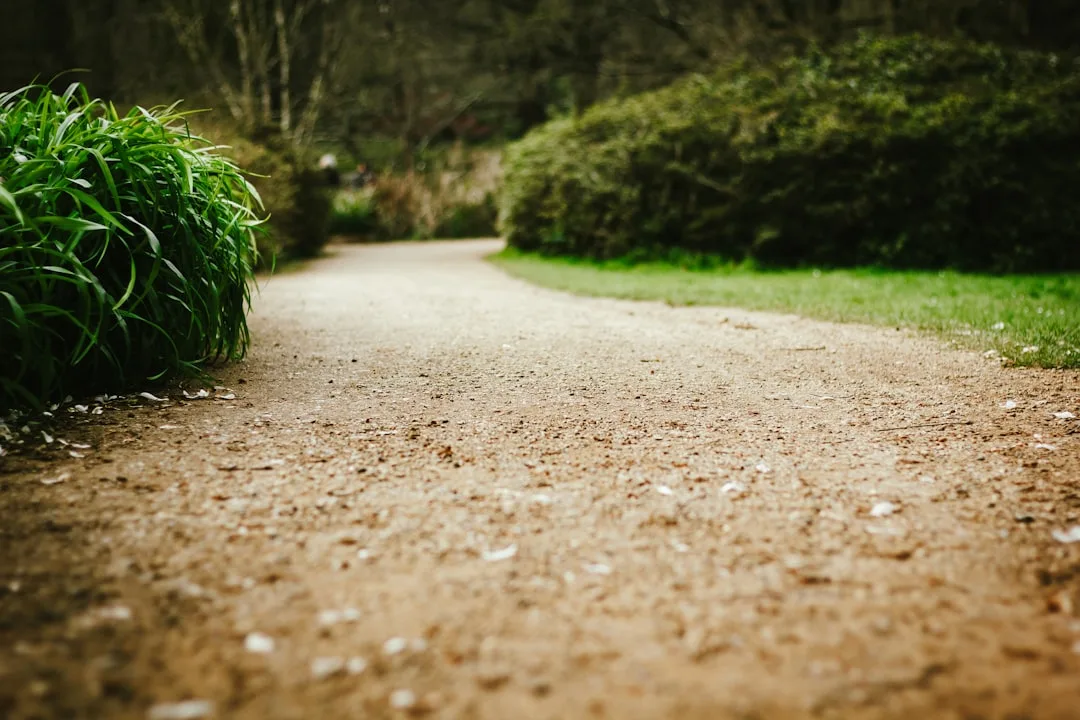
Decomposed granite varies wildly in quality. The finest material comes from on-site granite quarries in California (Granite Construction, Vulcan Materials) where the stone naturally breaks down into 3/8-inch minus particles. Inferior DG—ground from recycled concrete or imported from regions with softer stone—compacts poorly and washes away in heavy rain.
Granite Construction’s DG Premium (sourced from their Placer County, California operation) retails at $52–$68 per ton, delivered. That’s roughly $10–$13 per square foot for a 3-inch depth with proper base preparation. Vulcan Materials’ Decomposed Granite Select runs $48–$62 per ton, slightly cheaper but with less consistent fines content, meaning more maintenance topping over time.
For landscape designers, local stone suppliers often offer proprietary mixes at $35–$45 per ton (undelivered), but shipping cost and quarry inconsistency make branded sources preferable for projects over 500 square feet. Polymeric dust additives—such as Polymeric Sand by Gator (used in paver joints, not typical DG but sometimes mixed in) add $1,200–$1,800 per project for professional stabilization without compromising permeability.
Common installation failures and how to avoid them
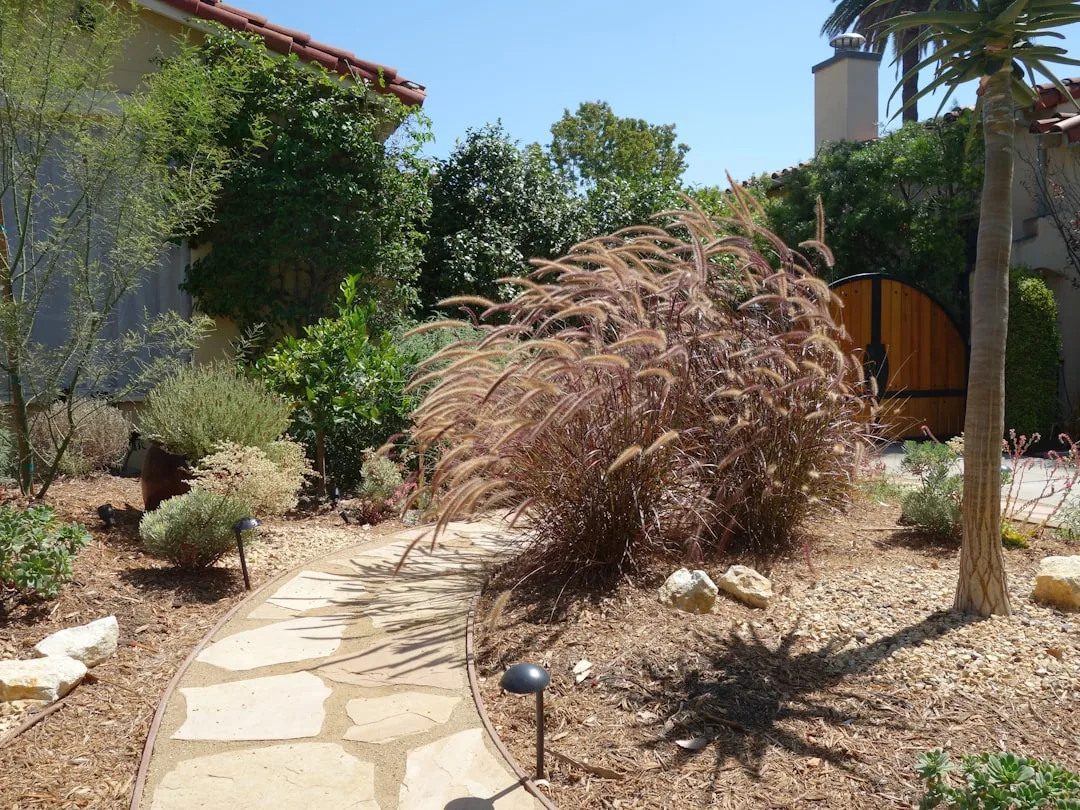
The #1 failure: insufficient base preparation. Homeowners and budget contractors skip the 4-inch compacted gravel base and lay DG directly on topsoil. Within 18 months, the pathway sinks 1–2 inches unevenly, creating tripping hazards and water pooling. The pathway becomes impassable and requires complete removal and reinstallation—a $1,500–$2,800 loss for a 300-square-foot path.
A second critical mistake is under-compaction. DG must be compacted to 95% Standard Proctor density (a technical measure of soil consolidation). Hand-tamping alone achieves 85–90%. Without mechanical plate compaction (which costs an extra $300–$600 but takes 2–3 hours), the surface remains loose, and foot traffic causes washboarding (ridge patterns) within weeks. Once washboarding starts, the pathway is compromised and difficult to recover without replacement.
The third trap: neglecting edging. Decomposed granite migrates. Without steel or composite edging, DG creeps into adjacent planting beds at 2–4 inches per season, requiring constant raking and replacement. Budget-conscious projects that skip edging (saving $200–$400) end up spending $100–$150 annually removing DG from plant zones—a false economy.
Design integration with modern landscape architecture
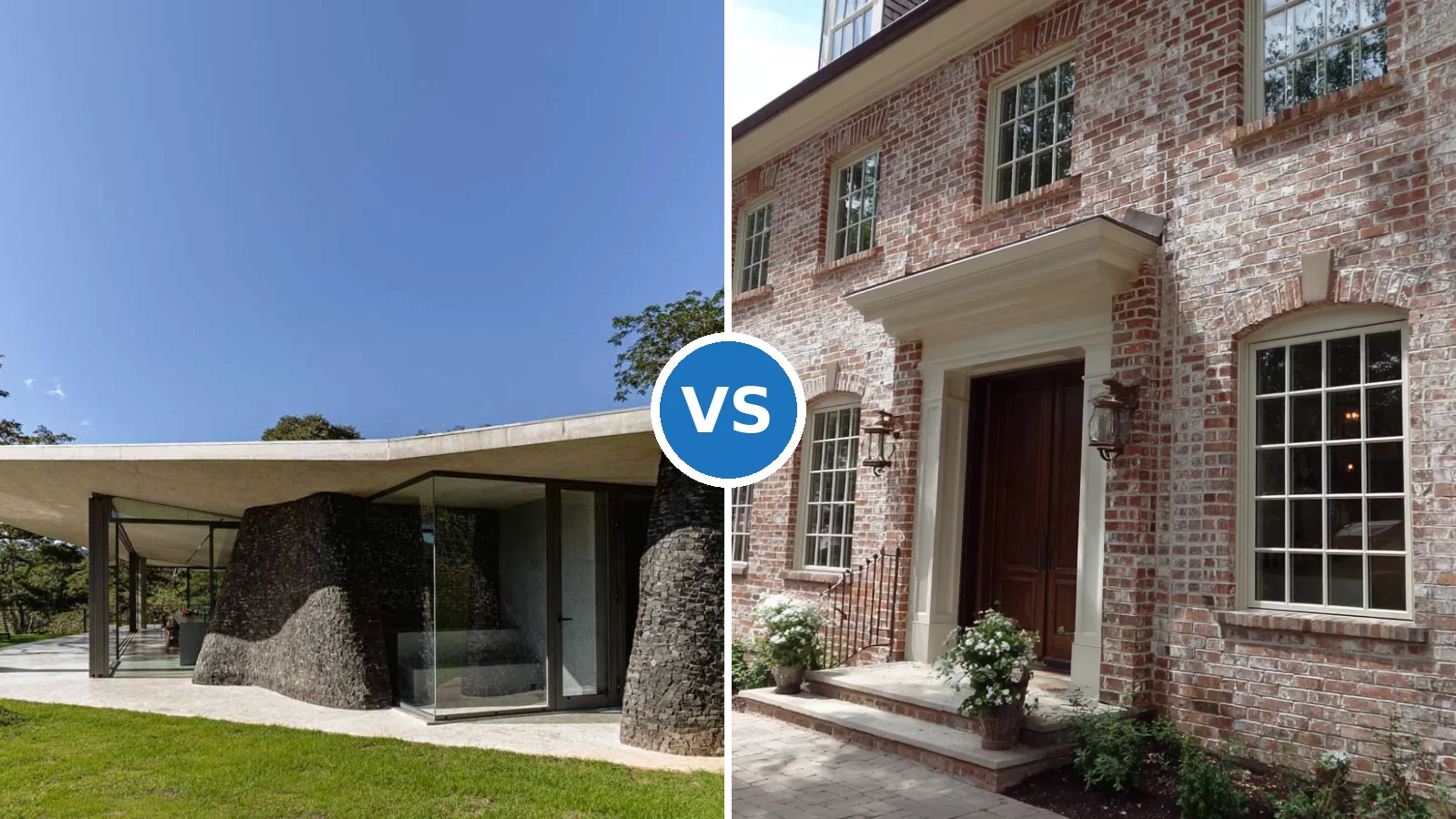
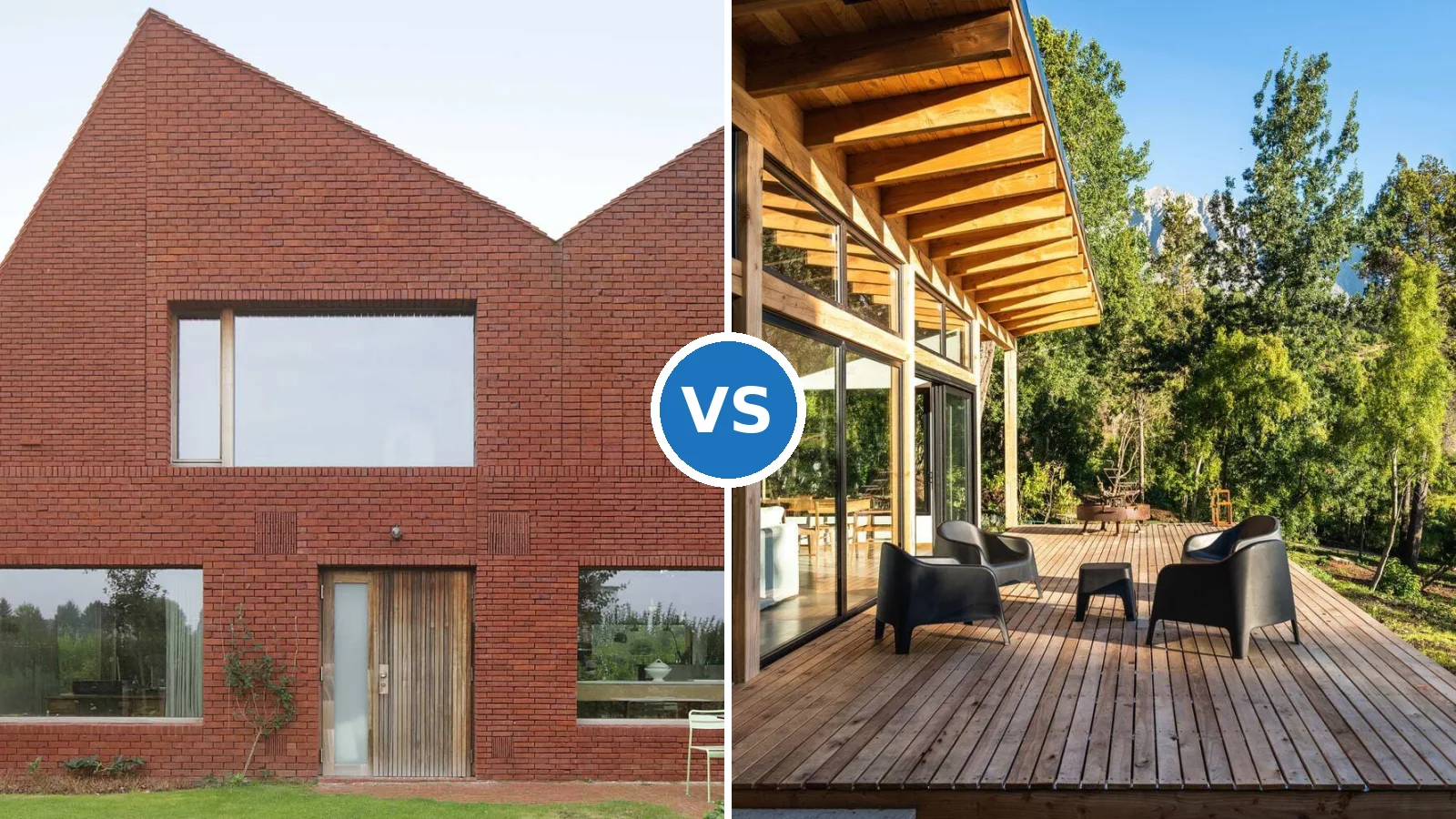
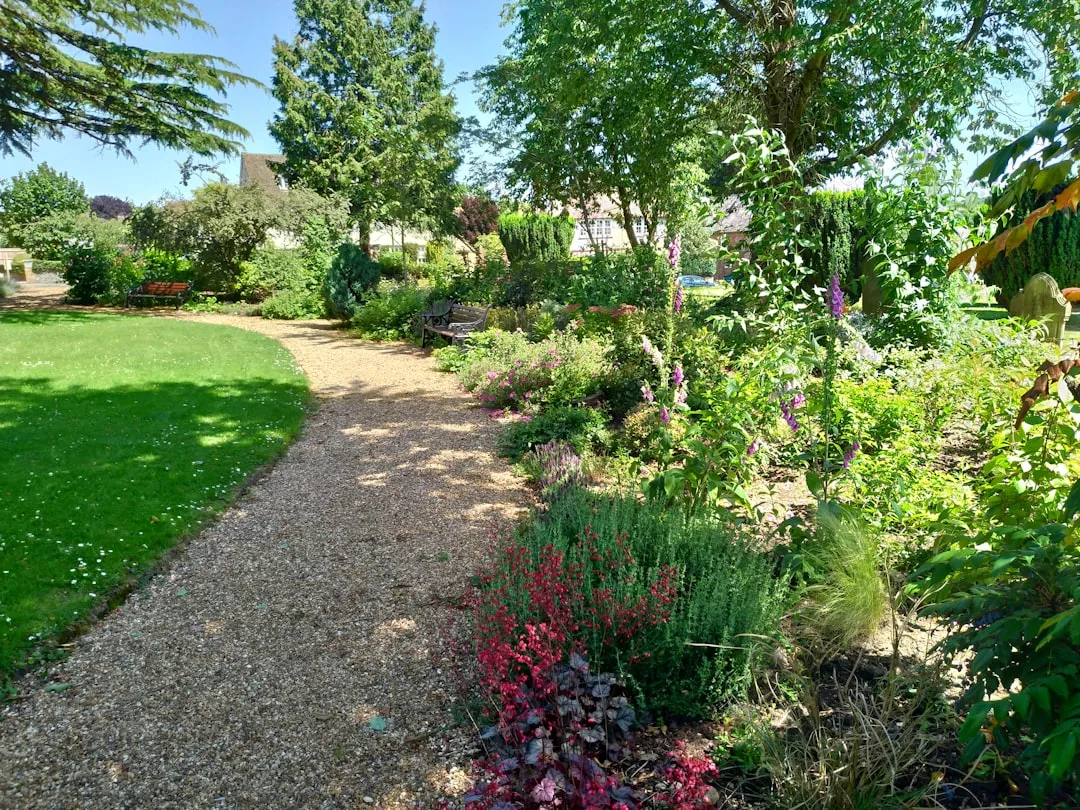
Decomposed granite works aesthetically because its warmth contrasts with the cool tones of native plantings and architectural stone. In French-style home exteriors, DG pathways echo the gravel courts of Provence, creating authenticity impossible with concrete. The rust-orange tones also complement modern cladding in charcoal or weathered bronze.
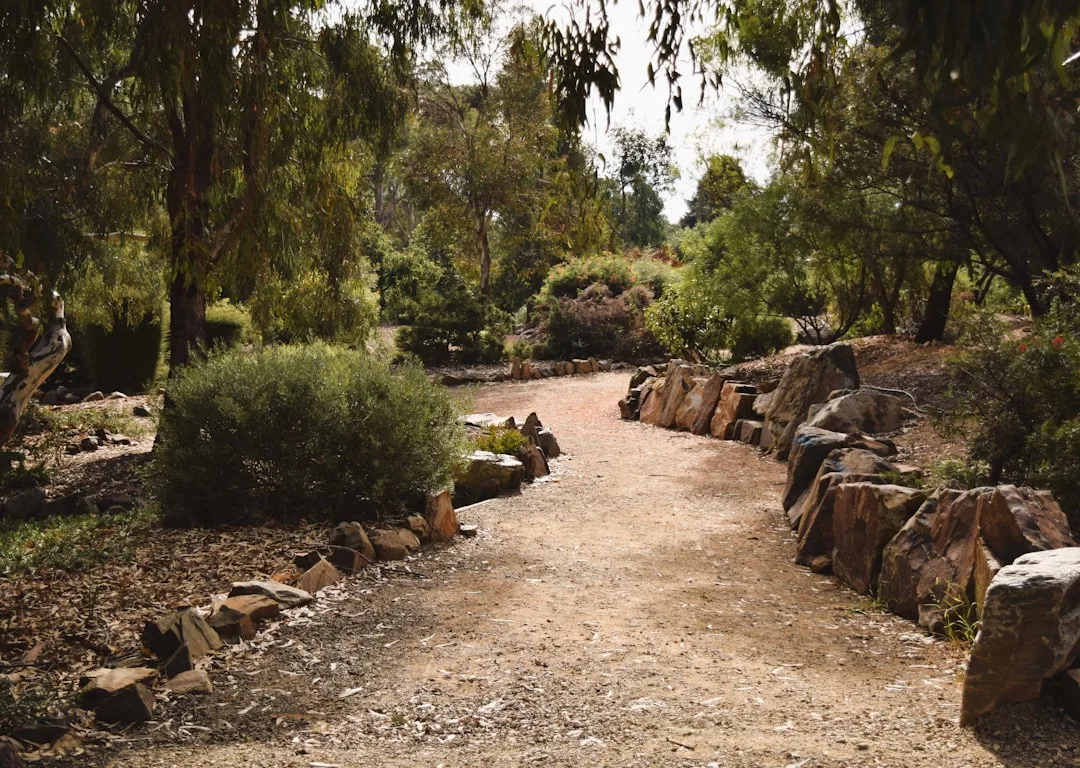
Curved pathways—which showcase DG’s flexibility better than straight runs—should range 3–4 feet wide for single-person passage and 5–6 feet for conversational walking. Decomposed granite naturally settles into curved forms without cutting, making serpentine designs 15–25% cheaper than concrete curves. Professional landscape architects including those at Habitat Horticulture (Portland) and Studio H:T (Los Angeles) now specify DG as their default hardscape for residential gardens under $75,000 in budget, a shift that was unthinkable five years ago.
For stucco and stone facades, warm-toned DG reinforces earthy palettes. Cool-toned pathways (from granite with more feldspar and less iron oxide) work better with modern siding in grey or white. The choice of DG color—achieved by sourcing quarry-specific material—is now treated as a design decision equivalent to paint color selection for exteriors.
Maintenance expectations and long-term performance data
Decomposed granite requires annual maintenance. Spring raking (60–90 minutes for a 300-square-foot path) redistributes material and prevents compaction zones. Weeds emerge through DG at rates 40% higher than through mulch, so expect hand-pulling or one application of non-selective herbicide (like glyphosate) per growing season—$50–$120 annually for professional application.
Top-dressing (adding 0.5–1 inch of fresh DG) every 18–24 months costs $150–$300 for materials and labor on a typical residential pathway. This is non-negotiable; skipping top-dressing leads to visible soil showing through, washing away during storms, and loss of the finished appearance within three seasons.
Performance data from 2023–2025 California projects shows decomposed granite pathways maintain structural integrity for 8–12 years before major top-dressing costs rise. Concrete, by comparison, shows significant surface damage by year 5–7. Over a 15-year lifespan, total DG maintenance and replacement costs run $2,700–$4,500 for a 300-square-foot pathway, versus $4,200–$6,800 for concrete repair cycles. The environmental upside—70–80% stormwater infiltration versus zero—makes DG the practical choice for climate-responsive landscaping in 2026.