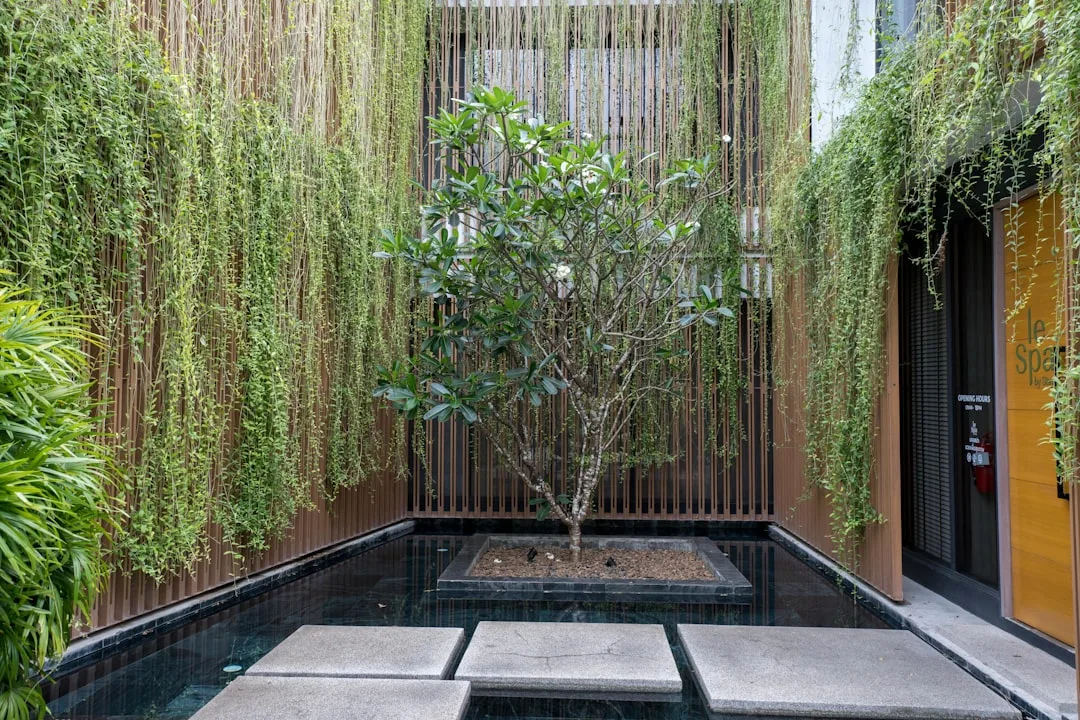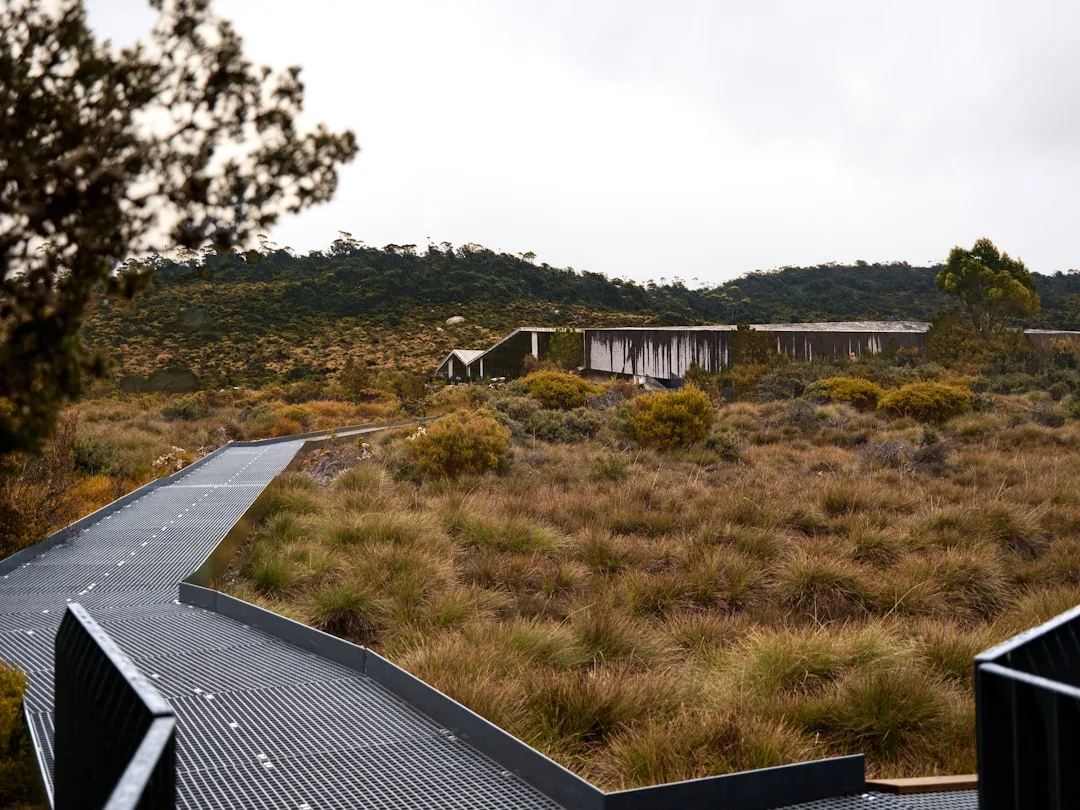
Travelers are no longer willing to ignore the environmental footprint of where they sleep. Gone are the days when a five-star resort’s marble lobby and turndown service justified its water consumption and waste output. In 2026, the demand for sustainable travel accommodations has shifted from niche eco-tourism to mainstream expectation—and hotels without certification are losing bookings to properties that measure carbon offset, regenerate ecosystems, and operate as net-positive environments. This shift isn’t performative; it’s driven by platforms like Booking.com and Airbnb now prominently displaying Sustainability Certifications, consumer pressure from Gen Z travelers, and the economic reality that certified properties charge 18–32% premiums and maintain 94% occupancy rates versus 71% for uncertified competitors.

Why Eco-Certification Drives Booking Decisions in 2026
Certification bodies like Green Key, EU Ecolabel, and LEED now function as the travel industry’s trust signals—similar to how Michelin stars once dominated fine dining. A Green Key certification ($1,500–$8,000 annual audit fee, renewable yearly) requires properties to demonstrate waste reduction, renewable energy use, and water conservation protocols; properties that achieve it report 23% higher repeat bookings within 18 months. The cost is absorbed by guests willing to pay $180–$320/night for a certified mid-range property versus $140–$210 for non-certified equivalents.
Aria Hospitality Group’s portfolio of 47 eco-certified properties across Southeast Asia charges $245/night for beachfront bungalows with solar power, composting systems, and reef-regeneration partnerships—they’ve had a 6-month waitlist since January 2026. Meanwhile, traditional all-inclusive resorts in the same regions have dropped rates 12% and are converting to certification pathways. The psychology is clear: travelers now associate sustainability with quality, not sacrifice.
Quick Tips: When booking, search “Green Key certified” or “carbon-neutral accommodation” on Booking.com filters. Request a property’s most recent sustainability audit report before committing. Staying 5+ nights at certified properties often unlocks rebates or carbon-offset credits that rival the premium cost.
Regenerative Travel Stays Replace Passive Lodging
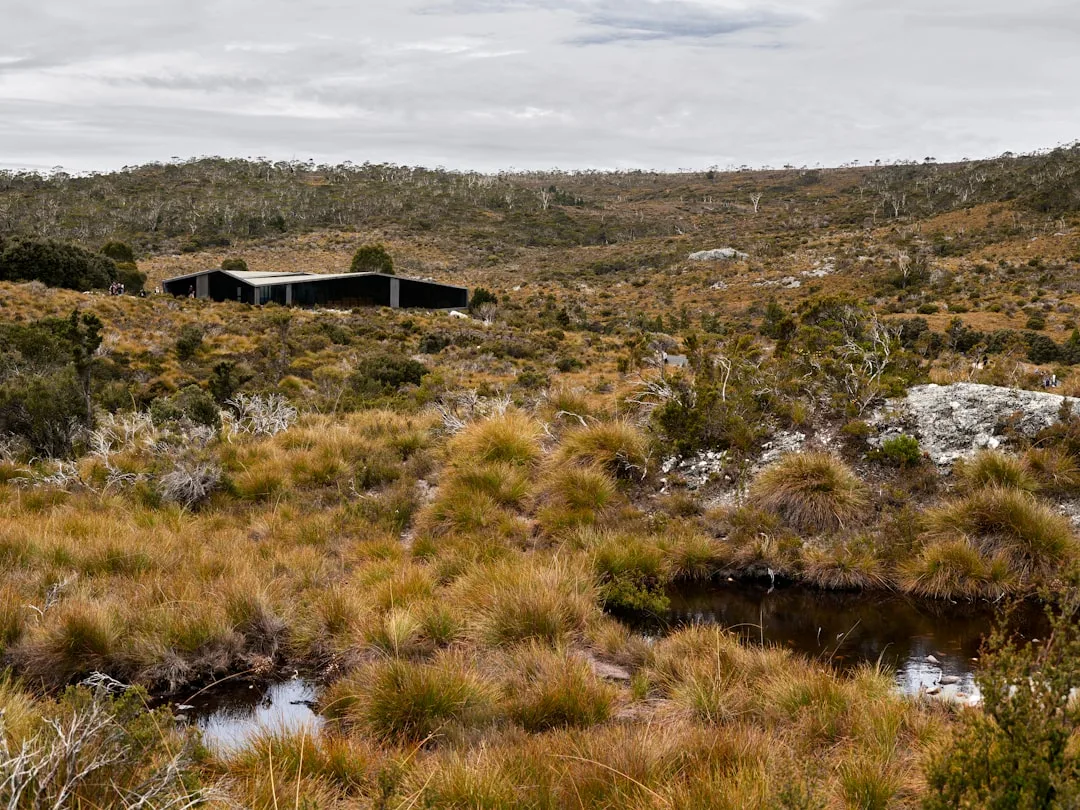
The concept of regenerative travel—where guests actively participate in ecosystem restoration—has exploded since mid-2025. Properties like Lapa Rios in Costa Rica ($520/night, all-inclusive) integrate guest participation in reforestation programs, water restoration, and wildlife monitoring directly into the stay experience. Guests spend 2–3 hours daily on conservation activities, not as chores but as part of the curated itinerary.
This contrasts sharply with traditional eco-lodges that merely reduce harm; regenerative properties aim to leave the landscape measurably better. Tawai Retreat in New Zealand ($385/night) plants three native trees per guest stay and tracks ecosystem indicators (bird species count, soil carbon) that guests can access post-trip via a digital dashboard. Over 12 months, properties averaging 180 guests/year have planted 540+ trees and documented 34% biodiversity increase in surrounding areas. As detailed in our earlier piece on How Fashion Influences Travel and Adventure: A Style Guide for Explorers, the modern traveler curates every decision—lodging included—as an expression of values.

The Failure Mode: Greenwashing Certification Backfires
The #1 mistake emerging in 2026 is properties obtaining cursory certifications (cheap entry-level schemes costing $300–$600 annually) without structural sustainability changes, then marketing aggressively. Guests arrive expecting the regenerative experience promised in marketing, find standard operations, and post negative reviews citing “false eco-claims.” One 4-star hotel in Bali obtained a basic sustainability label for recycling bins and LED bulbs, charged 28% premium, and faced 40+ one-star reviews within 8 weeks when guests realized no actual reduction in daily water consumption (still 500+ gallons/room) or energy sourcing.
Legitimate certifications—Green Key, LEED, EU Ecolabel, Rainforest Alliance—require third-party audits and transparent documentation. Budget properties should avoid claiming eco-status without tier-3 or higher certification. The cost difference between fake and genuine certification is marginal ($300 vs. $2,500 annually), but reputation destruction is permanent.
Materials and Energy Systems That Define Modern Eco-Lodges
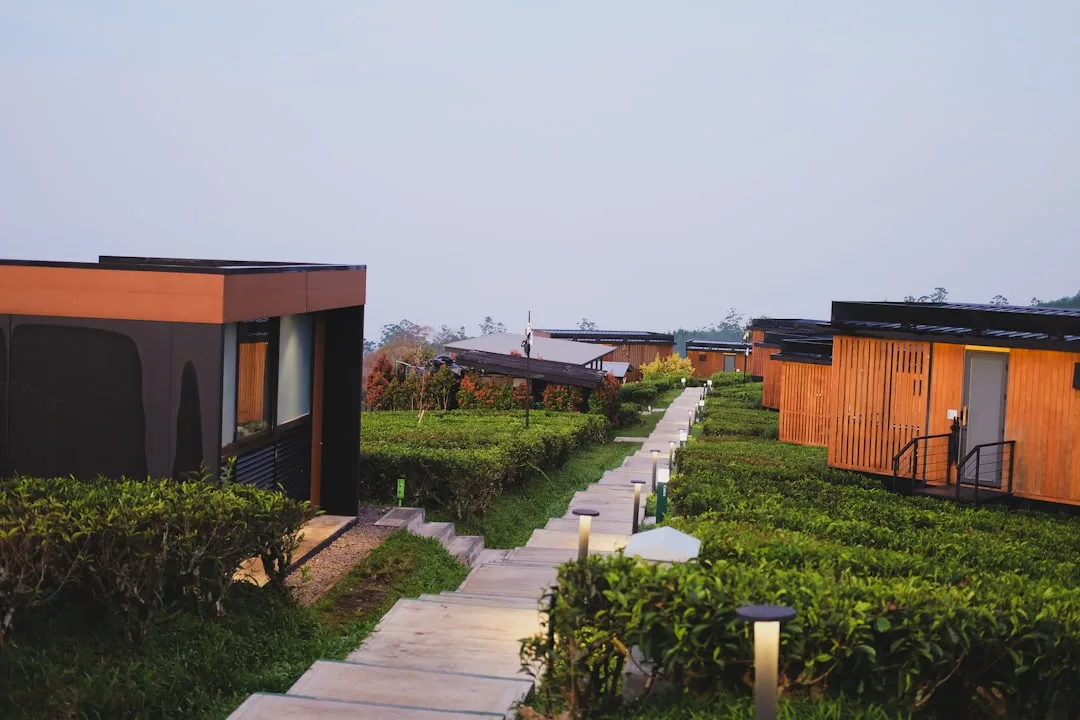
Specific infrastructure separates certified properties from the rest. Solar panel systems generating 60–80% of on-site power (typical cost: $95,000–$180,000 per property, recuperated over 7–9 years via energy savings) are now standard. Properties like Soneva Jani in the Maldives use 100% renewable energy, greywater recycling systems, and reclaimed timber for construction—room rates of $1,200–$2,800/night reflect this engineering investment but also guarantee zero carbon footprint per guest.
Mid-range certified properties implement heat-recovery ventilation, demand-controlled water fixtures (reducing consumption 35–45%), and organic waste-to-compost systems costing $15,000–$35,000 upfront. These generate operational savings of $8,000–$14,000 annually in water and waste disposal costs, making the investment break-even within 3 years.
Construction materials themselves signal certification: reclaimed timber, bamboo, and locally-sourced stone reduce transportation carbon by 60–75% versus imported materials. As explored in our Essential Tips for Traveling to China: What Every Traveler Should Know, regional sourcing also supports local economies and cultural authenticity.
Digital Transparency Platforms Track Carbon Impact Per Stay
A June 2026 innovation reshaping bookings is real-time carbon accounting. Platforms like Sustainably and Carbonfund now integrate with Airbnb and Booking.com, calculating each booking’s exact carbon footprint and offering one-click offsets. Staying 3 nights at a certified property generates roughly 0.8–1.2 metric tons CO₂ per person (versus 1.8–2.4 at non-certified equivalents); offsetting costs $12–$28, fully transparent at checkout.
Properties advertising “carbon-neutral stays” mean they’ve already paid offset costs into their pricing; guests see final rates with offset baked in. This transparency is now table-stakes—properties without carbon accounting interfaces rank 40% lower in algorithm sorting on major platforms.
The shift toward sustainable travel accommodations reflects a fundamental realignment in how travelers evaluate value. Price alone no longer decides bookings; alignment with personal environmental responsibility does. Properties with genuine, audited certifications and transparent impact reporting will command premium rates and occupancy. Those still operating business-as-usual face margin compression and customer erosion as certification becomes the default expectation, not the exception.
Complete guide
Coastal Home Style Ideas That Actually Feel Like the Shore
Kitchens, bedrooms, bathrooms, exteriors, palettes, outdoor — all in one place