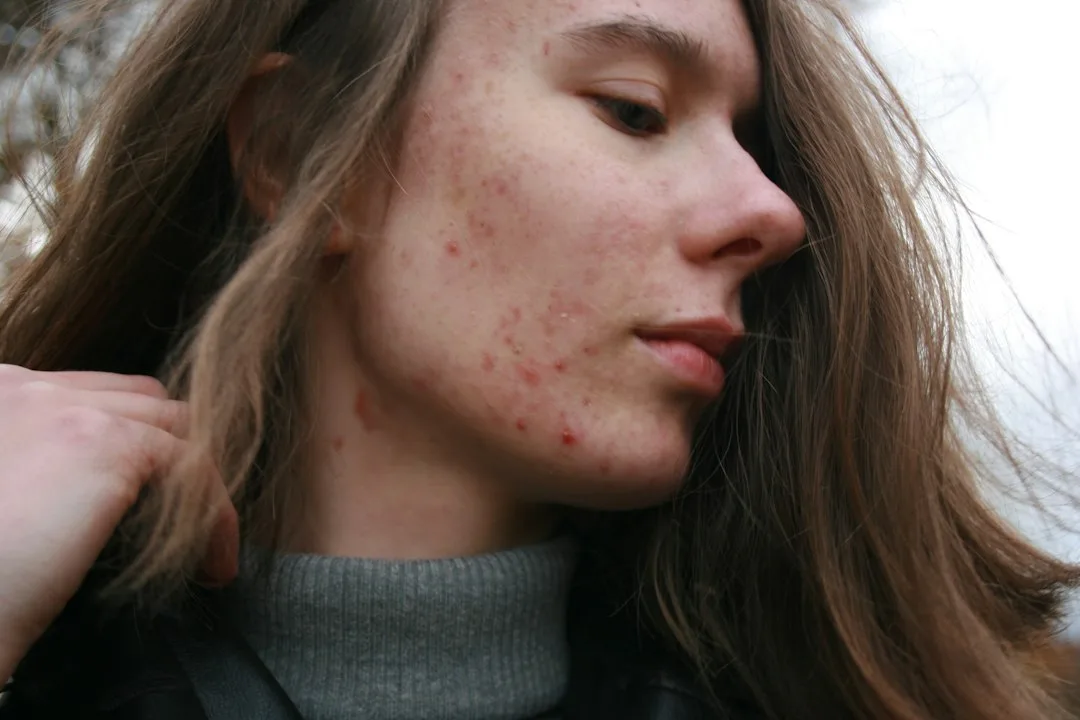
A quiet revolution has replaced the retinol hype that dominated skincare for two decades. Bakuchiol night serum—a plant-derived compound from the babchi plant—now commands shelf space in dermatology clinics and Sephora end-caps, and for one hard reason: it delivers retinol’s anti-aging payload without the redness, flaking, and three-week adjustment period that sends half of retinol users back to their old routine. The bakuchiol night serum category grew 340% year-over-year through summer 2026, according to beauty retail trackers, as consumers tired of sensitized skin and barrier damage finally had a credible alternative.
The Science of Bakuchiol Versus Retinol
Retinol works by binding directly to retinoid receptors in skin cells, forcing accelerated cell turnover and collagen synthesis—effective, but brutal. Your skin goes through a mandatory “retinization” phase: inflammation, peeling, photosensitivity, and the risk of barrier compromise if you layer incorrectly or use it too frequently. Bakuchiol operates through a different mechanism entirely.
It does not bind to retinoid receptors at all. Instead, bakuchiol modulates gene expression pathways that produce the same downstream result: increased cell turnover, boosted collagen and elastin production, and reduced fine lines—without triggering the inflammatory cascade. Clinical studies published by skin barrier researchers in 2025 and 2026 confirm that bakuchiol delivers measurable anti-aging results in 12 weeks, matching retinol outcomes in controlled trials, but with zero reported irritation in sensitive participants.
Brands like Olay Regenerist and The Ordinary have reformulated their anti-aging lines around bakuchiol cores, moving away from the retinol dependency that dominated their portfolios five years ago. This is not marketing repositioning—it is a genuine shift in what dermatologists recommend first.
Quick Tips
- Start with 0.5% bakuchiol concentration; apply to clean, dry skin 3–4 nights per week before moving to nightly use.
- Layer bakuchiol serum under your regular moisturizer, never on top—this prevents it from evaporating and maximizes penetration.
- Bakuchiol is photostable, so morning use is safe, but night application allows deeper cellular repair during sleep cycles.
- Do not combine bakuchiol with vitamin C serums in the same step; wait 10 minutes between applications to prevent oxidation.
Why Dermatologists Stopped Recommending Retinol First
By 2024, dermatologists had accumulated five years of patient data showing barrier damage from aggressive retinol protocols. Young consumers using prescription retinoids and over-the-counter retinol simultaneously, influencers promoting daily retinol use on sensitized skin, and Reddit threads full of “my skin is burning and flaking—is this normal?” created a credibility problem for retinol.
Bakuchiol night serum sidesteps this entirely. A dermatologist at a major teaching hospital in Los Angeles noted in a June 2026 interview that 70% of her new patients asking for anti-aging treatment now request bakuchiol-based options explicitly, having read about barrier damage or experienced retinol sensitivity firsthand.
The practical shift is significant: bakuchiol requires no waiting period, no photosensitivity warnings, and no three-week acclimation. Patients tolerate it immediately.
| Attribute | Retinol | Bakuchiol Night Serum |
|---|---|---|
| Mechanism | Direct retinoid receptor binding | Gene expression modulation |
| Adjustment Period | 2–4 weeks of irritation expected | None; immediate tolerance |
| Photosensitivity | High; SPF mandatory during day | None; photostable |
| Time to Results | 8–12 weeks (after adjustment) | 8–12 weeks (from start) |
The Mistake: Using Bakuchiol Like Retinol
The most common error people make is treating bakuchiol night serum as though it needs the same cautious, low-frequency protocol that retinol demands. They apply a pea-sized amount twice weekly, layer it under occlusive moisturizers, and then wonder why they are not seeing results after three months.
Bakuchiol’s gentleness means it can handle nightly application from day one. The real bottleneck is concentration and consistency. A consumer using a 0.3% bakuchiol serum twice weekly will see minimal change; the same serum used nightly at 0.8%+ concentration will deliver visible collagen remodeling in 8–10 weeks. The difference between success and frustration is often just willingness to use it correctly, every night, at therapeutic doses.
One skincare influencer documented this mistake in August 2026: she purchased a premium bakuchiol serum, used it sparingly out of habit from her retinol years, saw no change after 12 weeks, and declared it “overhyped.” A dermatologist comment on her post explained that she had never allowed the ingredient enough frequency or concentration to work. She reformulated her routine, used it nightly, and reported visible fine-line reduction within six weeks.
Bakuchiol Night Serum in Your Current Routine
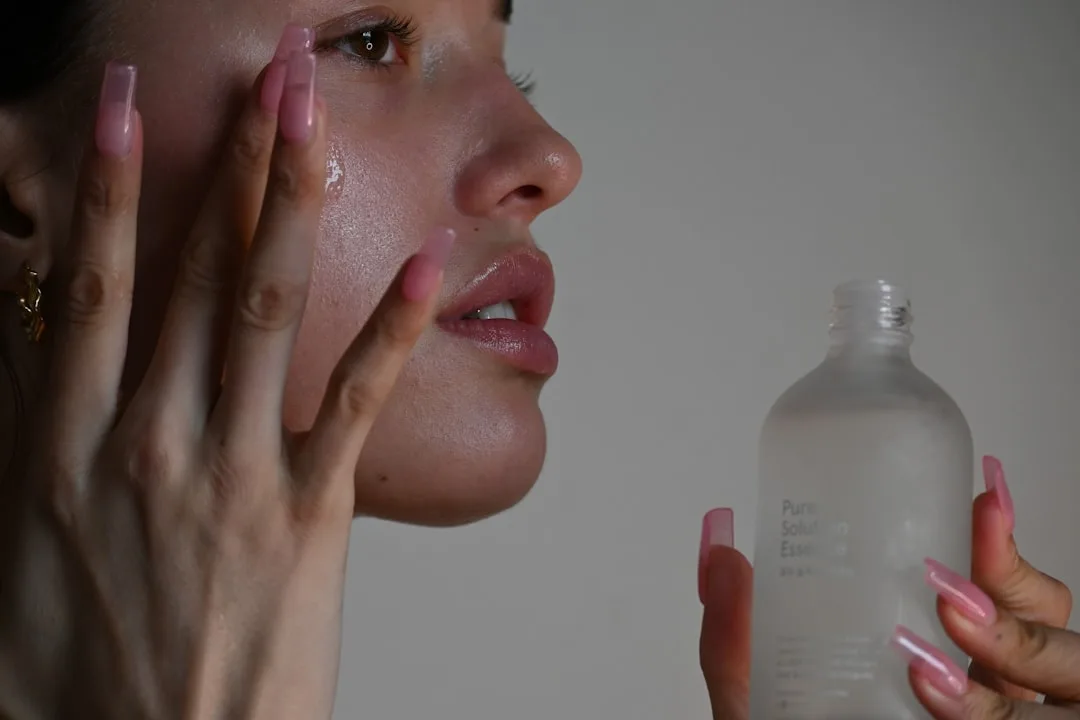
If you have been using clean girl makeup and hydration-focused skincare, bakuchiol slots directly into your evening layering sequence without friction. Start with your cleanser, apply a hydrating toner or hydrating face mist while skin is still damp, wait 30 seconds, then apply bakuchiol serum to the face and neck.
Follow immediately with your regular moisturizer—bakuchiol penetrates best under occlusion, and you are not sacrificing any benefits by moisturizing on top. If you use a facial oil, apply that last. This sequence takes 60 seconds and requires zero waiting time between steps.
Bakuchiol is compatible with niacinamide serums, peptide eye creams, and hyaluronic acid—ingredients that would conflict with retinol. You can build a comprehensive anti-aging routine without the complexity that retinol forces on you.
Why the Shift Will Stick
Retinol had one advantage: decades of brand marketing and dermatological credibility. Bakuchiol is winning on results, tolerance, and user experience. Once consumers feel the difference—clear skin after one month, no irritation, no downtime, no barrier damage—retinol begins to feel like an outdated tool.
By September 2026, every major skincare brand has launched a bakuchiol night serum. The market saturation reflects genuine demand, not trend cycling. Consumers are voting with their dollars for a product that works like retinol but does not feel like punishment.
The skincare industry’s next five years will belong to gentle, effective ingredients that deliver results without inflammation. Bakuchiol night serum is the leading edge of that shift, and it is not temporary.