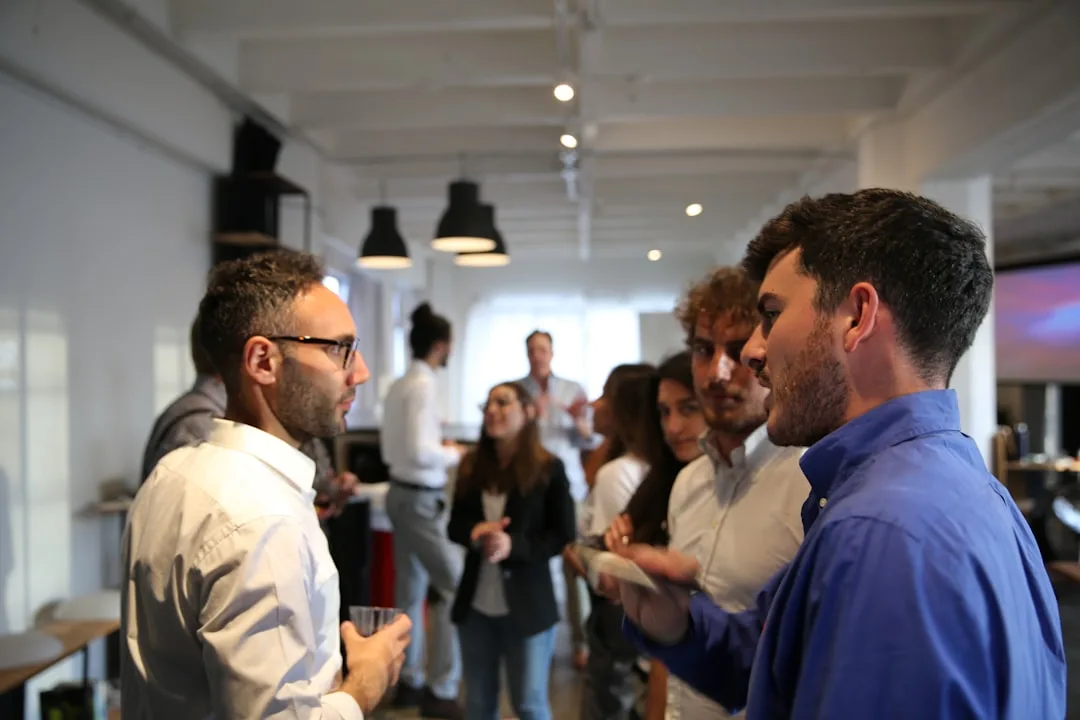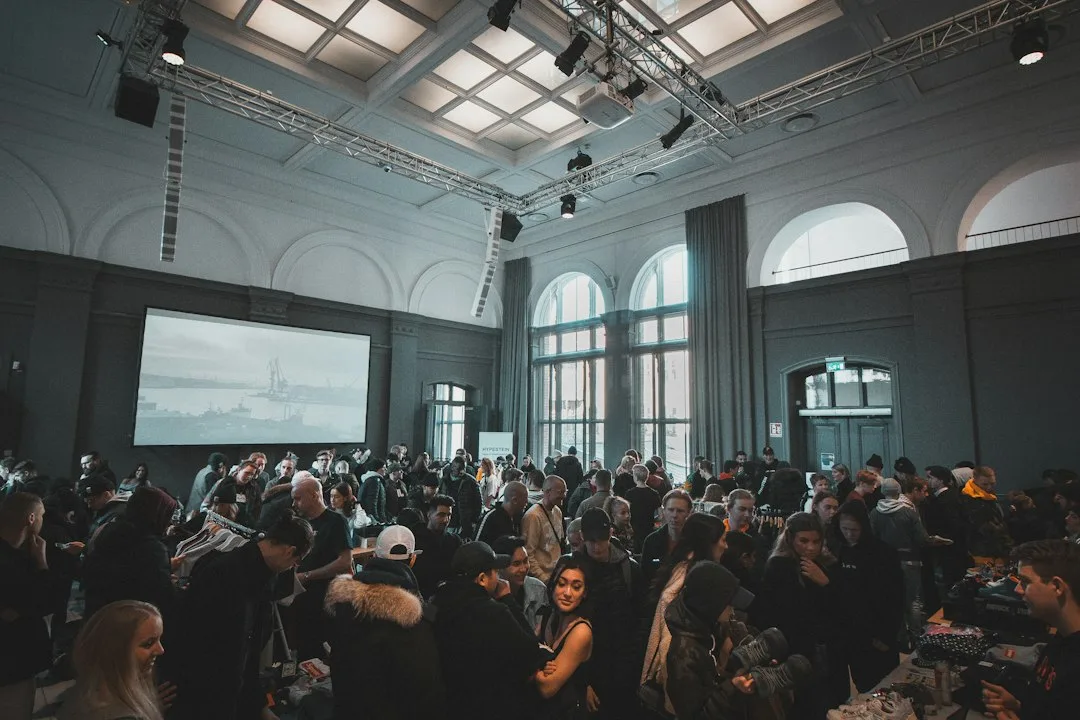
Walk into a traditional networking mixer, and you’ll see the same tired pattern: attendees clustered in corners, clutching name tags and trading contact details with zero intention of follow-up. Experiential networking events replace this hollow ritual entirely. Instead of standing with a drink and forcing small talk, professionals now gather around shared activities—cooking classes, escape room challenges, collaborative design workshops—where real conversation happens naturally. This shift isn’t cosmetic. It’s rooted in how human connection actually works.
How Activity-Based Events Deepen Professional Bonds
LinkedIn’s workplace trends data from early 2026 showed that 68% of professionals remembered attendees from experiential events months later, compared to just 12% from traditional mixers. Why? Shared activity creates what neuroscientists call “cooperative framing.” When two people work toward a goal together—assembling something, solving a puzzle, creating art—their brains release oxytocin, the bonding hormone. That’s not philosophy. That’s biology.
Companies like General Assembly and WeWork have integrated hands-on networking into their event calendars. A typical setup: attendees arrive, pair up randomly for a 90-minute workshop—woodworking, app prototyping, cocktail crafting—then transition into a casual reception where they’re already talking about what they just built together. The conversation starter isn’t “What do you do?” It’s “That was harder than I expected” or “I didn’t know you could do that.” Immediate relatability. Immediate trust.
Quick Tips
- Choose activities that level the playing field—avoid anything that rewards specific expertise and alienates newcomers.
- Keep group sizes to 8–12 per activity station so no one feels lost or ignored.
- Build 15–20 minutes of unstructured time after the activity for natural conversations to deepen.
- Ask facilitators to prompt reflection questions that encourage attendees to share something personal, not professional credentials.
What Sets Experiential Networking Apart From Passive Events
| Event Type | Connection Depth | Follow-Up Rate |
|---|---|---|
| Traditional Cocktail Mixer | Surface-level small talk | 5–10% |
| Panel + Q&A | Audience passivity | 8–15% |
| Experiential Workshop | Collaborative problem-solving | 45–60% |
| Speed Networking + Activity | Structured + organic interaction | 35–50% |
The data speaks clearly: experiential events generate 4–6 times more meaningful follow-ups than passive formats. A marketing professional attends a traditional mixer, exchanges cards with 15 people, and contacts maybe one. That same person attends a ceramic painting workshop, shares laughs about their (deliberately) lopsided bowl with four others, and actively reaches out to all of them within a week.
The mechanism is emotional residue. You remember how someone made you feel during that activity, not what their job title was. Trust follows naturally.
Common Mistakes That Kill Connection at Experiential Events
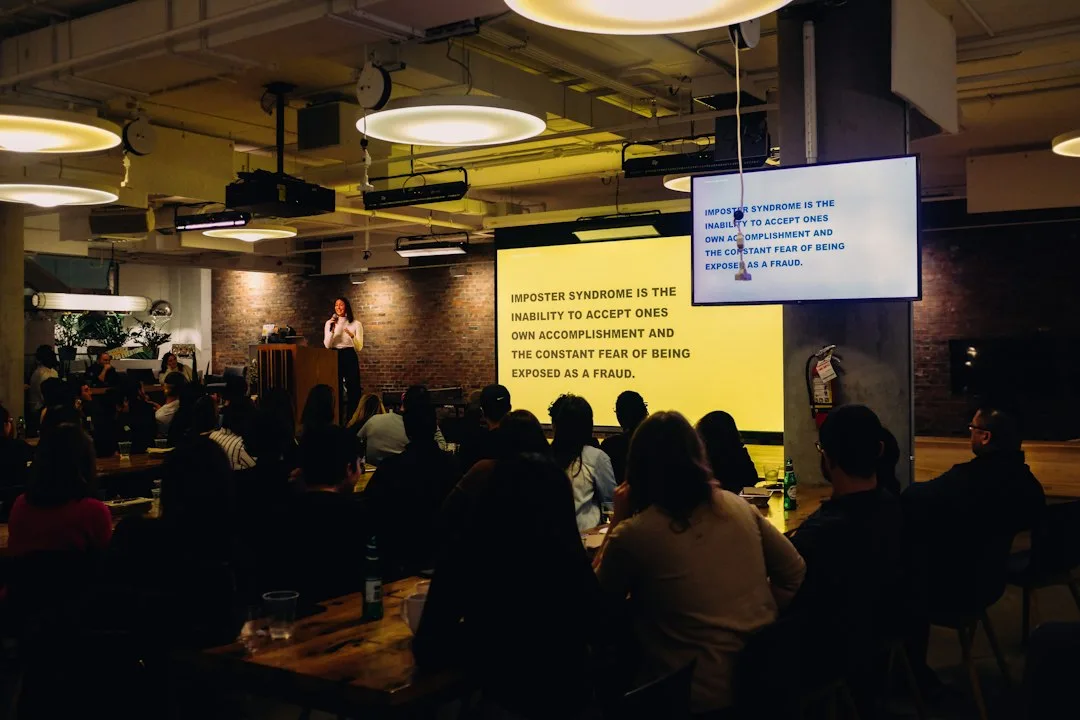
The #1 failure point: organizers treat the activity as window dressing, not the centerpiece. A real example—a tech recruiter hosted a “networking brunch with a paint-and-sip backdrop.” Attendees sat at assigned tables, ate, listened to a 20-minute recruiter pitch, then got 10 minutes to paint. The activity felt rushed and tacked-on. Result: attendees left feeling like they attended a sales presentation with props, not a genuine collaborative experience.
The fix is counterintuitive: shrink the formal agenda. Give the activity 60–75% of the event time, and let networking emerge naturally around it. One Chicago-based financial services firm switched to a format where attendees spent 90 minutes in small teams designing a mock investment portfolio, then had 30 minutes of casual debrief. Attendance jumped 40% the following quarter because people actually wanted to come back.
A second mistake: activities that feel too “fun” and disconnected from professional life. A yoga session is nice, but it doesn’t create work-relevant bonds. The best experiential events mirror real-world professional challenges in a low-stakes environment—product design sprints, case study challenges, content creation workshops. Attendees leave thinking “I’d want this person on my team,” not just “That was a pleasant afternoon.”
Why Corporate Teams Embed Experiential Events Into Retention Strategy
Experiential networking isn’t just for external events anymore. Corporate Team Building Events 2026 — Why Hybrid Experiences Drive Employee Retention shows how companies are embedding hands-on activities into internal culture. Deloitte, Amazon, and Salesforce now allocate quarterly budgets for in-house experiential team events—not the tired trust falls, but real activities like mini-hackathons, cross-functional design sprints, or mentorship exchange workshops.
The business case is solid. Employees who participate in experiential bonding activities show 23% higher engagement scores on internal surveys and stay an average of 18 months longer at organizations. When people build something together, they become invested in each other’s success.
Scaling Experiential Events Without Losing Intimacy
Large organizations ask the same question: How do we run experiential events for 300 people without crushing the intimate experience that makes them work? The answer is parallel tracks and rotating cohorts. A Fortune 500 financial services company hosts monthly workshops where 40–50 employees rotate through four simultaneous 90-minute activities across different departments, then reconvene for a final 30-minute showcase and reception. Attendees bond deeply within their activity group, but the overall event serves hundreds annually.
Venue partners like Eventbrite and Splash are now offering modular experiential packages—pre-designed workshops, activity kits, and facilitator training that scale from 20 to 500 attendees. Pricing follows a per-person model that makes the math work for large organizations without compromising quality.
As we move deeper into fall 2026, the shift away from transactional networking feels permanent. Professionals are increasingly selective about where they invest their time. Destination Wedding Events Drive Luxury Travel Growth in 2026 shows similar logic—people want experiences, not just occasions. Experiential networking captures that psychology. You attend because the event itself has value, not just the potential contacts. Everything else follows from there.