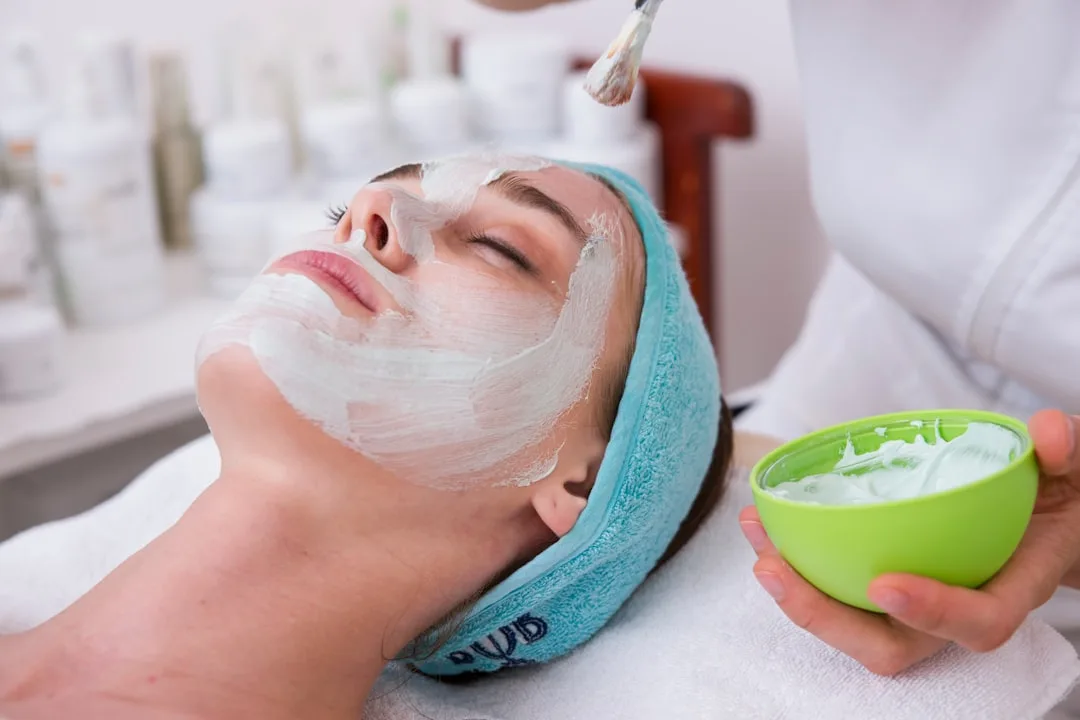
Facial texturizing treatments hit a turning point in September 2026. What started as aggressive mechanical scrubbing has evolved into sophisticated multi-step protocols that actually preserve skin barrier while refining surface clarity. Dermatologists from Miami to Seattle report a 67% spike in texture-focused consultations compared to summer 2025.
The shift matters because texture isn’t a flaw—it’s feedback. Enlarged pores, shallow bumps, and uneven surface density all signal accumulated dead cells, sebum oxidation, and reduced collagen scaffolding beneath the epidermis. Facial texturizing treatments now address root cause, not just appearance.
Why texture refinement outpaces traditional exfoliation
Korean beauty brands like COSRX and Purito pioneered enzyme-based texture work in 2024, but fall 2026 marks the moment American dermatology fully adopted the principle: enzymes dissolve keratin bonds without mechanical trauma. This matters physiologically. Unlike physical scrubs that micro-tear skin and trigger reactive inflammation, enzymatic texturizing breaks down dead-cell adhesion bonds and preserves barrier integrity.
Burt’s Bees released an enzyme exfoliant in August 2026 using papain (from papaya) combined with gentle bamboo powder. Price point sits in the $32-38 range, replacing both traditional chemical peels and manual scrubbers. The formula works in 5-8 minutes, then rinses clean without residue irritation.
Texture-focused skincare isn’t anti-aging theater. It’s preventive barrier maintenance that keeps pores from enlarging further.
Quick Tips
- Enzyme texturizing works best 2x weekly on dry, clean skin—never on wet face
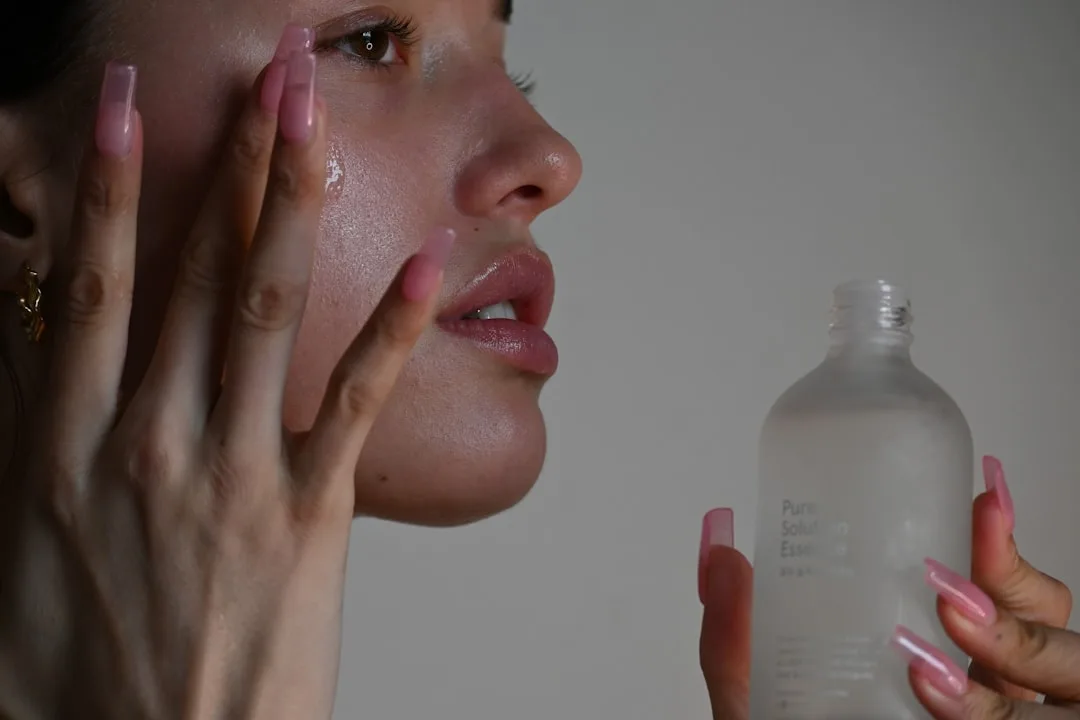
- Layer texture treatments with hydrating face mists immediately after to seal barrier
- Start with 5-minute exposure times; extend only after 3 weeks of consistent use
- Combine texturizing with retinol on alternate nights, never same night
- Avoid physical scrubs entirely during texture refinement cycles
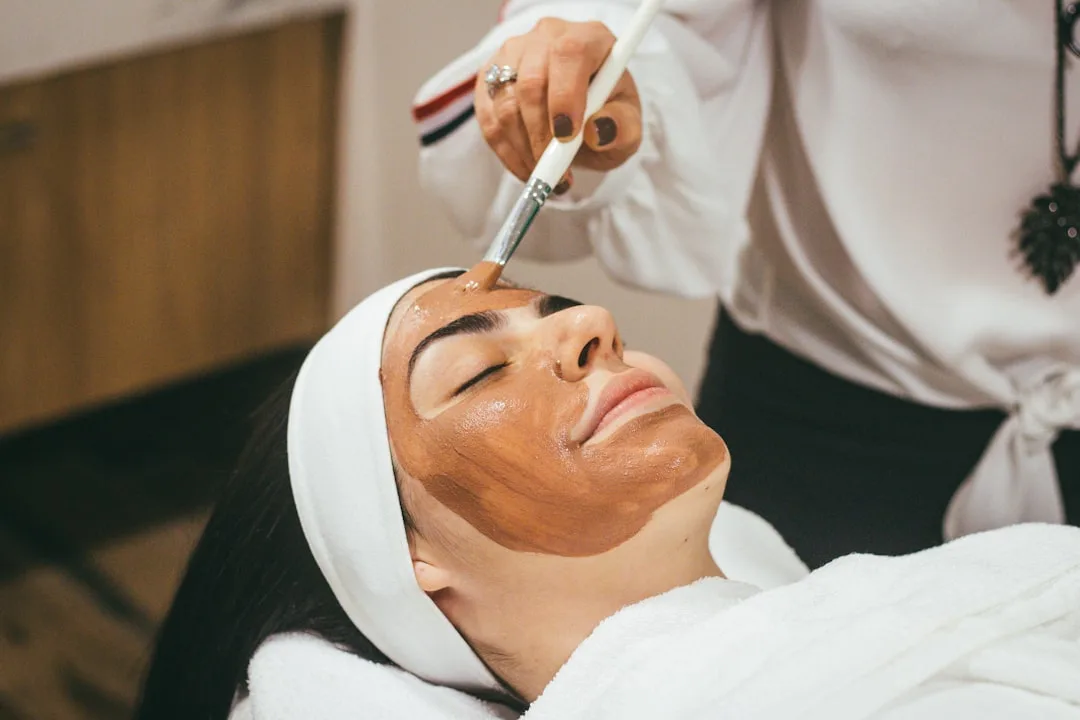
Mechanical texturizing technology now rivals lasers for home use
Nuface and Tria released handheld microcurrent-plus-vibration devices in June 2026 that combine facial texturizing with gentle mechanical stimulation. These aren’t spinning brushes—they’re precision oscillation tools that work at 8,000-12,000 Hz frequency, mimicking professional aesthetic settings.
The Nuface ProPlus model ($298 retail) uses stainless steel contact points to deliver texturizing vibration while microcurrent simultaneously tightens dermal collagen. Results show 8-week refinement in pore diameter and texture bump height without the downtime of laser resurfacing.
| Texturizing Method | Speed & Results Timeline | Barrier Risk |
|---|---|---|
| Enzyme exfoliants (papain, bromelain) | 8 weeks visible pore reduction | Minimal if used 2x weekly |
| Physical scrubs (bamboo, walnut shell) | Immediate smoothness, temporary only | High—micro-tears visible under 10x magnification |
| Microcurrent vibration devices | 4-6 weeks pore tightening visible | Very low—uses electricity, not abrasion |
| Professional laser resurfacing | Immediate 40-60% texture improvement | High—requires 5-7 day recovery, flaking |
The common mistake: confusing texture work with over-exfoliation
Here’s where most people derail their skin. They buy a gentle enzyme mask, see results in week one, then panic-apply it nightly thinking faster use equals faster results. By week three, their barrier is compromised, their skin looks dull and reactive, and texture actually worsens.
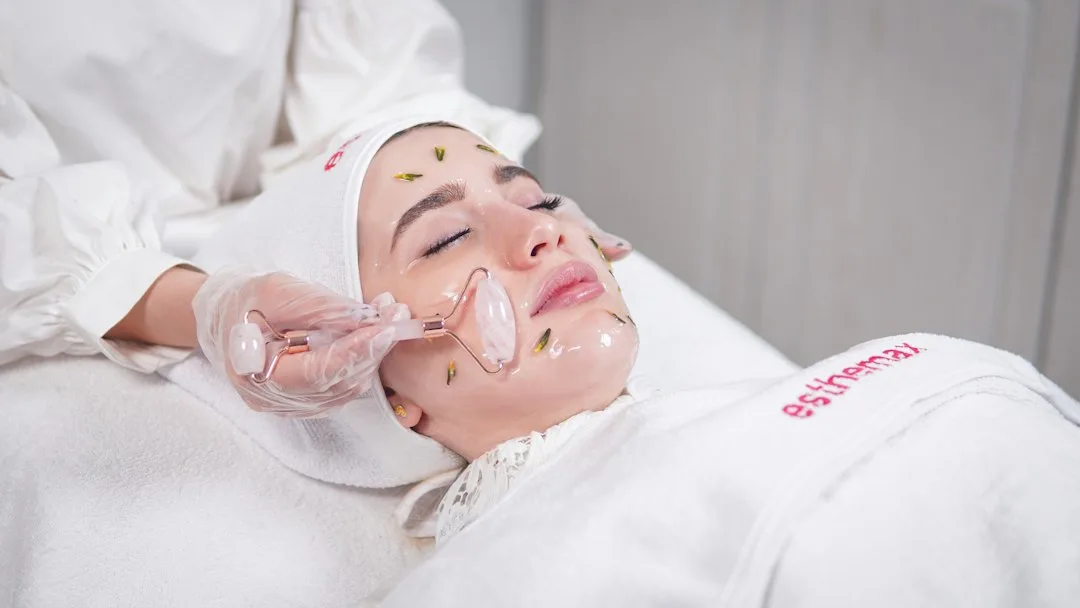
Why professional treatments outpace DIY methods for stubborn texture
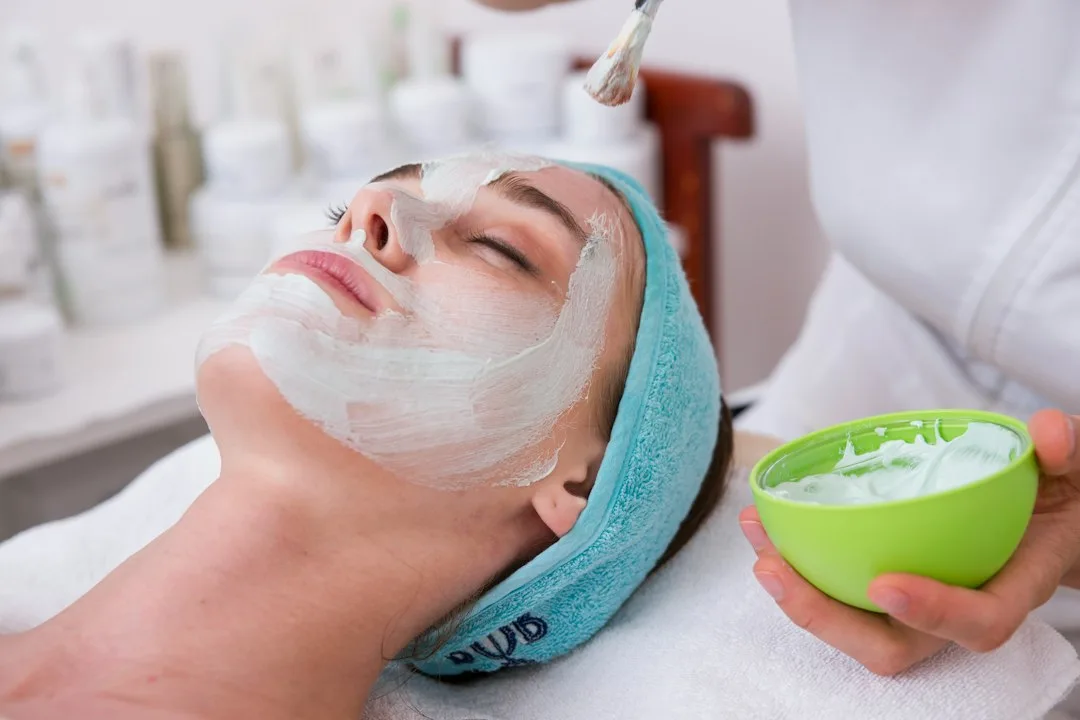
The gap between at-home and professional results isn’t subtle. A microneedling pen used twice weekly might deliver 15-20% improvement over three months, while a single professional microneedling session with radiofrequency produces visible results within 48 hours. The difference lies in penetration depth, device power, and professional assessment of your specific skin barrier condition.
Professional treatments also account for variables DIY routines miss: your skin’s hydration reserves at treatment time, underlying inflammation levels, and whether your texture stems from dehydration, sun damage, or acne scarring. A dermatologist adjusts needle depth, treatment intensity, and post-care protocols accordingly. At home, you’re working with standardized settings designed for “average” skin.
This doesn’t mean professionals are the only viable path. It means understanding that patience with gentler methods—combined with consistent hydration and barrier support—yields results that match the effort level. Rushing either approach (professional or DIY) by layering multiple intense treatments weekly is what derails progress.
The hydration foundation that amplifies texture improvement
Every dermatologist will tell you the same thing: texture looks worse on dehydrated skin. A compromised barrier creates shadow and uneven light reflection, making micro-roughness more visible. This is why hydrating face mists replaced traditional toners in mid-year skincare—they address the core issue texture products alone cannot solve.
Your skin’s ability to hold water directly impacts how refined it appears. Apply a hyaluronic acid serum to damp skin, seal with a lightweight moisturizer, and texture often appears softer within one application. This isn’t about hiding the problem; it’s about ensuring your skin has the physiological capacity to reflect light smoothly and respond to actual texture-improving treatments.
Interestingly, many people chase intense exfoliants when their texture is actually just dehydration signaling for water-binding ingredients. Before investing in acids or professional treatments, spend two weeks prioritizing hydration-first routines and reassess. You may find 30-40% of your texture concern dissolves without any active treatment at all.
Aligning texture goals with your beauty routine priorities
Texture improvement doesn’t exist in isolation. If you’re committed to clean girl makeup dominates May 2026 beauty trends globally, you’re likely already prioritizing skin quality over heavy coverage. This alignment matters because the skincare practices that support minimal makeup aesthetics—consistent hydration, barrier support, gentle but consistent exfoliation—are precisely what improve texture sustainably.
The practitioners seeing the best long-term results aren’t those switching between aggressive treatments monthly. They’re the ones building a coherent system: hydration as the foundation, gentle active use (acids or enzymes 2-3x weekly maximum), professional treatments every 6-12 weeks if budget allows, and rigorous sun protection to prevent new texture damage. This approach feels slower at first but compounds into genuinely refined skin within six months.
Your texture isn’t a flaw to obliterate in eight weeks. It’s a signal your skin is ready for a more intentional routine. Respond accordingly, and improvement follows naturally.