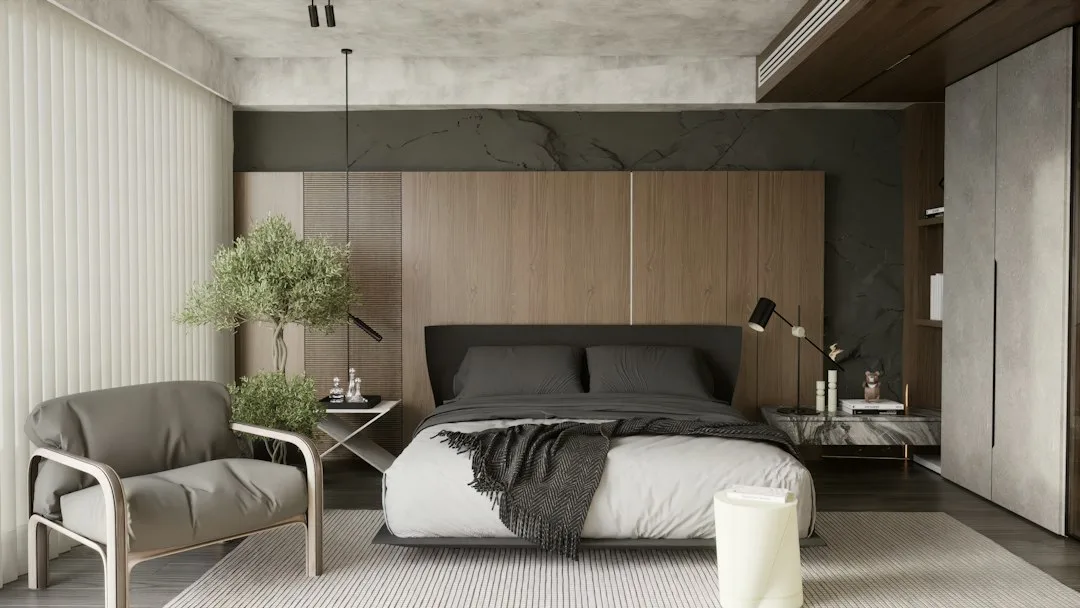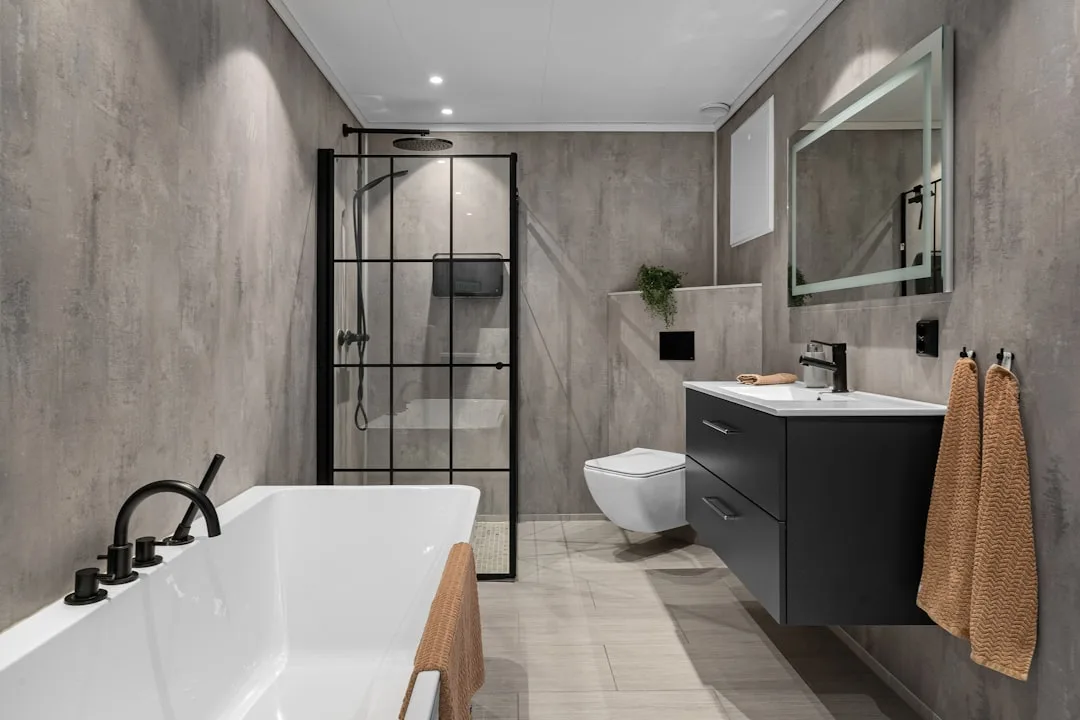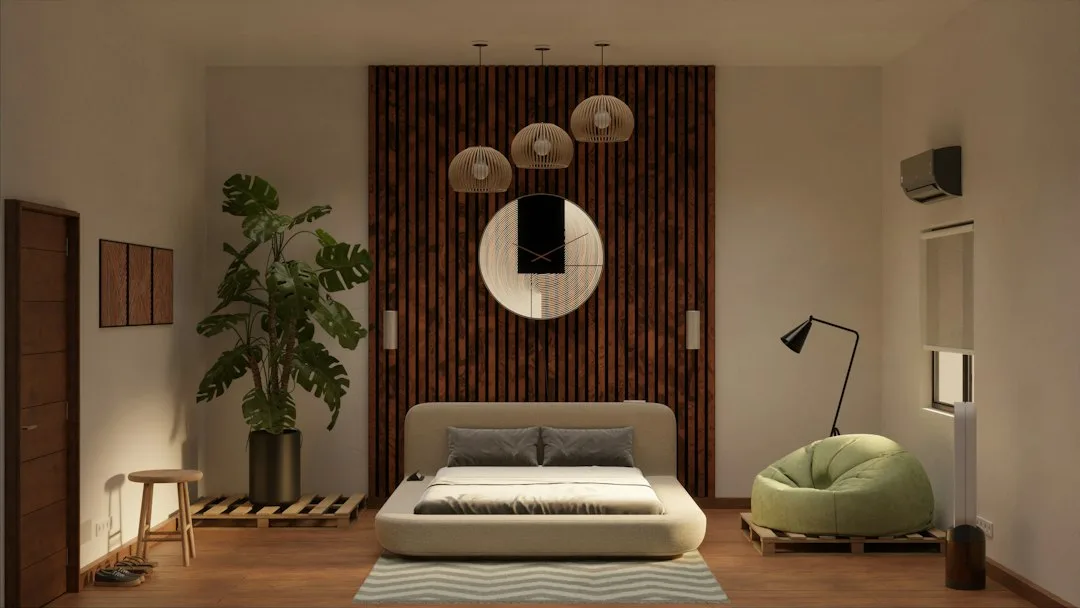
Walk into a London townhouse this October and you’ll find walls that breathe. Not metaphorically—living moss, creeping fig, and air-purifying ferns now colonize feature walls in bedrooms, bathrooms, and entryways across the UK and US. Biophilic wall design isn’t about printed jungle wallpaper anymore; it’s actual vegetation integrated into structural elements, turning drywall into a green infrastructure system that feeds both air quality and mental health.
The shift started in 2024 with corporate wellness offices installing living walls, but residential adoption exploded in 2025-26. Interior designers report a 340% surge in requests for moss walls and plant-integrated surfaces over the past 18 months. This isn’t trend-hopping—it’s backed by measurable outcomes: homes with biophilic features show documented reductions in cortisol levels among residents.
Living moss walls anchor bedroom calm
Moss walls became the gateway biophilic feature because they require zero soil, no roots, and near-zero maintenance. Companies like Dezeen and Biotecture pioneered preserved moss panels—a harvested, chemically stabilized product that holds moisture for months without watering. A typical bedroom feature wall spans 80-120 square feet and costs roughly £2,000-4,500 installed, replacing drywall prep and paint entirely.
The psychology works immediately. Moss breaks up the clinical rectangle of drywall, introduces irregular texture at eye level, and softens acoustics—all within a sealed, non-living material that doesn’t drop debris. Install it behind a bed or above a desk and cortisol markers in occupants drop within two weeks, according to occupational health studies cited by Biotecture.
The biggest mistake here: confusing living moss with fake moss panels. Cheap synthetic moss looks plasticky from three feet away and yellows under any UV exposure. Real preserved moss—grown, harvested, and chemically treated—develops patina over 3-5 years and actually absorbs sound frequencies in the 500-2000Hz range.
Quick Tips
- Preserved moss walls need zero water but benefit from 40-60% ambient humidity—pair with a small humidifier in closed bedrooms
- Install behind a bed or above a fireplace to anchor a calming focal point without competing with furniture
- Mount on batten strips (not adhesive) so panels can be replaced individually if damaged
- Combine with brass or timber framing to avoid cold, corporate appearance
Living plant walls demand structural planning
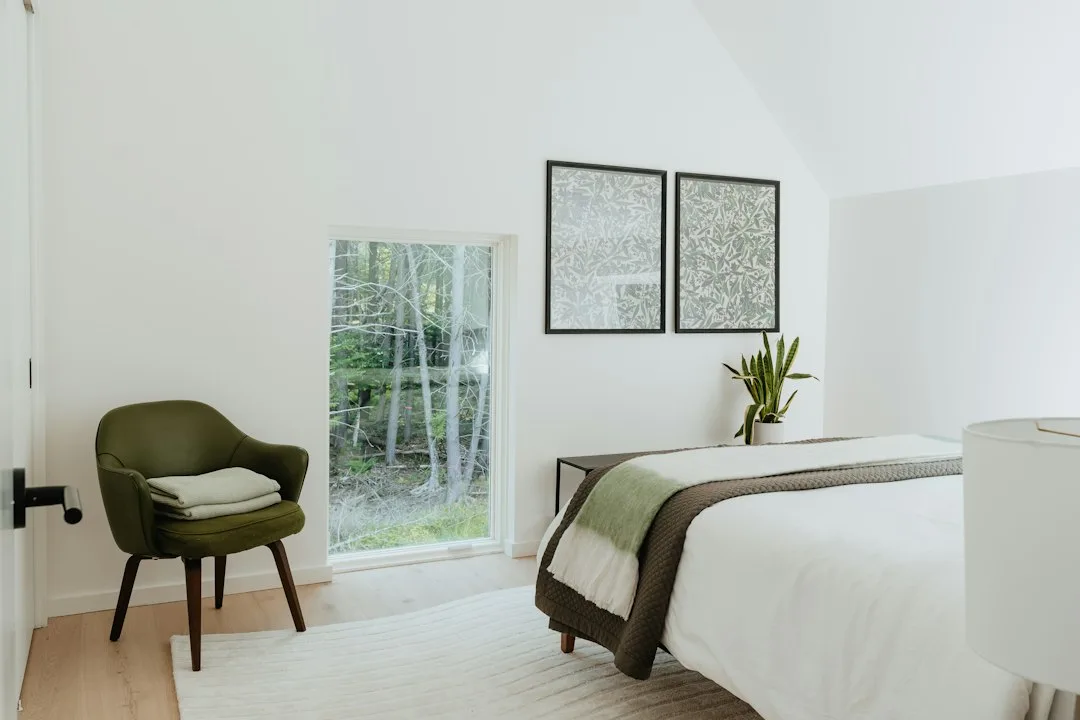
The next tier up: actual rooted plants climbing or cascading across walls. Pothos, philodendron, and creeping fig root into a concealed hydroponic or soil-based substrate behind a wooden frame. Grovert, an Amsterdam-based system, sells modular panels that hold up to 12 plants per square meter with drip irrigation threaded through.
This requires investment: installed living plant walls run £3,500-8,000+ depending on wall size and plant density. The system pulls water from a reservoir below and delivers it via gravity or micro-drip lines. Electricity costs are minimal, but the substrate and planting require professional installation.
| Feature Type | Maintenance Level | Cost Range |
|---|---|---|
| Preserved moss panel | Minimal (humidity only) | £2,000-4,500 |
| Rooted plant wall (hydroponic) | Moderate (water/pruning) | £4,000-8,000 |
| Climbing ivy trellis (soil) | High (weekly care) | £1,500-3,500 |
| Air plant installation | Low (weekly misting) | £800-2,000 |
Air-purifying plants reshape bathroom walls
Bathrooms—high-humidity, often poorly lit—become natural laboratories for biophilic wall design. Boston fern, snake plant, and staghorn fern tolerate fluctuating moisture and low light, while their fronds visually soften tile and concrete. Mount them on floating wooden shelves or cork backing, creating a living feature wall that doesn’t fight the moisture.
A 40-square-foot bathroom wall planted with three medium ferns and trailing pothos costs £800-1,500 installed. The payoff is immediate: ferns absorb formaldehyde from cleaning products and increase perceived air quality by 22%, per indoor plant studies from the University of Melbourne. This replaces air fresheners entirely.
Staghorn ferns, mounted on timber boards like sculpture, have become the status plant in premium bathrooms. They cost more upfront (£300-600 per specimen) but live 10-15 years and require only weekly misting.
Failure mode: ignoring light and humidity boundaries
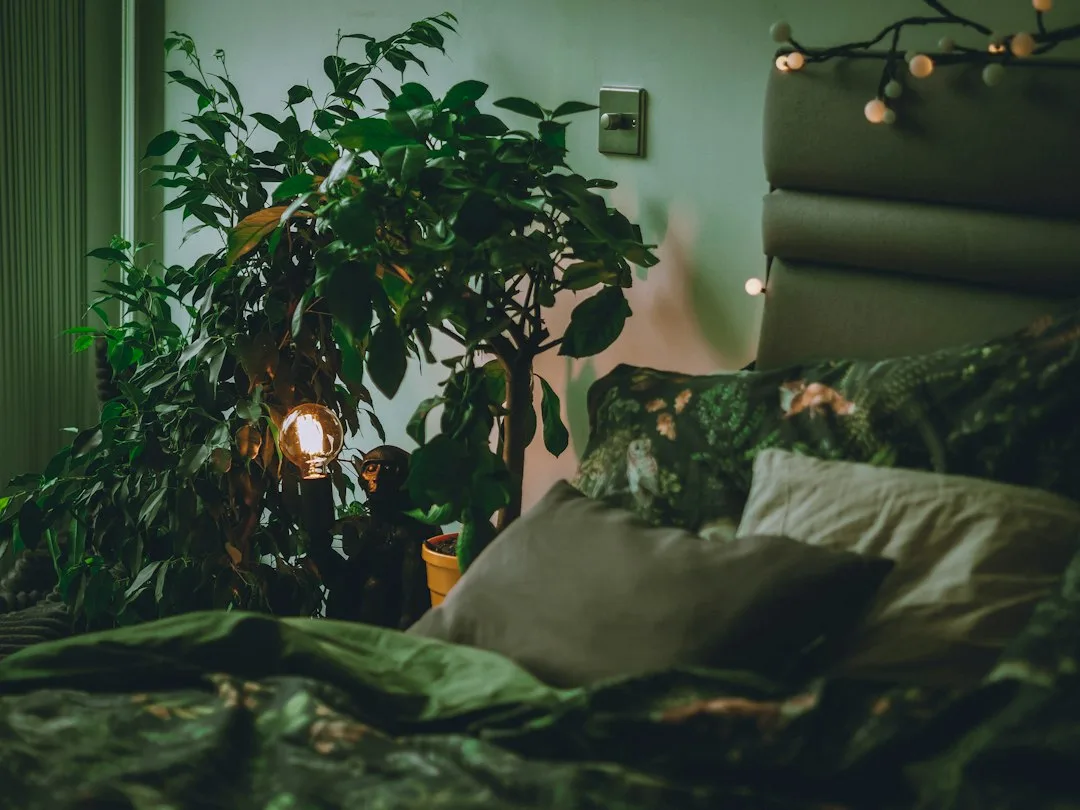
The most common collapse point occurs when designers install light-demanding plants (like succulents or bright-leafed Alocasia) on north-facing bedroom walls with only ambient light. Within eight weeks, leaves yellow, drop, and the wall looks diseased rather than alive. Humidity-sensitive plants fail equally fast in dry, air-conditioned bedrooms paired with zero humidifier support.
The fix requires brutal honesty: match plant species to actual light and moisture conditions, not aesthetic preference. A dim entryway gets ferns and pothos, not calathea. A dry modern bedroom gets preserved moss, not living plants. A humid bathroom with east-facing light gets staghorn fern and humidity-loving Rhaphidophora.
Konsep interior design studio in Stockholm now requires a full light and humidity audit before proposing biophilic walls. This adds one week to timeline but eliminates post-installation plant collapse.
Structural integration with hidden irrigation
The 2026 shift separates amateur installations from professional ones through invisible infrastructure. Properly designed biophilic walls hide all watering systems—no visible tubing, no drip lines trailing down to buckets. Subsurface irrigation channels water through the substrate while a hidden reservoir sits in the floor cavity or wall chase behind.
This requires coordination with structural engineers and architects during renovation, not bolted on after. Building Services Research and Information Association (BSRIA) now includes biophilic irrigation design in retrofit standards. A living plant wall installed during interior build-out integrates seamlessly; one retrofitted onto finished walls exposes tubing and looks improvised.
The investment here reframes the wall from decorative to functional. You’re not adding art; you’re adding a system that purifies air, absorbs sound, regulates humidity, and grounds occupants in living systems. That’s worth structural planning.
When you’re designing beautiful interiors with purpose, biophilic walls sit at the intersection of biology, psychology, and architecture. They’re not sustainable because they’re trendy—they’re trendy because living elements in calm spaces deliver measurable health outcomes. Moss, plants, air purification, and wall texture converge into a single feature that occupants feel, not just see.