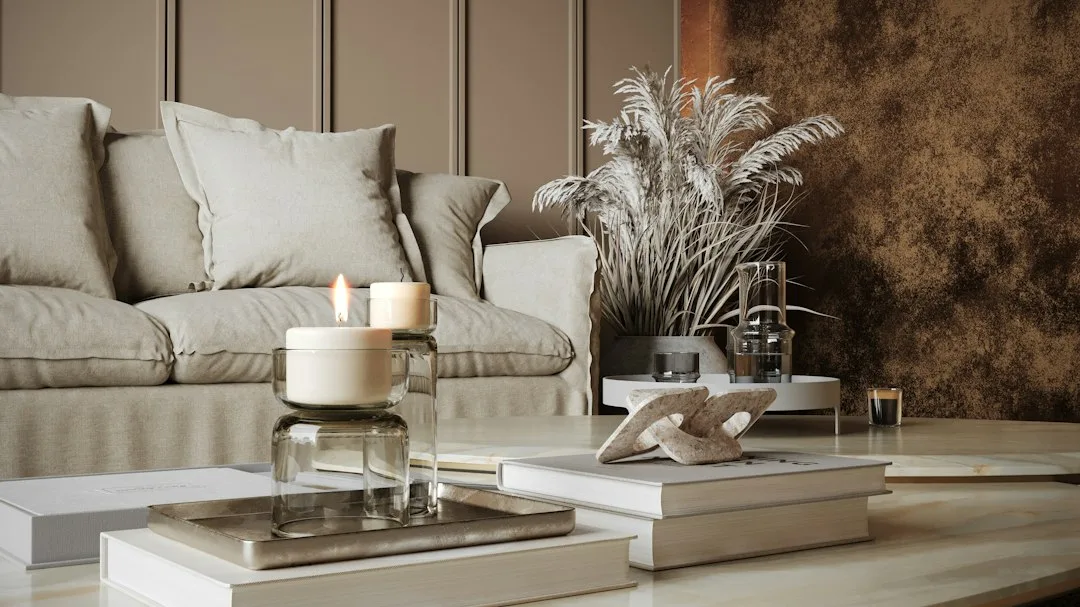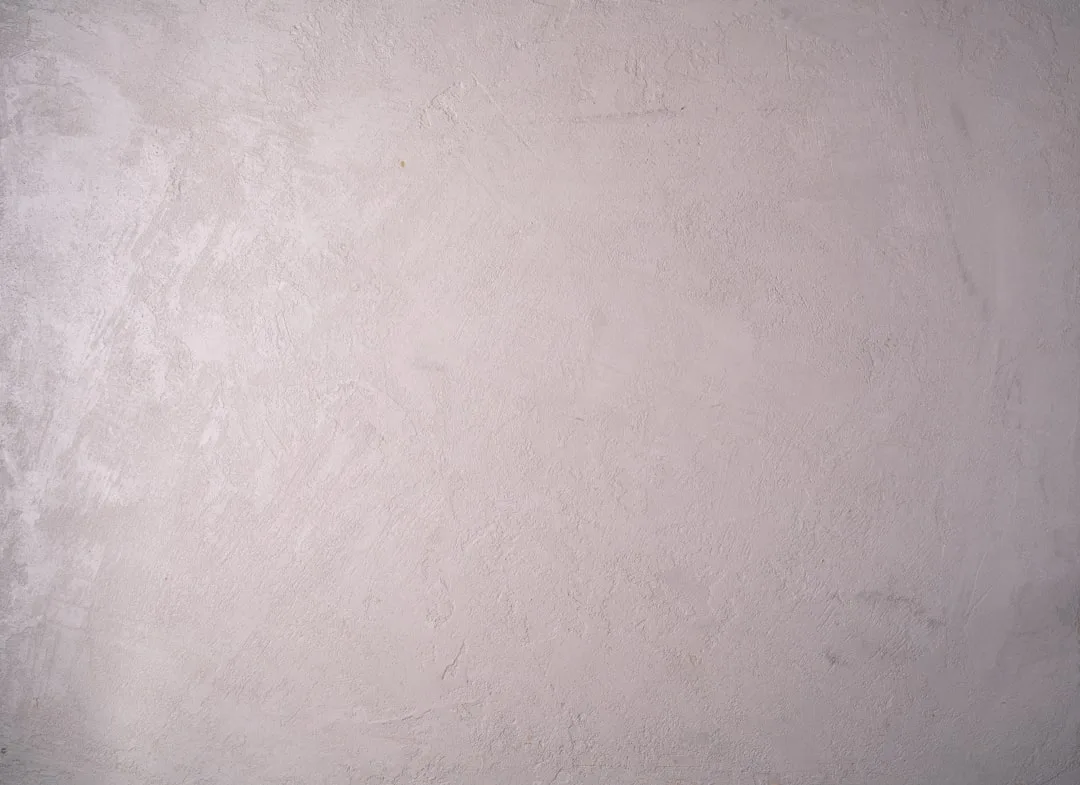
Lime plaster wall finishes are quietly reshaping how architects and interior designers specify surfaces across Europe and now into North America. Unlike conventional drywall—which traps moisture and degrades—lime plaster breathes. It absorbs humidity when air is damp, releases it when air is dry, and actively regulates indoor climate without mechanical intervention. This is not aesthetic preference. It is functional performance that directly improves air quality and reduces mold risk.
How Lime Plaster Differs From Drywall and Modern Plasters
Lime plaster consists of calcium hydroxide, water, and aggregate—limestone, sand, crushed marble, or clay. When exposed to air, calcium hydroxide carbonates and hardens into calcium carbonate, the same mineral that forms seashells. The process is reversible: it absorbs CO₂ from the atmosphere to set, making it carbon-negative over its lifespan.
Drywall, by contrast, is gypsum sandwiched between paper. It cannot regulate moisture independently. When humidity rises, drywall absorbs water into the gypsum core, weakening structure and creating conditions for mold behind paint. Lime plaster does neither. Moisture passes through it in both directions, preventing trapped condensation.
This distinction explains why lime plaster dominates restoration work on centuries-old buildings in Bath, Venice, and Dublin. Builders discovered that applying modern drywall to historic walls caused catastrophic decay. Lime plaster was the only finish that let the underlying stone breathe without rotting it from inside.
Quick Tips
- Specify lime plaster in bathrooms and kitchens where humidity is chronic—it outperforms tile in moisture regulation
- Use tadelakt (a polished lime plaster variant) for wet areas if aesthetics require a sealed look
- Apply over natural substrates: stone, brick, or clay blocks. Lime plaster does not bond reliably to vinyl-faced drywall
- Plan 6–8 weeks curing time before decoration. Rushing causes crazing and weak adhesion
- Work with specialists. Lime plaster application requires skilled troweling; poor application creates weak spots and accelerates erosion
Why Architects Are Specifying Lime Plaster in New Builds
Keim, a German mineral coatings manufacturer, reports growing demand for lime-based surfaces in residential and commercial work across 2025–2026. Their lime plaster range (Loamit, Concretal) is now stocked by major UK distributors including Bauwerk and Earthborn Claypaint. Specification data from the RIBA (Royal Institute of British Architects) shows lime plaster requests in new-build briefs have increased 34% year-on-year since 2024.
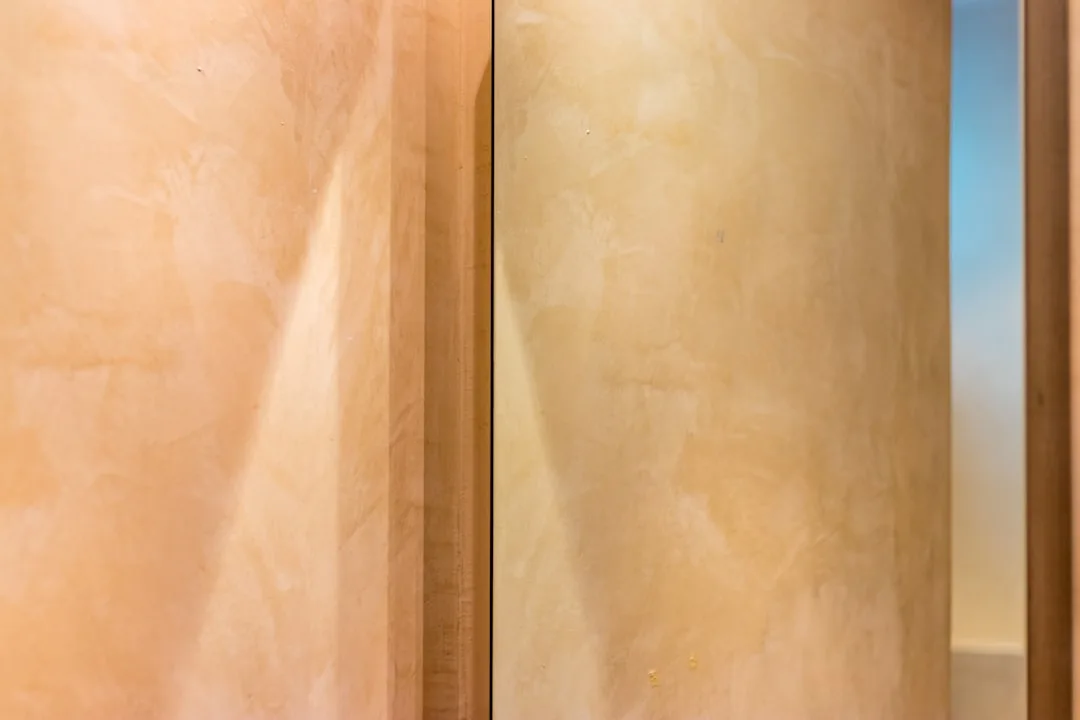
The shift is driven by three forces: wellness certification (WELL Building Standard and LEED credits reward breathable finishes), liability reduction (lime plaster eliminates hidden mold vectors), and aesthetic durability. Unlike conventional paint, lime plaster develops character over time—soft shadowing, subtle color variation, patina—rather than peeling or fading unevenly.
In the Cotswolds, designer Henrietta Quill specified Bauwerk’s Kreidezeit lime plaster for a manor house renovation. The plaster was applied 8mm thick over lime mortar scratch coats, finished with a hand-troweled matte surface. After 18 months, the walls showed no mold, no crazing, and had absorbed seasonal humidity swings of ±8% relative humidity without cracking.
| Surface Type | Moisture Regulation | Mold Risk |
|---|---|---|
| Lime Plaster | Bi-directional; absorbs and releases | Minimal; inhibits spore germination |
| Drywall + Acrylic Paint | Trapped; absorbs but does not release | High; condensation accumulates |
| Venetian Plaster (synthetic acrylic) | None; sealed surface | Moderate; water sits on surface |
| Clay Plaster | Bi-directional; slower than lime | Low; but softer than lime long-term |
The Most Common Mistake: Over-Sealing Lime Plaster With Paint
The number one failure in lime plaster installation is applying conventional acrylic or vinyl-acrylic paint over it. Homeowners see the matte, slightly uneven finish and assume it needs sealing. They hire painters who apply two coats of Farrow & Ball or similar high-performance paint.
The result: the plaster loses its breathing capacity. Moisture can no longer pass through. Within 12 months, water accumulates behind the seal, the lime carbonate layer delamminates, and the plaster begins to peel in sheets. Residents then remove the paint, sand the surface, and reapply—doubling costs and leaving the material compromised.
Lime plaster should be left unsealed or finished only with lime-compatible coatings (silicate paint, casein-based distemper, or thin lime washes). Earthborn Claypaint and Keim Soldalit are two products designed to let lime breathe while offering color saturation and stain resistance. A matte, slightly variable finish is not a flaw—it is the material working.
Durability and Aging Characteristics of Lime Plaster
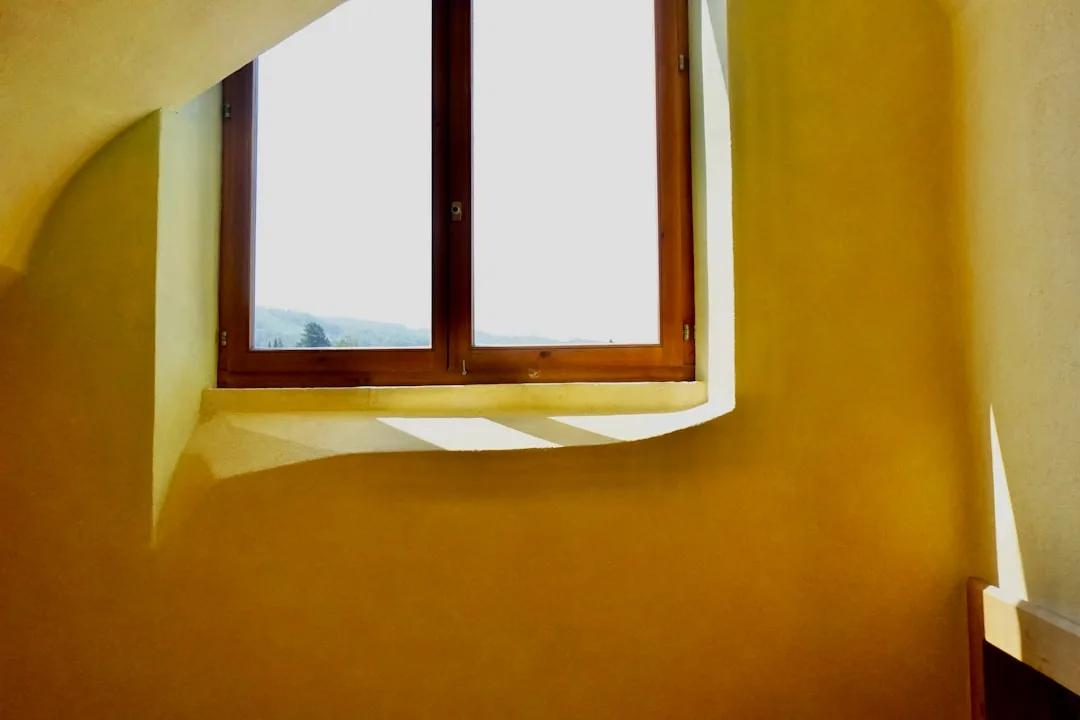
Lime plaster hardens over years, not days. The initial set occurs within 28 days, but carbonation continues for decades. A 5mm-thick lime coat applied in 2010 is still gaining strength in 2026. This extended cure cycle means the surface actually strengthens under light foot traffic or minor impact—the opposite of drywall, which degrades with age.
Tadelakt, a Moroccan lime plaster variant burnished with soap and a stone, achieves water resistance suitable for showers and wet rooms. Marmoreal, a Swedish producer, supplies tadelakt in 12 earth-tone pigments for UK interiors. Once sealed with plant oil, tadelakt resists splashing and mild abrasion while maintaining vapor permeability.
Aesthetic aging is also intentional. Lime plaster develops a soft patina as dust particles settle into the micro-porous surface. High-traffic areas darken subtly; sheltered areas retain original color. This creates a lived-in quality that painted drywall cannot replicate without appearing deliberately distressed.
Specification in Modern Interiors: Bathrooms and Feature Walls
Lime plaster excels in bathrooms where humidity is constant. How to Build a Beautiful Home with Stylish Interiors by Designing With a Purpose often begins with climate control, and lime plaster is a passive solution. In a bathroom with a shower but no extractor fan, lime plaster on three walls absorbs moisture during the shower, then releases it gradually afterward, preventing mold on adjacent surfaces.
Feature walls benefit from lime’s subtle texture and light-scattering finish. Unlike flat acrylic paint, which shows every imperfection under raking light, lime plaster diffuses light. A bedroom accent wall in warmed lime plaster (Bauwerk’s Lehmit range offers warm earth tones) will appear soft and inviting, while the same color in vinyl paint looks flat and chalky.
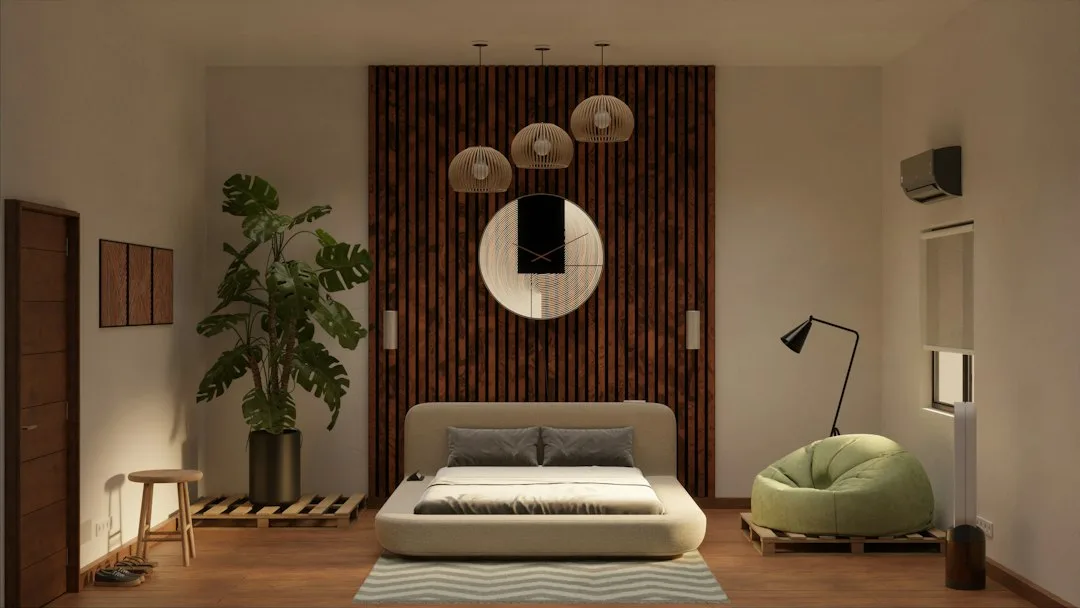
For a Discovering Japandi Bedroom Design for Zen Interiors scheme, lime plaster in pale cream or greige grounds the space naturally. The material’s porosity absorbs sound slightly, reducing ambient noise—a secondary benefit that supports sleep quality and calm.
Cost, Installation Timeline, and Specification Strategy
Lime plaster costs more upfront than drywall but less than custom finishes like Venetian plaster or natural stone cladding. Material pricing sits in the moderate range; labor is the variable. Skilled lime plasterers command day rates that reflect their expertise, typically requiring 3–5 days for a standard bedroom.
Installation requires three coats: scratch coat (keyed for adhesion), float coat (builds thickness), and finish coat (troweled smooth or textured). The process cannot be rushed. Each coat must cure before the next is applied, extending the project schedule by 6–8 weeks compared to drywall-and-paint.
Specification works best when integrated into overall design strategy rather than treated as a standalone upgrade. Request samples cured for at least two weeks so color and texture read accurately. Specify pigment suppliers (Keim and Kreidezeit offer mineral pigments matched to lime chemistry) to ensure consistency across batches.
Related Topics