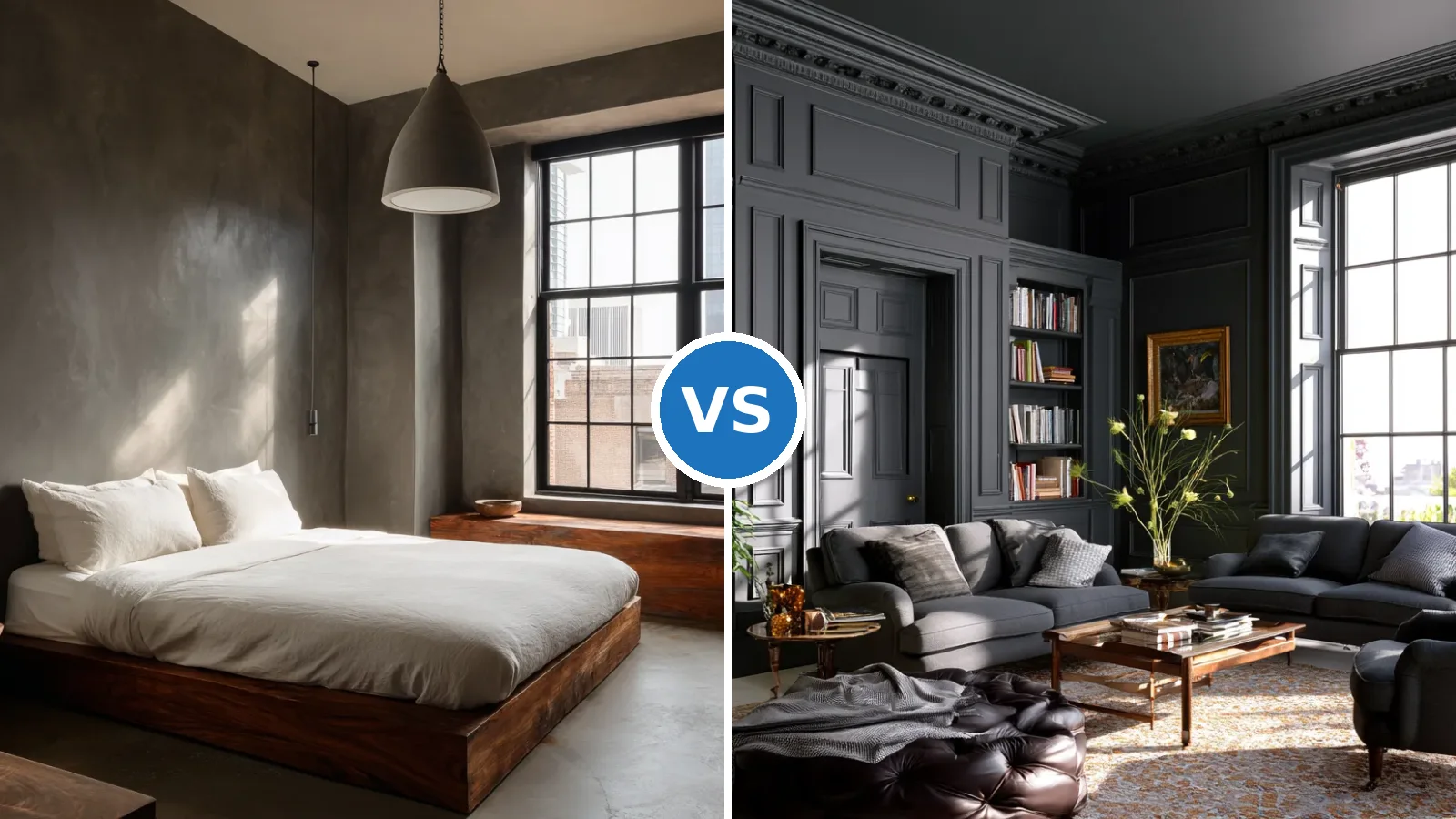
Micro-cement wall finishes are replacing traditional tile, lime plaster, and painted drywall across high-end residential projects because they deliver seamless surfaces with zero visible grout lines, industrial charm, and genuine durability. This August, three major UK specification houses—including a £2.8M Knightsbridge renovation and a sprawling Surrey estate redesign—chose micro-cement over travertine and marble for kitchen and bathroom walls. The reason is both aesthetic and practical: micro-cement eliminates the maintenance burden of grout, the visual weight of tile joints, and the fragility of plaster.
Why Micro-Cement Outperforms Tile and Plaster
Mapei, the Italian material science company behind most micro-cement products used in UK interiors, defines the finish as a cementitious coating applied in ultra-thin layers—typically 2–4 mm—over existing surfaces. Unlike lime plaster, which is porous and requires sealing, micro-cement is inherently waterproof after curing. Unlike porcelain or natural stone tile, there are no grout lines to trap moisture, mold, or bacteria.
The durability claim matters most in bathrooms and kitchens. A standard bathroom tile installation with grout can develop mold or efflorescence (white salt deposits) within 18 months if ventilation is poor or grout isn’t sealed annually. Micro-cement, once cured, resists water penetration directly. It’s also impact-resistant—a dropped pot won’t crack it like marble or limestone would.
Cost comparison: A full bathroom tile renovation (walls and floor) in a London townhouse averages £3,500–£5,500 for materials and labor. A micro-cement finish on the same footprint, applied by a certified applicator, typically runs £2,200–£3,800. This replaces the need for separate waterproofing membranes and grout sealing.
Quick Tips
- Prepare the substrate: Any wall (tile, drywall, brick, concrete) can accept micro-cement if properly primed and cleaned. Loose material must be removed first.
- Choose a neutral undertone: Charcoal, warm taupe, and soft gray are trending. Avoid bold colors—they show dust and handprints more visibly than neutrals.
- Seal the finish: A matte or satin topcoat sealer protects against minor staining. High-gloss sealers are available but read as industrial and date faster.
- Allow full cure time: Most micro-cement requires 7–14 days before exposure to moisture. Rushing this step causes permanent soft spots.
- Hire a certified applicator: DIY micro-cement application fails consistently because the thickness, smoothness, and curing depend on technique. Professional installation costs more upfront but avoids costly corrections.
Real-World Application Across Rooms
Polished Concrete Supply, a UK-based distributor of micro-cement systems, reported in July 2026 that residential projects using the finish jumped 34% compared to the same period in 2025. Kitchens and bathrooms remain the primary use, but bedroom feature walls and living room accent surfaces are emerging.
In a Notting Hill kitchen, designers applied micro-cement to a 3-meter-wide backsplash with a subtle ripple texture. The finish cost £1,400, replaced a planned subway tile design, and eliminated the visual interruption of grout lines—making the wall feel wider and the space more cohesive. The finish matches the worktops in tone, creating a near-monolithic effect.
A Clapham apartment bathroom, documented on design platform Dezeen in June, featured micro-cement walls in charcoal gray with a polished concrete-look topcoat. The designer noted that the seamless surface made the small room (1.8m × 2.1m) feel larger because the eye doesn’t pause at grout joints. Maintenance is a single weekly wipe with a damp cloth—no grout-line scrubbing required.
| Material | Water Resistance | Maintenance Load |
|---|---|---|
| Micro-Cement | Fully waterproof post-cure | Weekly damp cloth |
| Porcelain Tile + Grout | Depends on grout sealing | Grout scrubbing quarterly |
| Lime Plaster | Porous; requires annual seal | Mold risk in damp areas |
| Natural Stone | Porous; acid-etching risk | Sealing, stain prevention |
The Biggest Mistake Homeowners Make With Micro-Cement
Choosing micro-cement without confirming substrate compatibility is the #1 failure mode. A Manchester homeowner attempted to apply micro-cement over existing wall paint in June 2026 without primer or surface preparation. The coating began peeling within two weeks because paint creates a non-adhesive barrier.
The correct process requires: (1) removing or sanding any loose paint, (2) applying a bonding primer specific to the substrate type, (3) allowing primer to cure fully, and (4) then applying micro-cement in prescribed thin layers. Skipping primer saves £200–£400 upfront but guarantees failure and costly removal.
Another common error is underestimating cure time. Micro-cement begins to harden within 24 hours but does not reach full waterproof strength for 7–14 days. Using a bathroom or kitchen with micro-cement walls before cure completes can trap moisture in the coating, causing soft spots and permanent discoloration. Professional applicators enforce cure time strictly; DIY attempts often don’t.
Why Micro-Cement Fits 2026 Design Trends
The rise of micro-cement aligns with two dominant interior trends: industrial aesthetics and wellness-focused, low-maintenance living. Homeowners are rejecting heavily patterned finishes and opting for neutral, tactile surfaces that age gracefully.
Micro-cement in soft gray or warm taupe pairs naturally with the design philosophy of building a beautiful home with intentional purpose. The finish complements warm woods, brass accents, and natural fiber textiles—core elements of 2026 luxury interiors.
Durability also addresses sustainability concerns. A bathroom with micro-cement finishes, if maintained properly, will last 15–20 years without major renovation. Tile installations require periodic grout resealing and often replacement within 12–15 years. From a whole-life cost perspective, micro-cement reduces material waste and long-term environmental impact.
Installation Timelines and Real Costs
A professional micro-cement application in a standard bathroom (walls only, no floor) takes 4–5 days from substrate preparation to final topcoat. The installer must allow 48 hours between layers, so the actual labor spans nearly a week. A kitchen backsplash installation takes 2–3 days.
Material costs (micro-cement powder, primer, topcoat sealer) for a single bathroom typically run £400–£650. Labor, depending on London or regional rates, adds £1,200–£2,000. Total cost bands between £1,600–£2,650 for a typical family bathroom, placing it firmly below full tile renovation budgets but above standard wall paint.
This price point explains why micro-cement adoption accelerated in mid-2026: buyers receive industrial, durable, seamless surfaces without the budget trauma of complete renovation. They also avoid the 8–12 week lead times associated with bespoke tile specifications.
Care, Sealing, and Long-Term Performance
Unlike lime plaster finishes, micro-cement requires active sealing to maximize lifespan. The topcoat sealer—applied at installation—protects against minor stains and maintains the matte or satin texture. Resealing every 2–3 years is recommended for high-moisture areas like bathrooms.
Cleaning is straightforward: warm water and a soft cloth, or a pH-neutral tile cleaner if needed. Avoid acidic cleaners (vinegar, lemon-based products) and abrasive scouring pads, which can degrade the sealer. This simplicity appeals to time-poor homeowners who want low-maintenance living spaces inspired by Japandi principles of restraint and ease.
Micro-cement walls will not crack like plaster or chip like tile under normal use. Significant impact (a dropped heavy tool) may cause localized damage requiring a professional patch, but such failures are rare. Most homeowners report their micro-cement finishes look identical after 5+ years with only weekly cleaning and triennial sealing.