Quick Scan
- The biophilic mural subcategory is 2026's fastest-growing wallpaper segment, confirmed by multiple design firms through spring.
- FSC-certified papers, PVC-free substrates, and water-based inks are now the baseline expectation — not a premium add-on.
- Floor-to-ceiling scale is required for immersive impact — anything smaller reads as decoration, not environment.
- Peel-and-stick options from brands like ONDECOR make damage-free rental installs viable for full panoramic murals.
- Lighting should be planned before installation — warm directional light creates shadow depth on textured substrates.
Botanical wallpaper murals landed at the center of every major design conversation this spring, and the numbers confirm it isn’t a passing moment. The global wallpaper market reached $2.4 billion in 2024 and is tracking toward $2.9 billion by 2030, with eco-conscious materials recording the strongest growth among all 2026 categories. Pinterest declared immersive wall art its primary visual theme for the year, and the biophilic mural subcategory — forest panoramas, meadow scenes, large-scale botanical illustrations — is the fastest-growing segment confirmed by multiple major design firms through spring 2026.
What changed isn’t the appetite for green. It’s the scale. Rooms are no longer punctuated by small leaf-print repeats. They’re wrapped in floor-to-ceiling imagery that makes you feel physically inside a garden, a forest, or a jungle canopy. The shift from pattern to panorama is structural, and it’s being driven by substrate innovation as much as aesthetics. PVC-free panels, FSC-certified papers, and water-based inks have made large-format eco murals viable at accessible price points for the first time.
Eco Substrates Redefine What Botanical Murals Are Made From
The material underneath the print matters more than most buyers realize. A decade ago, vinyl-coated wallpaper dominated large-format murals because it held ink well and tolerated humidity. The tradeoff was off-gassing, difficult end-of-life disposal, and a plasticky surface texture that read as cheap up close. The 2026 market has moved decisively away from that formula. FSC-certified papers, non-PVC woven substrates, and low-VOC water-based inks are now the baseline expectation for premium botanical collections — not a niche upsell.
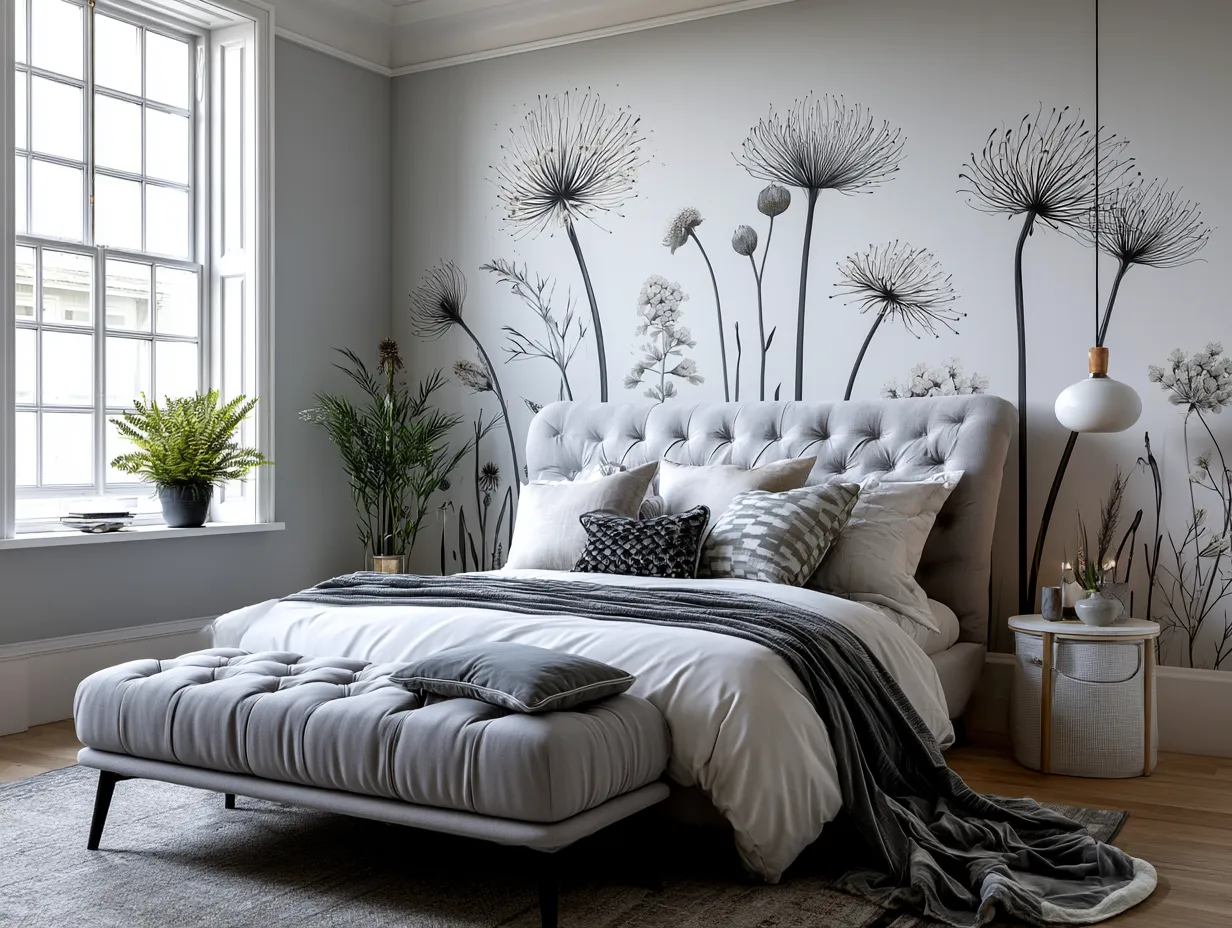
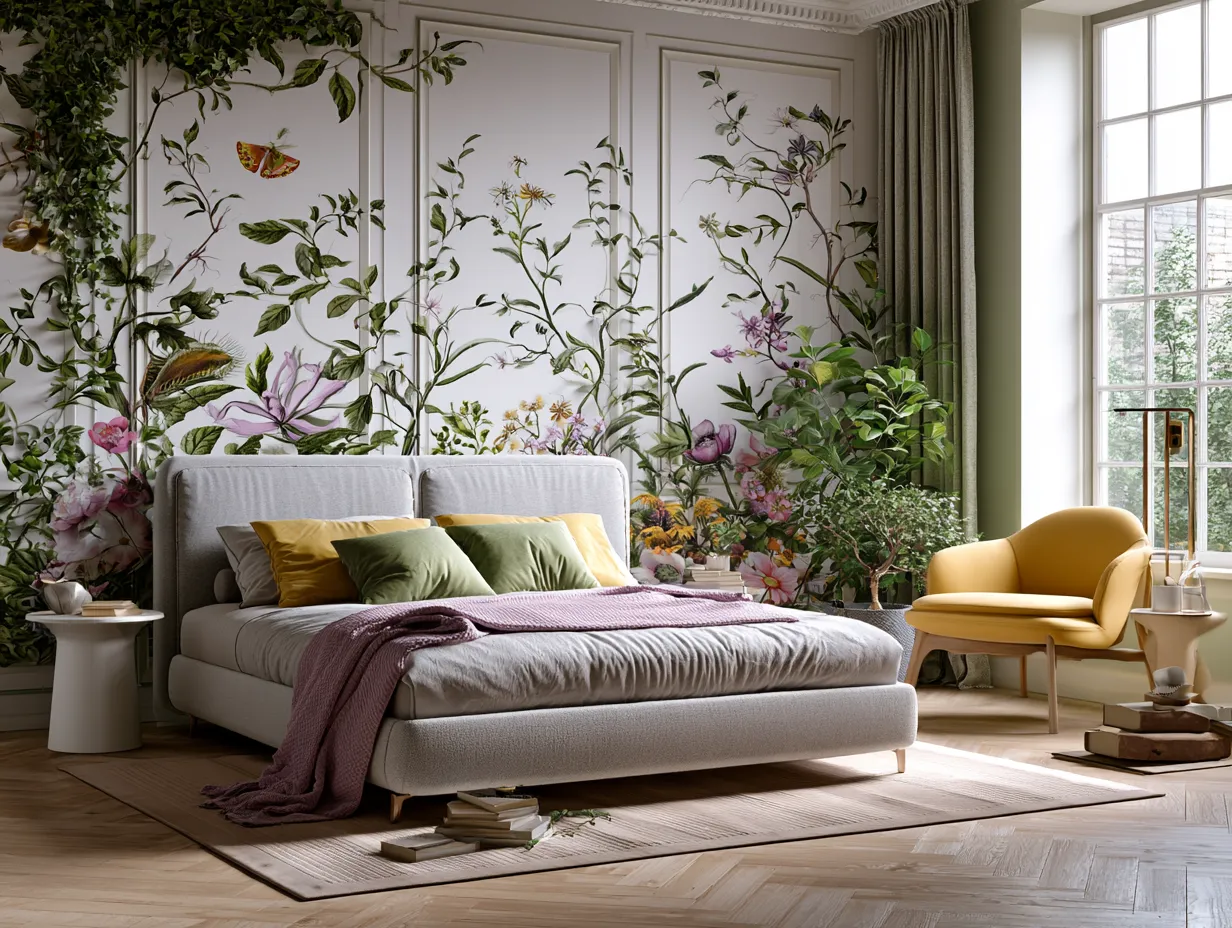
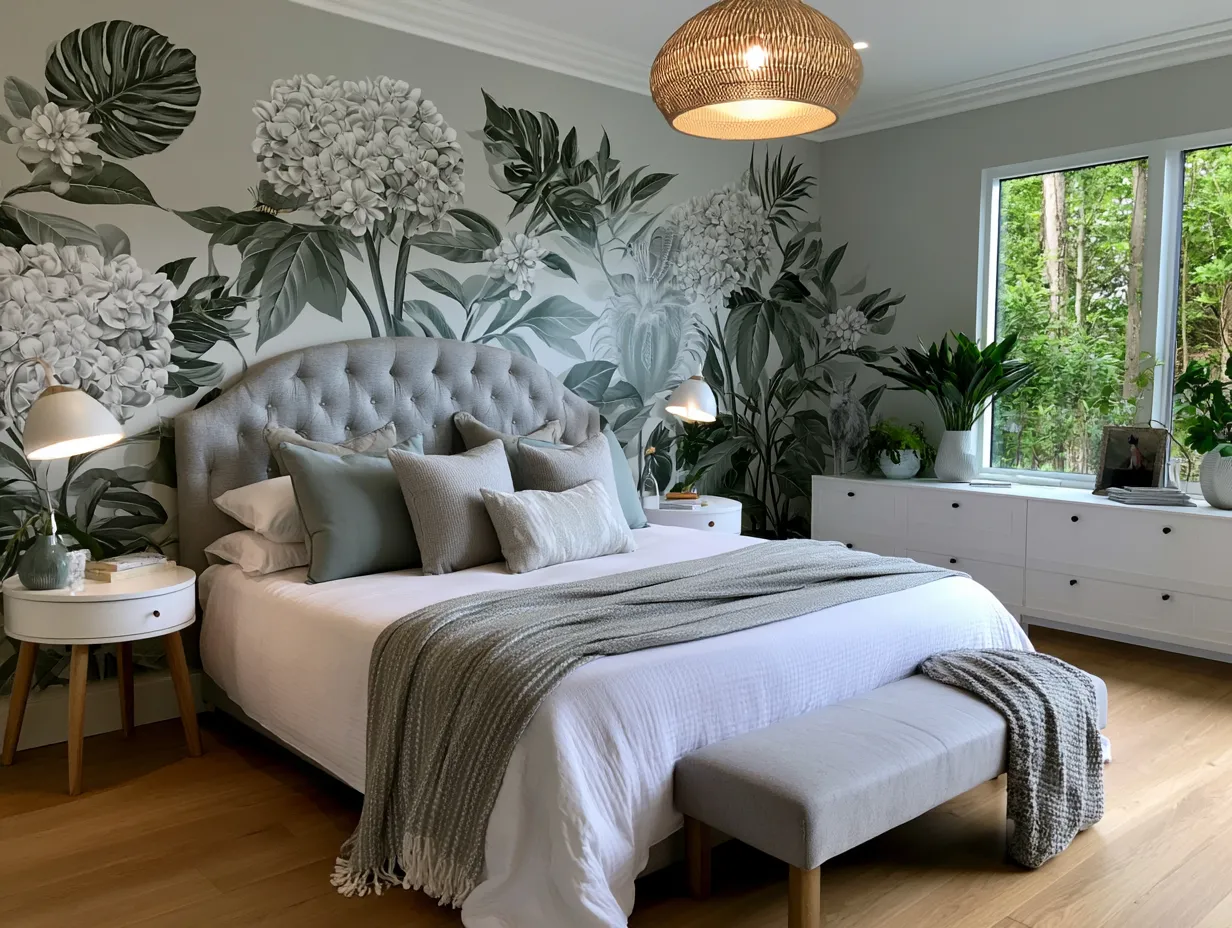
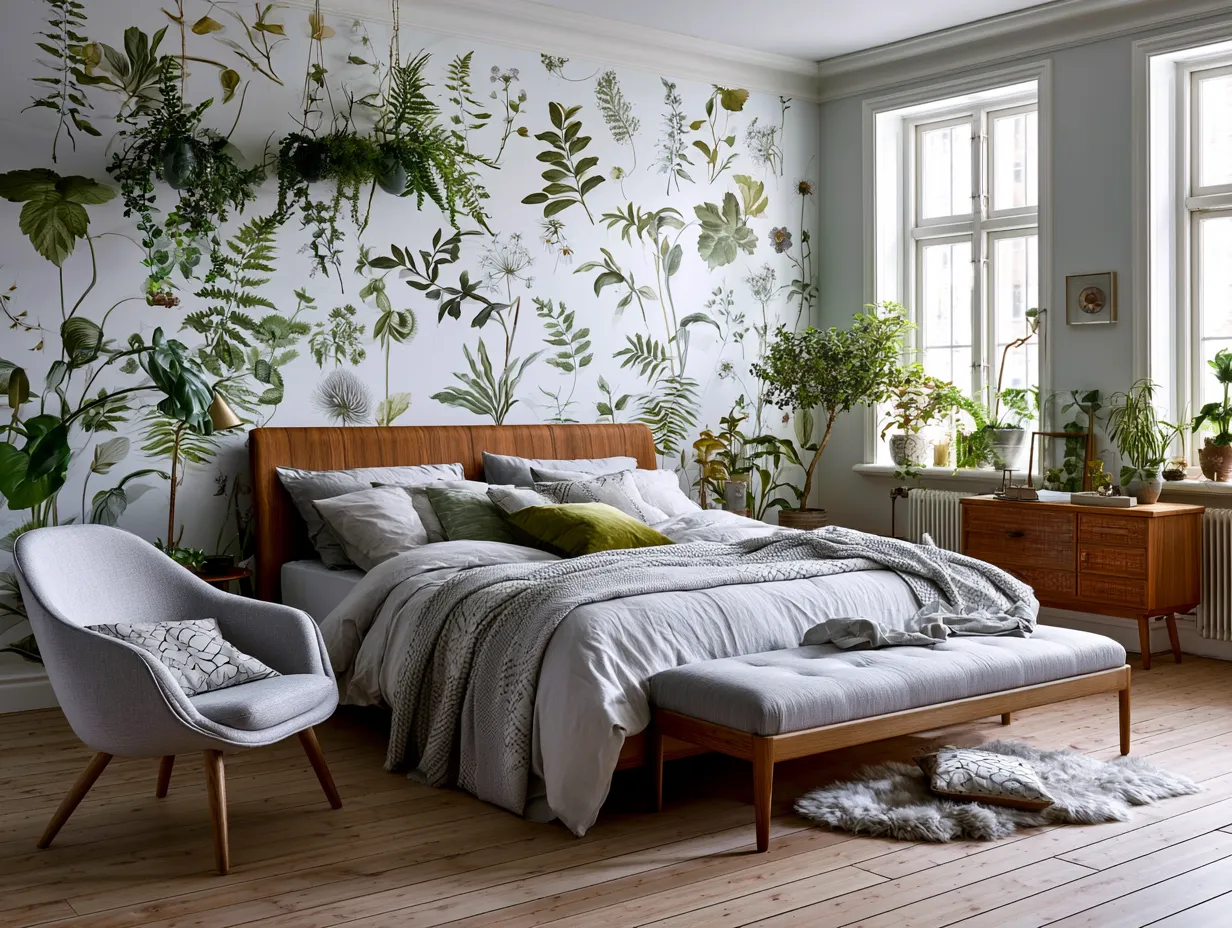
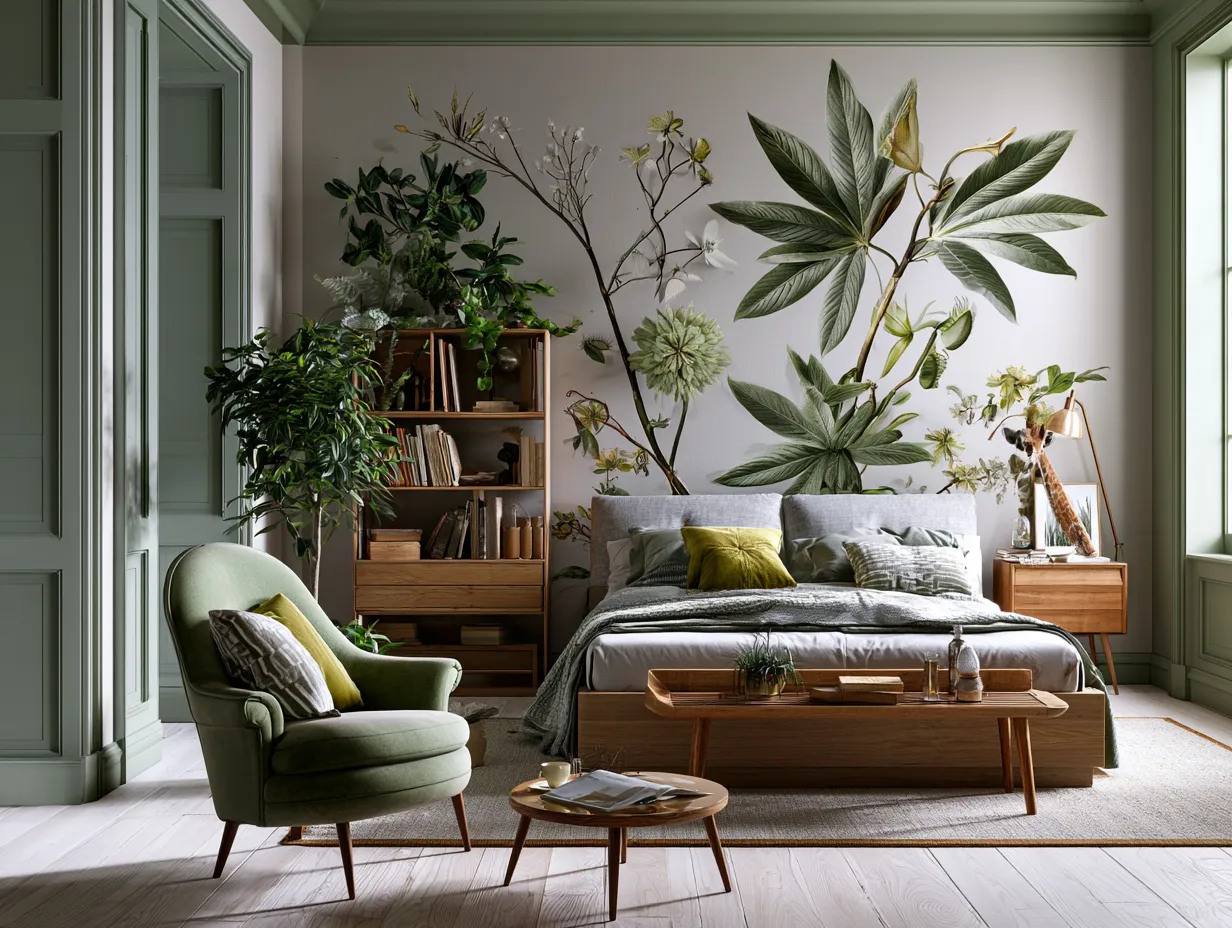
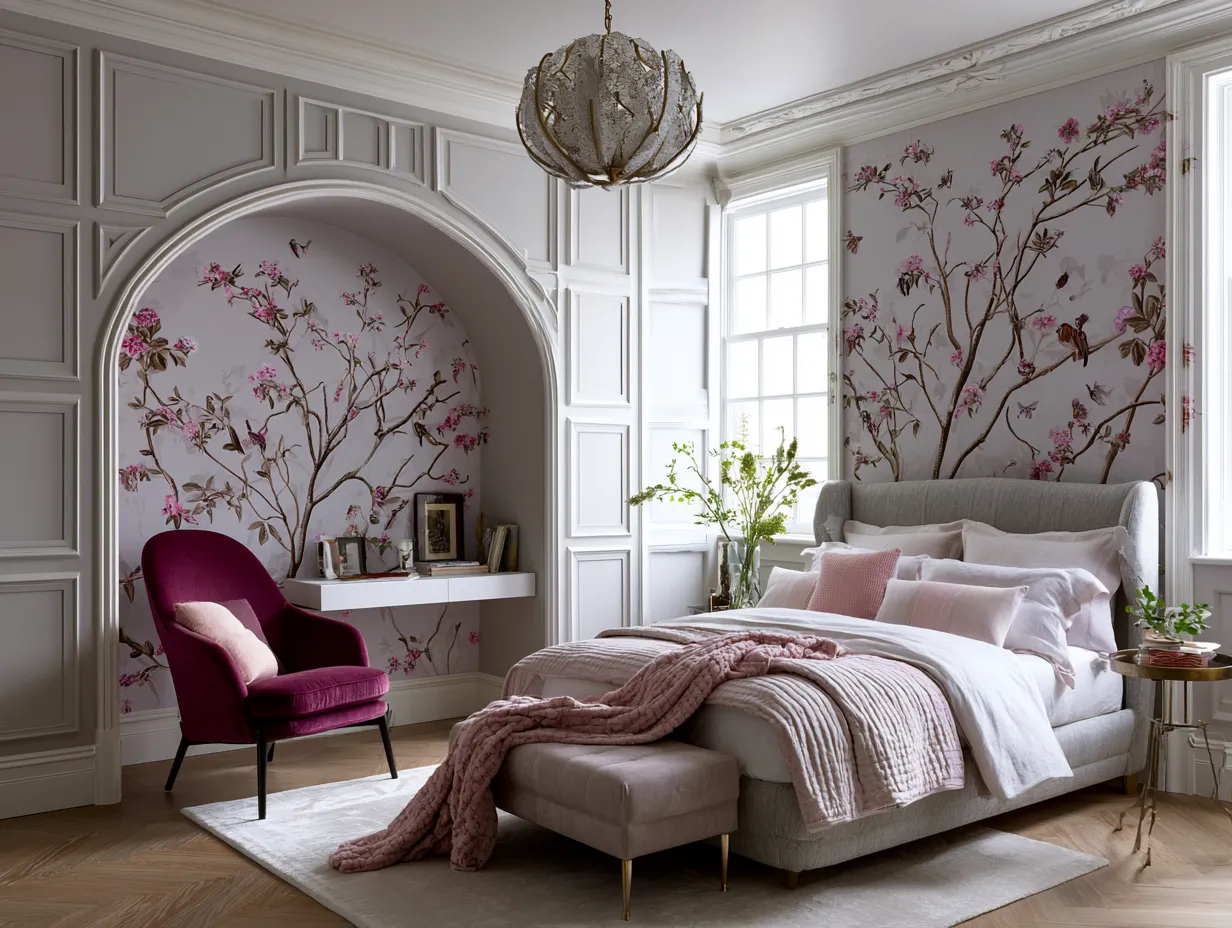
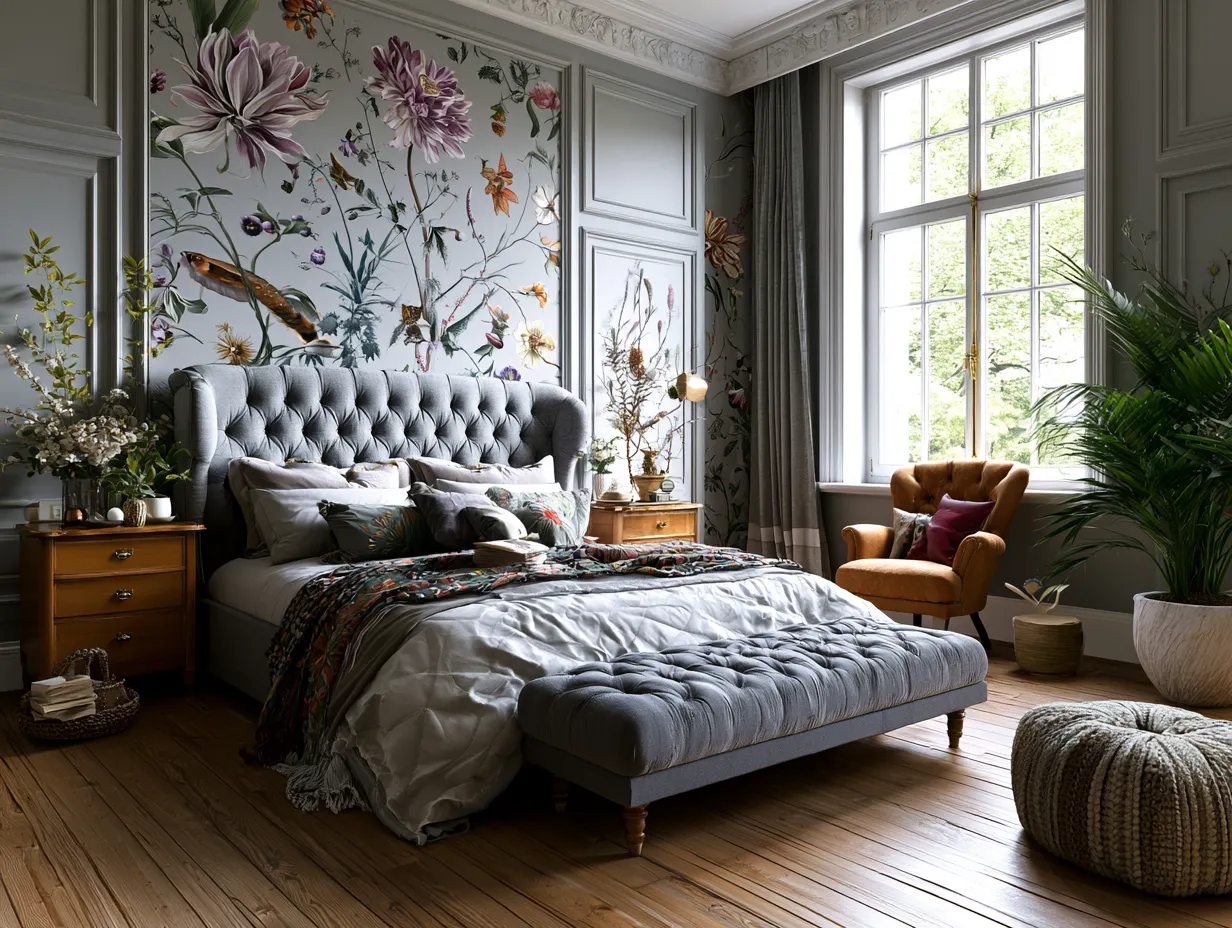
ONDECOR prints every botanical panel on demand in the USA on PVC-free substrates using eco-friendly inks, which eliminates overstock waste entirely. Their peel-and-stick dark green botanical options are particularly relevant for renters who want a full mural without adhesive damage — a segment that has grown substantially as urban apartment dwellers chase the same immersive look as homeowners. What should you avoid here? Do not default to any mural labeled simply ‘vinyl-free’ without verifying the full substrate spec. Some manufacturers substitute one problematic material with another without disclosing it clearly.
Milton and King’s SS/2026 grasscloth and natural wallpaper collection takes a different approach to eco credentials. Their panels are hand-woven from sisal, raw jute, cork, and mica — materials that bring tactile depth to botanical designs that printed paper alone can’t replicate. The brand ships with free delivery and rapid lead times, which matters during spring home-refresh season when project timelines compress. For larger spaces, Walls Republic’s Natural Grasscloth collection offers 94 SKUs in eco-grade, non-PVC construction, with sisal grasscloth rolls like the LN11867 Sisal Grasscloth Unpasted retailing at approximately $436.59 per roll at Say Decor LLC as of May 2026.
The material frontier is moving further. Some manufacturers are now developing wallpapers from recycled ocean plastics and agricultural waste byproducts, while mainstream collections use recyclable packaging as standard. Geometric Elegance – Triangle Wallpaper in a Contemporary Living Room illustrated how graphic wall treatments can anchor a room’s identity — botanical murals achieve the same anchoring effect but through organic imagery rather than constructed pattern. Green tones dominated wallpaper discussions in the first six months of 2026, and the biophilic mural category absorbed the largest share of that demand precisely because it delivers immersive color through subject matter, not just pigment.
Don’t Do This
- Don't accept 'vinyl-free' labeling without verifying the full substrate spec — some manufacturers substitute one problematic material with another without clear disclosure.
- Don't center a repeat-pattern botanical mural on a wall interrupted by doors or windows — the pattern break reads as accidental and no amount of styling recovers it.
- Don't butt-join peel-and-stick panels edge to edge — panels shift as they settle and the gap will open visibly within weeks.
- Don't skip wall primer before hanging FSC-certified paper-backed murals — unprimed drywall causes uneven absorption and permanent color inconsistency.
Scale and Placement Separate Immersive Murals From Flat Decoration
Biophilic maximalism isn’t just about choosing a botanical image — it’s about committing to a scale that makes the room feel like an environment rather than a decorated box. The installs that work best in 2026 extend floor-to-ceiling on a single feature wall or wrap two adjoining walls to create a corner panorama. Anything smaller risks looking like an oversized poster rather than an architectural decision. The mural has to feel inevitable inside the space, not applied to it.
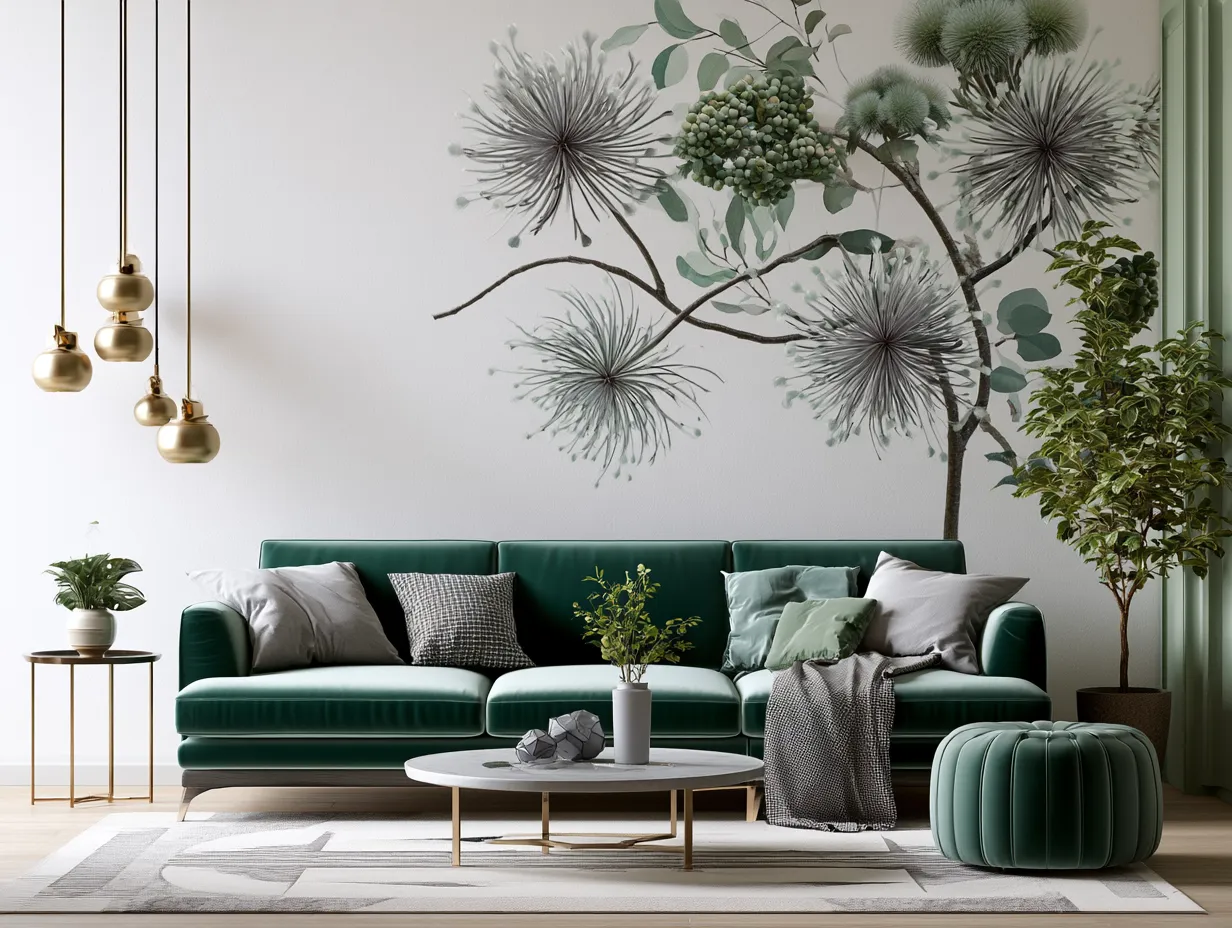
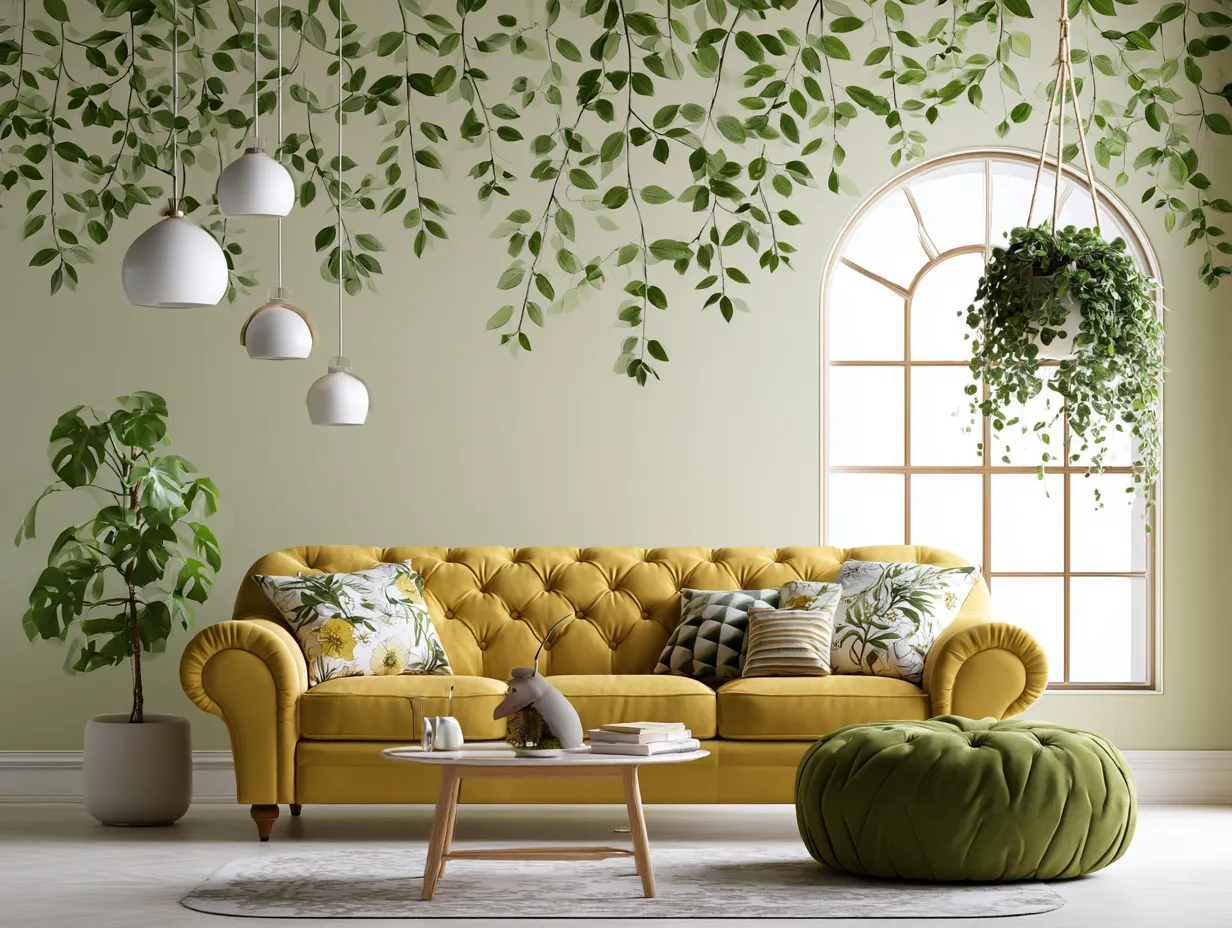
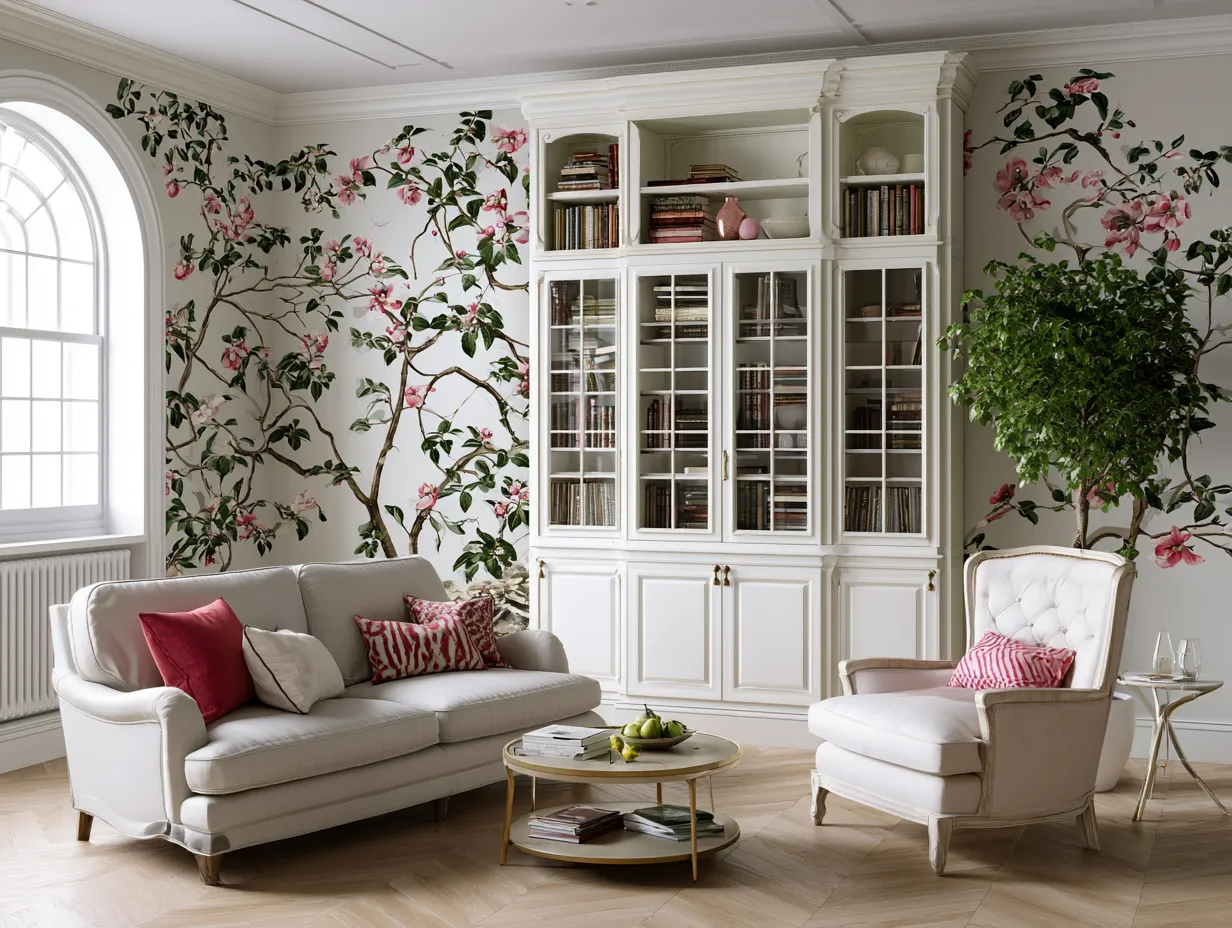
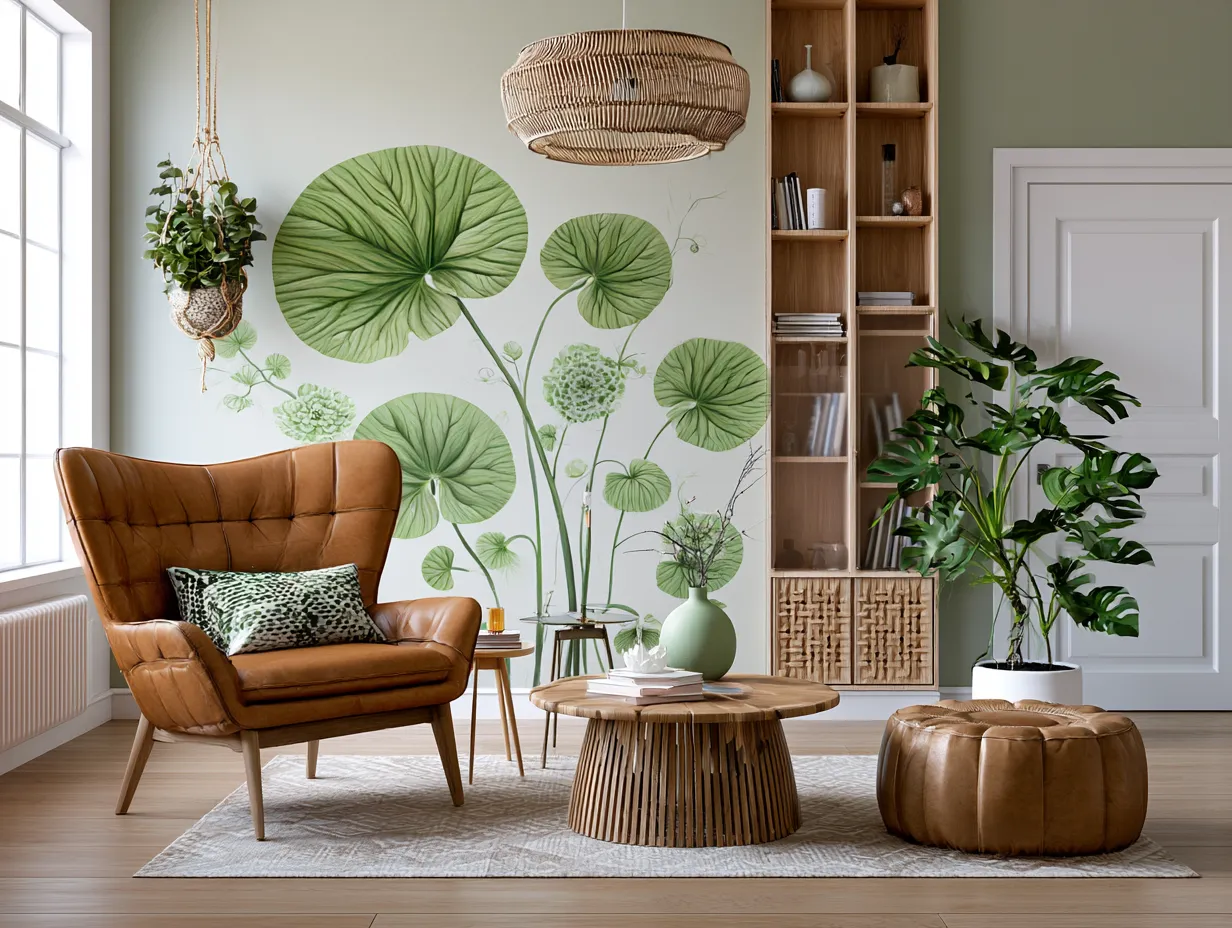
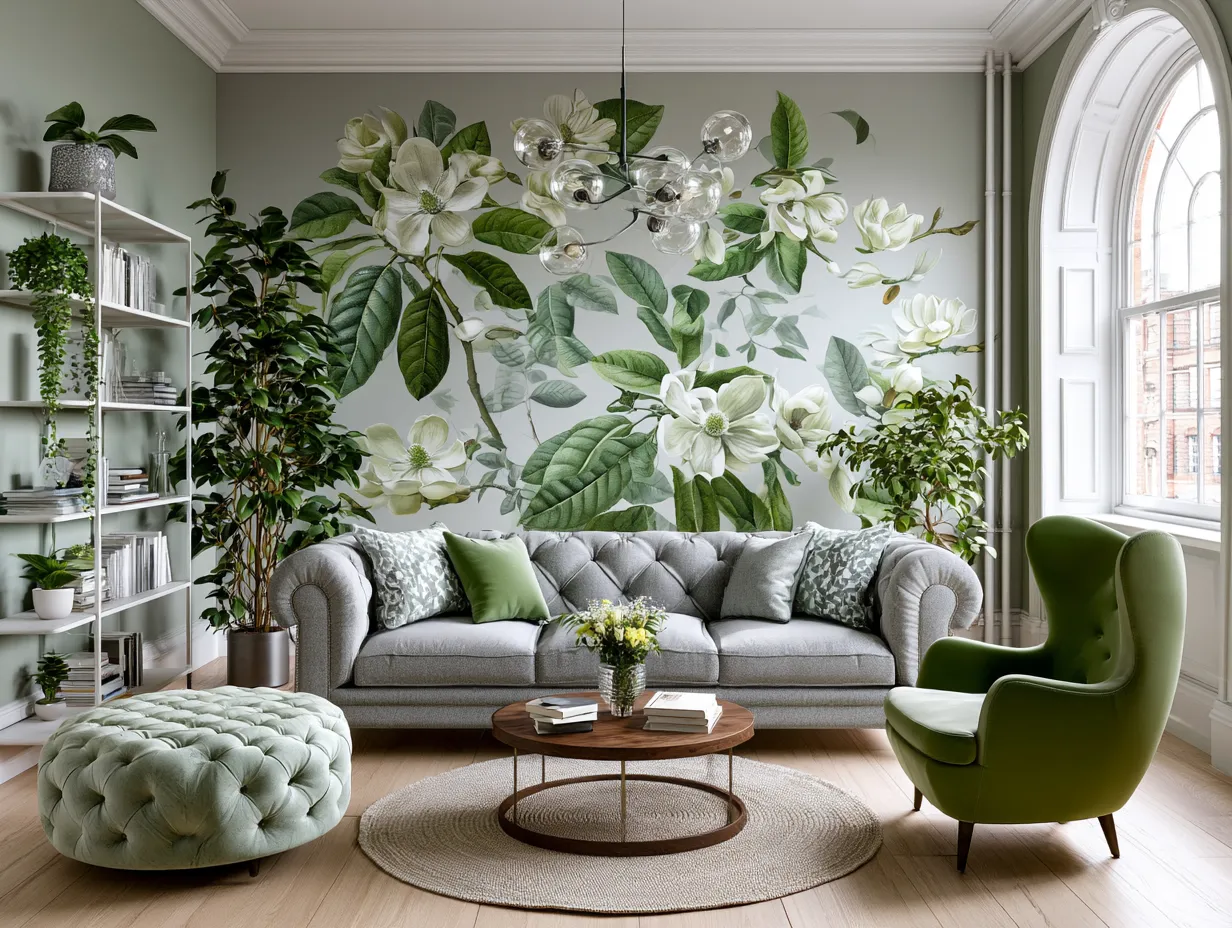
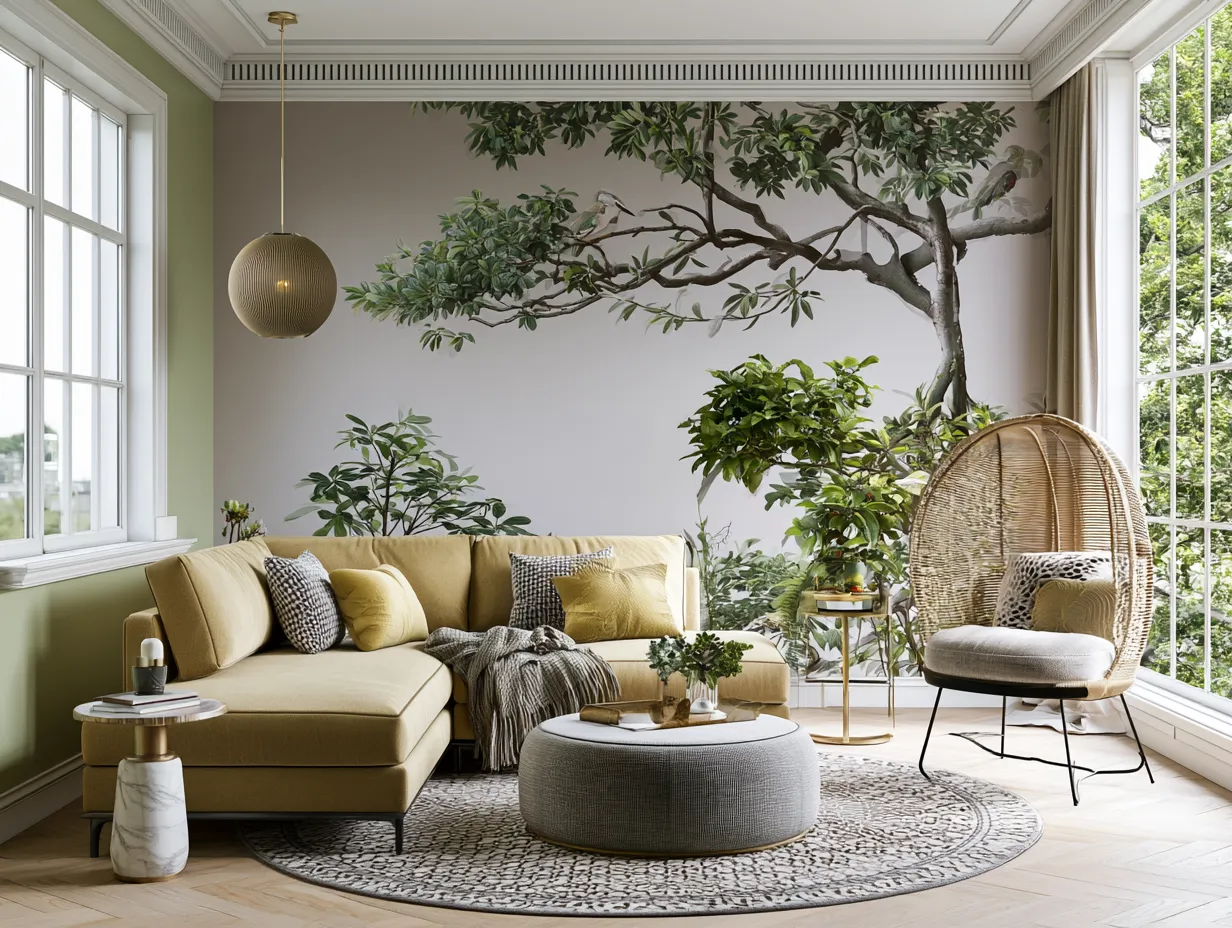
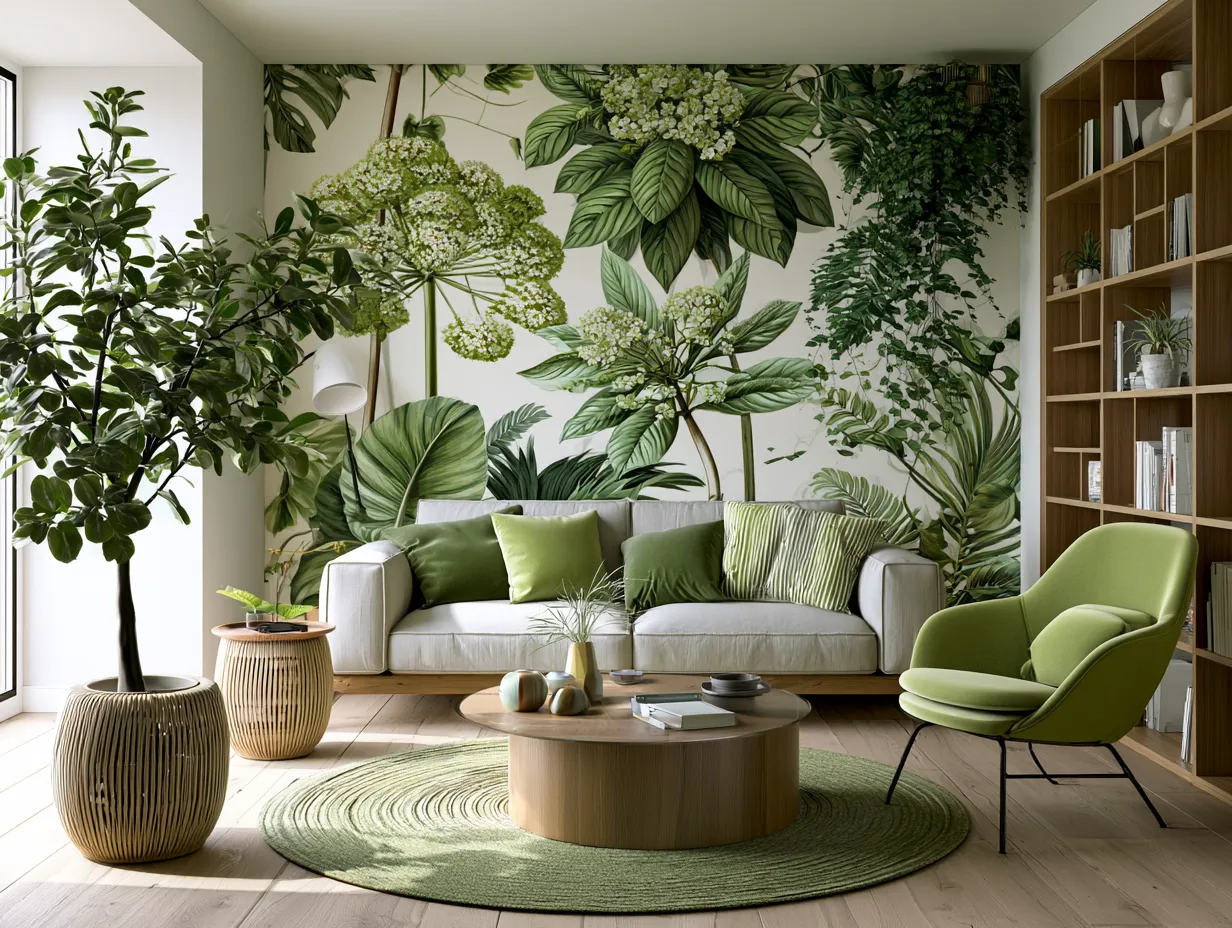
Which rooms benefit most from the floor-to-ceiling botanical treatment? Living rooms and primary bedrooms lead adoption, but dining rooms are emerging as the strongest new application. A meadow panorama or forest canopy mural transforms a dining space into something closer to an outdoor pavilion — a direct response to the post-pandemic preference for bringing exterior experiences inside. Kitchens with open layouts are also seeing botanical accent walls behind island seating, where the mural functions as a backdrop for both cooking and social gathering.
Placement mistakes are consistent across failed installs. The most common error is centering a repeat-pattern mural on a wall that contains a doorway or window interruption — the pattern break reads as accidental rather than designed. Panoramic murals handle interruptions better because the image continues logically around openings. Don’t tile a large-scale botanical repeat across a wall with asymmetric architecture unless you’ve mapped the repeat cut points against every structural interruption first. The visual rhythm collapses at the break, and no amount of styling recovers it.
Modern Living Room Transformation with Black and White Geometric Wallpaper demonstrated how a single bold wall treatment redefines an entire room’s identity — botanical murals operate on the same principle but add the psychological dimension of biophilic connection. Research consistently links visual access to natural imagery with reduced cortisol and improved perceived space. That isn’t incidental to the trend. It’s structural to why buyers are choosing murals over paint in 2026’s home-refresh season, when the desire to make interior spaces feel restorative has never been higher.
Lighting interacts with botanical murals in ways most planning guides ignore. Warm-toned directional lighting — track heads or wall-mounted uplights — creates shadow depth across textured substrates like Milton and King’s jute and cork panels, making the botanical illustration appear three-dimensional at certain times of day. Cool overhead lighting flattens the same surface. If you’re investing in a premium mural, the lighting plan should be decided before installation, not after.
| Brand / Product | Eco Substrate | Key Differentiator |
|---|---|---|
| ONDECOR Peel-and-Stick Botanical | PVC-free, water-based inks | Printed on demand in USA; damage-free rental install |
| Milton & King SS/2026 Natural Collection | Sisal, raw jute, cork, mica | Hand-woven; free delivery; tactile depth on botanical panels |
| Walls Republic Sisal Grasscloth LN11867 | Non-PVC eco-grade sisal fiber | 94 SKUs; ~$436.59/roll; unpasted for professional install |
| Ocean-waste & agri-waste murals (emerging) | Recycled ocean plastics / agricultural byproduct | Lifecycle-positive material; limited availability in 2026 |
Installation Choices That Protect Both the Mural and the Wall Beneath
The gap between a mural that looks professional and one that bubbles, seams visibly, or peels at corners almost always comes down to installation decisions made before the first panel goes up. Substrate prep is non-negotiable. Walls must be clean, primed, and sealed — especially when you’re working with FSC-certified paper-backed murals, which are more sensitive to moisture migration from unprepared drywall than vinyl products were. Skipping primer on new drywall causes paper-backed murals to absorb unevenly, producing color inconsistency that no smoothing corrects after the fact.
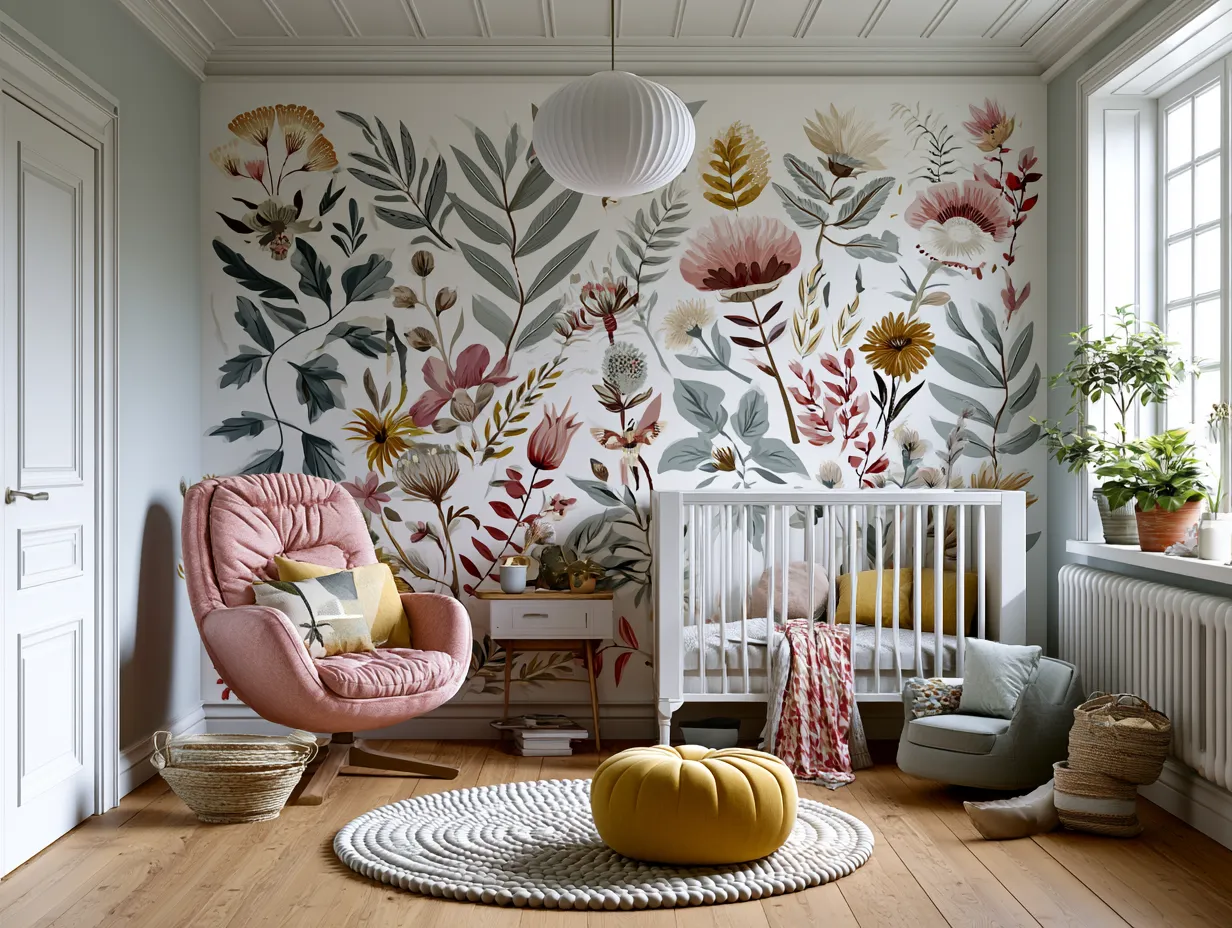
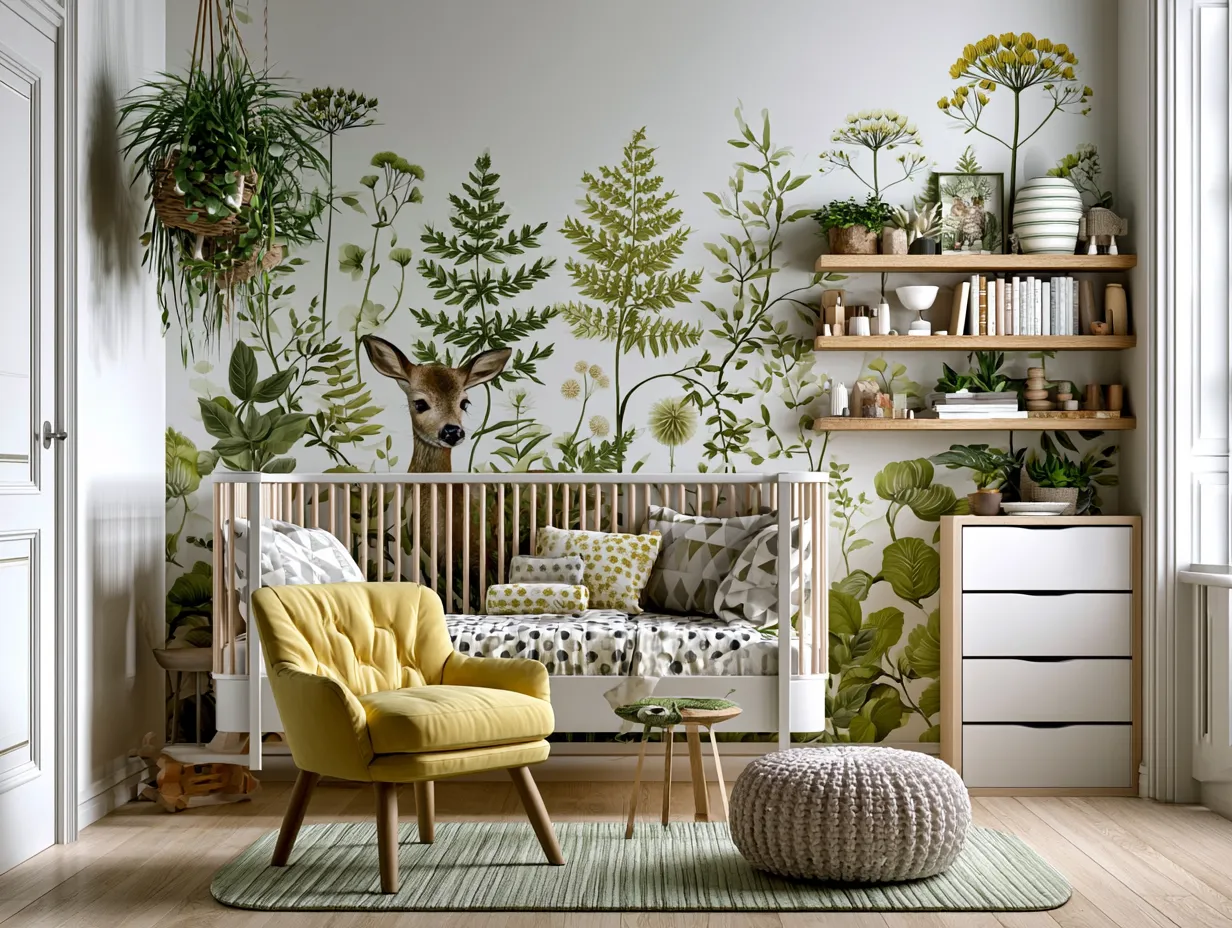
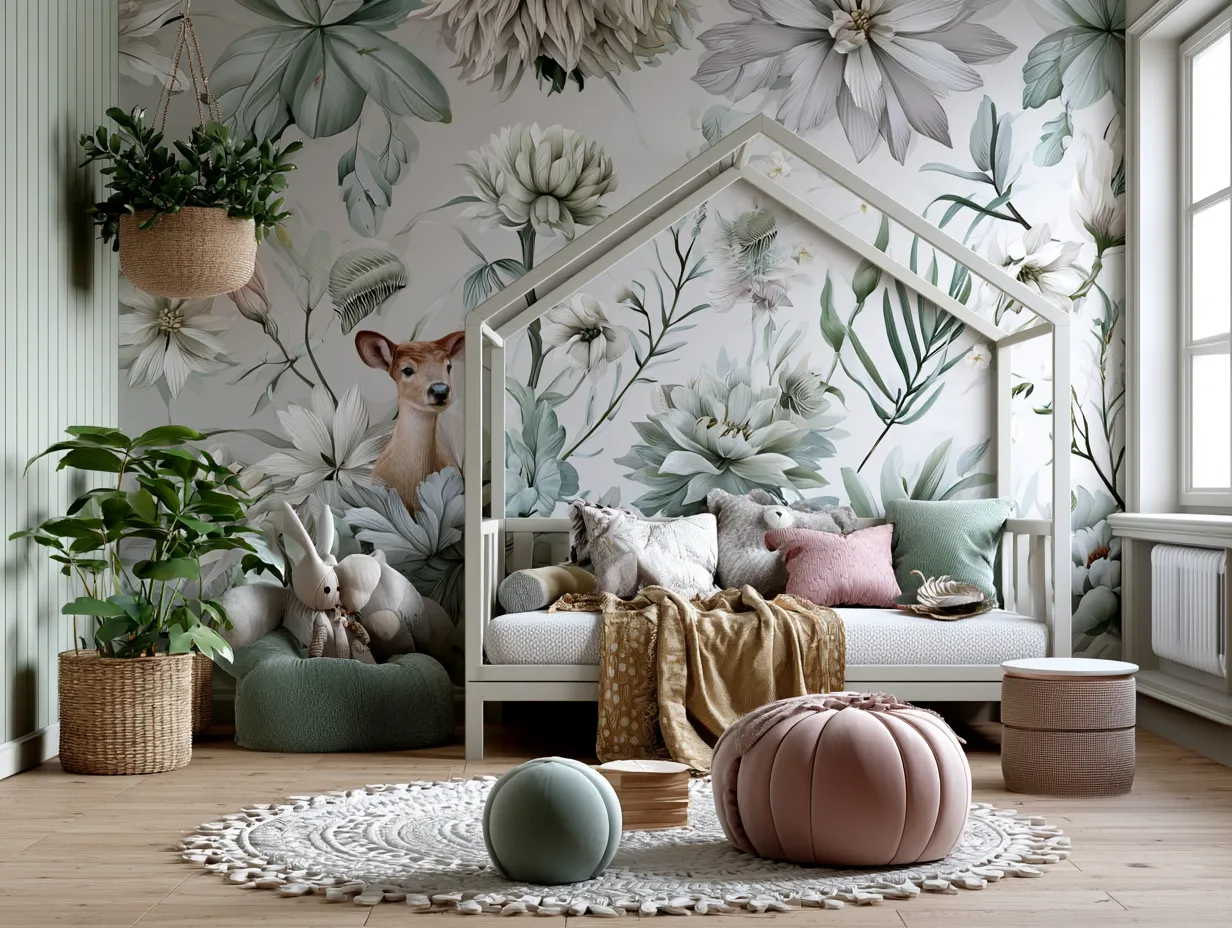
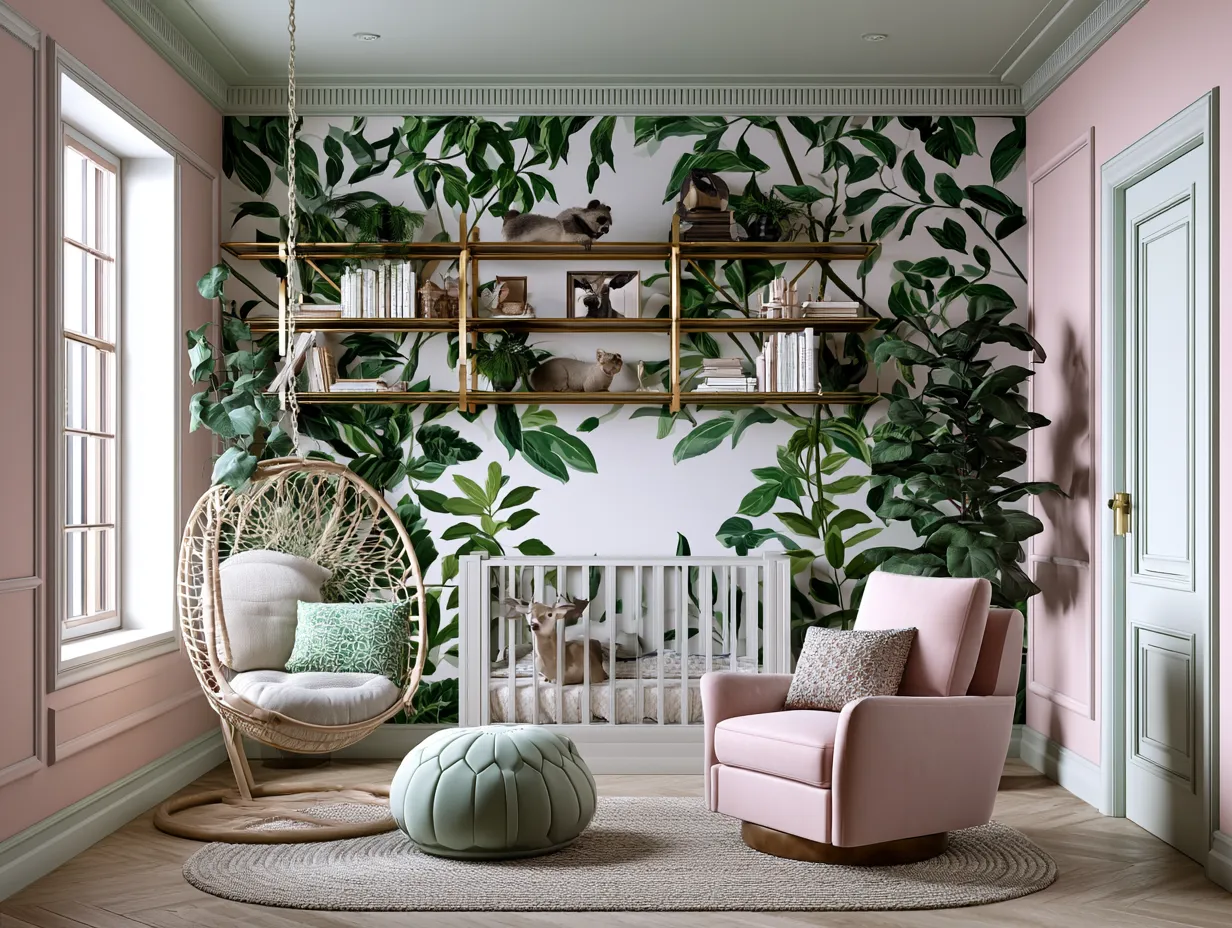
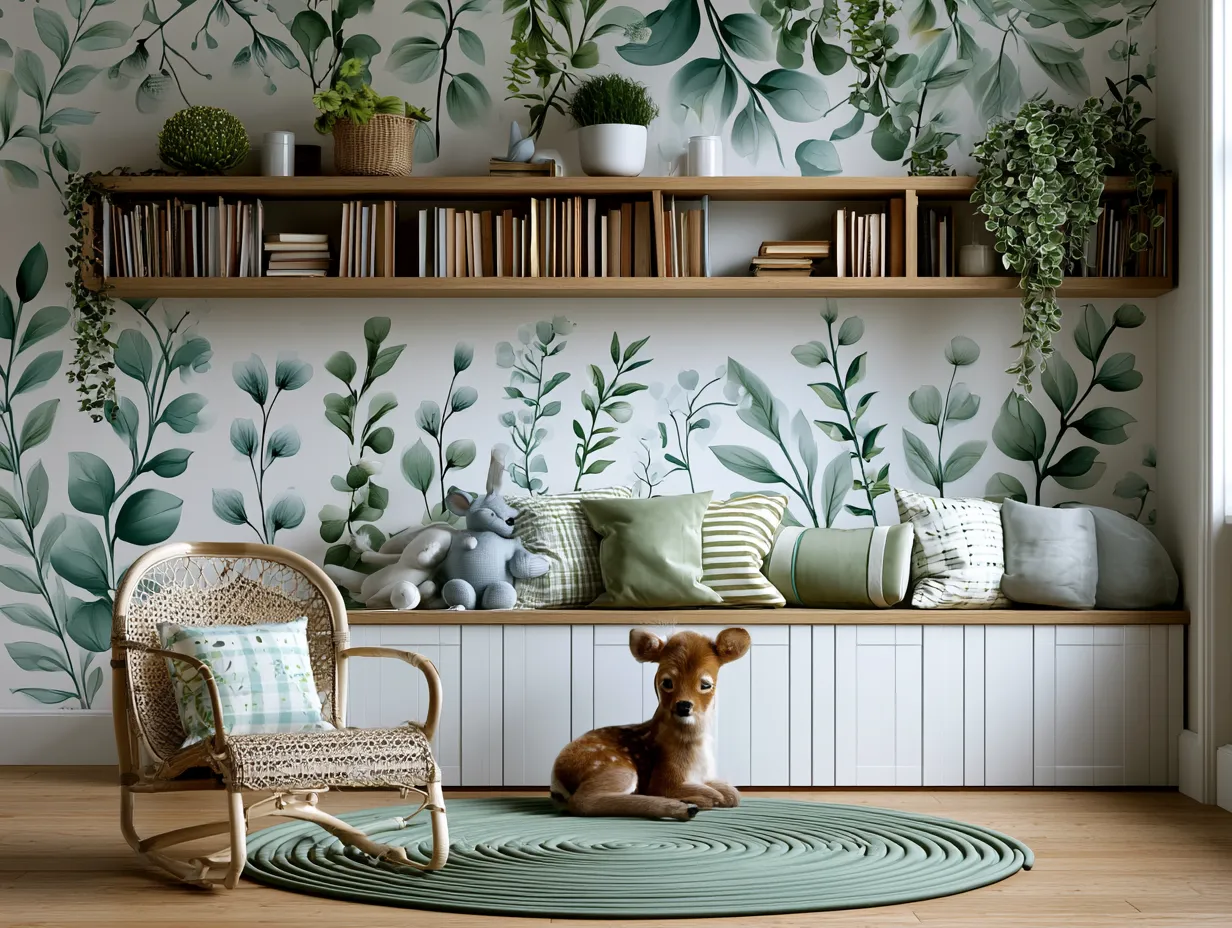
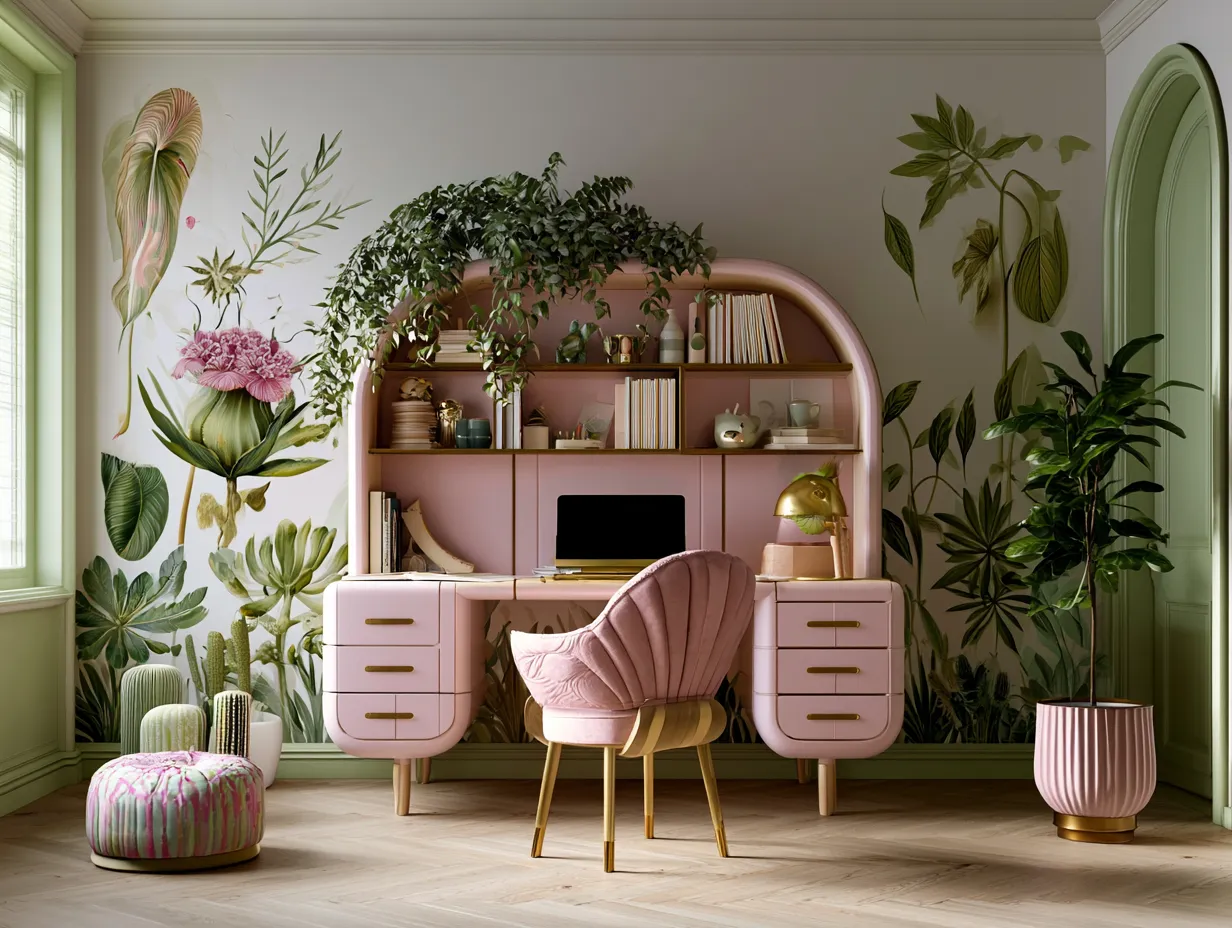
Peel-and-stick options from brands like ONDECOR have genuinely improved the rental install case. The repositionable adhesive backing tolerates slight misalignment during panel placement, which matters enormously when you’re aligning a panoramic image across four or six panels. What’s the right overlap at seams? For peel-and-stick botanical murals, a 1/8-inch overlap at each panel join is standard — enough to eliminate the gap that appears as panels dry and shift slightly, but not so much that a ridge becomes visible in raking light. Don’t butt-join peel-and-stick panels edge to edge. The movement is real, and the gap will open within weeks.
For permanent installs using paste-the-wall techniques — the preferred method for heavier natural fiber substrates like Walls Republic’s sisal grasscloth — the adhesive choice matters as much as the application method. Heavy-weight wallpaper paste with a longer open time gives you the working window to align panoramic panels correctly. Rushing with a fast-setting adhesive on a complex botanical mural creates irreversible alignment errors mid-install. Take the time. The investment in a roll at $436.59 per unit demands it.
Removal planning should happen before installation, not when you decide to redecorate. FSC-certified paper murals score well here — they strip cleanly from properly primed walls without requiring chemical solvents, unlike older vinyl products that bond permanently to drywall paper and damage the surface on removal. Eco credentials and practical end-of-life behavior align in the best 2026 collections. The recyclable packaging standard now adopted by most premium mural brands extends that logic to the entire product lifecycle, from shipping to disposal. That coherence is part of what’s driving the category’s sustained growth beyond trend-cycle timelines.
FAQ
how much does a botanical wallpaper mural cost for one wall
Cost varies significantly by substrate and brand. Sisal grasscloth rolls from Walls Republic retail at approximately $436.59 per roll at Say Decor LLC as of May 2026, while peel-and-stick PVC-free options from ONDECOR are available at lower price points. A standard accent wall typically requires three to six panels depending on room dimensions.
can botanical wallpaper murals be used in bathrooms
Some natural fiber substrates like jute and sisal are moisture-sensitive and not recommended for high-humidity bathroom environments without a sealed coating. PVC-free paper-backed murals with water-based inks tolerate moderate humidity better, but proper ventilation is essential. Always check the manufacturer's humidity rating before committing to a bathroom install.
what is the difference between biophilic wallpaper and regular botanical prints
Regular botanical prints use small repeating motifs scaled for pattern interest. Biophilic wallpaper murals are large-format panoramic images — forest scenes, meadow landscapes, jungle canopies — designed to produce an immersive psychological effect by mimicking visual access to nature. Scale and continuity are what separate the two categories.
is peel and stick botanical wallpaper removable without damaging walls
Quality peel-and-stick murals from brands like ONDECOR are designed for damage-free removal from properly primed walls. The key is ensuring the wall surface is fully cured and primed before application — fresh paint or unprimed drywall can still sustain damage even with repositionable adhesive products.
what eco certifications should I look for in botanical wallpaper
FSC certification on the paper substrate confirms responsible forestry sourcing. Look for water-based or low-VOC ink declarations and explicit PVC-free labeling on the backing. Recyclable packaging is increasingly standard among premium 2026 collections and indicates broader lifecycle thinking from the manufacturer.
how long does botanical wallpaper mural installation take
A standard single-wall panoramic mural install takes two to four hours for an experienced DIYer using peel-and-stick panels. Paste-the-wall installations on natural fiber substrates like sisal or jute require more working time — typically a full day including drying time before trimming edges. Professional installation is recommended for multi-wall panoramic wraps.
Save this
Botanical Wallpaper Murals Make Rooms Feel Like Living Environments in 2026
The move from small leaf prints to floor-to-ceiling botanical panoramas isn't a styling choice — it's a structural shift in how rooms are designed to feel. Eco substrates, panoramic scale, and precise installation together produce spaces that look designed rather than decorated.
The brands doing it right in 2026 — ONDECOR, Milton and King, Walls Republic — share a commitment to material honesty that matches their visual ambition. Save this post.
📌 Save to Pinterest