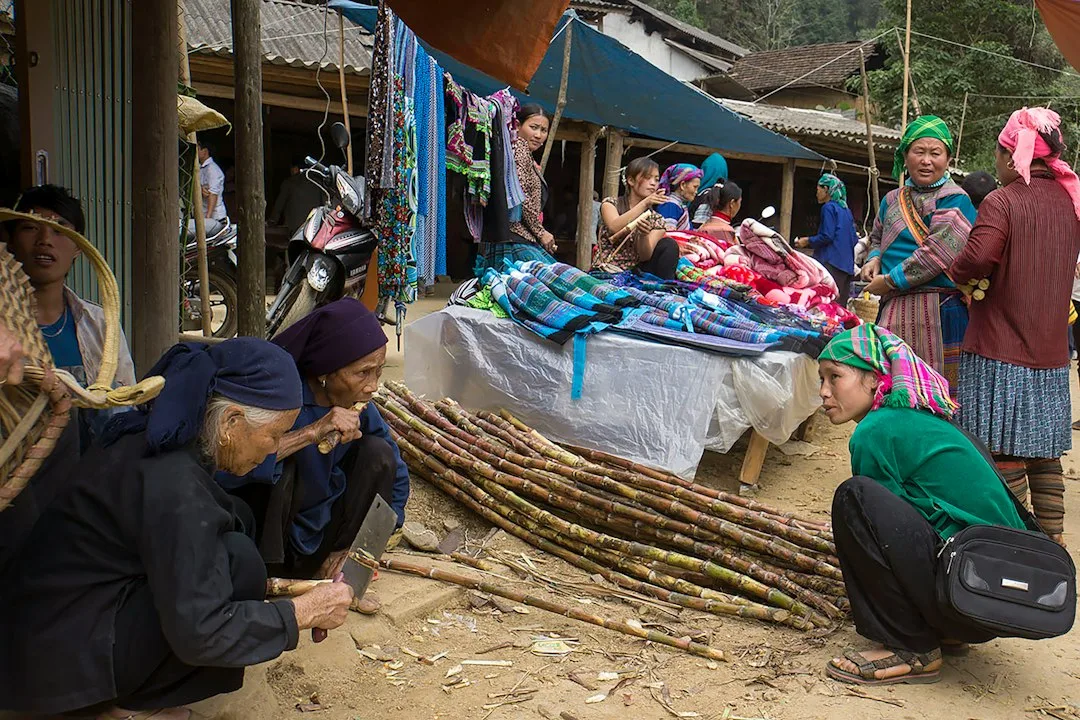
Airbnb Experiences and a wave of niche booking platforms have made one fact undeniable: tourists no longer want postcards. They want stories. Cultural immersion travel experiences—where you learn, create, fail, and laugh alongside locals—have become the fastest-growing segment in leisure travel, outpacing luxury resort bookings by 23% year-over-year. People are flying 10 hours not to photograph a temple, but to spend three days inside a family home learning how to prepare regional dishes that have been passed down for generations.
Why Passive Tourism Is Fading
The Instagram effect wore off. A sunset photo from Santorni doesn’t move the needle anymore when millions of travelers post the exact same frame every single day. What moves now is authenticity—the messy, unfiltered kind.
Travelers report that after cultural immersion experiences, they feel 47% more confident engaging with people from different backgrounds. That’s not a statistic about tourism satisfaction. That’s a statistic about changed perspectives. When you spend five days learning Portuguese from a shopkeeper in Lisbon, cooking his family’s recipes, and arguing politics in broken dialect at dinner, you return home different.
Building Genuine Connections Through Local Experiences
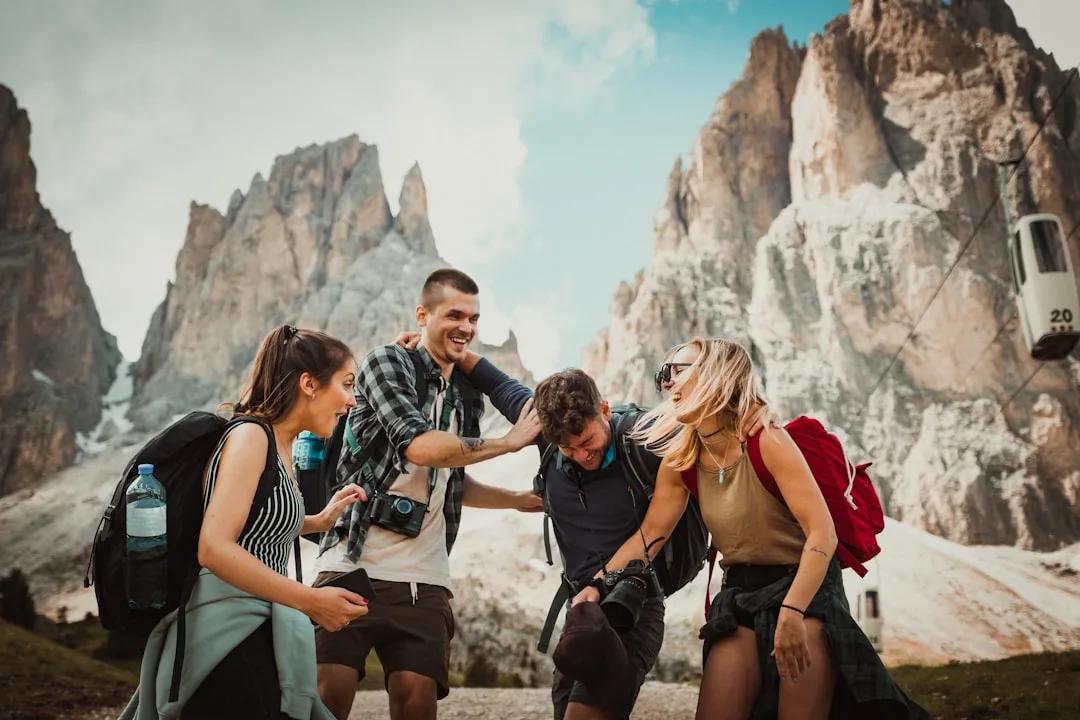
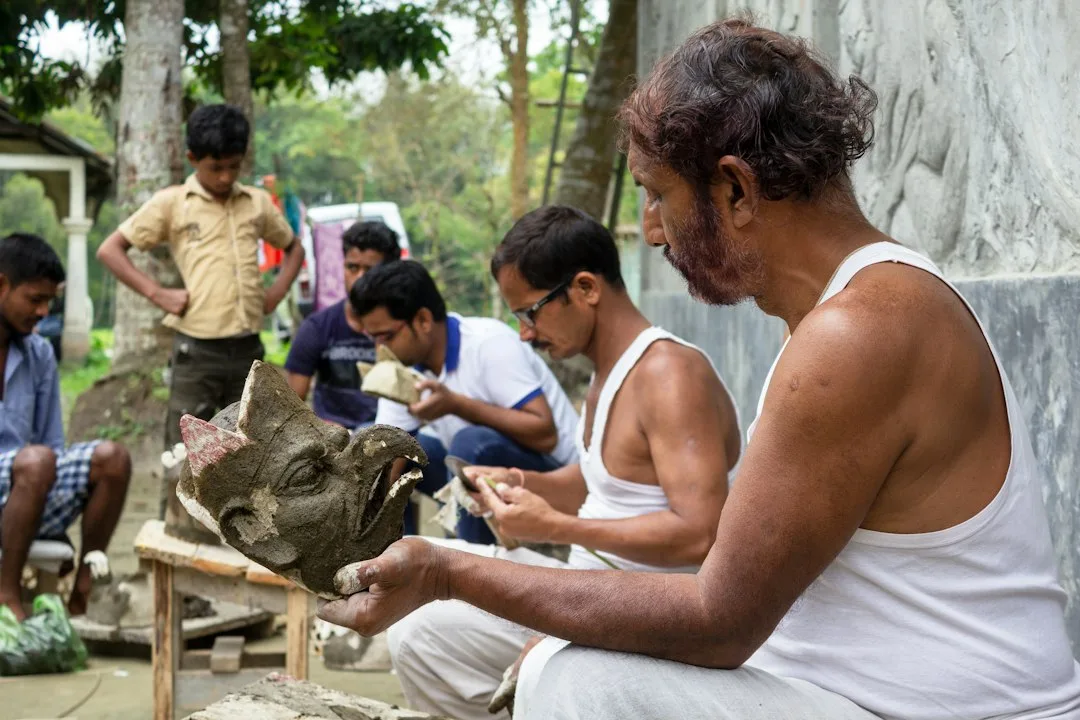
The most transformative travel moments happen when you stop being a spectator and become a participant. Instead of watching traditional crafts from behind a velvet rope, you sit beside an artisan and learn their technique. Instead of eating at tourist restaurants, you join locals at their favorite markets and street stalls, learning why they choose certain vendors and what makes their daily rituals meaningful.
These connections require vulnerability. You’ll stumble over language, misunderstand customs, and feel awkward. That awkwardness is where the magic lives. When you ask a question that reveals your ignorance and someone patiently explains their world to you, a genuine human moment emerges. Those moments create memories that last far longer than any Instagram post.
How to Find Authentic Experiences Beyond Tourist Traps
The challenge isn’t that authentic experiences don’t exist—they’re everywhere. The challenge is distinguishing between experiences designed to feel authentic and experiences that actually are. A “traditional cooking class” run by a tourism board isn’t the same as cooking in someone’s home kitchen with their grandmother who taught them everything they know.
Start by looking beyond mainstream travel guides. Read blogs from people who lived in the destination, not just visited it. Join local community groups online before you arrive. Ask your accommodation host where they actually eat, shop, and spend their free time. When you arrive, wander neighborhoods that don’t appear in guidebooks. Strike up conversations at bus stops and corner stores. The best experiences often come from random encounters that no algorithm could have predicted.
Your approach to packing and dressing also matters more than you might think. How Fashion Influences Travel and Adventure: A Style Guide for Explorers offers insights into blending in respectfully while staying comfortable. When you dress like a thoughtful visitor rather than a obvious tourist, people often respond with more openness and you feel more grounded in the environment.
Learning Language as a Gateway to Understanding
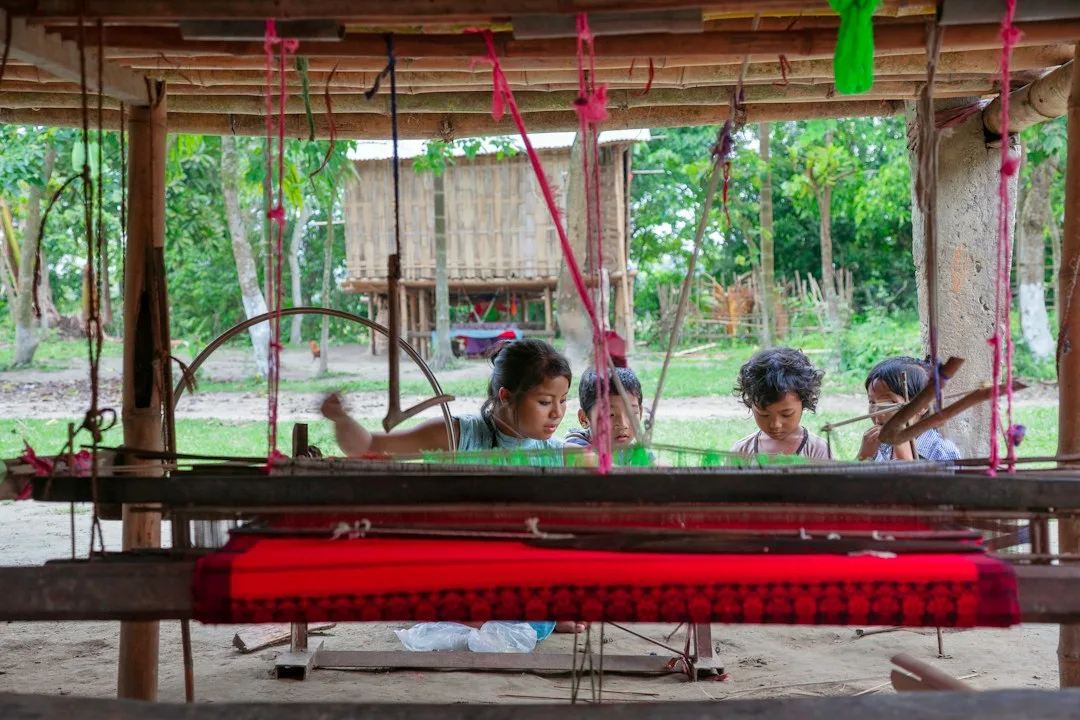
You don’t need fluency. You need effort. When you attempt to speak someone’s language, even badly, you signal respect for their culture. You also immediately access a different layer of how locals perceive and interact with their world. Words carry cultural assumptions, humor, and ways of thinking that don’t translate perfectly into English.
Spend time with language before you travel. Learn phrases beyond “hello” and “thank you”—learn how to ask genuinely curious questions. Learn words for the things you want to understand. This preparation transforms casual interactions into conversations. A street vendor who notices you’re trying to ask meaningful questions in their language will often share stories and recommendations they’d never give to someone just pointing at menu items.
Slow Travel as a Practice, Not a Luxury
Slow travel means staying longer in fewer places. Instead of visiting twelve countries in three weeks, you might spend two weeks in one region, or even one country. This isn’t about having unlimited time or money—it’s about prioritizing depth over breadth in whatever timeframe you have available.
When you stay longer, patterns emerge. You notice the rhythm of neighborhood life. You discover which cafes locals actually prefer and why. You stop being a guest passing through and start becoming a temporary member of the community. The people you meet start to recognize you. Your favorite shopkeeper remembers your order. You develop opinions about local politics and neighborhood gossip. This extended timeline is when cultural immersion actually happens.
If you’re considering travel to regions with complex histories and distinct cultures, resources like Essential Tips for Traveling to China: What Every Traveler Should Know help you prepare with respectful context. Arriving informed makes your time in any destination richer and your interactions more meaningful.