Slow travel tourism Southeast Asia has become the antidote to burnout travel. In 2025–2026, the average independent traveler now spends 3–4 weeks anchored in one region instead of rushing through five countries in fourteen days. This shift reflects a deeper craving: depth over destination checklist completion.
Why the Rush Culture Fractured
Between 2020 and 2024, digital nomad-style tourism flooded Southeast Asia with a speed-maximization mindset. Travelers booked overnight buses between Bangkok, Siem Reap, and Chiang Mai like they were collecting airport codes. The cost: surface-level interactions, carbon-intensive transport, and Instagram grids that looked identical across ten different travelers’ feeds.
By mid-2025, platforms like Agoda and booking.com began highlighting “local week stays” in their marketing. Major hotels in Hoi An, Vietnam and Luang Prabang, Laos started offering 7-night minimum discounts—a direct signal that slower stays now generate more revenue per bed than rapid turnover.
The data supports it. Travelers spending 21+ days in a single country report 3× higher satisfaction scores on travel journals compared to those doing the “grand tour.”
Quick Tips
- Base yourself for 3–4 weeks in one city (Chiang Mai, Ubud, or Da Nang work best).
- Skip the tourist shuttle buses; rent a motorbike or bicycle instead and explore on foot daily.
- Eat at the same restaurant twice—the owner will start treating you like a regular, not a transient.
- Book cooking classes or craft workshops, not skip-the-line museum tours.
- Use coworking spaces even if you’re not remote—communities form there fastest.
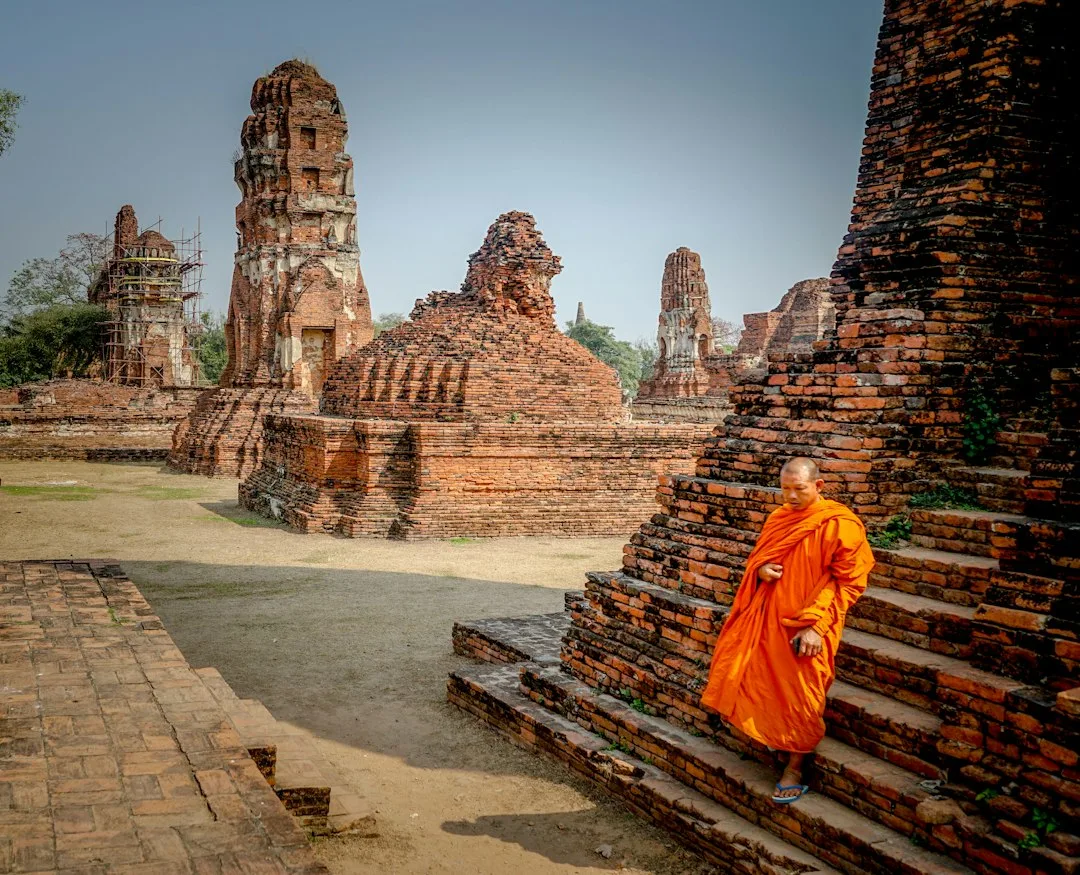
How Slow Travel Tourism Southeast Asia Cuts Emissions
Slow travel tourism Southeast Asia reduces per-journey carbon output dramatically. One flight from Sydney to Hanoi produces roughly 1.2 metric tons of CO₂ per passenger—but that flight now carries travelers staying 28 days, not 7.
Distributed across four weeks, the carbon-per-day metric plummets. Meanwhile, ground transport within regions (sleeper trains, local buses, motorbikes) replaces short-haul flights that used to bridge countries.
| Travel Pattern | Flights Per Month | Monthly CO₂ Footprint |
|---|---|---|
| Fast-paced (5 countries, 14 days) | 4 flights | 4.8 metric tons |
| Slow travel (1 country, 28 days) | 1 flight | 1.2 metric tons |
| Extended slow (1 region, 12 weeks) | 1 flight | 0.4 metric tons |
This is why major tourism boards in Thailand and Cambodia are now backing slow-travel incentive programs. The Thai government’s “Long Stay Visa” for 180 days, launched in 2025, explicitly positions lingering travelers as the primary demographic.
Building Real Community Takes Time
The #1 mistake travelers make is assuming relationship-building happens in days. A tourist walks into a local coffee shop in Hoi An, stays two nights, and leaves feeling like they’ve “connected with Vietnam.”
Slow travel tourism Southeast Asia requires repetition. On day two in a new city, you’re still a face. By day fourteen, the café owner reserves your preferred table. By day twenty-one, they’re offering you free coffee and introducing you to their daughter who speaks English.
Companies like Remote Year and Coliving hubs (Outpost, Selina) have capitalized on this by offering month-long residencies in Chiang Mai, Ho Chi Minh City, and Cebu. These aren’t hotels; they’re community homes where 20–40 travelers live together, reducing isolation and deepening local ties simultaneously.
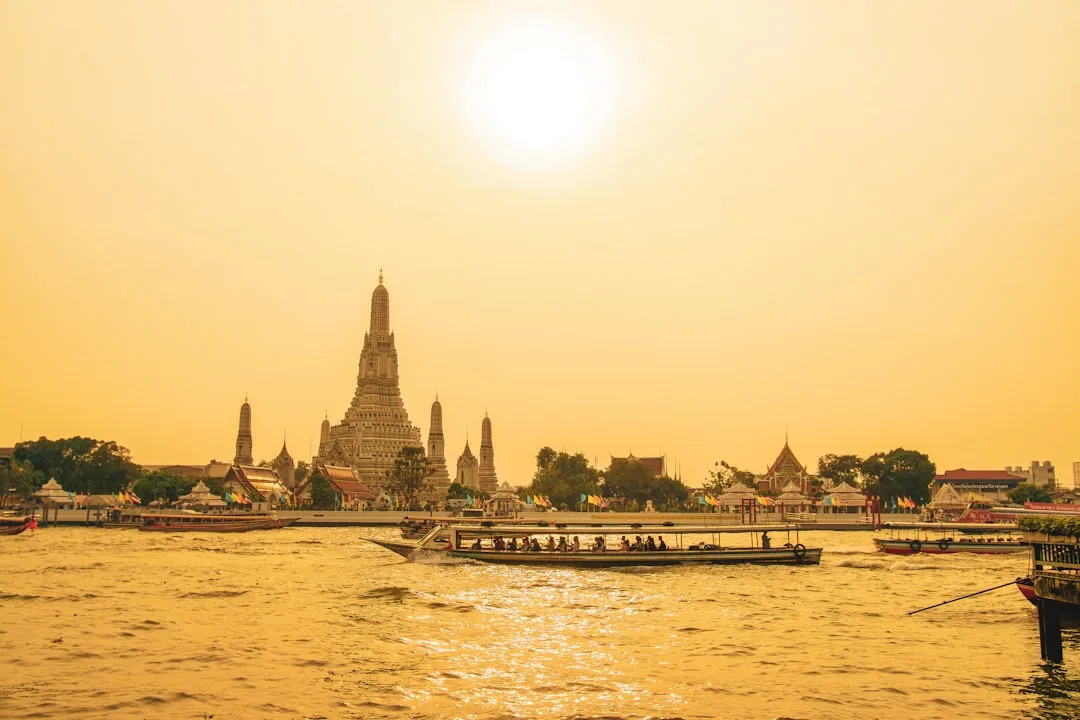
Slow Travel Tourism Southeast Asia and Seasonal Rhythms
Slow travel tourism Southeast Asia also unlocks seasonal logic. The monsoon season (May–October) isn’t actually a travel void—it’s when prices drop 30–50%, crowds vanish, and you experience landscapes as locals do, not as tourist postcards.
Spending four weeks in Ubud during the rainy season means witnessing rice terraces flood with life, attending temple festivals without tour groups, and eating at restaurants designed for locals, not Instagram feeds. How Fashion Influences Travel and Adventure: A Style Guide for Explorers addresses how lightweight, moisture-wicking clothing transforms this seasonal immersion—fabrics that breathe in humidity, colors that match local dress codes, and packing strategies that allow 4-week rotations without laundry stress.
Regional trains like the Reunification Express through Vietnam or the Eastern & Oriental Express across Southeast Asia become part of the journey narrative, not just transport. A 36-hour sleeper ride replaces a 2-hour flight, and the landscape—not the destination—becomes the story.
Economic Ripple: Where Money Actually Stays Local
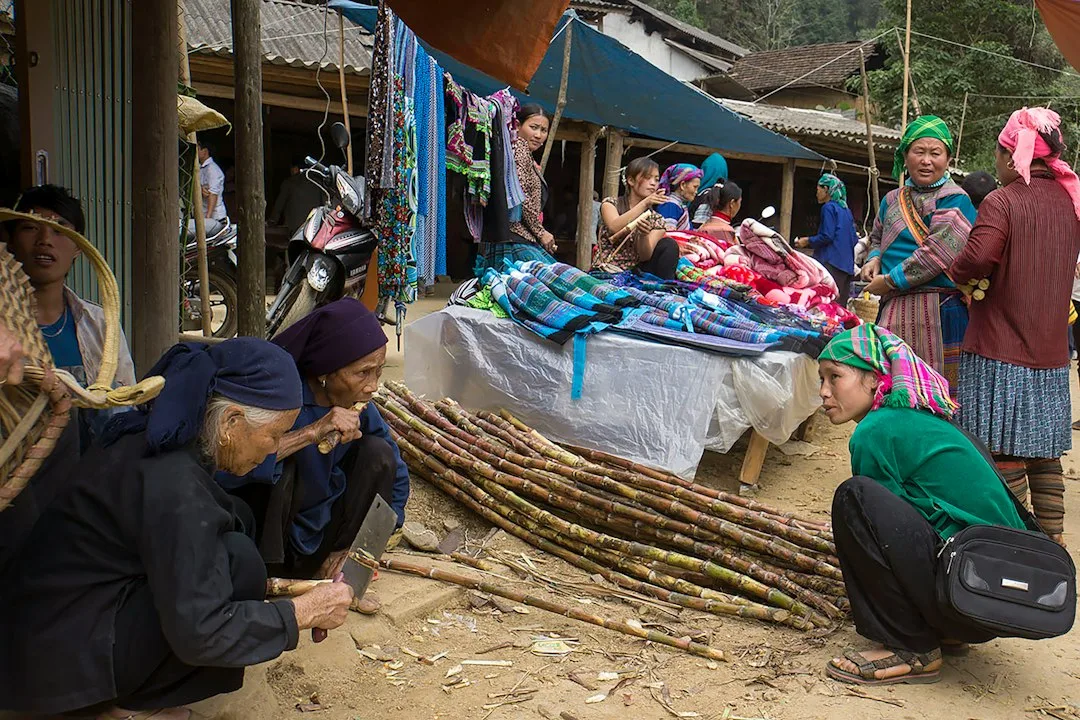
Fast tourism funnels spending to airport hotels, franchise restaurants, and tour operators. Slow travel tourism Southeast Asia inverts this flow. A traveler spending 28 days in a provincial town rents a private apartment, eats at family-run restaurants, books independent guides, and buys goods at morning markets.
Siem Reap, Cambodia saw a 23% increase in mid-range accommodation bookings (not luxury) between 2024 and 2025, while luxury resort occupancy fell. This data suggests travelers are staying longer in cheaper homes rather than shorter stays in expensive ones.
Essential Tips for Traveling to China: What Every Traveler Should Know mirrors this trend in Asia broadly: the shift from resort isolation to neighborhood embedding creates entirely different spending patterns and requires different preparation strategies—language basics, local currency preference, and familiarity with neighborhood rhythms over tourist amenities.
The Practical Framework for Starting Slow
To execute slow travel tourism Southeast Asia, start by choosing one anchor city. Chiang Mai, Penang, Phnom Penh, or Da Nang are ideal—large enough for coworking spaces and English accessibility, small enough to feel navigable after three weeks. Book your first week of accommodation, nothing more.
Extend weekly as you settle. Day seven, you’ll know whether to stay another week or move. This removes the pressure of committing 28 days upfront while respecting the reality that slow travel works best as an iterative choice, not a rigid plan.
Costs run $800–$1,400 monthly for most Southeast Asian cities (food, housing, transport, activities combined), making slow travel cheaper per day than fast tourism when you factor in reduced flight frequency and activity spending.