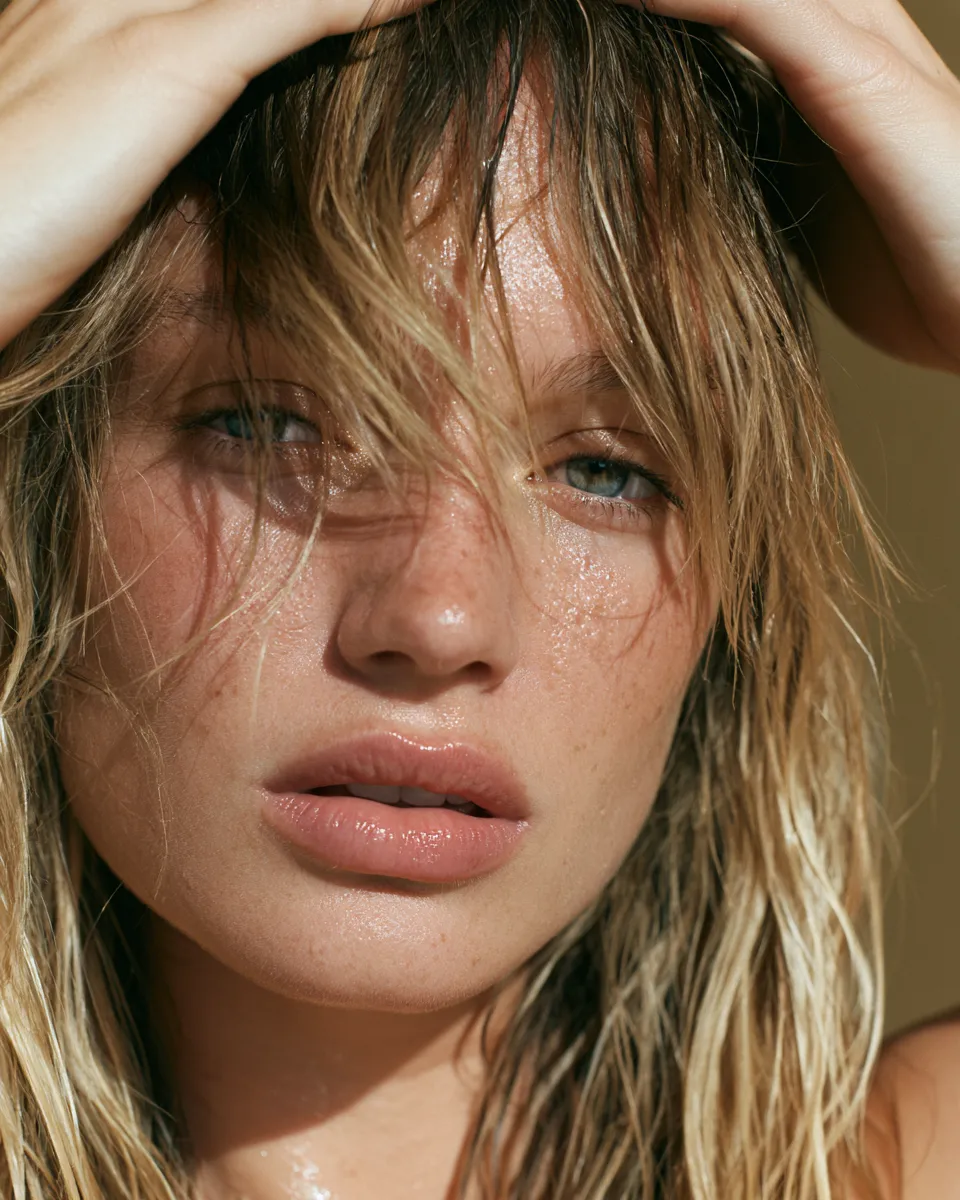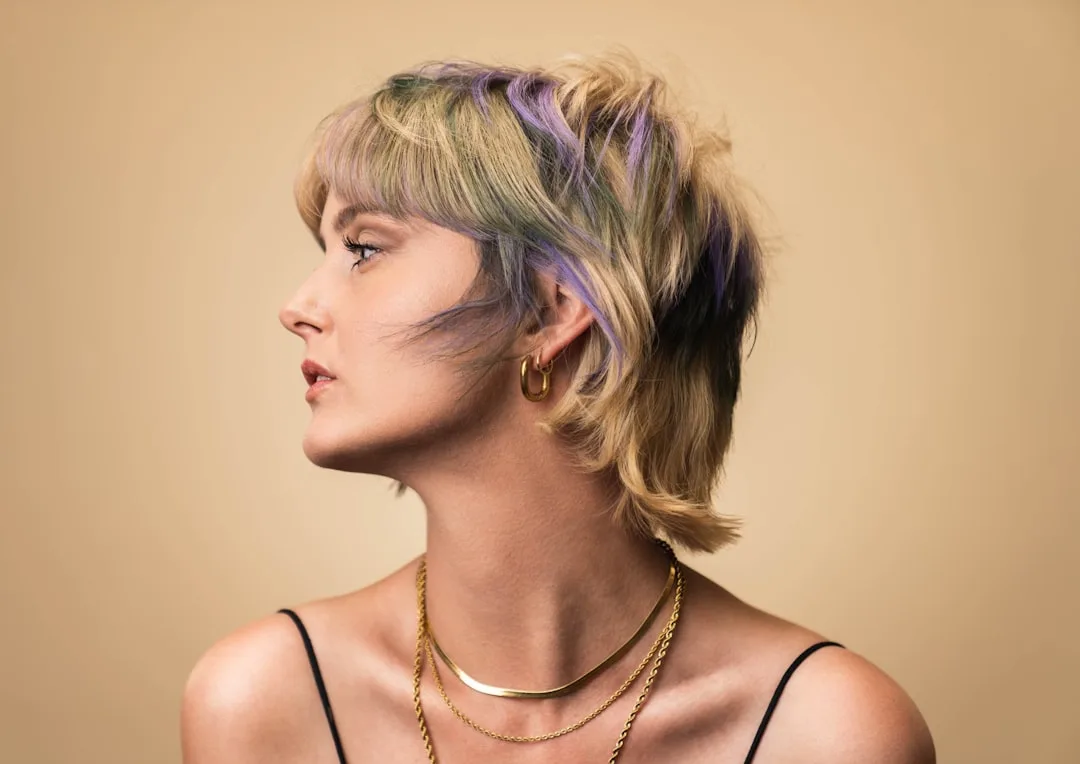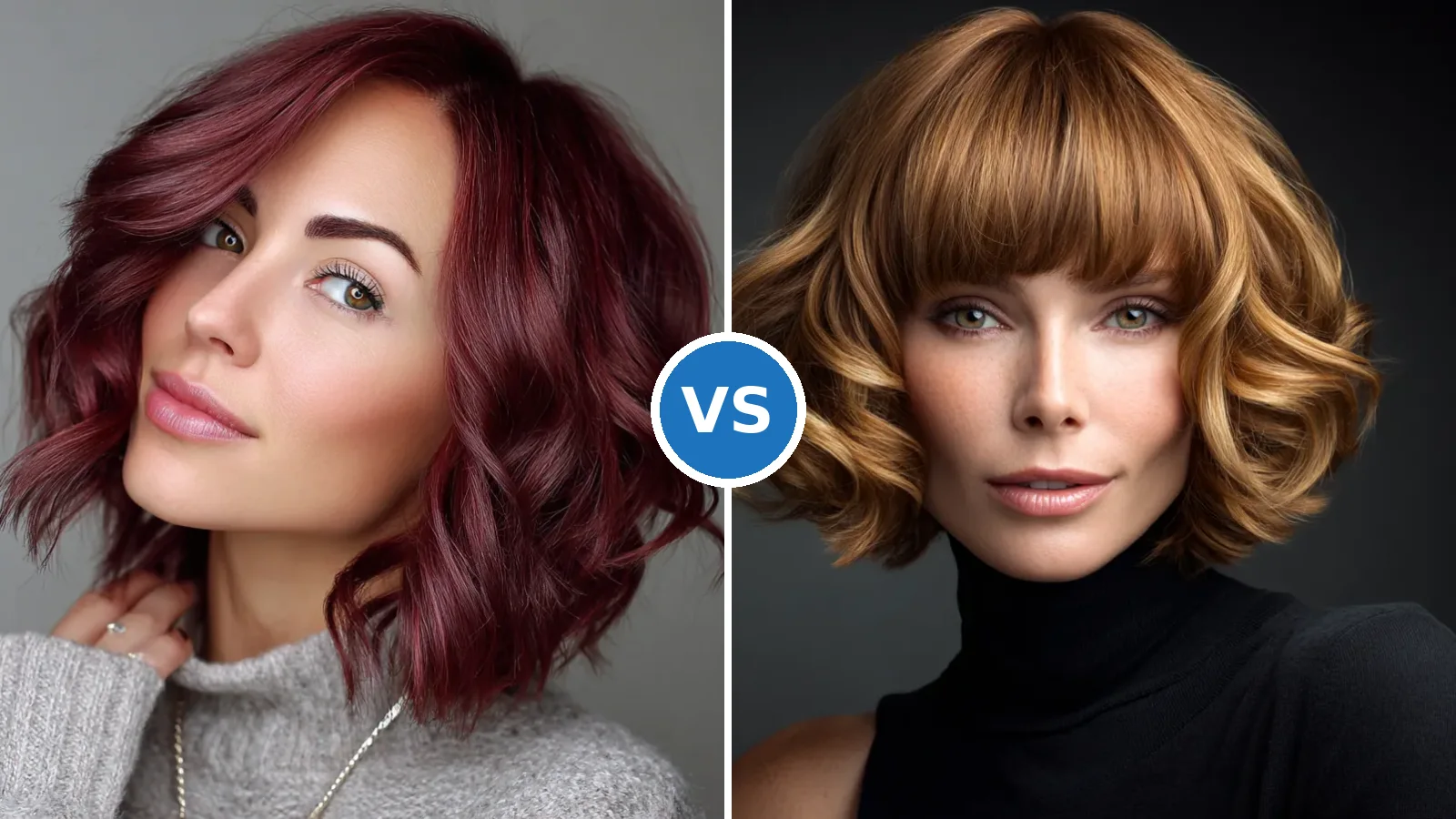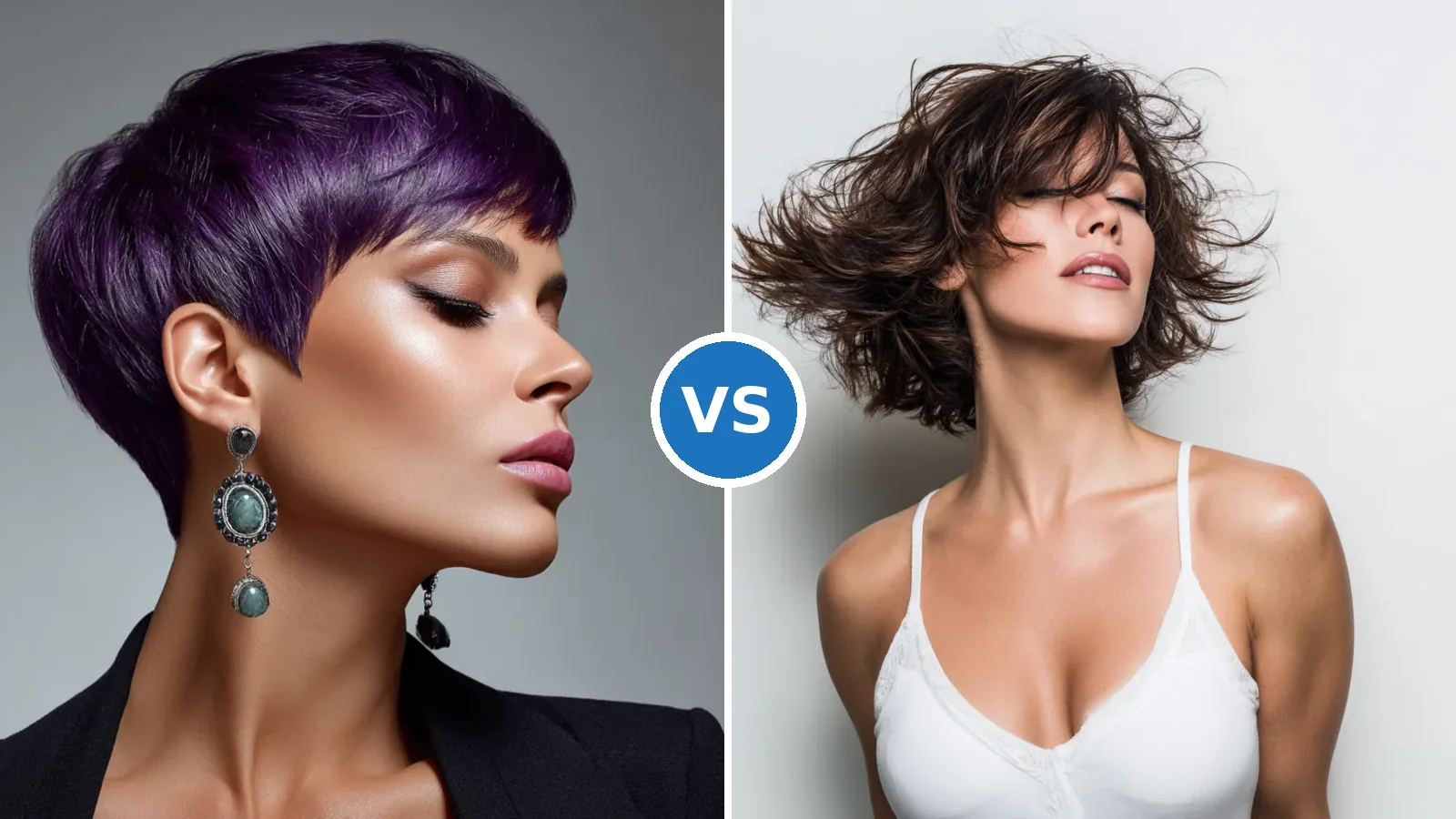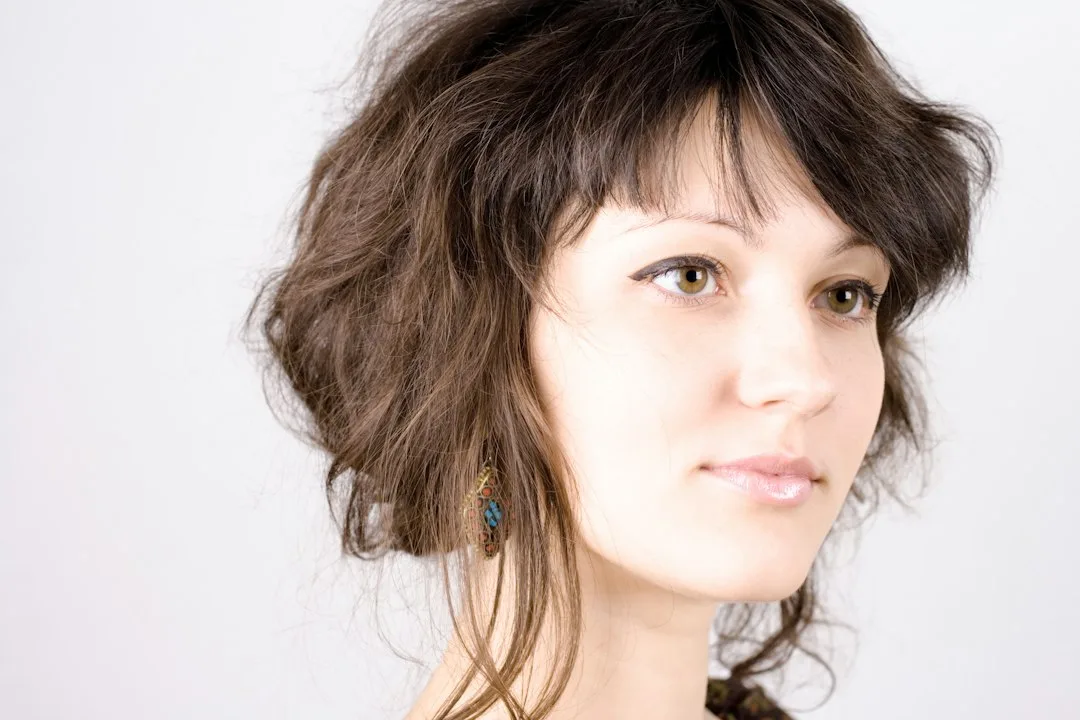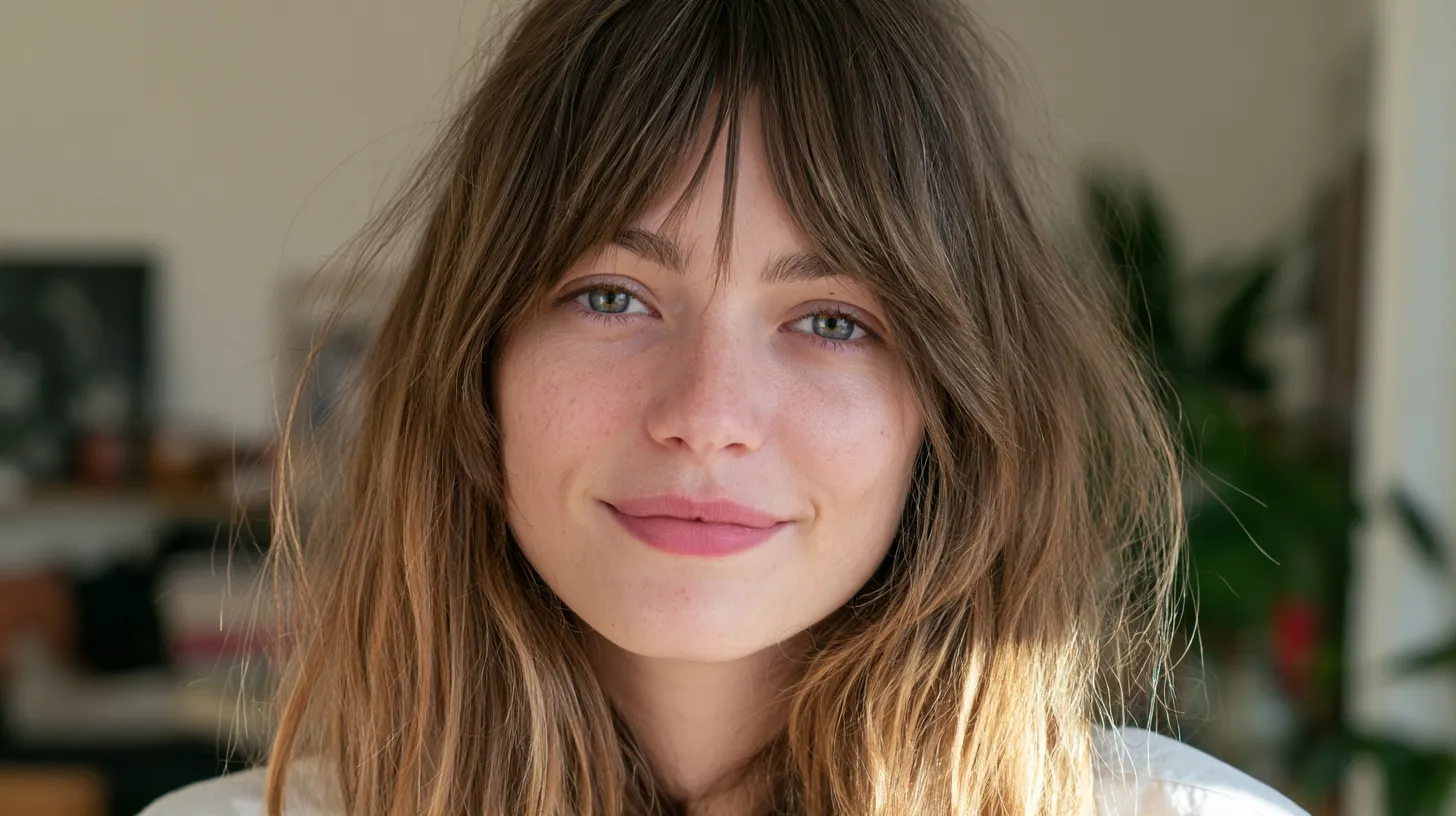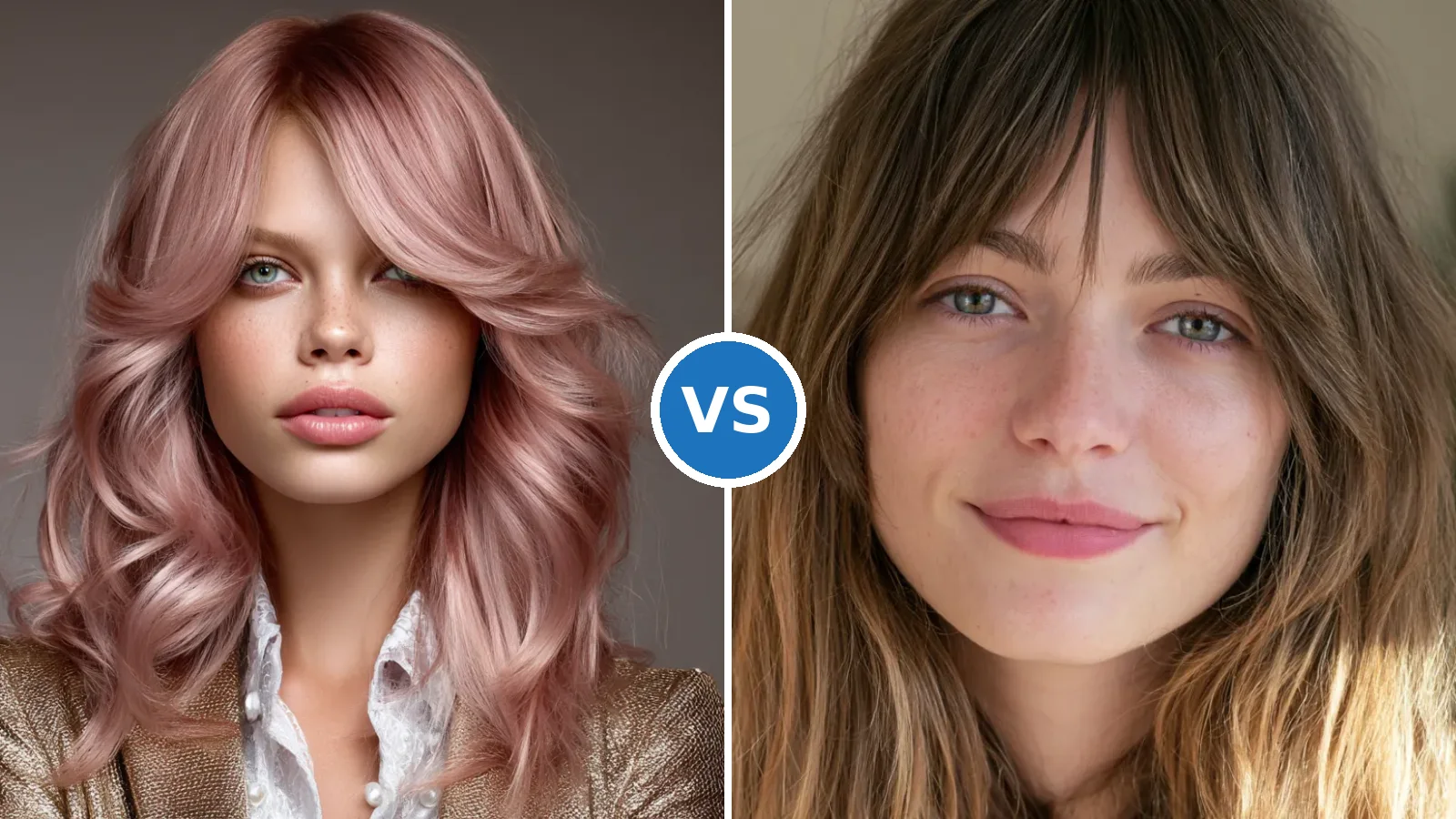
When you’re choosing between two popular ways to add movement to long hair, understanding curtain vs butterfly bangs is key. Both promise movement and dimension, but they deliver that promise in completely different ways. Understanding the structural difference—and the time commitment each requires—will determine which one actually works for your lifestyle.

Curtain vs butterfly bangs — what they actually are
A butterfly layers haircut is a full-head layering technique where shorter face-framing layers sit near the top, then gradually lengthen as they move toward the back and ends. The signature result is a silhouette that moves with lift at the crown and flow through the lengths—never stiff, always dynamic. This cut works on the principle that structured layers throughout your hair create inherent movement.
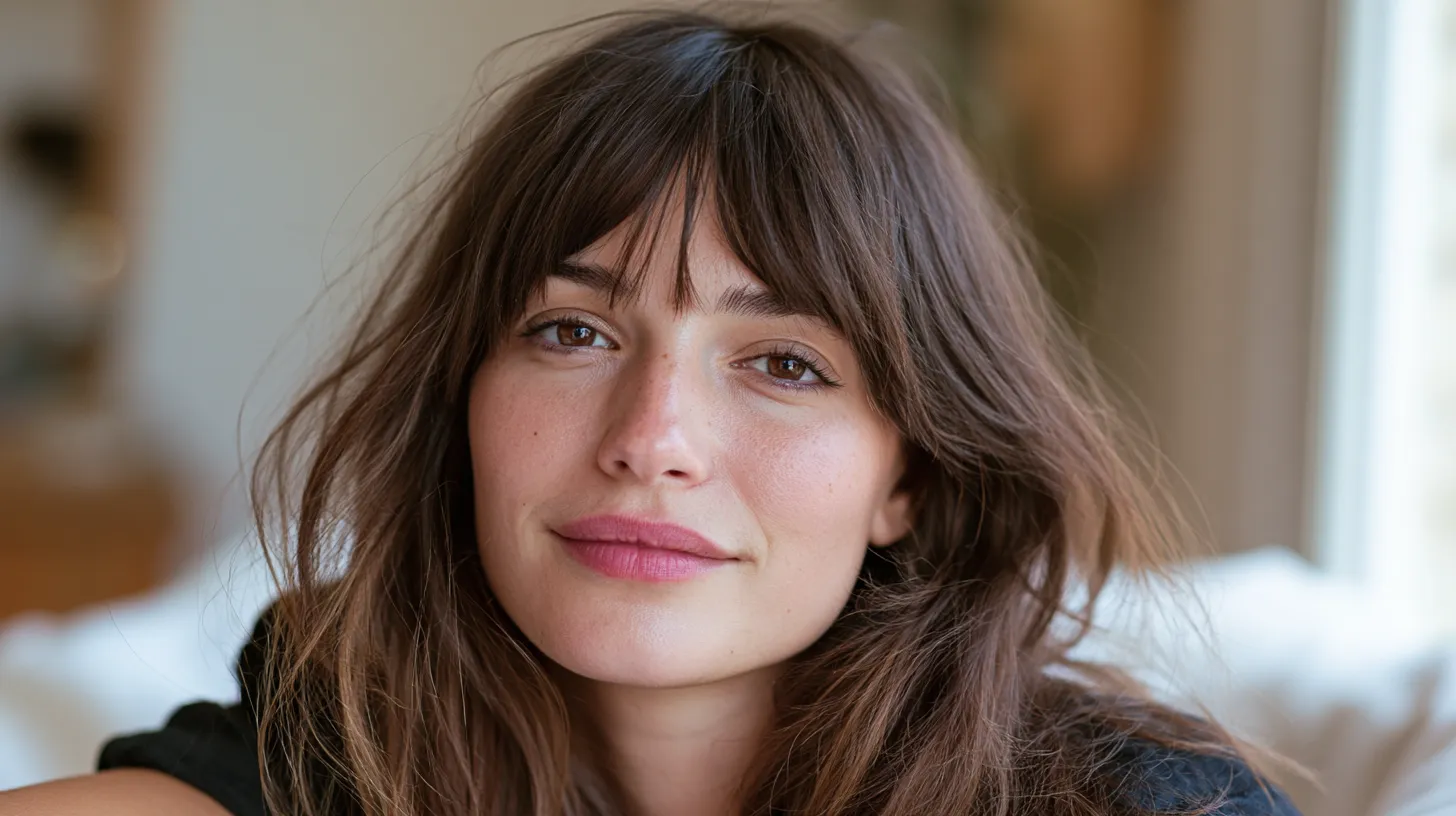
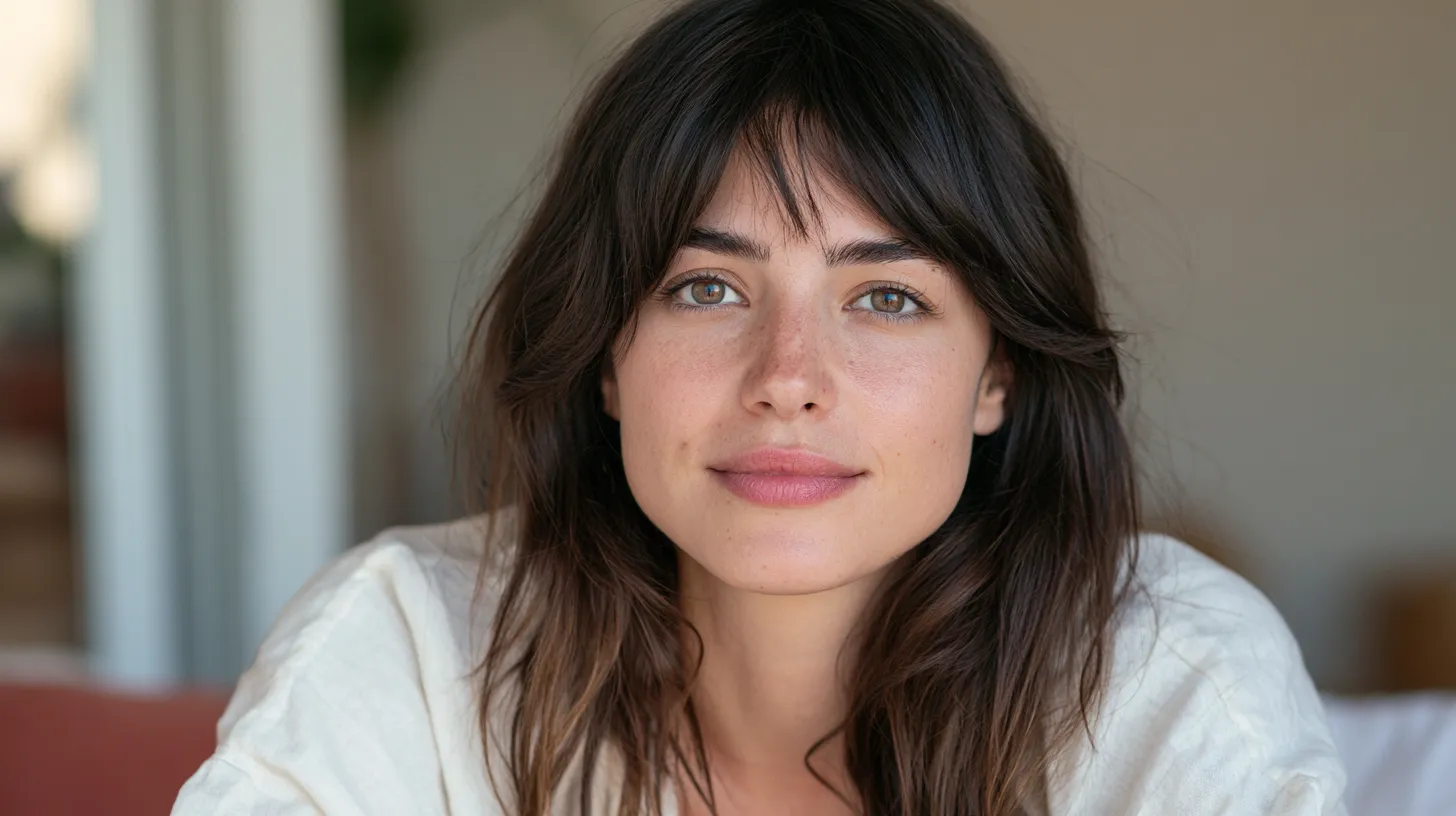
Curtain bangs, by contrast, are a specific bang placement that frames both sides of the face before melting into the longer lengths behind. Rather than restructuring your entire head, you’re adding a curtain-like frame at the front. Styling curtain bangs on second day hair requires minimal heat and effort, relying on natural texture and light products to hold their swept shape throughout the day.
Quick Verdict
- Choose Butterfly Layers if you want movement that requires minimal daily styling and prefer a cut that transforms your entire silhouette.
- Choose Curtain Bangs if you enjoy a small daily styling ritual and want a framing element without committing to a full head restructure.
Movement, styling demand, and daily maintenance
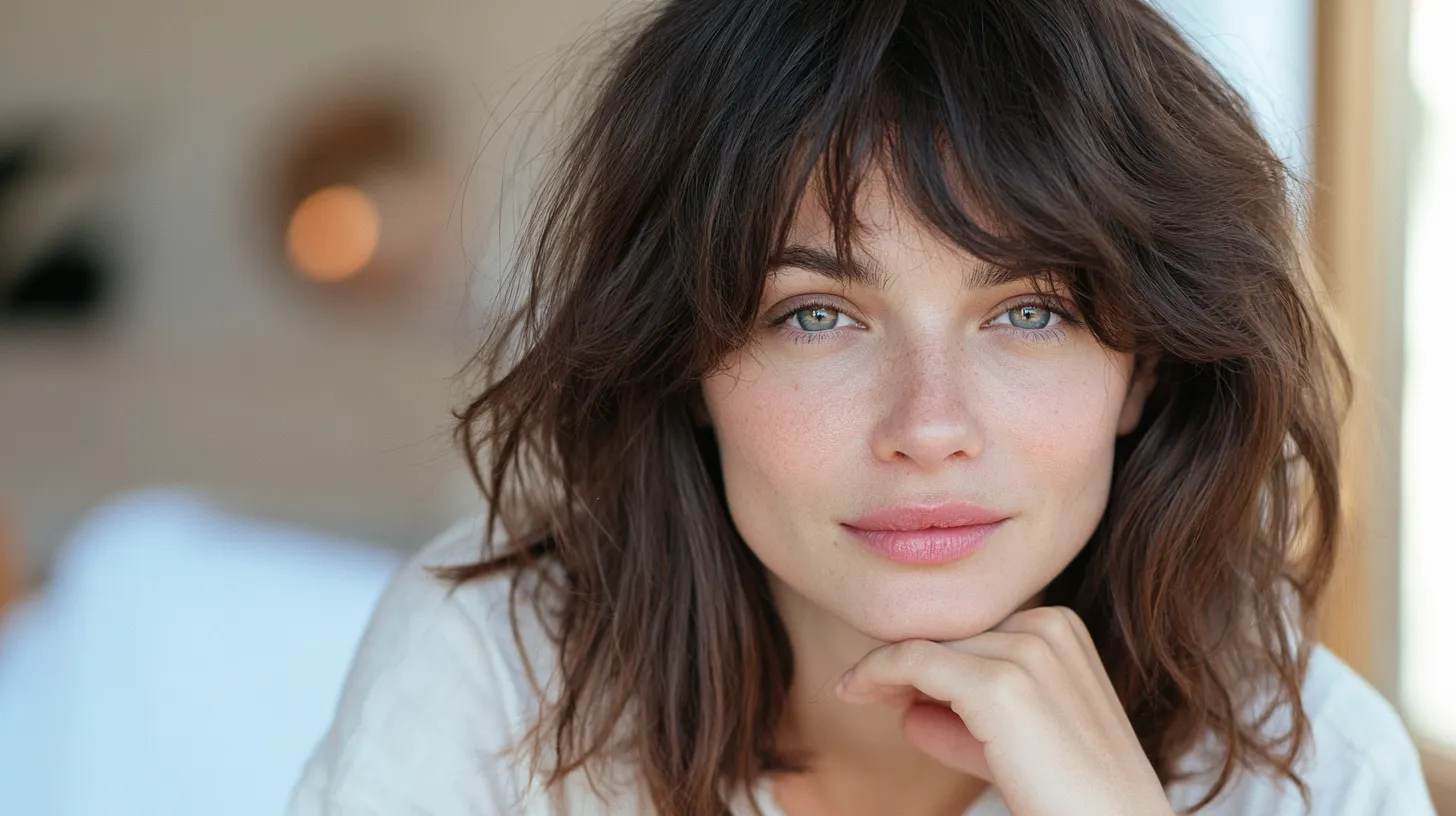
Butterfly layers create movement through architectural structure—the hair is cut to sit in lifted, separated sections that naturally cascade. You blow-dry with a round brush for lift and smoothing, or simply air-dry with a touch of serum and the cut maintains its shape. The movement is built into the geometry of the cut itself, not dependent on product hold or technique finesse.
Curtain bangs deliver movement through placement and styling finesse rather than cutting structure. The bangs part in the center and sweep outward, creating that iconic frame. However, holding that shape day-to-day involves misting the bang section with water on day two, repositioning with your fingers, possibly using a small amount of dry shampoo at the root for grip, and setting the arc with a Velcro roller. This is a deliberate, repetitive styling process.
If you prefer minimal daily styling, butterfly layers win—the cut does the work. If you’re willing to invest 4 minutes each morning for a precise, polished frame, curtain bangs reward that effort.
| Criteria | Butterfly Layers | Curtain Bangs |
|---|---|---|
| Movement Source | Built into cut structure | Created through styling and placement |
| Daily Styling Time | Minimal (blow-dry or air-dry) | 4–5 minutes with mist, roller, and product |
| Product Dependency | Light serum or spray optional | Mist, dry shampoo, flexible-hold spray |
| Second-Day Hold | Maintains shape without extra effort | Easier to style than day one due to natural oils |
| Full-Head Impact | Restructures entire silhouette | Frames the face; leaves back lengths mostly unchanged |
| Color Compatibility | Enhances with dimensional color work throughout the cut | Works with any color; not dependent on color choice |

Where butterfly layers win
Butterfly layers excel when you want to eliminate the feeling of weight or flatness that long hair naturally carries. The shorter face-framing segments draw focus upward, while the graduated lengths prevent that heavy, static appearance at the ends. The cut works with your hair’s natural movement rather than fighting against it.
This technique also adapts brilliantly to color. The layering structure shows off dimensional color work at every angle, whether you choose warm tones to enhance shine or cool tones for contrast. Each tier catches light differently, making the color choice feel more intentional and multifaceted.
You’re also not locked into a bang style. If you wake up and want to wear your hair away from your face, butterfly layers work. If you want them sweeping across your forehead one day, they can. The flexibility is inherent to the cut.


Where curtain bangs win
Curtain bangs require zero cutting commitment to your entire head, which is significant if you want to preserve length while adding only a framed element. You keep your back lengths untouched—no graduated layers, no structural changes—and gain a sophisticated face-framing device with one targeted cut.
They also offer psychological satisfaction in a way butterfly layers don’t. Styling your curtain bangs each morning—resetting the part, adding grip at the root, using a Velcro roller to set the arc—is a mini ritual that feels intentional and controlled. For some people, that small investment of time and attention makes the style feel more earned and polished.
On second-day hair, curtain bangs actually perform better than on freshly washed hair. The natural oils coating your strands from sleep act as a light-hold primer, and the existing texture gives the shape more grip. You’re working with, not against, the hair’s natural state.
The biggest mistake when choosing between them
The most common error is assuming both options require the same daily commitment and then feeling disappointed when reality doesn’t match expectations. Someone chooses butterfly layers thinking they’ll wake up with perfect movement every morning, air-dry once, and be done—then feels frustrated when blow-drying actually does make a visible difference in how the layers land and how polished the result looks.
Conversely, someone picks curtain bangs assuming they’re a “cut it once and forget it” solution, only to discover that day two requires an intentional 4-minute styling session with mist, product, and a roller. If that person expects to simply brush them and move on, they’ll abandon the style within a week because it’s not holding the shape they want.
The mistake is not matching your own styling personality to the actual maintenance rhythm each option demands. Assess honestly: do you enjoy a morning styling ritual, or do you prefer to wash and go?

Final verdict — which should you choose
Choose butterfly layers if you want a structural transformation that brings lift and movement throughout your entire head of hair and you’re willing to use a blow-dryer or invest in air-drying products. You’re paying for a full-head restructure that changes your silhouette permanently—it works from day one without styling tricks.
Choose curtain bangs if you want to preserve your current length and back texture while adding only a face-framing element, and if you genuinely enjoy a brief daily styling moment. You’re getting a sophisticated frame that feels polished and intentional, with the trade-off that it needs 4 minutes of attention most mornings to hold its shape.
Both deliver movement and dimension to long hair. The winner is the one that matches how you actually spend your mornings.