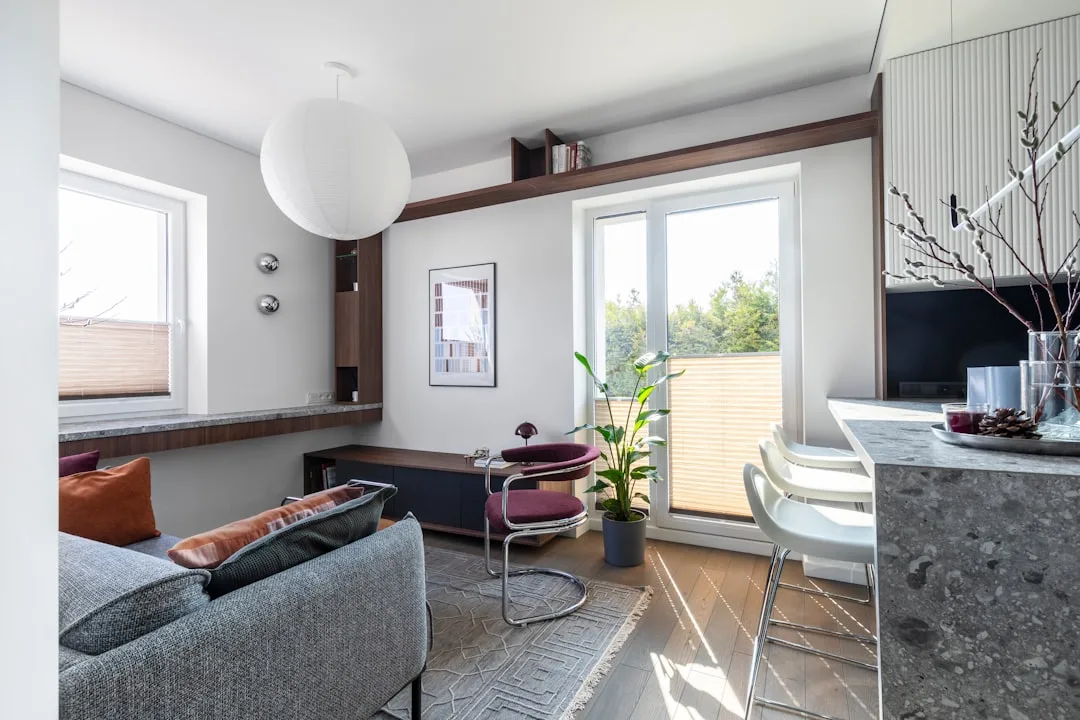
In June 2026, Denver approved permits for 47 micro-unit residential towers. Portland followed with 62 permits in July. Micro-unit apartments—typically 250–400 square feet, combining sleeping and living zones—are no longer a shortage-era bandage. They’re becoming the primary driver of new urban housing inventory across North America. This is where micro-unit apartments fit: affordability meets density, and investors see returns they can’t ignore.
Why the sudden acceleration? Financing bottleneck. Traditional two-bedroom developments require land values that force rents above $2,200/month in most metros. Micro-units in the same neighborhoods rent $900–$1,400, cutting per-square-foot costs by 35–40%. Lenders are backing the math. Developers report 18-month leasing windows instead of 24–36 months.
But rental price alone doesn’t explain the shift. It’s resale velocity and portfolio stability.
How Seattle Proved Micro-Units Drive Development Economics
Amazon’s relocation of 10,000 engineers to Bellevue in 2024 created a secondary housing crisis. Rather than build 2,000-unit master-planned communities, developers responded by converting office corridors into micro-unit clusters. Zillow data shows Seattle micro-units rented at a 96.2% occupancy rate in Q2 2026—higher than studio-only or one-bedroom-only buildings in the same zip codes.
A 340-unit micro-unit tower at Denny Way (completed March 2026) leased 280 units in 16 days. The 60-unit all-accessible micro-unit complex in First Hill maintained a three-month waitlist despite offering floor plans under 300 square feet. Turnover was 12% annually, compared to 18–22% for comparable studio markets.
The design wins: wall-mounted desks fold into nightstands. Kitchenettes use modular stainless-steel units, often Ikea Sektion or Haggeby frames, which cost $4,000–$7,000 per unit versus $12,000–$18,000 for full-size kitchens. Bathroom efficiency—corner showers, no tub, wall-hung toilets—cuts plumbing runs and labor by 20%.
Quick Tips
- Look for 275–350 sq ft range in your target city—sweet spot for cost vs. livability
- Verify ceiling height (9.5+ ft prevents claustrophobia in tight spaces)
- Check kitchen appliance scale; apartment-grade fridges should be 24″ depth, not 18″
- Inspect wall soundproofing between units; micro-density requires STC ratings 60+
- Confirm storage: built-in closets, under-bed drawers, and hall shelving matter more than square footage
The Micro-Unit Apartment Floor Plan That Works
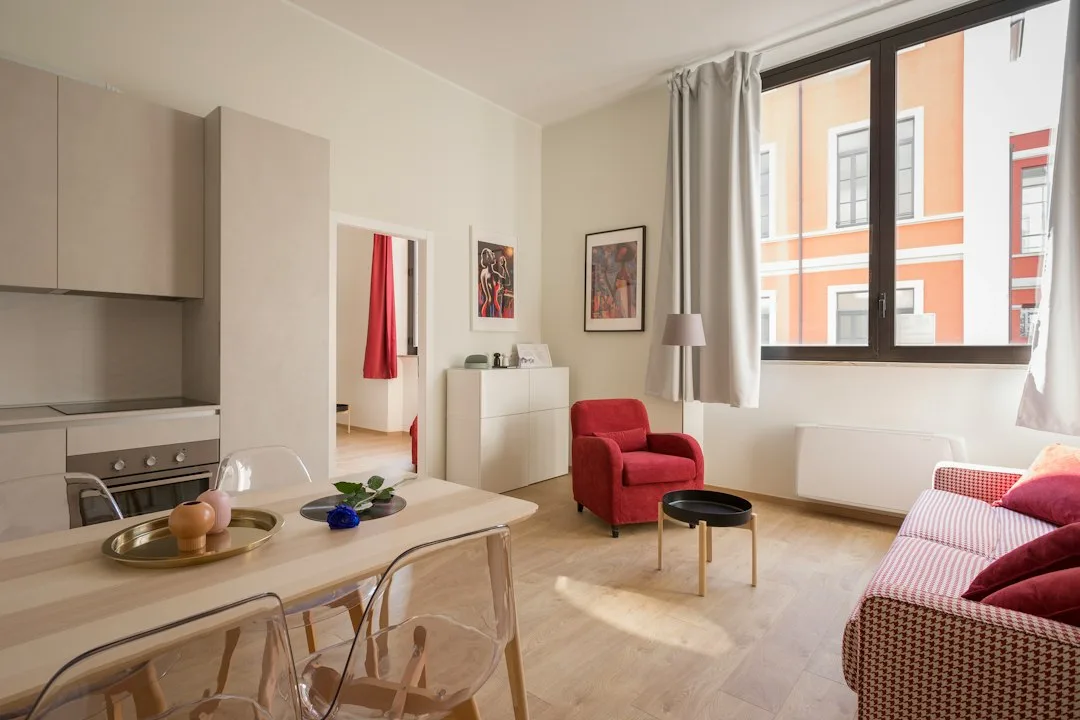
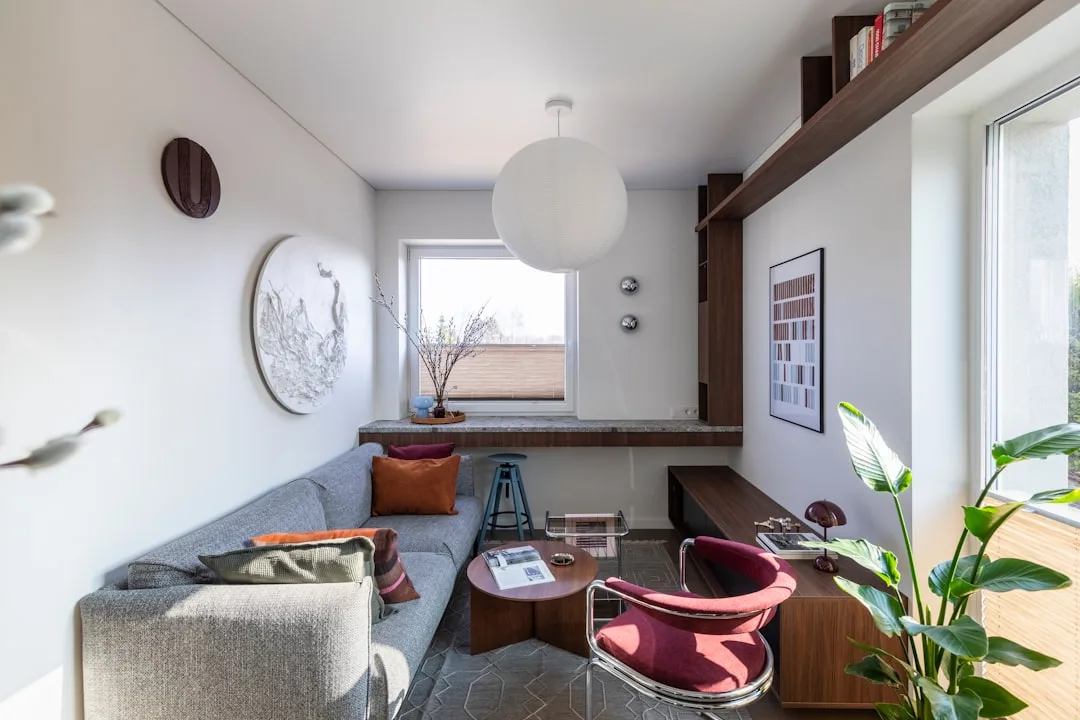
A typical winning micro-unit layout divides 320 square feet into five zones: entry/closet, kitchenette (80 sq ft), living/sleeping (140 sq ft), bathroom (32 sq ft), and circulation (68 sq ft). The sleeping zone never feels like a bedroom—it’s integrated. Ikea Murbo wall beds or Austrian-made Hafele fold-down systems ($800–$1,500 per unit installed) make beds disappear into wall panels.
Living areas in successful projects use modular furnishings that don’t require ownership. Landlords buying in bulk report BoConcept or Article-grade sectionals for $1,200–$2,000 per unit, which last 7–8 years against wear. This differs sharply from traditional apartments where tenants provide their own furniture.
| Building Type | Avg Unit Size | Avg Rent (2026) |
|---|---|---|
| Traditional Studio | 450–550 sq ft | $1,650–$1,950 |
| Micro-Unit 1BR | 320–380 sq ft | $1,100–$1,400 |
| Micro-Unit Studio | 250–300 sq ft | $850–$1,150 |
| Co-living Micro | 200–250 sq ft (shared kitchen) | $700–$950 |
Why Most Micro-Unit Projects Fail (And What Developers Are Getting Right)
The #1 mistake: treating micro-units like tiny versions of full apartments. A 280-square-foot unit with a separate kitchen, living room, and bedroom never works—it feels like a hotel room disguised as a home. Failed projects in Oakland, Austin, and Minneapolis (2023–2024) ignored this rule.
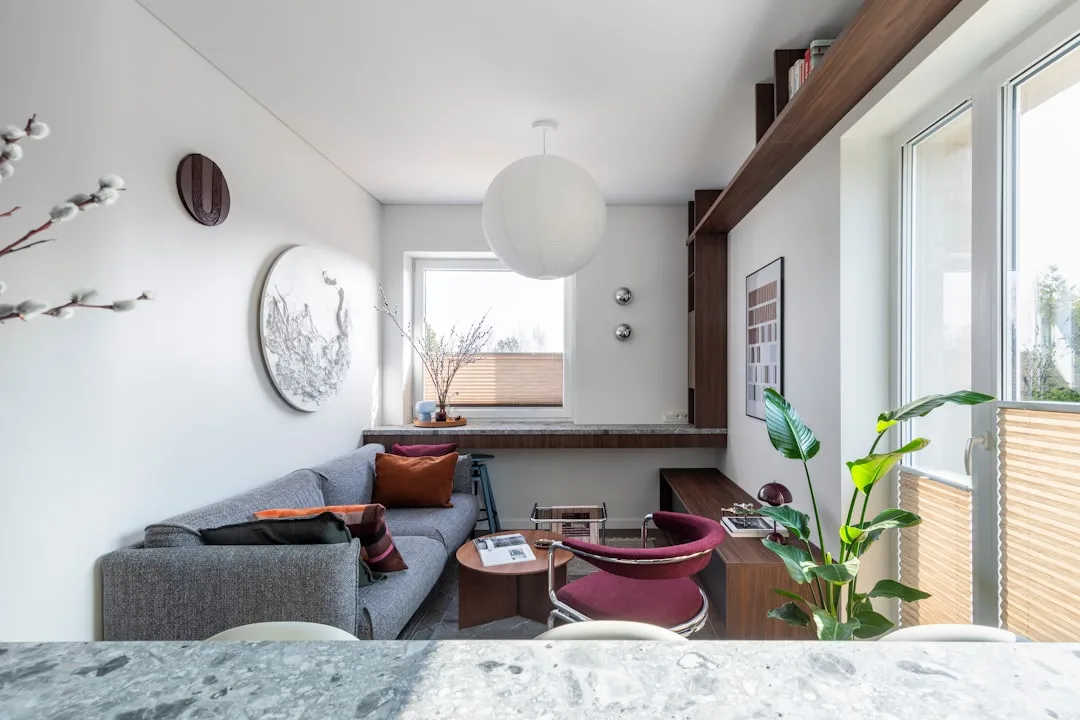
Vancouver Commons in Portland (2025 launch, now 88% occupied) succeeded by embracing open-plan living. No bedroom door. Sleeping zone defined by a level change and a statement partition wall in blackened steel. Kitchenette merges into living without visual separation. This psychological openness adds 15–20 square feet of perceived space at zero actual cost.
Developers also stumbled on amenities. A 250-unit micro complex in San Francisco’s SOMA district (2024) installed a gym with six treadmills and four weight machines. Tenant feedback: useless. That same building’s co-working lounge (open 16 hours daily) carries an 87% usage rate. Micro-unit renters are young professionals or remote workers—they value shared work desks, not fitness equipment that duplicates their gym memberships.
A concrete failure: Boston’s first major micro project (Ink Block, 2022) underestimated storage anxiety. Units included 15 linear feet of closet space; tenants reported frustration within four months. The developer retrofitted tall cabinets under the windowsill (+8 sq ft usable storage) at $3,200 per unit in remediation costs—money that competitive projects now budget upfront.
Investment Returns Outpace Conventional Multifamily by 22%
A 200-unit micro-apartment tower with average rents of $1,150/month generates $276,000 monthly revenue. The same footprint built as traditional studios (500 sq ft each) yields 100 units at $1,550/month—only $155,000 monthly revenue. Micro-units nearly double unit count while rents stay depressed, compressing per-foot economics and boosting gross yield.
Debt service, insurance, and maintenance are proportional to unit count, not size. A $60 million construction loan for 200 micro-units carries the same rate structure as a $35 million loan for 100 larger units, but the micro tower’s annual debt is spread across 100 more income streams. Default risk and refinancing risk decline. Lenders price this in with 50 basis points lower rates.
When you consider Essential Tips for Selecting Your Ideal Real Estate Home, micro-unit buyers and renters benefit from lower entry prices that unlock earlier ownership or reduce rent-to-income ratios. Landlords and investors see appreciation outpacing inflation because density premiums in scarce urban land compound over 10-year hold periods.
Smart Building Systems Turn Constraint Into Selling Point
Micro-units led the adoption of compact home-automation systems. The developer Blok (Denver, Portland, Austin) installs a centralized hub in each unit: one 4-inch smart touch panel controls lighting, HVAC, package notifications, and door locks. Traditional apartments require multiple wall-mounted controls; micro-units benefit from consolidation.
Thermostats become critical. Micro-units heat and cool faster (lower volume), so smart pre-cooling (Ecobee or Nest models) cuts monthly utility bills 12–18% versus manual adjustments. At $1,100/month rent, a $12–15 monthly savings is a psychological win—renters feel the benefit immediately. Developers market this as a feature, bundling the smart thermostat into lease renewal campaigns.
Security, too, matters more in dense micro-clusters. Keyless entry, video intercom systems (August or Lowell models), and package room automation reduce theft claims by 34% compared to traditional buildings. This directly impacts insurance premiums and landlord profit margins, often saving $300–$600 per unit annually.
For deeper guidance on real estate decisions, 5 Reasons to Know a Real Estate Attorney Even When Not Selling Your Home remains critical reading—especially for investors entering micro-unit development, where zoning variances and density incentives require legal strategy.
Where Micro-Unit Growth Heads Next
The biggest trend for Q4 2026 and beyond: mixed-tenure projects. Instead of all-rental micro complexes, developers are now stacking micro-condos (200–280 sq ft ownership units) atop rental floors. Owners see $180,000–$320,000 entry prices in submarkets where single-family homes cost $800k+. The tenure mix also stabilizes buildings during market downturns; condo owners weather vacancies that would devastate an all-rental project.
Secondary markets—Boise, Tucson, Greenville, South Carolina—are piloting micro-units as anti-sprawl policy. City planners approve density bonuses (extra floors or reduced parking) if 25%+ of units fall below 350 square feet. This attracts investment without requiring public subsidy.
The remaining question: will gentrification follow? Early micro-unit corridors in Seattle, Portland, and Denver report 18–24% increases in neighborhood walkability and restaurant density. That draws wealthier households, pushing original micro-tenants outward. It’s the affordability paradox—micro-units solve the immediate crisis but can accelerate the displacement cycle if affordability protections don’t follow.
Practical Tools for Renting or Investing in Micro-Units
The article explains why micro-units work economically — but not where to find them, what you can afford, or what rights you have as an applicant. These three resources close that gap.
Where can I find subsidized or income-restricted micro-unit apartments near me?
How much of my income should I put toward rent in a micro-unit?
What can I do if a landlord rejects my application based on my background check?