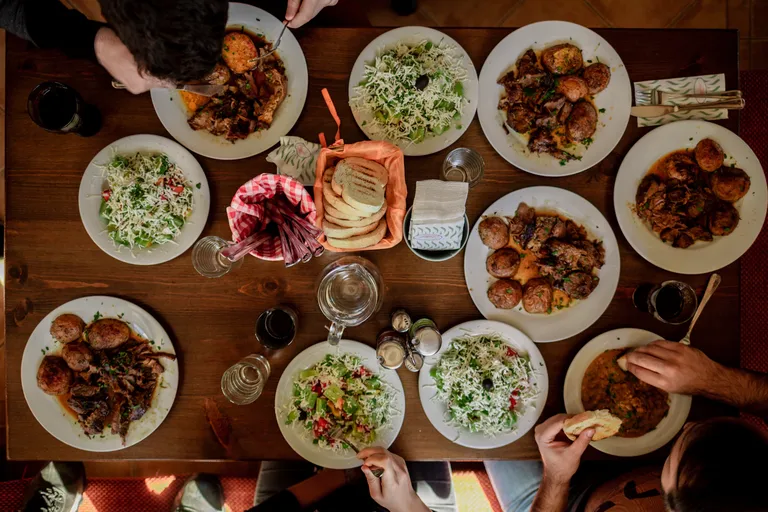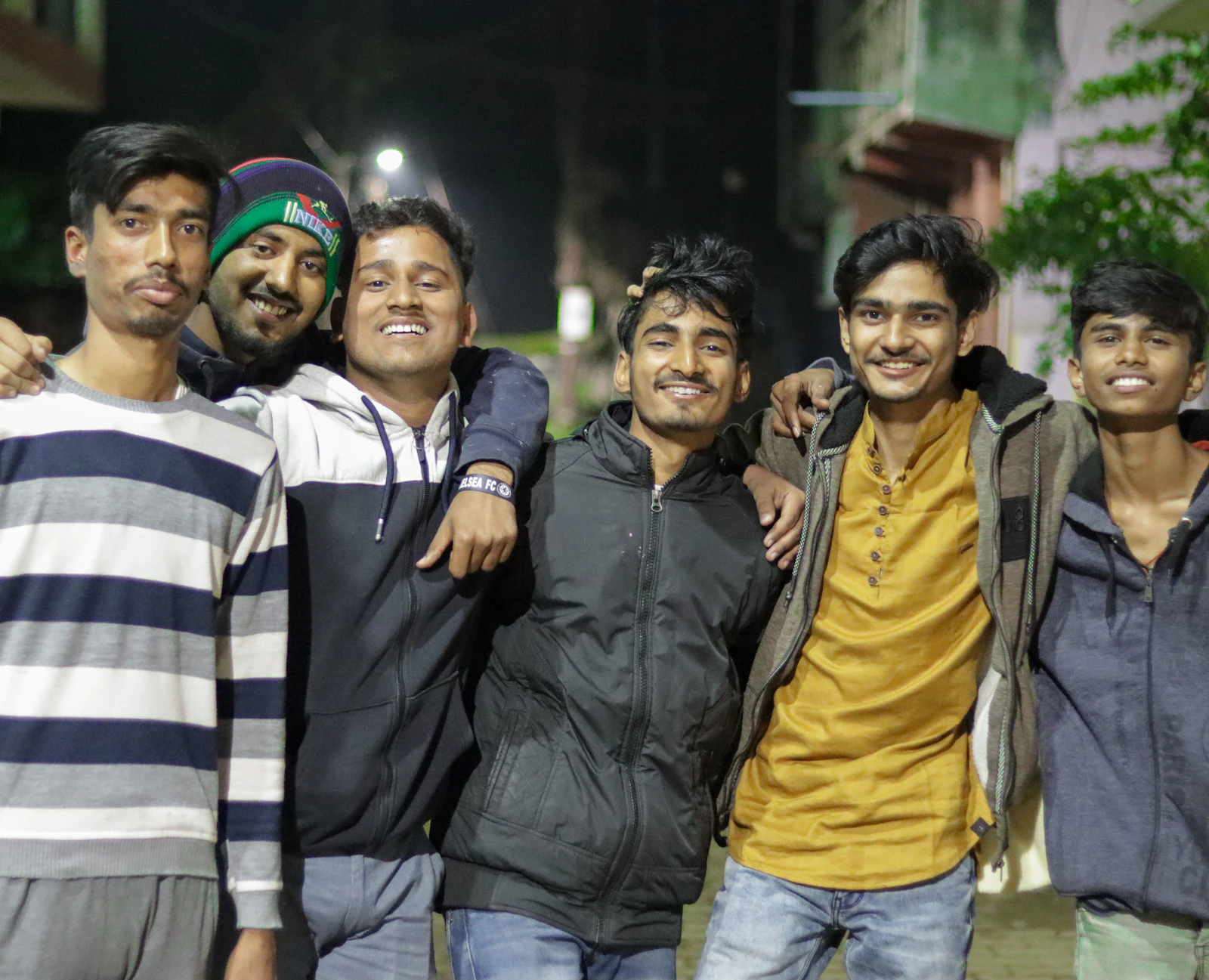
The best events ideas for college students in late November are short, low-pressure study breaks: a midnight breakfast, a movie night, a silent disco or a wellness hour held close to finals. They work because they offer food, a break and company without asking students to commit hours they do not have.
This season is also when attendance can drop, so the format matters as much as the theme. Below are the formats that fit a finals schedule, how they run, and the mistakes that leave a room half empty.
Why finals season suits campus events
Students are stressed and short on time, which makes a clear, free, drop-in event more appealing than a long program. A Concept3D blog post on late-night programming cites an ACHA study in which 48% of college students report moderate or severe psychological stress and 53% report loneliness. The post is a vendor blog, so treat the figures as the vendor’s citation rather than original research, but the direction is clear: a social break has value.
The same post describes finals-week midnight breakfasts as a standard study-break format, and it presents alcohol-free programming as a way to keep students on campus.
Quick Tips
- Keep the event drop-in, so students can stay for ten minutes or two hours.
- Put the time, place and cost in the first line of every announcement.
- Choose evening slots after most classes and study groups have ended.
- Ask students which format they want before booking anything.
Late-night food and study break events
Food is the simplest draw. A late-night breakfast needs a room, a serving line and a clear start and end time. CU Boulder’s 2025 end-of-semester lineup, published on CU Boulder Today, included a Late Night Breakfast from 7 to 9 p.m. open to students with a valid student card, with free food while supplies lasted.
The same lineup paired food with calmer options: therapy dogs in the rec center lobby, mindful yoga and meditation sessions, and a grab-and-go breakfast in the morning. Offering one loud event and one quiet one covers students who want company and students who want a reset.
Active and creative events that need little setup
Concept3D lists ten late-night ideas, and several suit a finals week. Movie nights on a lawn or in a theater can let students vote on the film. Glow-in-the-dark frisbee or capture the flag needs only glow sticks and a field. Open mic nights and student talent shows give performers a stage, while DIY craft and snack stations can be hosted by student groups.
A silent disco sends music from a phone, tablet or laptop to rented headphones, which keeps noise down near residence halls. For something more social, a game-show or trivia night works well, and murder mystery formats are getting attention on campuses and in cities, as covered in why murder mystery dinner events are filling fall calendars.
Comparing popular formats
| Event | Best for | Watch out for |
|---|---|---|
| Midnight breakfast | Large crowds, easy drop-in | Running out of food |
| Movie night | Relaxed group time | Weather and licensing for outdoor screens |
| Silent disco | Dance event near housing | Headphone rental and testing |
| Open mic | Student performers | Needs a host and a sign-up list |
| Wellness hour | Quiet reset during exams | Lower turnout without promotion |
| Student market | Handmade gifts before the holidays | Table space and vendor rules |
How to run events on a small budget
Campus programming advice for tight budgets, such as a post from Modern Campus, points to a few reliable habits: use supplies already on hand, ask other offices for donated swag or food, and co-sponsor events with a student organization that has its own funds. Challenge events built from found objects, such as a bridge-building contest or a newspaper-only fashion show, cost very little.
Student markets and holiday-themed gatherings also fit the calendar. A December open house format, described in why holiday open house events win the December calendar, can be adapted for a residence hall or club room with cocoa, music and a simple sign-in.
Common mistakes that empty the room
The most common mistake is hiding the details. CU Boulder’s lineup shows how events can hide friction: some needed advance registration, some had limited supplies, and one ticketed planetarium event capped seating at 30 tickets per screening block. Any of these can turn students away if the announcement does not say so up front.
A second mistake is scheduling over exams. Check the exam calendar before picking a date, and keep an alcohol-free option available for every event, including those with age-limited drinks.