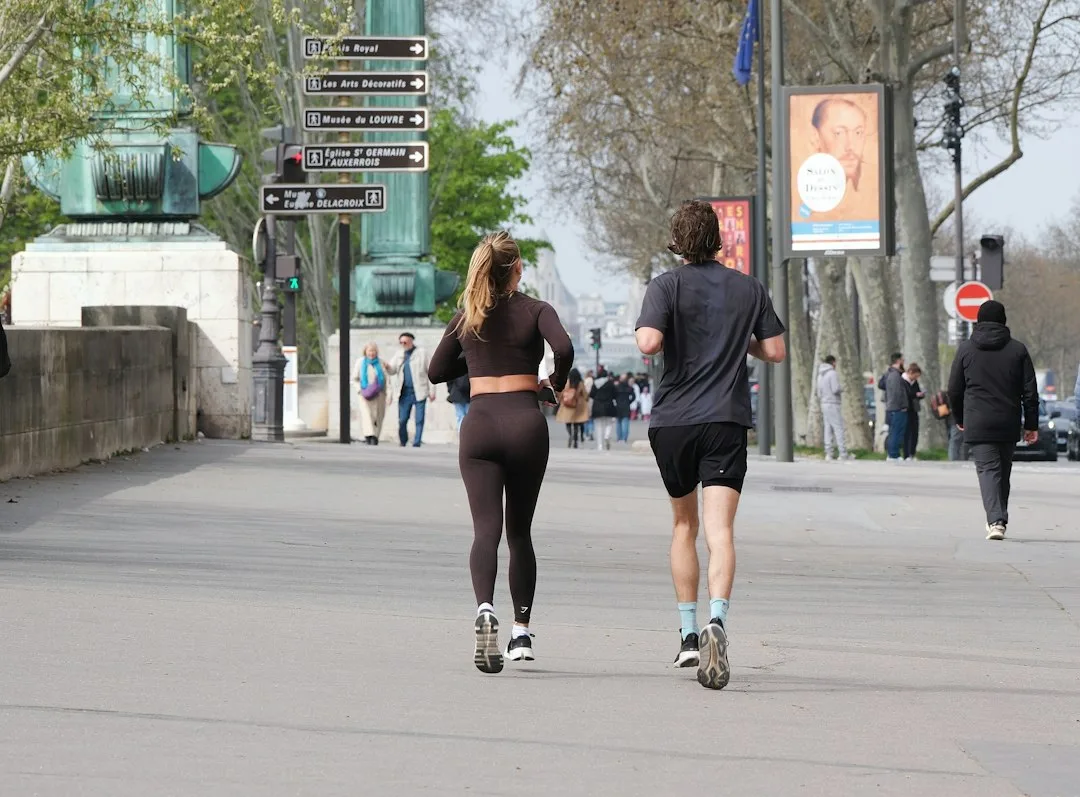
On a weeknight in many cities, the busiest corner of a shopping street is no longer the bar. It is the sidewalk outside a running shop, where forty people in leggings and trail shoes stretch before a five-kilometer loop. Run club events have grown from a niche hobby into a social format that quietly competes with happy hours for the same evening hours.
The reasons go beyond fitness. A run gives strangers a shared task, a fixed start time, and a finish line where conversation happens naturally. Nobody has to work a room.
Why the Weeknight Run Club Replaced the Happy Hour
Nike Run Club, the app Nike built around guided runs, has long encouraged users to find group sessions in their own city. Lululemon has hosted free weekly runs from its stores in cities across North America, often starting from the same storefront on the same weeknight.
The appeal is predictability. You know when it starts, roughly how far you will go, and that someone will wait for the slowest person at the back. That reliability is what keeps people returning after the first session.
Quick Tips
- Pick a fixed weekly start time and keep it for at least eight weeks before judging attendance.
- Post the route distance and expected pace in the invite so newcomers can choose their own group.
- Choose a meeting spot with a bathroom and a place to leave bags.
- End with a fifteen-minute social stop, because that is where the networking happens.
Run Club Events Built Around Brands and Community Groups
Brand-hosted runs and community clubs work differently. A retail run club usually offers a free meetup with pace groups, while parkrun runs a timed five-kilometer event every Saturday morning in participating locations, free to join after a one-time registration.
Strava, the activity-tracking app, lets organizers build club challenges and see who is training nearby. That visibility turns a one-off run into a standing appointment. Organizers can then invite members to a monthly route or a seasonal race.
| Format | Typical Setup | Best Fit |
|---|---|---|
| Brand store run | Free, weeknight, mixed pace groups | First-time runners and social joiners |
| Parkrun-style 5K | Free, timed, Saturday morning | Regulars who track personal times |
| Coached training club | Membership, set pace per group | Runners training for a race |
| Corporate lunch run | Short loop, 3 to 4 km, shared time | Teams on a shared schedule |
The Mistake That Turns a Run Club Into a Chore
The most common failure is a single pace for everyone. Picture a planner at a mid-size design firm who books a 7 a.m. ten-kilometer run for thirty colleagues, sets one fast pace, and watches the newest hires drop off by the second mile.
Those newcomers do not return, and the organizer decides the format does not work. The fix is simple. Split the group into three named pace bands, such as walk-run, steady, and fast, so nobody has to ask where they belong. Nobody likes that moment.

Pairing Run Clubs With Corporate Team Building
Employers have started folding run clubs into existing wellness budgets, which makes the format easy to justify. Our coverage of Corporate Team Building Events 2026 — Why Hybrid Experiences Drive Employee Retention shows how shared activities keep staff connected after remote work. A weekly run fits that model well.
Offer a hybrid option. Run a live route for people in the office, and let remote staff log their own kilometers in a shared tracker. Both groups see the same results board, which keeps the activity from feeling like it belongs to one team.
What a Run Club Event Costs and What It Replaces
Most store-hosted and parkrun-style sessions cost nothing beyond running shoes, which many people already own. Coached training clubs usually run on a membership in a modest monthly range. That spend often replaces a gym class or a weekly drinks budget.
Expect to spend more only if you add a catered finish. Even a simple coffee cart can give the group a reason to linger. The social stop matters more than the snack.
Planning Your First Run Club Event Next Month
Start with a route you have run yourself. A loop you know will keep you from getting lost, and it lets you give accurate turn points in the invite. Measure it with a watch or app so the distance you publish is correct.
Send the invite four to five days ahead, not on the morning of. People plan around a weeknight start, and a short notice period loses the commuters who need to adjust their evening. Track attendance for eight weeks before deciding whether the format works.
Patience matters here. Most clubs take a month to find their regulars.