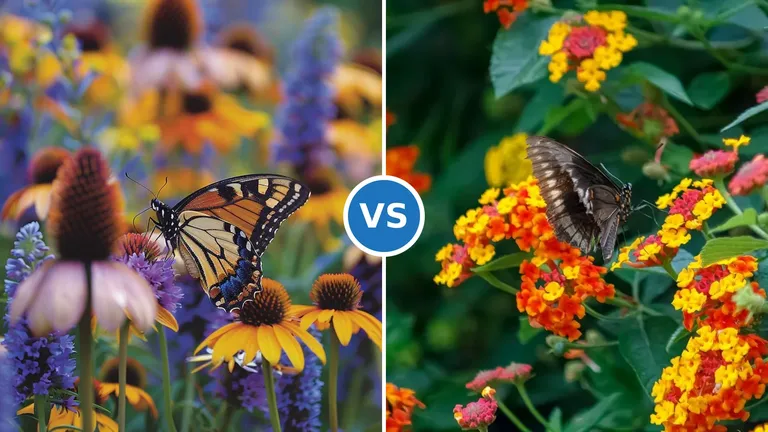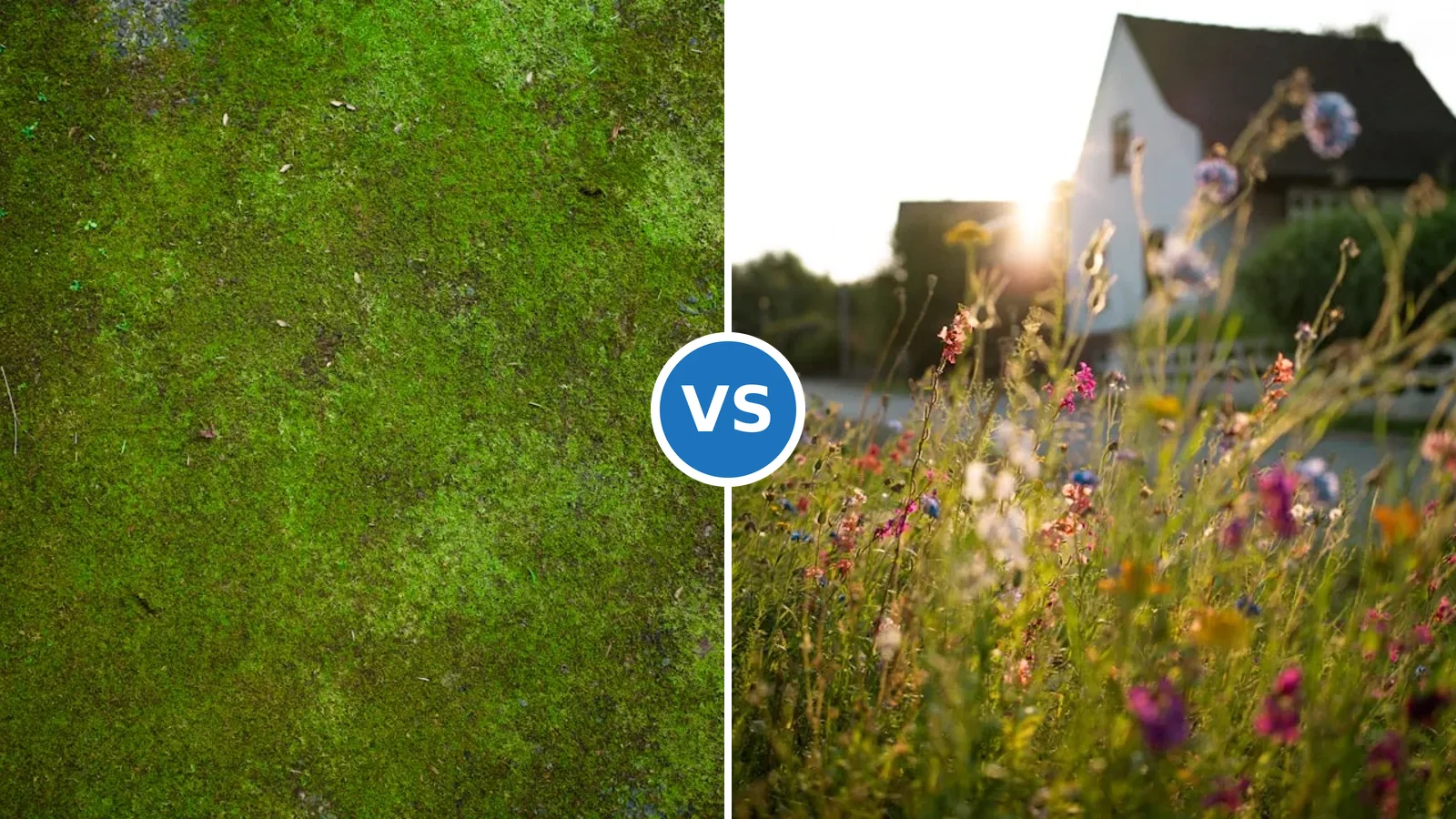
Moss vs pollinator lawn is a choice between two ways of ditching turf: a living carpet of moss that never needs mowing, or a mix of low grasses, clover and wildflowers that still works as a lawn. Moss suits shaded, damp ground where grass struggles, while a pollinator lawn suits an open yard that gets walked on.
Both cut back on mowing, watering and fertilizer, but they ask for very different conditions. This comparison looks at light, cost, care and everyday use so the decision is clear before any grass comes out.
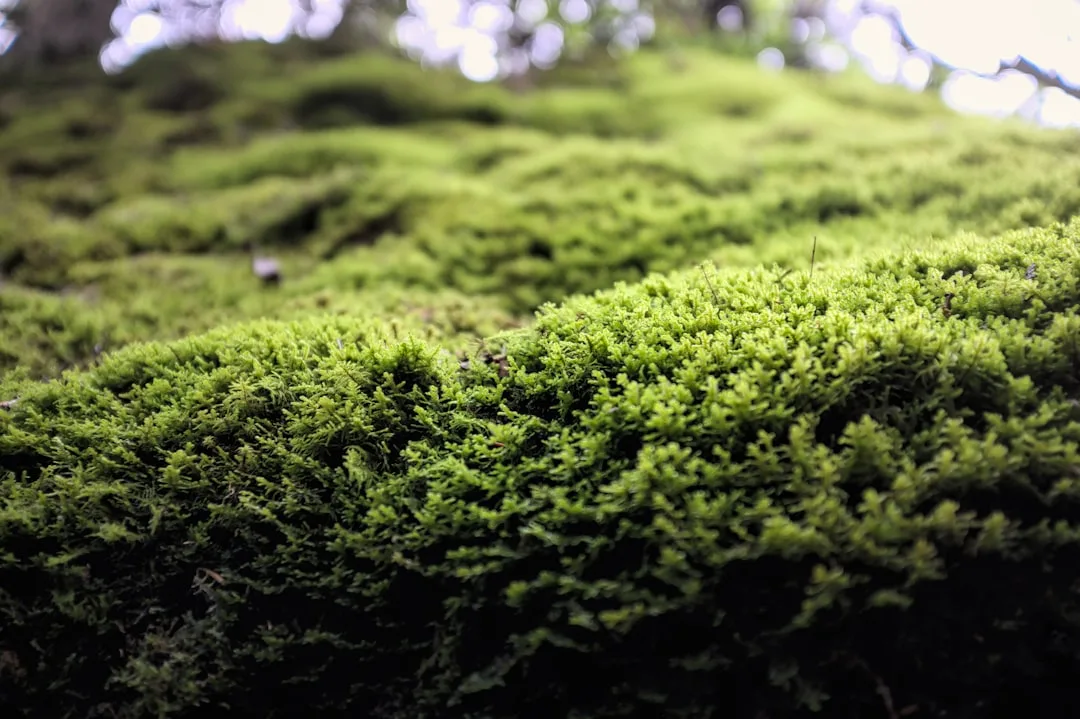
Two ways to replace a grass lawn
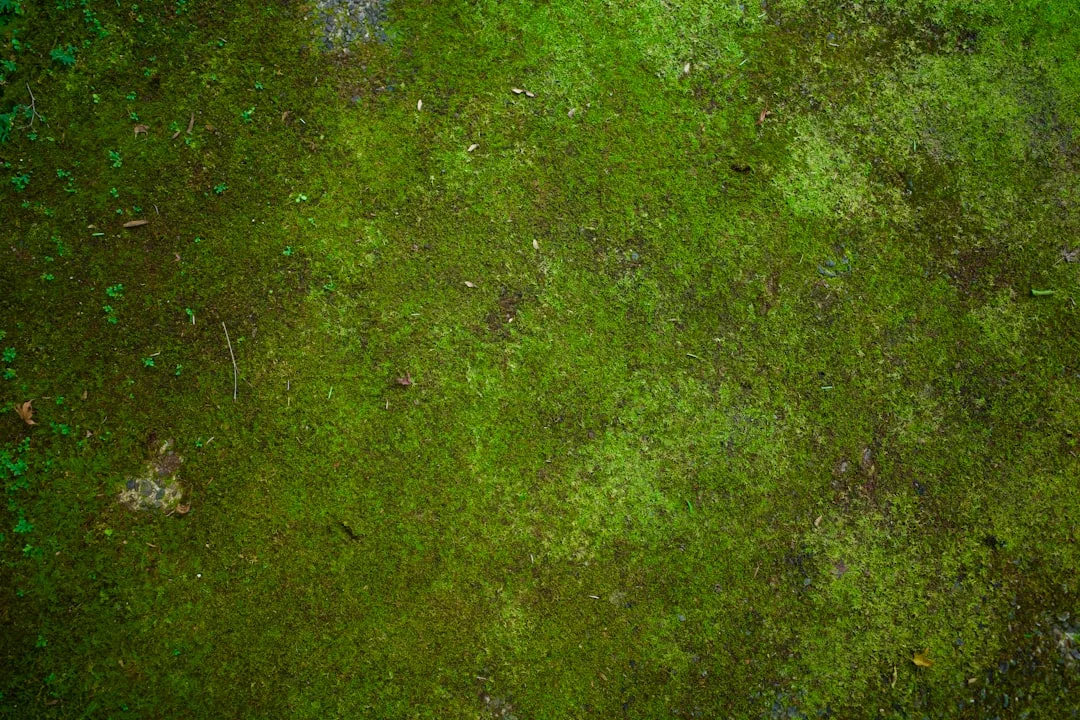
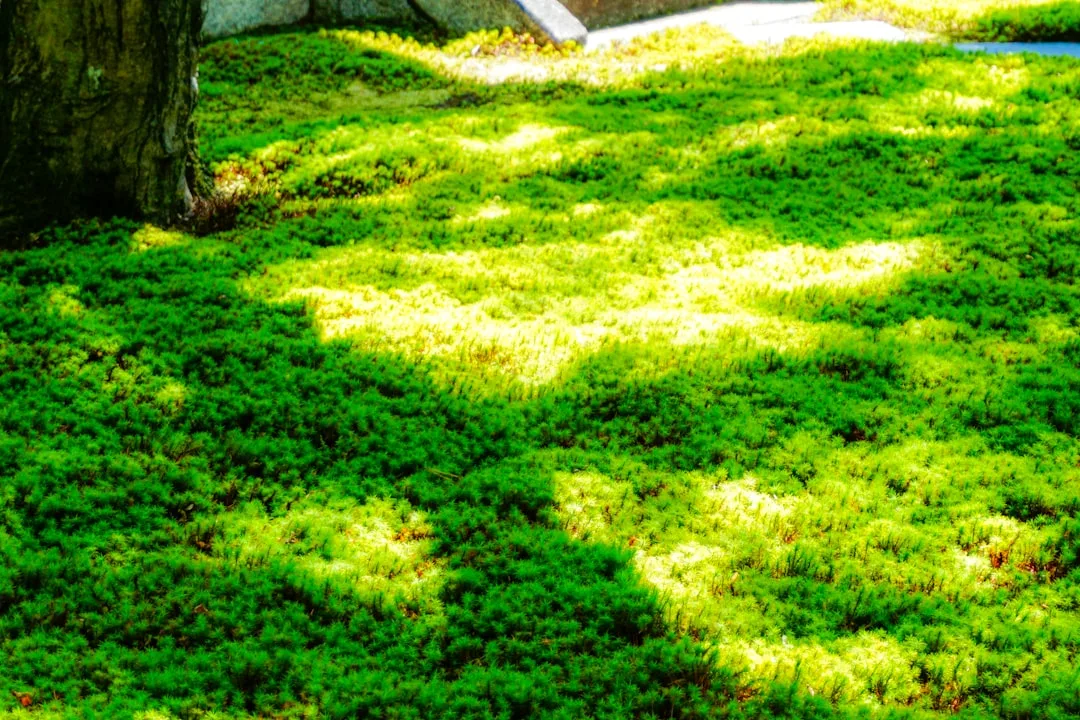
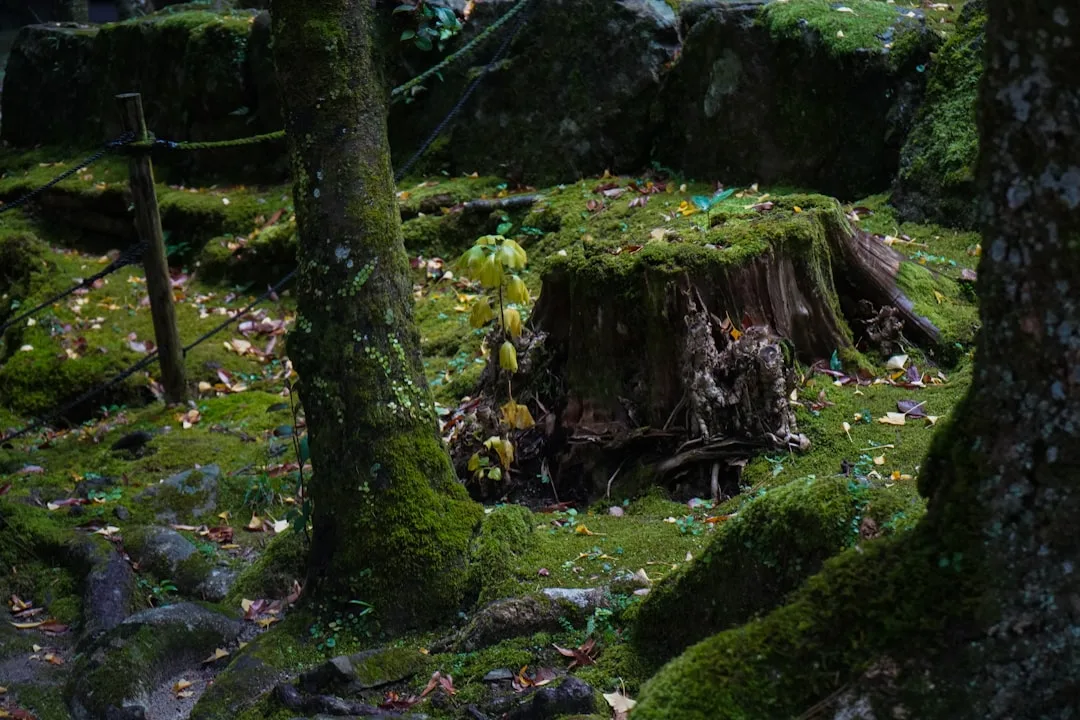
A moss garden uses cultivated moss as a ground cover. As described in our moss garden coverage, it grows well in dense shade, acidic soil and humid, poorly drained spots, and it is never mowed.
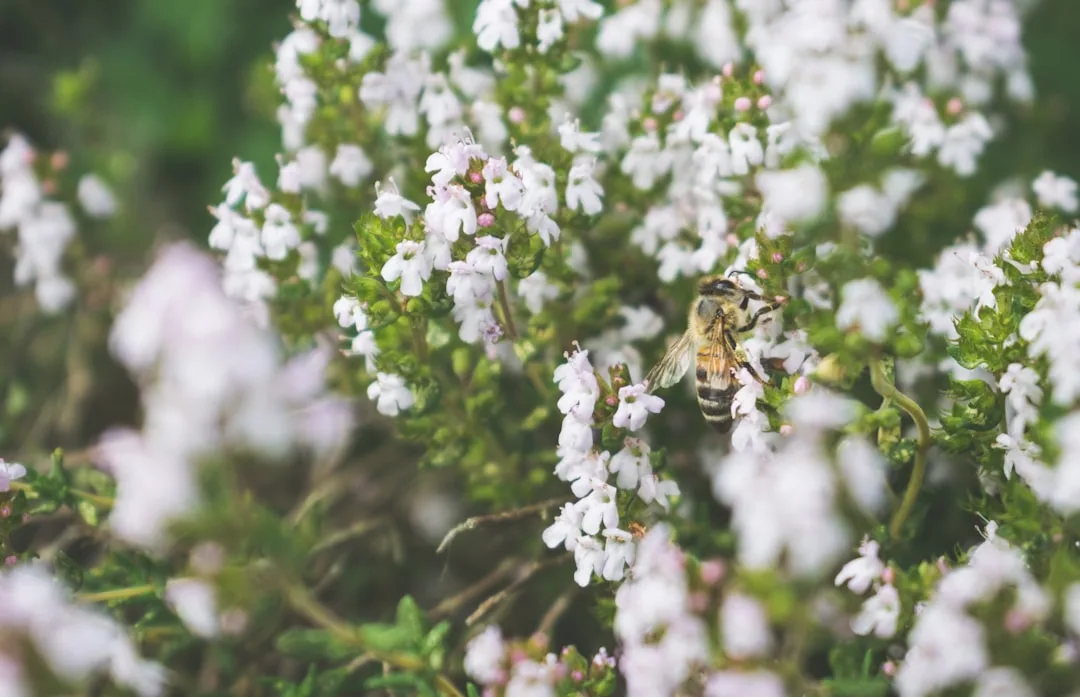
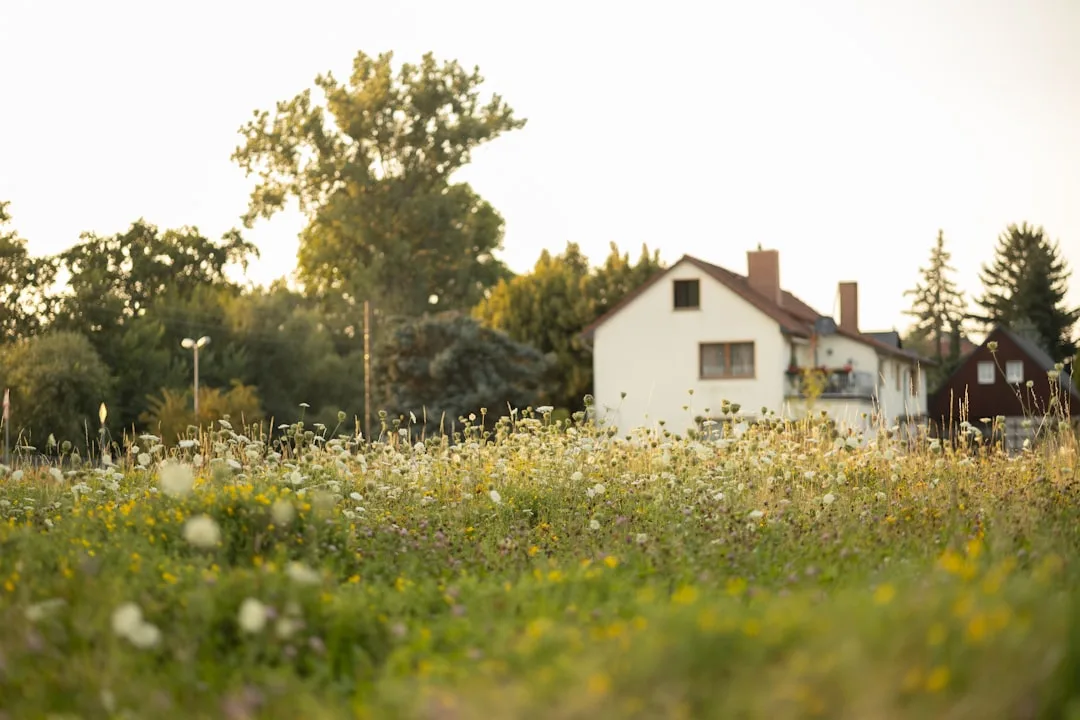
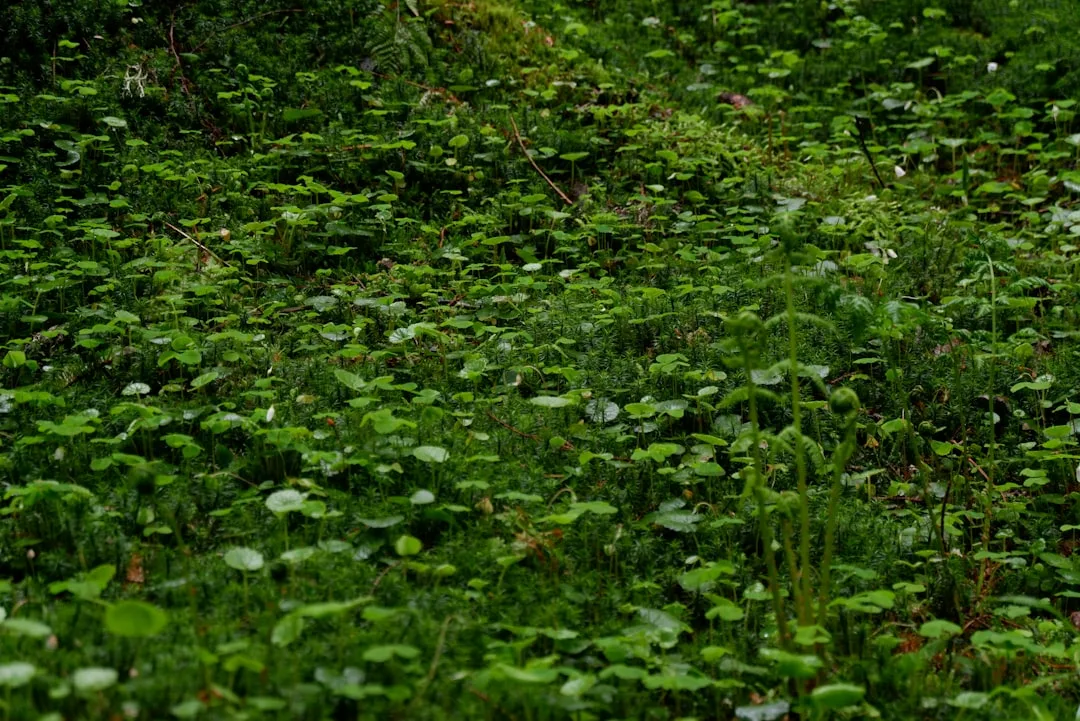
A pollinator lawn replaces turf with low-growing natives such as fescues, clover and regional wildflowers. According to our pollinator lawn article, these mixes tolerate foot traffic and need mowing only a few times per season, and the plant mix changes by region.
Quick Verdict
- Choose moss if the area is shaded and damp, you want no mowing at all and you prefer a smooth green carpet.
- Choose a pollinator lawn if the yard is open, gets regular foot traffic or you want a lower installation cost and flowers for pollinators.
Moss vs pollinator lawn on the criteria that matter
| Criteria | Moss garden | Pollinator lawn |
|---|---|---|
| Light | Needs shade or dappled light; fails in full or partial sun | Works in an open yard when the mix suits your region |
| Mowing | None | A few cuts per season |
| Foot traffic | Keep off for 4 to 6 weeks while it establishes | Mixes are chosen to tolerate walking |
| Installed cost | About $8 to $15 per square foot | About $2 to $6 professional, $0.40 to $1.50 DIY |
| Slow start | Daily misting for 2 to 3 weeks after planting | Looks sparse for 12 to 18 months |
| Look | Smooth, even green carpet | Lawn-like with clover and seasonal flowers |
Light and soil decide the winner
Light is the first filter. Moss does best in dappled light, under tree canopy, on north-facing slopes and in courtyards with permanent shade. It also prefers acidic soil, with the moss article citing a pH of 5.0 to 6.0.
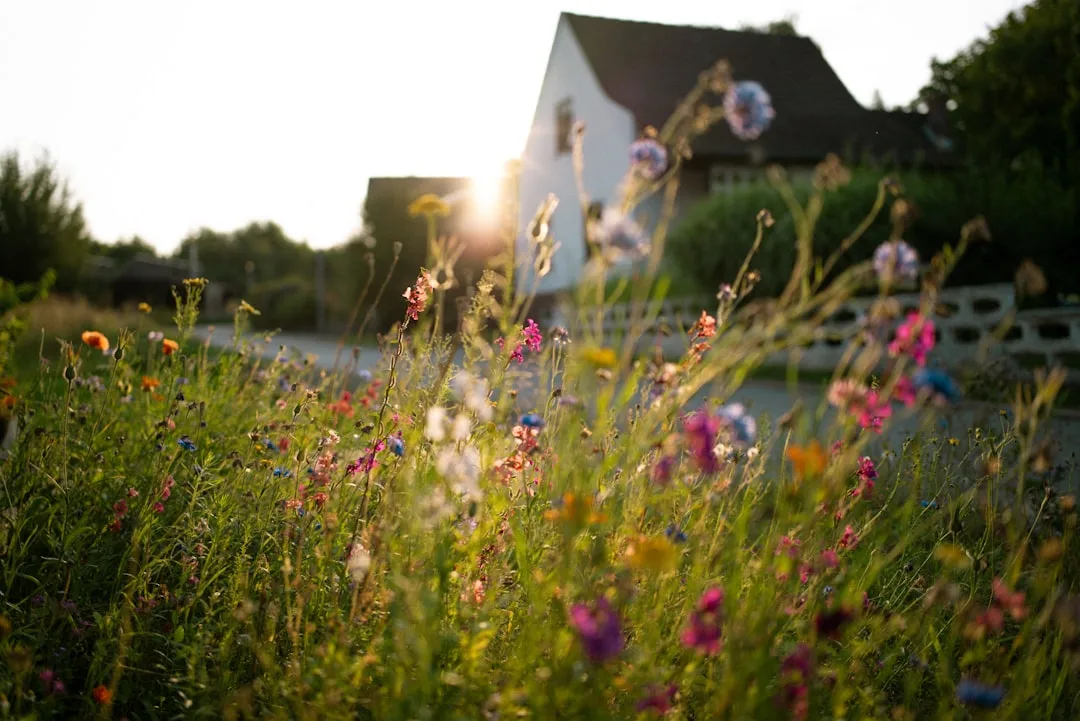
A pollinator lawn is the better fit for an open yard because its plant mix can be matched to your region. The Northeast mixes described in the article lean on fine fescues and white clover, Midwest mixes add prairie plants, and West Coast mixes use drought-tolerant species.
Cost, care and foot traffic
Moss wins on maintenance after it is established because there is nothing to mow. It costs more up front, with installation priced at roughly $8 to $15 per square foot, compared with about $2 to $6 for a professionally installed pollinator lawn and less for a DIY seeding.
The pollinator lawn wins on cost and on use. It tolerates walking and works for kids and pets better than a carpet that needs several weeks of rest. Its trade-off is time: it can look thin during its first growing season, and the sources describe a 12 to 18 month awkward phase before plantings fill in.
Preparation differs too. Moss needs weeds and debris cleared, the soil raked to expose bare ground and regular misting, while a pollinator lawn needs the old grass killed first, typically by smothering or solarizing rather than herbicides.
The mistake that ruins both options
The most common mistake is choosing by looks instead of site conditions. A moss carpet installed on a south-facing slope with hours of afternoon sun can turn brown and patchy within months, and a pollinator mix chosen for the wrong region can fail in the same way.
Before buying, watch the area at different times of day to see how much shade it really gets. If the answer is mixed, split the yard: moss in the shaded corner, pollinator mix in the sunny strip.
Who should choose which
Pick moss for a shaded courtyard, a spot under trees or a damp corner where grass has already failed. It suits people who want zero mowing and can accept a higher installation cost and a few weeks of misting.
Pick a pollinator lawn for an open, sunny or mixed yard that is used daily. It suits people who want a lower cost, regional plants and flowers for pollinators, as long as they can tolerate a thin-looking first year. For winter yard tasks that matter either way, see how to winterize a garden hose before the next hard freeze.