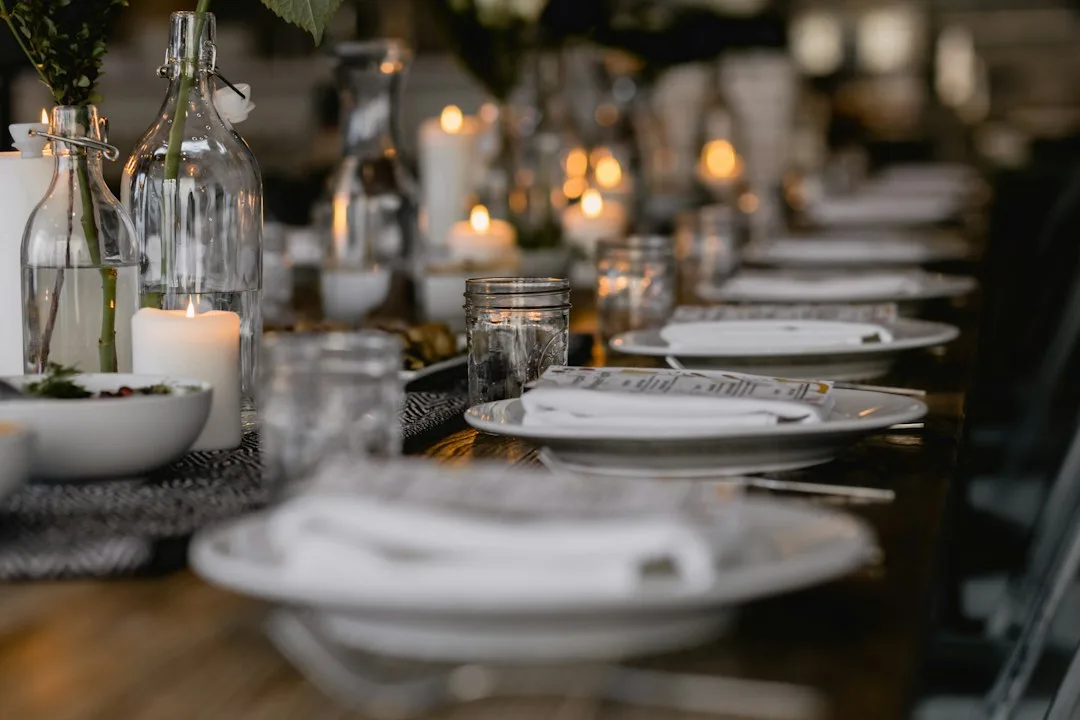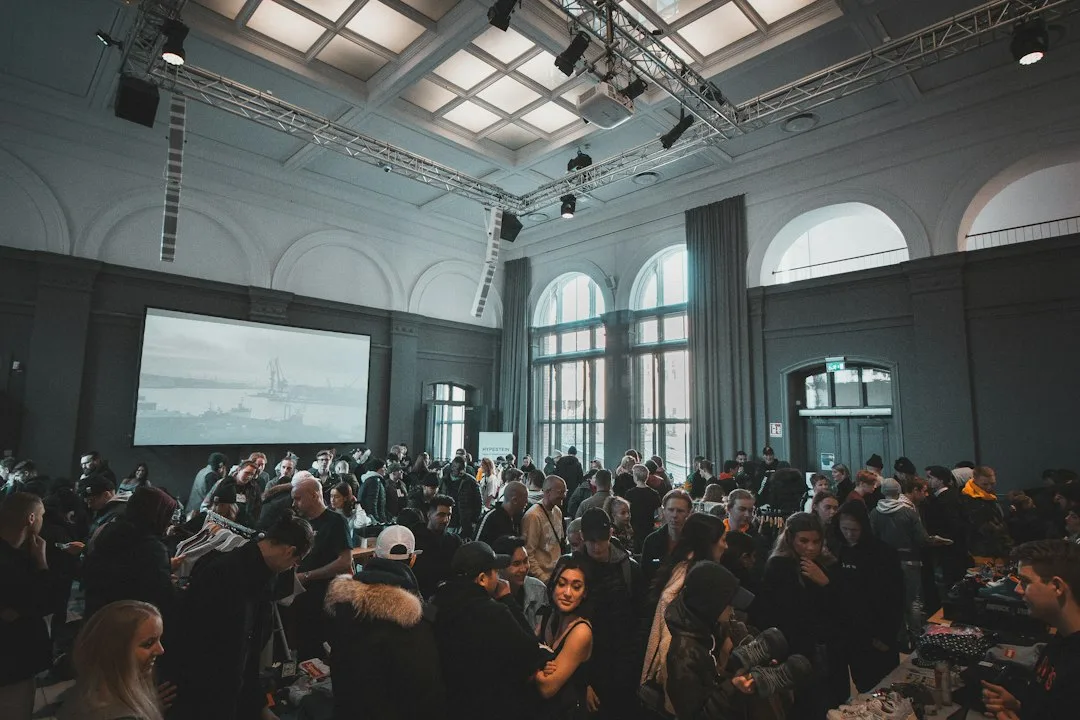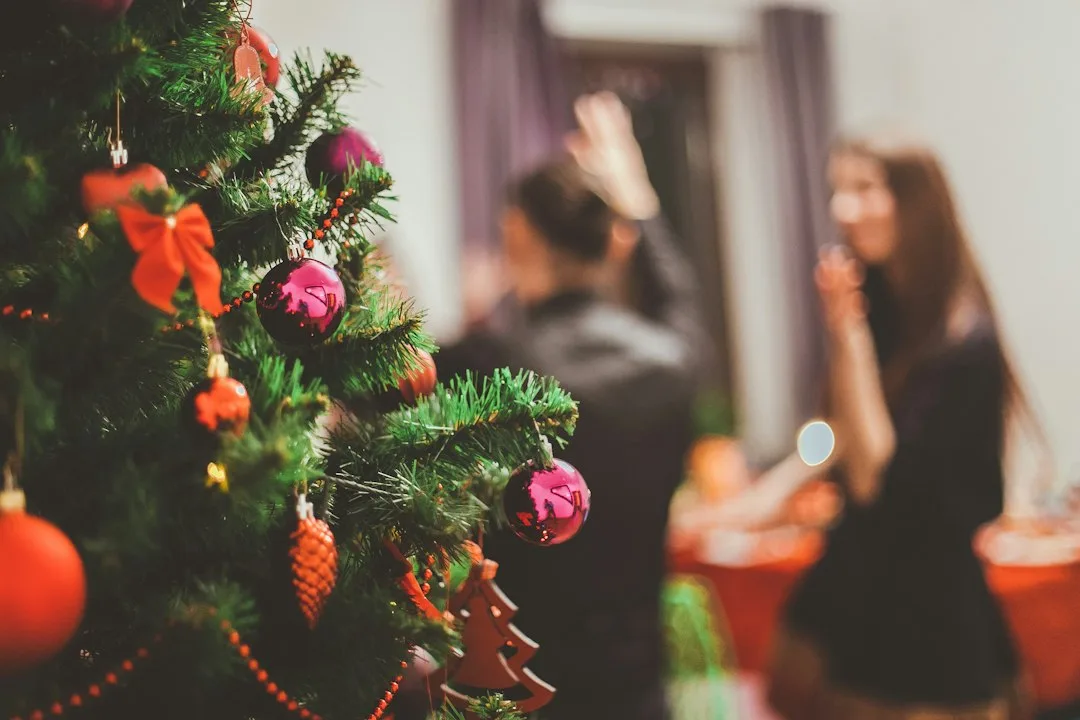
Picture a Saturday from two to five in the afternoon, a front door propped open with a wreath, and forty neighbors drifting between the kitchen and the porch with mugs of cider. That scene is the holiday open house, and it is quietly taking over the December calendar from the sit-down dinner. Hosts are tired of cooking for twelve people they barely get to talk to.
How a Holiday Open House Fits a Busy December
The biggest advantage is that the format removes RSVP pressure. A posted window of two to five on a single afternoon lets guests arrive when they can, which is far easier than promising a seven o’clock dinner and a full evening.
Guests can drop in for twenty minutes or stay for two hours, and nobody feels they owe the host a whole night. That flexibility matters most in December, when work parties, school concerts, and family travel crowd every weekend.
The format also scales well. A host with a modest apartment can welcome sixty people over four hours because arrivals come in waves instead of all at once.
Hosts also get more real conversation time. Instead of ten minutes per guest across a long dinner, the open house lets you circulate, check in, and actually hear what people are up to this year.
Quick Tips
- Print a start and end time on the invitation so guests know they can come and go.
- Put food out at the start and refresh it at the midpoint, not at the end.
- Keep the menu to finger food and set it on two stations to avoid one crowded table.
- Set aside an hour after the window closes for cleanup, not before the first guest arrives.
Invitations and Timing Set the Tone Before Anyone Arrives
Paperless Post, the digital invitation service, lets hosts list a start and end time directly on the card, which is the most useful detail for an open house. Eventbrite offers free event pages that private hosts can use to track RSVPs without a spreadsheet.
Choose a window of two to three hours and say so in bold. Shorter windows feel like a treat, while anything longer than four hours starts to feel like an all-day commitment.
Timing also matters for the food. Schedule the highest-traffic period for the first hour after the start time, when most guests arrive together.
| Format | Typical Window | Hosting Load |
|---|---|---|
| Seated dinner party | Three to four hours | High, with plated courses |
| Cocktail party | Two to three hours | Medium, with passed bites |
| Holiday open house | Two to three hours | Low to medium, buffet and drop-ins |
| Hybrid pop-up | Two hours | Medium, with staffed stations |
Read the table as a planning tool rather than a ranking. The open house cuts the hours of plated courses and leaves the host free to enjoy the party.
Where Williams Sonoma and Crate & Barrel Earn Their Place
Williams Sonoma and Crate & Barrel both carry rimmed serving trays and beverage dispensers in sizes that suit a steady stream of guests. A large tray holds enough food for a long window without constant refilling.
Pick a dispenser with a spigot so one host can pour cider for an hour without a line forming at the kitchen counter. Keep a second serving tray ready for the midpoint refresh.
Stock a few extra glasses in a separate bin, because open-house guests wander and leave glasses in every room.
The Mistake That Empties the Room by Six
The most common error is putting every dish on one table in the narrowest room of the house. Picture a host who sets a single buffet in a galley kitchen, with the coat rack in the same hallway, so guests queue for twenty minutes before they reach the cider.
Within an hour the line discourages people, and they leave early or skip the food entirely. The fix is simple: split the food across two rooms and keep the coats in a bedroom closet.
Hosts also forget to restock. A tray that looks full at the start can be empty by the midpoint, which turns the last hour into a clean-up job instead of a party.
A second common error is hiding the host. If you stay in the kitchen, guests feel like customers rather than visitors, so station yourself near the entry for the first hour.
Lighting and Music Decide How Long Guests Stay
Warm bulbs around 2700K make a living room feel inviting after dark, while cool white light pushes people toward the exit. Hang string lights along the porch rail or front walkway, since the entrance sets the first impression before anyone is inside.
Sonos speakers can hold a steady playlist across several rooms, which keeps the mood consistent when guests move between the kitchen and the living room. Keep the volume low enough that conversation stays easy.
A subtle scent helps too. A single Yankee Candle in the entry hall gives the house a familiar smell without competing with the food.
Corporate Offices Borrow the Open House Format
Companies are adapting the format for year-end gatherings, borrowing the same drop-in logic. Our look at Corporate Team Building Events 2026 — Why Hybrid Experiences Drive Employee Retention shows how staff stay longer when they can come and go.
A Friday open house in a conference room, with coffee stations and a lounge corner, lets teams mingle without a formal agenda. The same two-hour window that works at home works in the office.
Your Open House Plan in Four Steps
Send invitations with a clear two-to-three hour window three weeks out. Set two food stations, a clean coat spot, and a playlist that runs for the full window.
Assign one greeter for the first thirty minutes so no one stands waiting at the door. Keep the kitchen tidy and the entry lit, then welcome guests as they arrive.
The format works because it asks very little of people, and that is exactly why it fills a busy December.